Fuel Nozzles Troubleshooting: Slow Flow, Drips, and Auto Shutoff Failures—Causes and Fixes

In the demanding environment of Indian industrial operations—from the dust-choked iron ore mines of Odisha to the high-humidity pharmaceutical parks of Gujarat—fluid transfer equipment undergoes extreme punishment. For plant managers and procurement heads overseeing fleets or heavy machinery, the cost of diesel dispensing downtime is not measured merely in the price of spare parts. It is measured in idle excavators, delayed logistics, inventory shrinkage, and regulatory scrutiny from bodies like PESO (Petroleum and Explosives Safety Organisation).

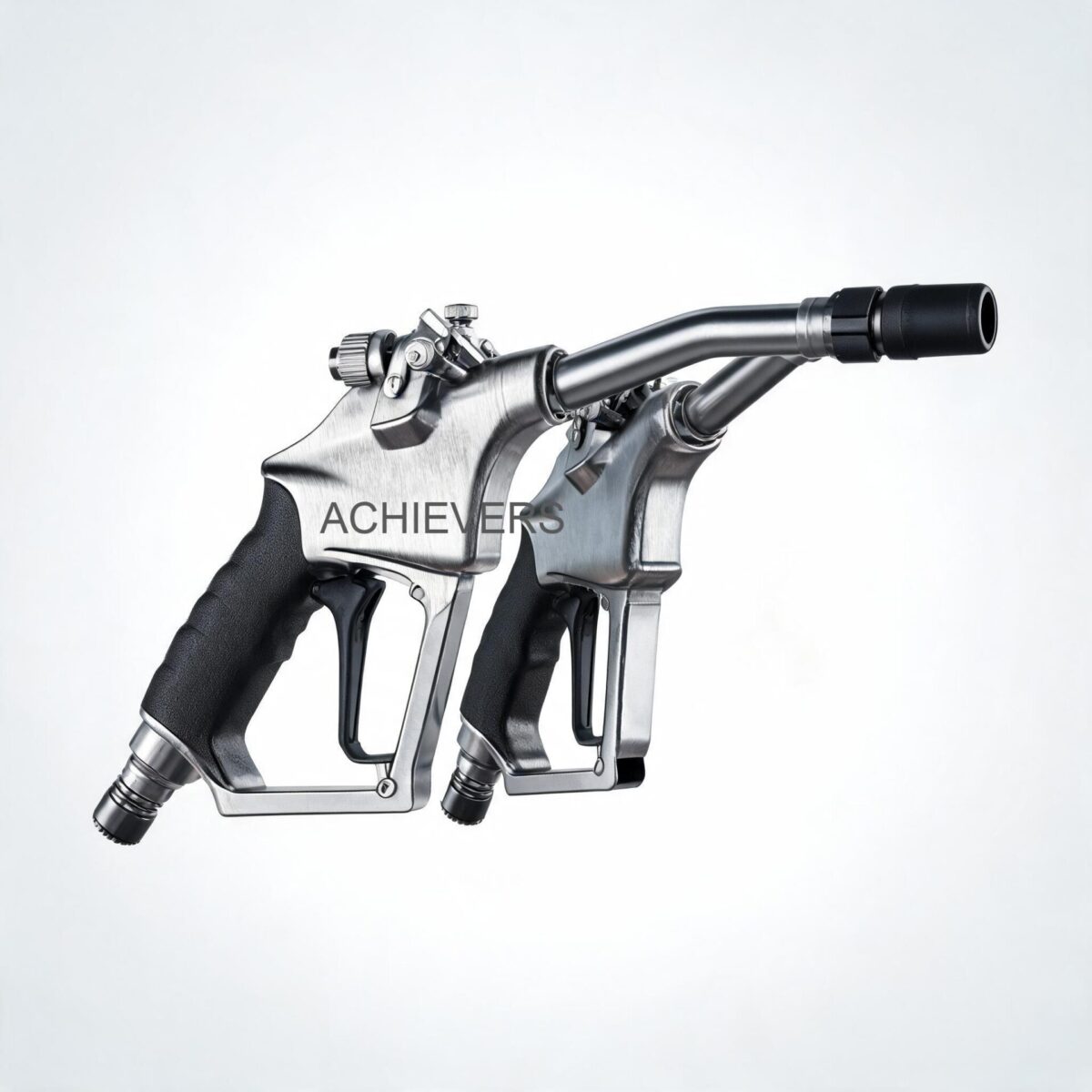
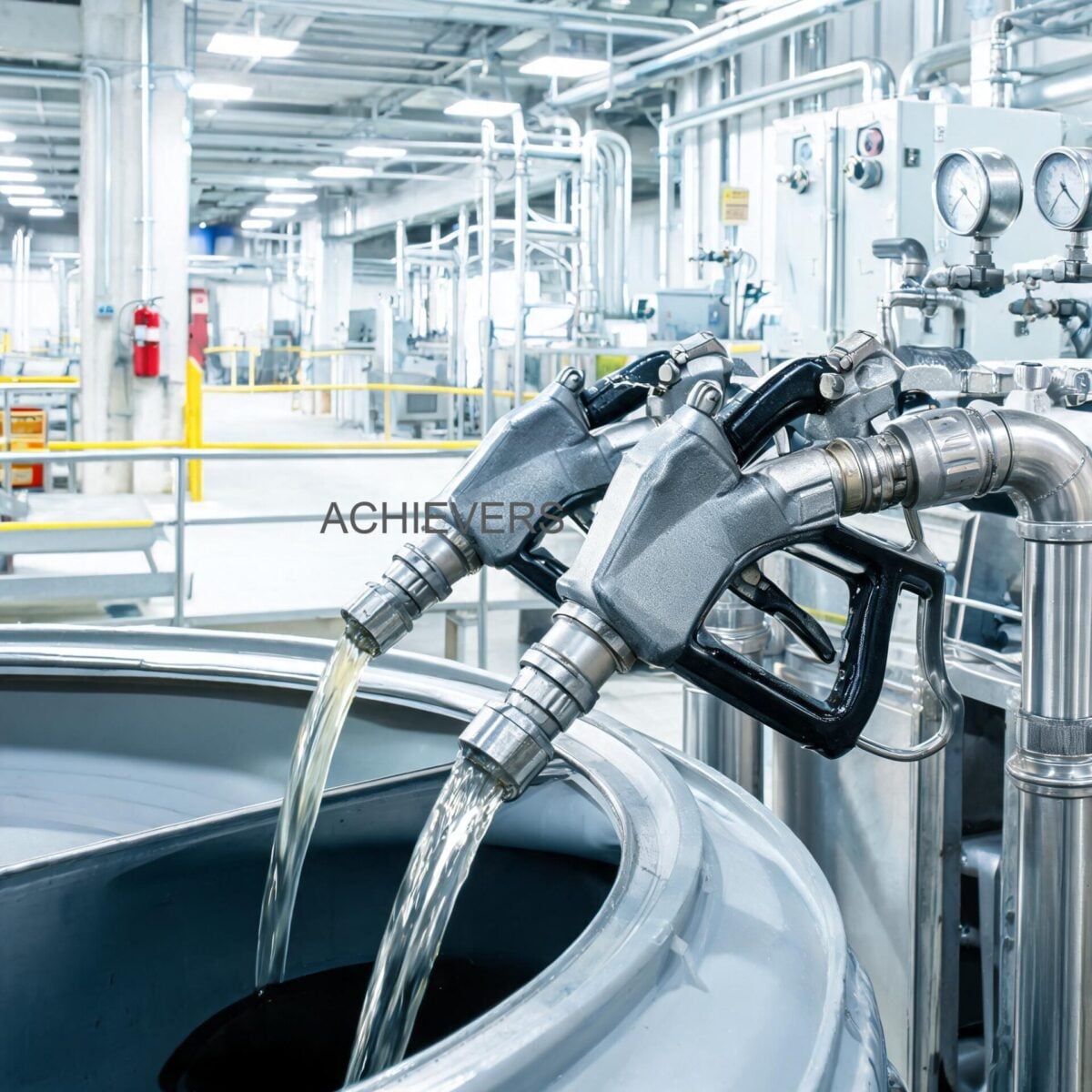
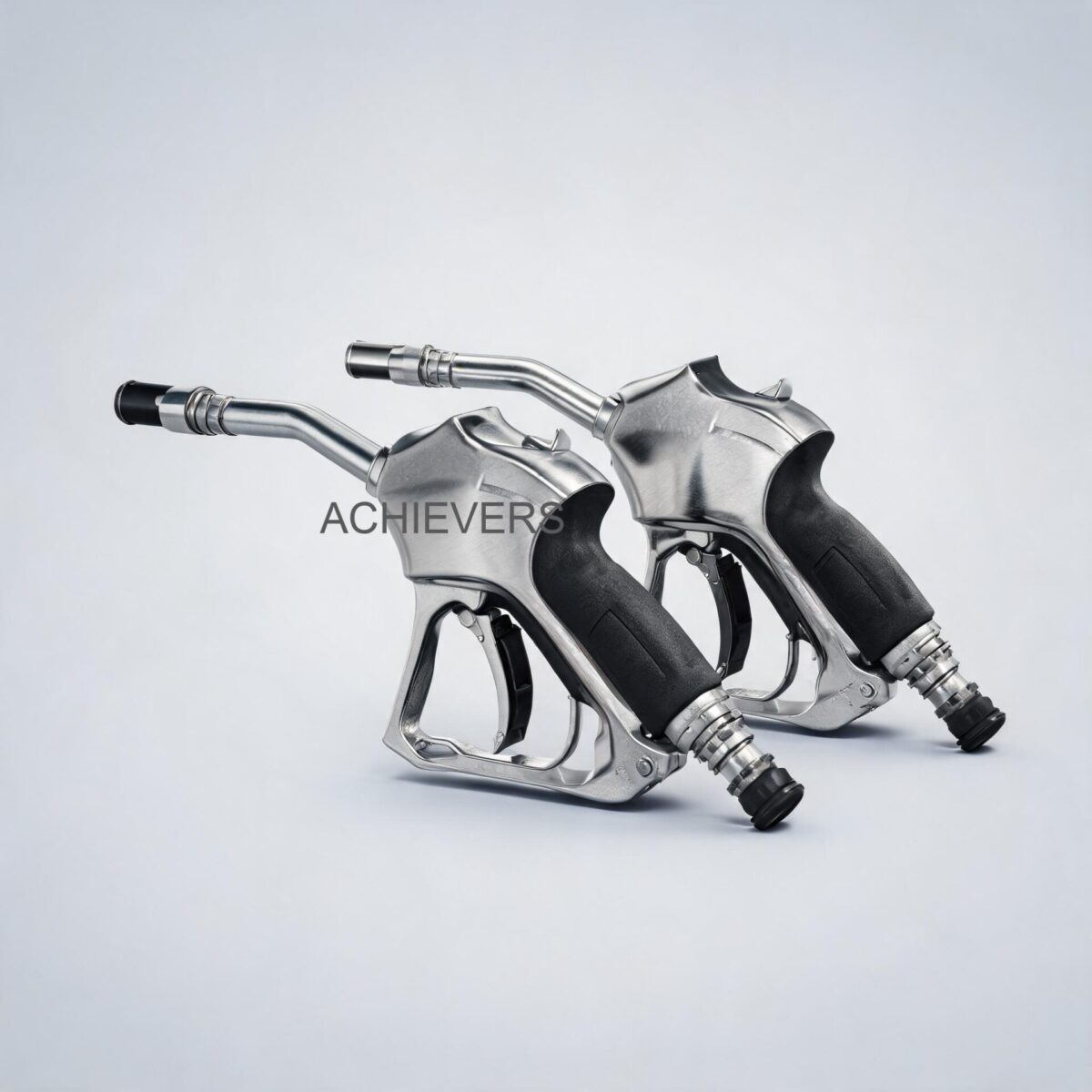
A critical failure point in any bulk fluid transfer system is the dispensing nozzle. When Fuel Nozzles begin to drip, restrict flow, or fail to shut off automatically, the immediate result is product loss and severe safety hazards. At roughly ₹90 per liter, even a minor continuous drip can cost thousands of rupees a month, while an auto-shutoff failure during a high-speed 60 L/min transfer can result in catastrophic environmental spills and fire risks.

This guide provides a highly detailed, field-ready diagnostic framework for troubleshooting dispensing nozzles. Rather than immediately replacing a unit that costs between ₹2,500 and ₹15,000, instrumentation engineers and maintenance crews can use this guide to identify root causes—whether they stem from suction leaks, worn swivel seals, Venturi tube blockages, or adulterated fuel common in bulk handling scenarios.

1. Quick Reference: How Fuel Nozzles Work

To successfully troubleshoot dispensing issues, an engineer must first understand the internal fluid dynamics and mechanical linkages at play. Modern automatic Fuel Nozzles are not simple valves; they are finely tuned mechanical instruments relying on the Venturi effect and pressure differentials to operate safely.

When the lever is pulled, the main poppet valve opens, allowing diesel or motor oil to flow through the nozzle body. As the fluid passes through a narrow restriction (the Venturi seat), its velocity increases, and its pressure drops, in accordance with Bernoulli’s principle.

This low-pressure zone is connected to a small sensing port located at the tip of the spout (the 13/16" spout opening). Under normal conditions, air is drawn through this sensing port to satisfy the vacuum. However, when the fuel level in the receiving tank rises and covers the sensing port, air can no longer enter. The vacuum instantly multiplies, pulling a rubber diaphragm upward. This upward movement trips a mechanical latch holding the lever mechanism in place, snapping the main valve shut via a heavy spring.

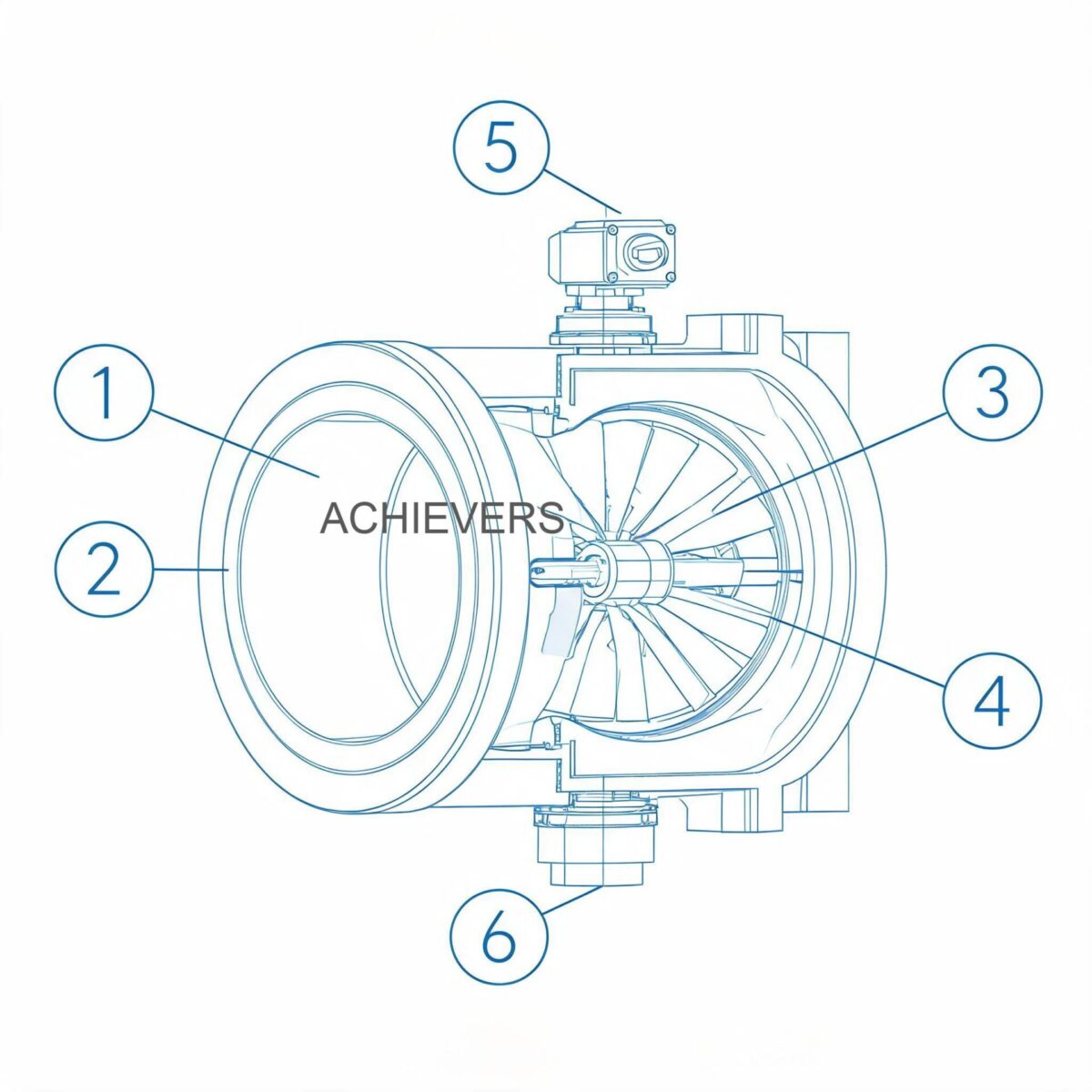
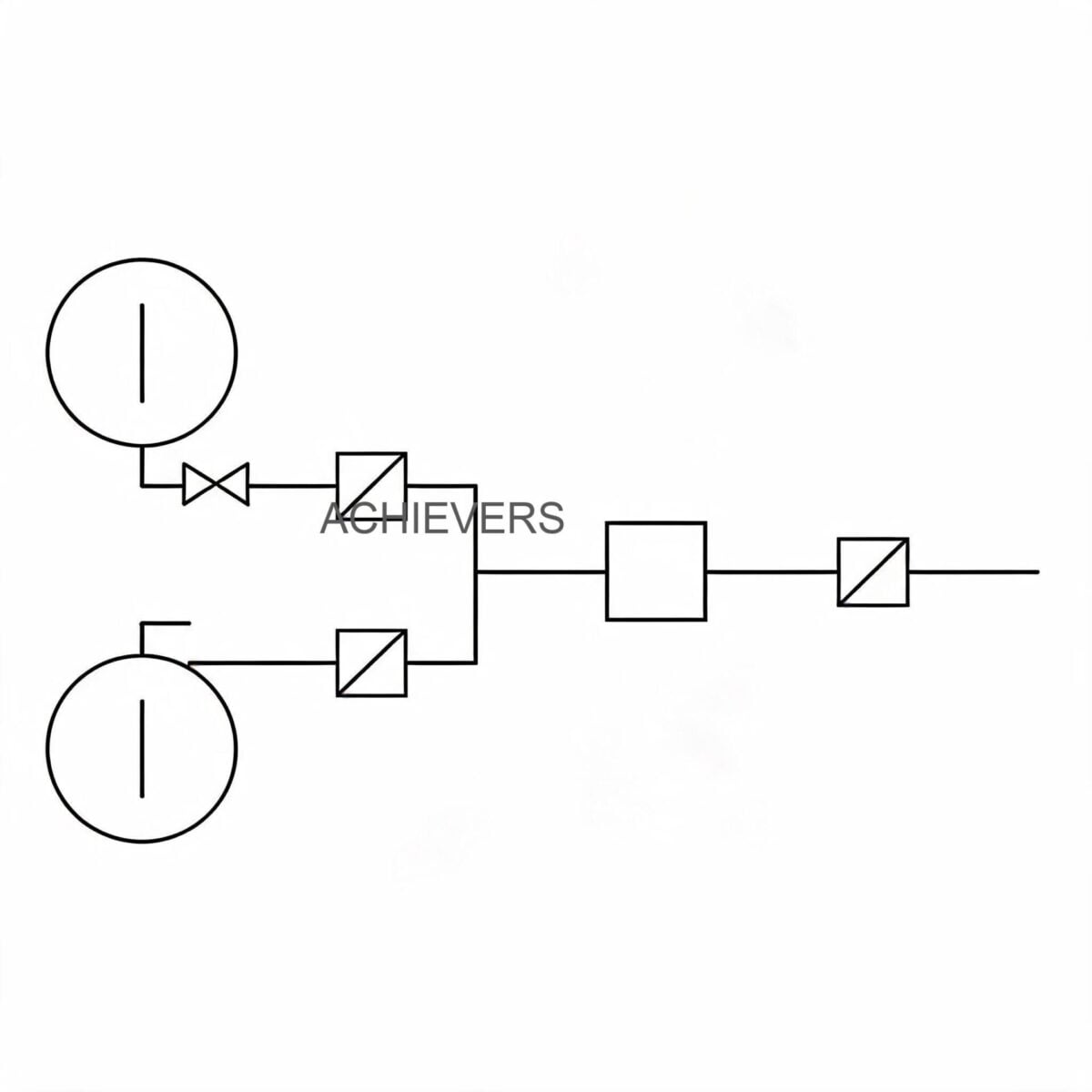
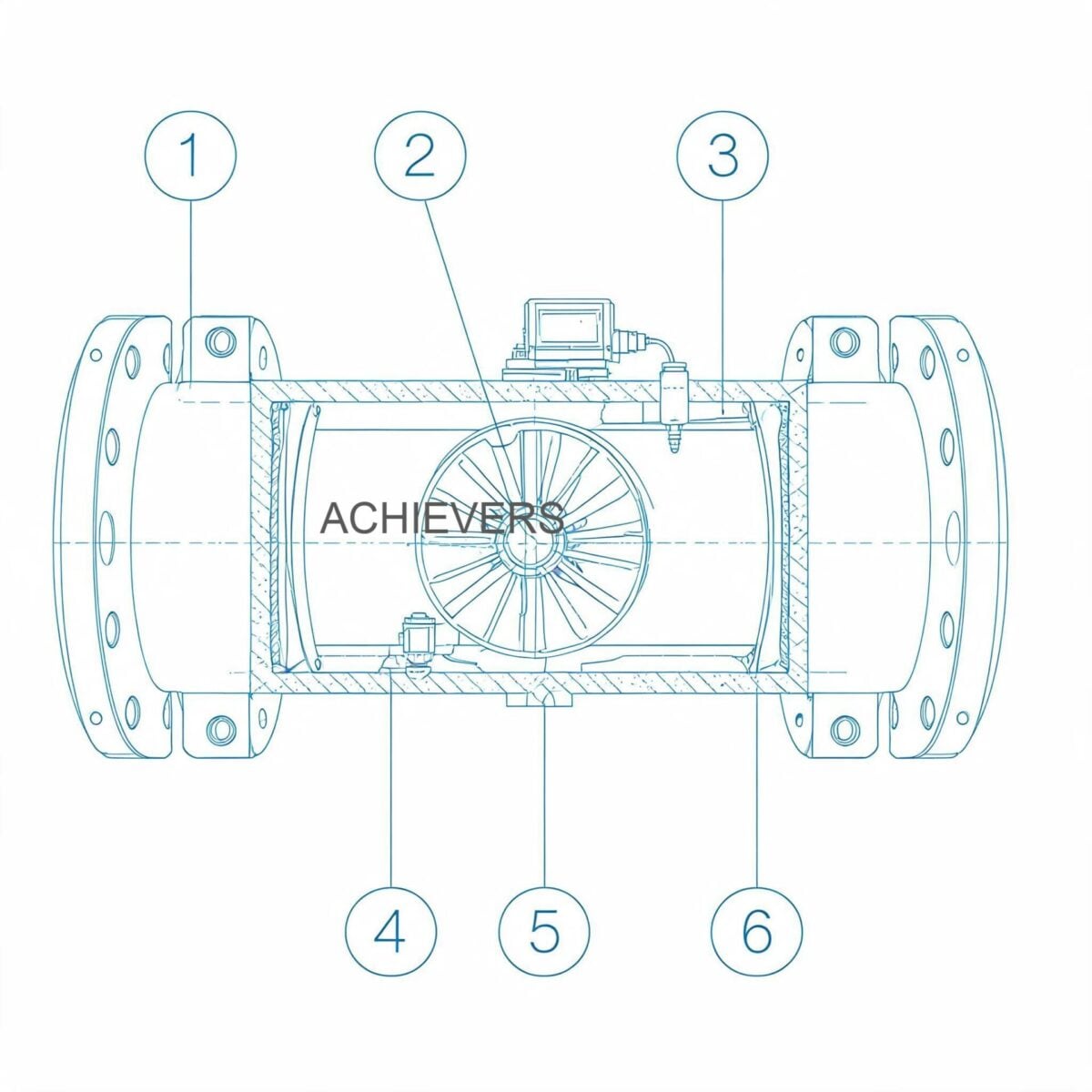
Cross-section diagram of an automatic fuel nozzle showing the Venturi vacuum tube, main poppet valve, diaphragm assembly, and 13/16 inch spout sensing port

Technology Comparison: Dispensing Nozzle Types

Understanding the specific technology in your hands dictates your troubleshooting approach. Below is an engineering comparison of the primary nozzle technologies used in Indian industrial fluid transfer.

ParameterAutomatic Shutoff NozzlesMetered Nozzles (Digital/Mechanical)Manual Nozzles
:—:—:—:—
Shutoff MechanismVenturi-actuated mechanical tripManual or preset batching shutoffOperator dependent (manual release)
Flow Rate CapacityHigh (e.g., 0-60 L/min)Moderate to High (0-60 L/min)Very High (up to 100+ L/min)
Pressure DropModerate (due to Venturi restriction)High (due to metering gear/turbine)Low (straight bore)
Complexity & MaintenanceMedium (diaphragm and sensing tube care)High (battery, calibration, gears)Low (simple poppet and spring)
Best ApplicationFleet fueling, blind tank fillingCustody transfer, exact fuel loggingHigh-viscosity oils, gravity fed tanks
Typical Cost (INR)₹3,000 – ₹8,000₹8,000 – ₹25,000₹1,500 – ₹4,000

Product Specifications Summary (Achivers Brand)

Before diagnosing, ensure your system parameters do not exceed the design specifications of the Fuel Nozzles. Pushing a standard nozzle beyond its rated pressure will lead to immediate diaphragm rupture or poppet valve failure.

  • Inlet Thread: BSP 3/4" (British Standard Pipe, highly common in India)
  • Spout Diameter: 13/16"
  • Volumetric Flow Rate: 0 – 60 Liters per minute (L/min)
  • Maximum Operating Pressure: 0.18 MPa (approx. 1.8 Bar or 26.1 PSI)
  • Insulator Color: Red (Standard for Diesel/Petrol identification)
  • Net Weight: 1.14 kgs/pc

"When to Use This Technology" Decision Matrix

  • Use Automatic Shutoff Nozzles when: Filling earthmoving equipment, DG (Diesel Generator) sets, or transport trucks where the operator cannot visually monitor the fluid level inside the tank, preventing overflow.
  • Use Digital Metered Nozzles when: Dispensing from Mobile Diesel Dispensers where point-of-use volumetric tracking is required for cost allocation, bypassing the need for a separate inline flow meter.
  • Use Manual Nozzles when: Transferring highly viscous fluids (like gear oils) that do not generate enough velocity to trigger a Venturi vacuum, or in gravity-fed systems with pressure below 0.5 Bar.

2. Troubleshooting Matrix

Industrial environments introduce variables that cause premature wear. Suspended particulate matter (dust), water-contaminated diesel, and voltage fluctuations causing aggressive pump surging all take their toll. Use the following diagnostic matrix to isolate symptoms.

SymptomLikely CauseDiagnosis StepsCorrective Action
:—:—:—:—
1. Continuous Slow FlowClogged inline strainer or spout mesh.Inspect the 3/4" BSP inlet mesh and the tip of the spout for debris/sludge.Remove and clean strainer with solvent; blow out with compressed air.
2. Auto-Shutoff Triggers PrematurelySplash-back in the filler neck or blocked sensing port.Check if fuel is foaming heavily. Inspect the tiny hole at the 13/16" spout tip.Reduce pump flow rate; clear sensing port with a soft wire or air blast.
3. Auto-Shutoff Fails (Overflows)Ruptured diaphragm or blocked Venturi tube.Listen for vacuum suction at the spout tip. Inspect diaphragm for tears.Replace the diaphragm assembly or clear the internal Venturi passage.
4. Dripping After ShutoffScored main poppet valve seat or weak return spring.Check if the lever returns fully. Disassemble and inspect the Teflon/Viton poppet seal.Replace the poppet valve O-ring/seal; ensure no grit is trapped on the seat.
5. Leakage at Swivel JointWorn swivel O-rings due to hose torsion.Wipe joint clean and observe during pressurized flow.Replace swivel O-rings and lubricate with lithium grease. Ensure hose is not binding.
6. Meter Display Blank (Metered Type)Dead battery or corroded PCB.Open battery compartment; check for moisture ingress (monsoon humidity).Replace batteries. Clean contacts. If PCB is corroded, replace the electronic head.
7. Erratic Volume ReadingAir entrainment in fuel or uncalibrated meter.Check for suction leaks on the pump side. Perform a bucket test.Fix pump suction leaks. Recalibrate the K-Factor of the digital meter.
8. Lever Stuck / Hard to PullMechanical binding or extreme over-pressure.Check system pressure gauge (must be < 0.18 MPa). Inspect latch pin for rust.Adjust pump bypass valve to reduce pressure. Lubricate lever fulcrum pin.
9. Clicking Noise but No FlowLatch spring broken or Venturi balls dislodged.Shake nozzle; listen for rattling. Inspect the trip mechanism inside the handle guard.Rebuild the latch mechanism using a manufacturer service kit.
10. Fuel Foaming ExcessivelyHigh velocity mixed with air leak.Observe fuel in a clear container. Check if the pump is cavitating.Lower the flow rate (keep below 60 L/min). Repair any upstream suction line air leaks.

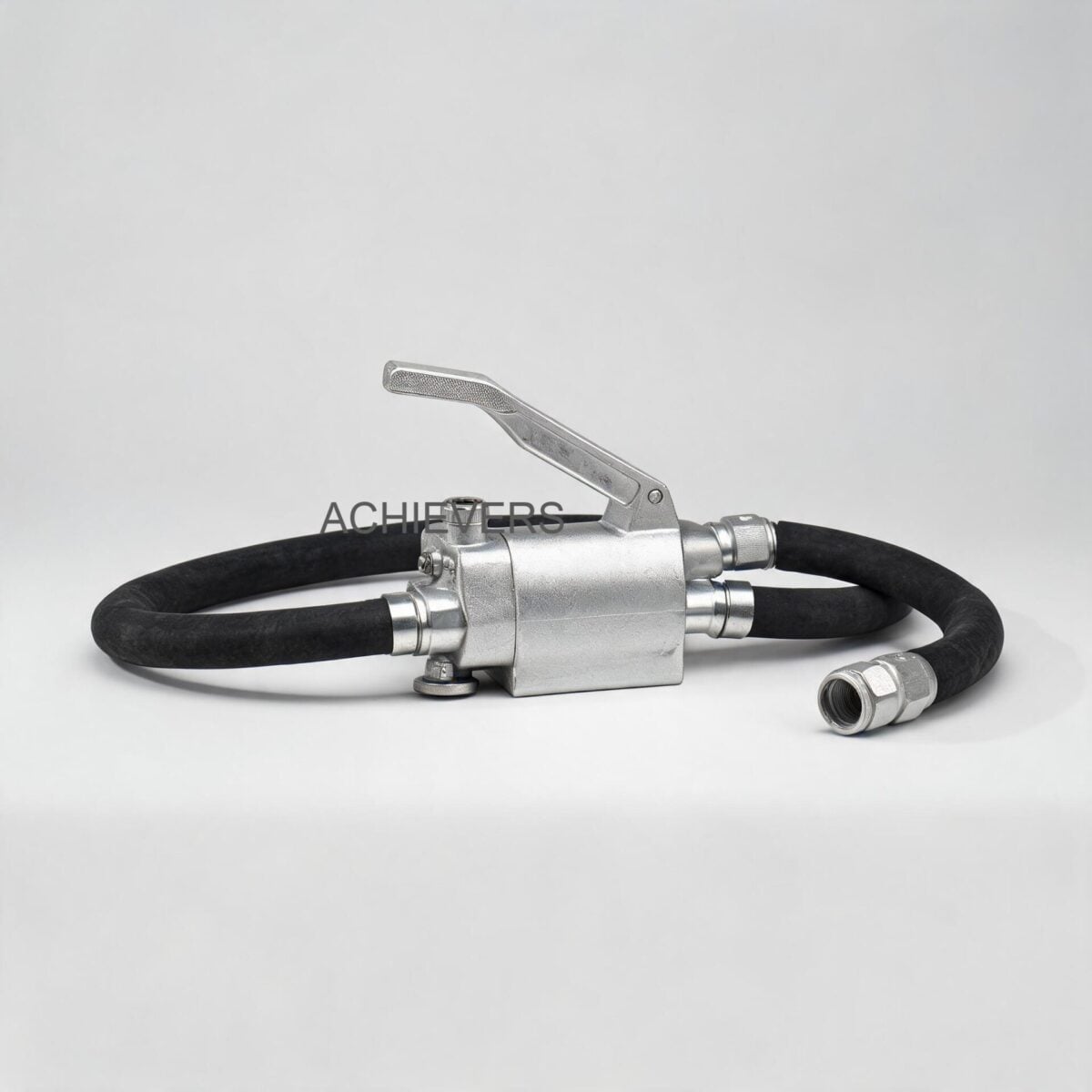
Internal schematic of a fuel nozzle identifying the main poppet valve, swivel joint O-rings, Venturi sensing tube, and digital flow meter turbine location

3. Step-by-Step Field Diagnosis Procedure

When an operator reports a fault, guessing the cause leads to unnecessary parts replacement. Follow this systematic engineering procedure to safely diagnose dispensing issues on site.

Tools Required:

Non-sparking wrenches (for hazardous areas), precision pick set (for O-rings), compressed air line (regulated to 30 PSI), clean measuring bucket (Legal Metrology approved 20L capacity), multimeter, and appropriate PPE.

Step 1: Isolate and Depressurize

Never disassemble a nozzle under pressure. Shut off the fuel transfer pump. Squeeze the nozzle lever into an empty container to relieve the 0.18 MPa line pressure. Lock out and tag out (LOTO) the pump power supply.

Step 2: Inspect the Swivel and Inlet Strainer

Using a wrench, disconnect the BSP 3/4" hose coupling. Extract the inline cone strainer located in the nozzle inlet. In Indian sites handling bulk diesel, this strainer is often clogged with rust flakes from underground storage tanks or fungal sludge. Clean it thoroughly. Inspect the swivel O-rings for flattening or cracking.

Step 3: Verify Upstream Pump Pressure

Before blaming the nozzle, attach an inline pressure gauge to the hose end. Briefly run the pump. If the deadhead pressure exceeds 0.18 MPa (approx. 26 PSI), the pump's internal bypass valve is set too high. Excess pressure makes the nozzle lever incredibly hard to pull and can tear the internal shutoff diaphragm.

Step 4: Examine the Spout and Sensing Port

Inspect the 13/16" spout. At the tip, there is a small sensing port (vacuum hole). In dusty environments like cement plants or coal mines, diesel wetted with dust turns into a hard clay-like substance, blocking this port. If blocked, the nozzle will never shut off automatically. Use a fine wire to gently clear the hole, followed by low-pressure compressed air.

Step 5: Test the Mechanical Latch and Diaphragm

With the pump off, pull the lever up. You should hear a distinct click as the poppet opens. Tap the spout firmly with the palm of your hand—the shock should cause the latch to release (simulating the diaphragm tripping). If it does not release, the internal latch is seized with rust or the diaphragm is torn, requiring a teardown.

Step 6: Teardown for Dripping Issues (Poppet Valve)

If the symptom is continuous dripping after shutoff, remove the top cap of the nozzle. Carefully extract the main spring and poppet valve. Inspect the rubber face of the poppet. A single grain of sand embedded in the rubber will break the seal. Clean the seat and replace the poppet seal if it is scored.

Step 7: Reassembly and Live Bucket Test

Reassemble the unit ensuring no O-rings are pinched. Turn the pump on. Dispense into a certified 20-liter test bucket. Ensure the flow is smooth (up to 60 L/min). Submerge the tip of the spout into the fuel intentionally; the nozzle must shut off within 0.5 seconds.

Step 8: Calibration of Digital Meter (If Equipped)

If you are using a nozzle with an integrated digital flow meter and the readings are drifting, you must recalibrate it. Environmental temperature changes alter diesel density, affecting turbine rotation.

Engineering Calibration Note: Dispense exactly 20.00 Liters into a calibrated test measure. Read the display. Apply the following correction formula:

New Calibration Factor = (Current Calibration Factor x Displayed Volume) / Actual Volume.

Input the new factor into the digital head to restore ±0.5% accuracy.

4. Installation and Setup Errors That Cause Ongoing Problems

Many B2B buyers purchase high-quality metering equipment but hand the installation over to untrained fitters. The majority of "defective equipment" claims stem from poor installation practices that fight against the physics of fluid transfer.

Installation ErrorResulting SymptomEngineering Correction
:—:—:—
1. Excessive Use of Teflon TapeTape shreds break off, entering the nozzle and jamming the main poppet valve open.Use a liquid, fuel-compatible thread sealant (like Loctite 567) on the BSP 3/4" threads instead of tape.
2. Missing or Seized Swivel JointHeavy torsion on the hose twists the nozzle, causing the operator to pry it, breaking the spout.Always install a high-quality multi-plane swivel between the hose and the nozzle inlet.
3. Oversized Transfer PumpFluid velocity exceeds 60 L/min or pressure exceeds 0.18 MPa; heavy foaming and premature shutoff.Install a pressure regulating bypass valve, or step down to a standard 50 L/min Diesel Flow Meter system.
4. Incompatible Hose MaterialsHose inner lining degrades in diesel, sending black rubber flakes into the nozzle strainer.Ensure the delivery hose is rated for petroleum products (typically NBR or Nitrile rubber lined).
5. Lack of Upstream FiltrationRapid scoring of the poppet valve and jamming of the digital turbine meter.Install a 10-micron particulate/water-absorbing filter at the pump discharge, before the hose.
6. Incorrect Spout Angle in TankVenturi sensing port rests against the side of the filler neck, blocking air flow.Train operators to insert the spout straight down, ensuring the 13/16" tip is centered in the pipe.

5. Preventive Maintenance to Avoid Recurrence

Reactive maintenance is expensive. In Indian industrial contexts, where equipment often runs 24/7 in harsh conditions, a strict preventive maintenance (PM) schedule will extend the life of a nozzle from 6 months to over 3 years.

  • Daily Visual Inspections: Operators must check for leaks at the BSP 3/4" thread and the swivel joint. Ensure the red insulator cover is intact; it protects the aluminum body from impact sparks if dropped—a critical safety feature in PESO-regulated explosive zones.
  • Weekly Cleaning: Wipe down the spout. Check the sensing port at the tip of the spout. In monsoon season, mud splashing onto the nozzle must be cleaned to prevent it from baking into the vacuum ports.
  • Monthly Strainer Checks: Isolate the line, remove the nozzle, and clean the inlet cone strainer. The quality of diesel delivered to remote Indian sites often contains high levels of suspended rust and water.
  • Bi-Annual Calibration (Metered Units): For nozzles with digital flow meters used to log consumption for inventory accounting, perform a bucket test every six months. Wear on the internal turbine blades will cause measurement drift over time.
  • Annual O-Ring Replacement: Swivel O-rings and poppet seals degrade due to the chemical makeup of diesel and extreme temperature fluctuations (summer heat expanding the metals and rubbers). Replace them annually using a genuine Achivers brand service kit.

An industrial operator in PPE correctly utilizing an automatic fuel nozzle to dispense diesel into heavy construction machinery, highlighting proper hose alignment and swivel usage

6. When to Call Service vs. Fix Yourself

Knowing when to perform a field repair and when to bench-test the unit saves significant engineering hours.

Field-Fixable Issues:

  • Cleaning the inlet strainer and the sensing port.
  • Replacing batteries and recalibrating the digital display.
  • Replacing standard BSP 3/4" swivel O-rings.
  • Adjusting pump bypass pressure to meet the 0.18 MPa requirement.

Require Factory Service or Complete Replacement:

  • Cracked Aluminum Body: If the nozzle is run over by a truck or dropped heavily, causing a hairline fracture in the body, it cannot be safely welded. It must be replaced to prevent explosive hazard leaks.
  • Ruptured Diaphragm/Seized Latch: While rebuild kits exist, recalibrating the tension spring for the automatic shutoff requires precision testing. If the auto-shutoff fails after cleaning the ports, it is highly recommended to replace the unit or send it to Lumen Instruments for professional bench testing.
  • Corroded PCB: If rainwater or fuel bypasses the digital meter seals and shorts the electronics, the metering head must be entirely replaced.

FAQ

Q: Can I use this nozzle for dispensing highly viscous engine oil?

A: Automatic shutoff nozzles are designed for low-viscosity fluids like diesel and gasoline (up to approx. 10-15 cSt). Highly viscous motor oil will not generate the required velocity to trigger the Venturi vacuum. Use a manual nozzle or a specialized oil dispensing nozzle instead.

Q: My nozzle constantly clicks off after only a few seconds of pumping. What is wrong?

A: This is usually caused by splash-back in the tank filler neck hitting the sensing port, or the pump flow rate is too high (exceeding 60 L/min), causing fuel to foam aggressively. Try reducing the pump flow rate or adjusting the angle of insertion.

Q: What thread standard does the nozzle use, and how should I seal it?

A: The standard inlet thread is BSP 3/4" (British Standard Pipe). You should use a high-quality, fuel-resistant liquid thread sealant. Avoid standard white Teflon tape, as it can shred, enter the fluid stream, and hold the internal valve open.

Q: Are these nozzles certified by the Legal Metrology Department of India?

A: The nozzles themselves are dispensing endpoints. If you require Legal Metrology certification for commercial sale (custody transfer), the entire dispensing system (pump, air eliminator, precision flow meter, and nozzle) must be evaluated and stamped as a complete unit.

Q: What is the maximum operating pressure the nozzle can handle?

A: The specified maximum operating pressure is 0.18 MPa (approximately 26.1 PSI). Exceeding this pressure can make the lever impossible to pull, blow out the O-rings, or permanently damage the internal shutoff diaphragm.

Q: Why does my metered nozzle show a flow rate, but the actual dispensed amount is less?

A: This indicates a calibration drift or air entrainment in your suction line. Air bubbles passing through the turbine will spin it, counting volume that is actually just air. Fix any suction side leaks, then recalibrate the K-factor.

Q: How do I maintain the nozzle during the Indian monsoon season?

A: Moisture and high humidity can cause the internal latching pins to rust if water enters the spout. Ensure the nozzle is holstered properly pointing downwards in a weatherproof dispenser boot when not in use, and keep the sensing port clear of wet mud.

For custom-designed fluid transfer solutions, B2B bulk orders, or specific technical troubleshooting of your dispensing systems, contact our engineering team. Please provide your required flow rate, fluid type, operating pressure, and site conditions so we can specify the exact Fuel Nozzles and dispensing accessories for your facility's needs.

Fuel Transfer Pumps Maintenance Guide: Preventive Checks to Sustain Flow Rate and Motor Life

The financial penalty of an unplanned fluid transfer failure extends far beyond the cost of replacement hardware. When diesel transfer systems go offline, entire operations—from heavy earth-moving machinery in open-pit mines to emergency backup generators in data centers—grind to a halt. While Fuel Transfer Pumps are engineered for rugged, off-grid reliability, they are not immune to the fundamental laws of fluid dynamics, friction, and thermal stress. Treating these critical assets as "install and forget" equipment inevitably leads to diminished flow rates, cavitation, seal degradation, and premature motor burnout.

To sustain optimal volumetric efficiency and protect the direct-current (DC) permanent magnet motors driving these systems, plant engineers and maintenance managers must implement highly structured preventive checks. A rigorous maintenance protocol mitigates the effects of fluid contamination, dead-heading, and thermal overload. This guide delivers an instrumentation-level approach to maintaining Fuel Transfer Pumps, detailing suction integrity analysis, strainer servicing, bypass valve diagnostics, and duty-cycle management to ensure your fluid transfer infrastructure operates at peak precision worldwide.

1. Product Overview and Critical Wear Components

Industrial Fuel Transfer Pumps for diesel and kerosene are predominantly self-priming, positive displacement rotary vane pumps. Unlike centrifugal pumps, which rely on fluid velocity and struggle with aeration, positive displacement vane pumps generate distinct fluid cavities, allowing them to pull a strong suction vacuum (typically 2 to 4 meters of lift) and handle varied fluid viscosities.

The core architecture consists of an eccentric cast iron pump body finished with anti-corrosion paint, housing a sintered steel rotor. Slotted within this rotor are acetal resin vanes. As the rotor turns (up to 2800 RPM in standard 12V/24V models), centrifugal force pushes the vanes outward against the internal cam ring, trapping fluid and sweeping it from the inlet to the discharge port.

Because these internal components rely on tight mechanical tolerances to prevent fluid slip, they are highly susceptible to particulate damage and abrasive wear.

Fuel Transfer Pumps with labeled components highlighting parts that require regular maintenance

Mechanical and Electrical Specifications

Understanding the exact operational limits of your specific hardware is the foundation of preventive maintenance. Operating outside these parameters accelerates wear exponentially.

Specification ParameterCE-40DC SeriesCE-70-A-DC SeriesCE-80-DC Series
:—:—:—:—
Pump MechanismRotary VaneRotary VaneRotary Vane
Max Flow Rate40 L/min70 L/min80 L/min (System max up to 120 L/min)
Operating Voltage12V / 24V DC12V / 24V DC12V / 24V DC
Current DrawLow (Specific to load)4A44A (12V) / 21A (24V)
Inlet / Outlet Ports3/4 Inch3/4 Inch1 Inch
Max Suction Lift2-4 meters2-4 meters2-4 meters
Max Head Pressure~10 meters10 meters10-15 meters
Motor Duty Cycle30 Minutes Intermittent30 Minutes Intermittent30 Minutes Intermittent
Motor ProtectionIP55IP55IP55
Rotor / VanesSintered Steel / Acetal ResinSintered Steel / Acetal ResinSintered Steel / Acetal Resin

Technology Comparison: Transfer Pump Topologies

To optimize your fueling infrastructure, it is critical to understand how rotary vane DC pumps compare to other transfer technologies available in the global market.

ParameterDC Rotary Vane (Target Technology)AC CentrifugalPneumatic Diaphragm (AODD)Gear Pump (Positive Displacement)
:—:—:—:—:—
Best ForMobile fleet fueling, diesel, keroseneBulk water/chemical transfer, high volumeHighly abrasive fluids, explosive zones (ATEX)High-viscosity oils, heavy lubricants
Self-PrimingExcellent (Dry prime up to 2m)Poor (Requires flooded suction)ExcellentGood (But prefers wet prime)
Viscosity LimitLow to Medium (Diesel, light oils)Low (Water-like fluids only)High (Can handle slurries)Very High (Gear oils, resins)
Flow ConsistencySmooth, continuous flowSmooth, dependent on head pressurePulsating flowSmooth, highly accurate
Shear SensitivityMedium shearHigh shearLow shearHigh shear
Maintenance NeedVane replacement, strainer checksMechanical seal replacementDiaphragm / check valve replacementGear clearance checks

"When to Use This Technology" Decision Matrix

  • IF you require mobile, off-grid fuel transfer from a vehicle battery (12V/24V) AND the fluid is diesel or kerosene AND you need self-priming capabilities, THEN USE DC Rotary Vane Fuel Transfer Pumps.
  • IF you are transferring highly viscous gear oils or bunker fuel, THEN USE Positive Displacement Gear Pumps.
  • IF you are emptying bulk storage tanks at a fixed facility with access to grid power and require flow rates exceeding 500 L/min, THEN USE AC Centrifugal Transfer Pumps.
  • IF you need highly precise custody-transfer measurement of the fluid being moved, pair your transfer pump with Positive Displacement Flow Meters to eliminate flow profile dependencies.

2. Preventive Maintenance Schedule

Implementing a robust Fuel Transfer Pumps preventive maintenance checklist for industrial diesel transfer systems is the most effective way to guarantee the longevity of the IP55-rated motor and the sintered steel rotor. DC transfer pumps operate on a strict 30-minute intermittent duty cycle. Failure to enforce this operational limit, alongside neglecting strainer maintenance, causes 85% of premature equipment failures.

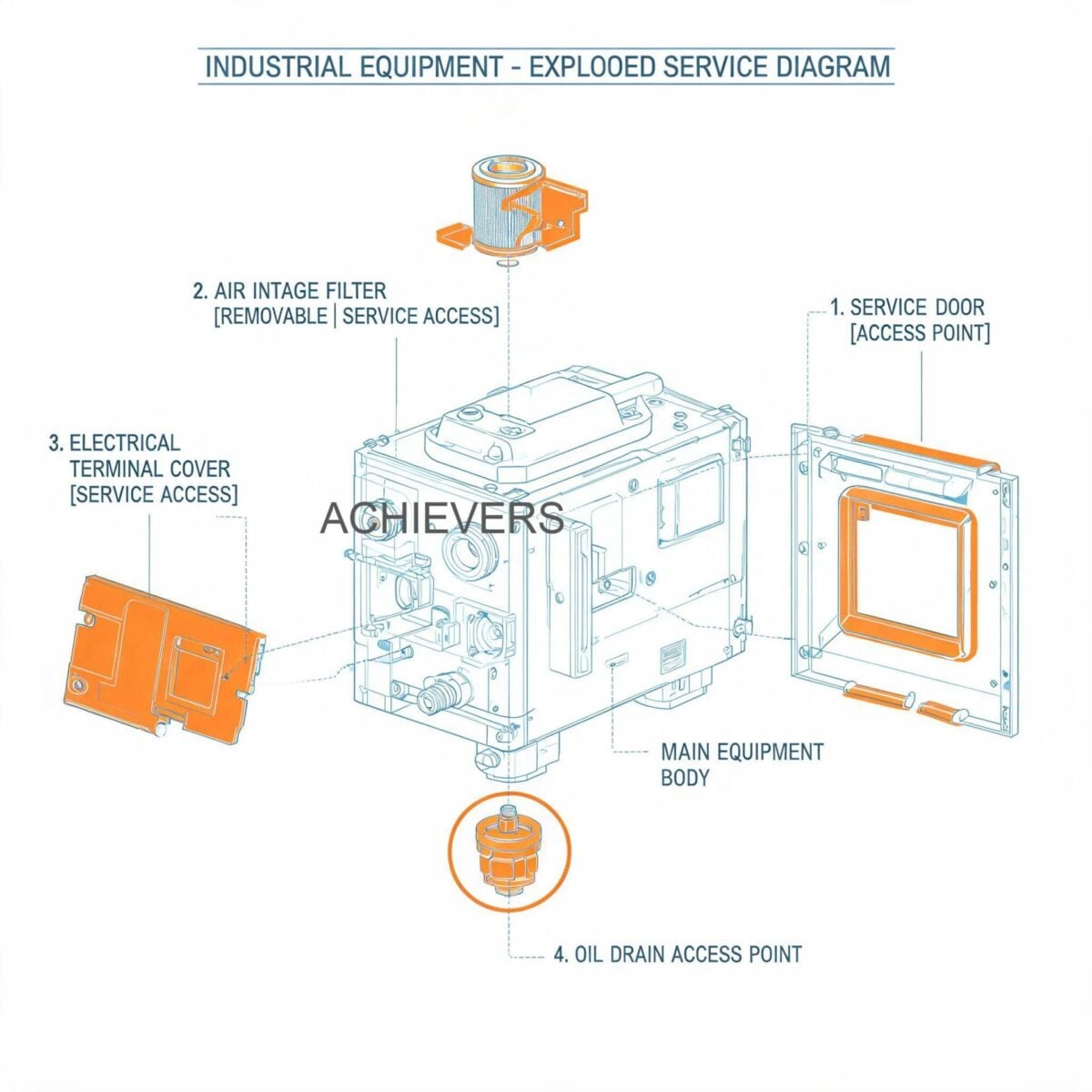
Technical diagram or exploded view of Fuel Transfer Pumps showing service access points and replaceable components

TaskFrequencyResponsible PartyEst. TimeEngineering Notes & Tolerances
:—:—:—:—:—
Visual Leak InspectionDaily / Pre-useOperator2 MinsInspect cast-iron body joints, 3/4" or 1" inlet/outlet threads, and pump-to-motor shaft seal for diesel weepage.
Duty Cycle VerificationDailyOperatorN/AEnsure motor is never run past its 30-minute thermal limit to protect IP55 stator windings.
Inlet Strainer CleaningWeekly (or 5,000 L)Maintenance Tech10 MinsBuilt-in strainer must be cleared of rust/silica. Blockage causes cavitation and destroys acetal resin vanes.
Suction Line Vacuum TestMonthlyMaintenance Tech15 MinsVerify suction lift remains within 2-4 meters. Excessive vacuum indicates suction blockage or collapsed hose.
Electrical Terminal CheckMonthlyElectrician10 MinsCheck 12V/24V DC terminal lugs for oxidation. Voltage drop increases amperage, causing motor overheating.
Bypass Valve InspectionBi-MonthlyMaintenance Tech20 MinsEnsure internal bypass poppet is free-moving. A stuck valve will dead-head the pump, blowing seals.
Flow Rate / Efficiency CheckQuarterlyReliability Eng.15 MinsClock the fill rate into a known volume. Flow degradation >15% indicates vane wear.
Vane & Rotor InspectionSemi-AnnuallyMaintenance Tech45 MinsRemove faceplate. Check acetal resin vanes for chipping or binding in the sintered steel rotor slots.
Motor Brush InspectionAnnuallyElectrician30 MinsInspect carbon brushes on the DC motor for wear. Replace if length is below manufacturer minimum.
Bearing LubricationFactory SealedN/AN/ABearings are factory lubricated for life; inspect only for excessive lateral shaft play or grinding noise.

Engineering Formula: Tracking Volumetric Efficiency

To proactively detect internal wear before total failure occurs, instrumentation engineers track the pump's Volumetric Efficiency (Ev). As the acetal resin vanes wear down, high-pressure fluid slips back into the low-pressure suction zone (internal slip).

Volumetric Efficiency (%) = (Actual Flow Rate / Theoretical Flow Rate) * 100

  • Theoretical Flow Rate: Stated manufacturer spec (e.g., 80 L/min for CE-80-DC at 0 meters head).
  • Actual Flow Rate: Measured output using a calibrated stopwatch and proving can, or verified via inline Diesel Flow Meters.
  • Internal Slip Rate: Q_slip = Q_theoretical – Q_actual.

If volumetric efficiency drops below 80% (e.g., a 70 L/min pump is only delivering 55 L/min), the pump requires immediate faceplate removal to inspect the vanes and cam ring for grooving.

3. Step-by-Step Procedures for Key Tasks

Adhering to strict Fuel Transfer Pumps service procedure specifications for manufacturers and plant engineers ensures that maintenance does not inadvertently introduce contaminants or damage precision components.

Procedure 1: Built-In Strainer and Suction Filter Cleaning

The die-cast aluminum pump body features a built-in strainer designed to protect the rotor. A clogged strainer restricts fluid entry, causing the fluid to vaporize under low pressure (cavitation), which violently pits the metal rotor.

  1. Isolate Power: Disconnect the 12V or 24V DC electrical supply to ensure the pump cannot accidentally actuate.
  2. Depressurize the System: Open the manual or automatic dispensing nozzle to relieve any residual static head pressure in the discharge hose.
  3. Isolate Fluid: Close the suction and discharge isolation valves (if installed on the tank configuration).
  4. Access the Strainer Chamber: Locate the strainer access cap (usually a hex bolt or threaded cap near the inlet port). Use a properly sized wrench to prevent rounding the brass or aluminum fittings.
  5. Remove the Strainer Mesh: Carefully extract the cylindrical wire mesh screen. Inspect it against a light source to identify embedded particulates, biological growth (diesel bug), or rust.
  6. Clean the Mesh: Wash the strainer in a clean solvent bath (clean diesel or mild parts washer). Use a soft bristle brush. Never use compressed air blowing inward, and never use a wire brush, as this distorts the micron rating of the mesh.
  7. Inspect O-Rings: Examine the strainer cap O-ring for flattening, chemical swelling, or cracking. Replace if compromised to prevent air ingress on the suction side.
  8. Reassemble and Prime: Reinstall the strainer, tighten the cap to specified torque, open isolation valves, and briefly run the pump to purge air and re-establish prime.

Procedure 2: Internal Bypass Valve Inspection

The bypass valve protects the pump when the nozzle shuts off but the motor continues to run. It recirculates the fluid internally. If this valve sticks closed, the pump dead-heads, pressure spikes, and the motor burns out.

  1. Safety Lockout: Disconnect the power supply entirely.
  2. Locate Bypass Housing: Identify the bypass valve cap on the pump body (typically located on a parallel channel between the discharge and suction sides).
  3. Remove Cap and Spring: Unscrew the cap carefully; it is under spring tension. Remove the heavy-duty bypass spring.
  4. Extract the Poppet Valve: Remove the poppet valve mechanism. If it is stuck, do not use excessive force; use penetrating oil and gently work it loose.
  5. Inspect for Scoring: Check the sides of the poppet and the internal machined bore for scoring, which indicates particulate damage preventing smooth travel.
  6. Clean Components: Wipe down the poppet and bore with a lint-free shop rag and clean diesel.
  7. Test Spring Tension: Compress the spring manually. If it feels excessively soft or is physically shortened, it has lost its structural integrity and will bypass prematurely, reducing your flow rate. Replace if out of spec.
  8. Reassemble: Apply a light film of clean fluid to the poppet, insert it into the bore, align the spring, and thread the cap back on securely.

4. On-Site Spare Parts to Stock

To minimize downtime in remote industrial or agricultural applications, facilities should maintain a specific inventory of consumable components. Relying on "just-in-time" shipping for critical infrastructure is an unacceptable risk for high-stakes fueling operations.

Part DescriptionComponent TypeRecommended Stock QtyReplacement Trigger
:—:—:—:—
Acetal Resin VanesWear Part / Consumable2 sets per pumpVolumetric efficiency drop >15%, physical chipping, or every 2 years.
Vitam / NBR O-Ring KitSealing / Consumable3 sets per pumpAnnual replacement, or whenever a housing/cap is opened.
Internal Strainer MeshFiltration1-2 per pumpMesh becomes torn, permanently deformed, or irretrievably fouled.
Bypass Valve SpringMechanical1 per facilityPremature bypassing (low flow rate) or localized corrosion.
DC Motor Carbon BrushesElectrical / Wear2 sets per pumpMotor draws high amperage, runs erratically, or brush length is worn past the indicator line.

5. Diagnosing Maintenance-Related Failures

Even with a strong preventive protocol, external variables like fuel quality can induce faults. This Fuel Transfer Pumps supplier maintenance guide for B2B buyers empowers on-site personnel to rapidly trace symptoms back to their mechanical or electrical root causes.

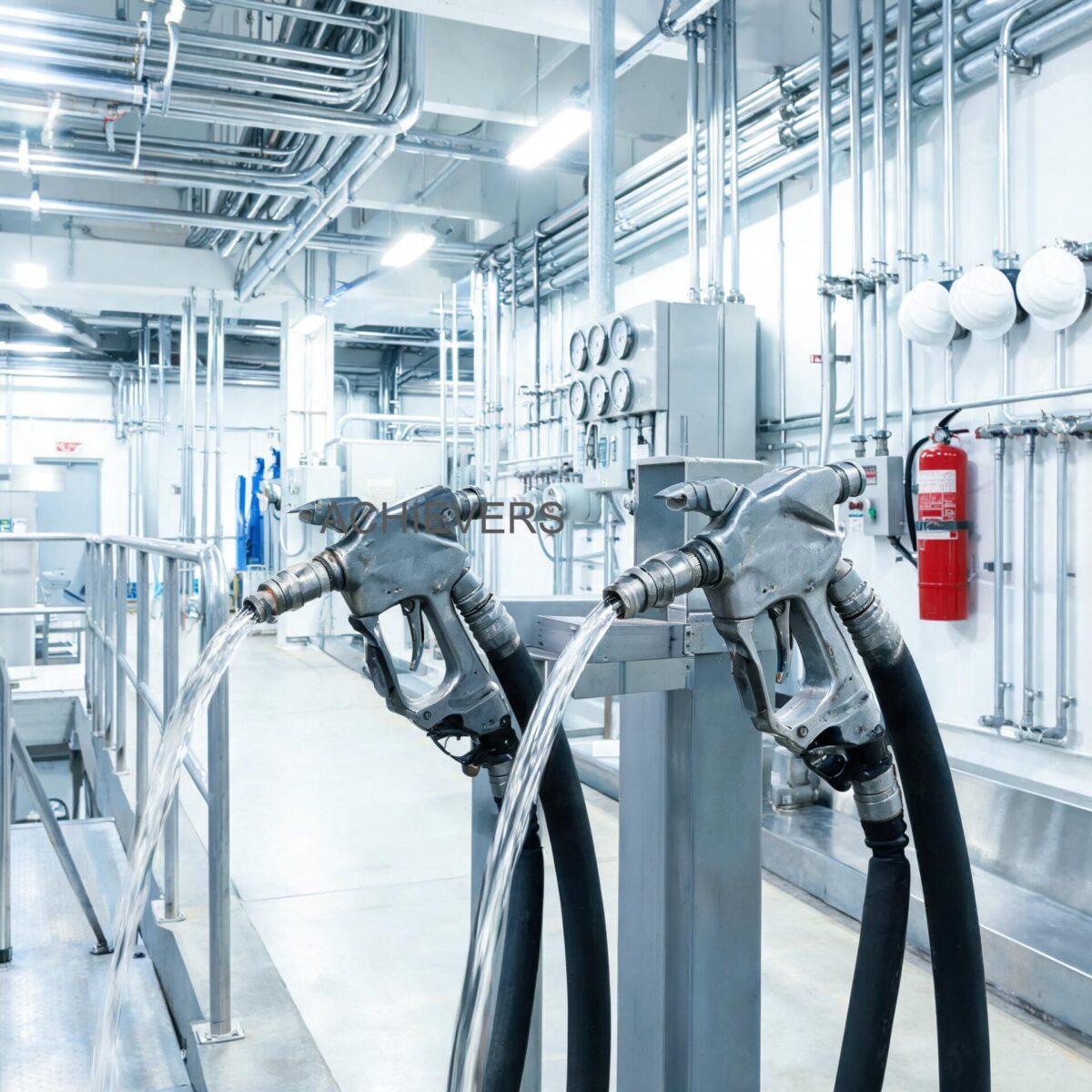
Fuel Transfer Pumps operating productively at a global industrial site with proper housekeeping and maintenance

Failure SymptomMost Likely Missed Maintenance TaskEngineering Root Cause & Corrective Action
:—:—:—
Motor runs but pumps no fluidVane inspection / Suction checkVanes are jammed in the rotor slots due to swelling or debris. Clean rotor and replace vanes. Alternatively, severe suction air leak.
Flow rate is significantly reducedStrainer cleaning / Bypass checkClogged suction strainer is starving the pump, or a weakened bypass spring is allowing fluid to recirculate internally at low pressures.
Pump is excessively noisy / rattlingSuction line vacuum checkPump is cavitating due to restricted suction (collapsed hose, clogged filter, or lift exceeding 4 meters). Clear suction path immediately.
Motor casing is dangerously hotDuty cycle enforcementThe 30-minute intermittent duty cycle has been exceeded. Let motor cool completely. Prolonged heat destroys IP55 stator insulation.
Fluid leaking from pump shaftShaft seal inspectionMechanical shaft seal has failed, likely due to prolonged dead-heading (running with nozzle closed) or abrasive particulate wear.
Pump blows DC fuses repeatedlyElectrical terminal & Brush checkMotor is pulling excessive current (locked rotor). Inspect for physical jamming in the pump head or shorted electrical windings.

6. Extending Service Life in Harsh Environmental Conditions

Operating fuel transfer systems in extreme global environments—from sub-zero North American oil fields to dusty, high-humidity mining sites in the Asia-Pacific—requires adapting standard maintenance protocols to combat aggressive environmental stressors. Global maintenance planners often reference rigorous benchmarks, such as the Fuel Transfer Pumps maintenance schedule in India for industrial fueling operations, to design protocols capable of withstanding extreme ambient heat and monsoonal humidity.

High Ambient Temperatures & Duty Cycles:

The 30-minute duty cycle is calibrated for standard atmospheric conditions. In environments where ambient temperatures exceed 40°C (104°F), the die-cast aluminum housing loses its ability to dissipate heat effectively. Plant engineers should derate the duty cycle to 20 minutes of continuous operation, followed by an equal or longer cooling period, to protect the permanent magnet stator.

High-Particulate & Dusty Environments:

Fine airborne silica can bypass poorly sealed fuel tank breathers, entering the diesel. When this abrasive dust is sucked through the pump, it scores the cast-iron pump body and sintered steel rotor. In mining and agricultural setups, it is critical to install heavy-duty, moisture-absorbing desiccant breathers on the bulk storage tanks to pre-filter the air entering the system.

Cold Weather Viscosity Changes:

While these pumps easily handle standard diesel and kerosene, low temperatures cause diesel to gel, drastically increasing its kinematic viscosity. Pumping high-viscosity, gelled diesel places immense torque strain on the DC motor and can cause the internal bypass valve to force open prematurely. Ensure winterized diesel blends are used, or utilize tank heaters to keep fluid viscosity within the pump’s design specifications.

Voltage Drops in Field Applications:

Because these pumps run on 12V or 24V DC systems, they are highly sensitive to voltage drops caused by long cable runs. If a pump is mounted 10 meters away from the vehicle battery with inadequate gauge wire, the voltage drop will cause the motor to overdraw current (Amps) to compensate, leading to rapid overheating. Always use manufacturer-specified wire gauges for extensions.

FAQ

Q: Can I run this transfer pump continuously if I install external cooling fans?

A: No. The motors are strictly designed for a 30-minute intermittent duty cycle. Even with external air movement, the internal thermal mass of the permanent magnet stator and windings will accumulate heat rapidly, leading to insulation failure and permanent motor damage.

Q: What is the maximum suction lift, and what happens if I exceed it?

A: The recommended maximum suction lift is 2 to 4 meters, depending on the fluid's specific gravity and viscosity. Exceeding this limit lowers the Net Positive Suction Head available (NPSHa) below what the pump requires, leading to severe cavitation, which sounds like marbles passing through the pump and will destroy the internals.

Q: Can these DC vane pumps be used to transfer gasoline or aviation fuel?

A: Absolutely not. These specific pumps are designed for diesel, kerosene, and light fuel oils. Pumping highly volatile fluids like gasoline requires ATEX/UL-listed explosion-proof equipment. Using standard DC pumps for gasoline presents a severe fire and explosion hazard.

Q: Why does the bypass valve exist if the pump has an automatic shut-off nozzle?

A: The bypass valve is a critical safety mechanism. When the automatic nozzle clicks closed, the pump motor continues spinning. Without the bypass valve to recirculate the fluid internally, the trapped fluid would instantly create massive hydraulic pressure, bursting seals, hoses, or stalling and burning out the DC motor.

Q: How often should I replace the acetal resin vanes?

A: Vane wear depends heavily on fluid cleanliness and runtime. In clean diesel applications with proper strainer maintenance, vanes can last several years. However, you should inspect them annually or replace them immediately if you notice a 15% or greater drop in volumetric efficiency.

Q: Does the orientation of the pump installation matter?

A: The versatile design allows for flexible installation on "L" shaped tanks and various mounts. However, it is best practice to install the pump horizontally to ensure even wear on the factory-lubricated bearings and to maintain optimal alignment of the bypass poppet valve gravity assist.

Q: Why is my pump drawing higher amperage than stated in the specifications?

A: High current draw (e.g., pulling more than 44A on a 12V CE-80-DC model) typically indicates mechanical binding. Check for swollen vanes, a clogged discharge filter causing high head pressure, or failing motor bearings. Alternatively, check for low supply voltage, which forces the motor to draw more amps to generate the required wattage.

If you are experiencing flow degradation or are planning an upgrade to your industrial fueling infrastructure, proactive equipment selection is critical. Contact our technical team today with your required flow rate, fluid type, and site power constraints so we can engineer a Fuel Transfer Pump configuration perfectly matched to your operational demands.

Top benefits of our diesel dispensers

One of the best solutions for control on consumption of fuel and pilferaging, Diesel Dispenser is integrated with a placement displacement flow sensor for high accuracy in measurements. All diesel dispensers are capable of operating in a wide range of temperature with no damage. The entire construction of the diesel dispenser is done ruggedly so that it can sustain easily harsh environmental conditions. These dispensers are suitable for use in the company who own their cars, forklifts, buses and cranes in their premises. There are installed large capacity reusable filters in these dispensers for filtering fuel before dispensing.

Features:

High capacity pump
High accuracy P. D. Flow Sensor for measurement.
Auto shut off nozzle for tank top up.
Resettable Batch and Cumulative Totaliser.
Rugged construction to suit harsh environments
Model CE-204
Max Flow Rate 60 LPM to 200 LPM

Read More

diesel dispenser

Our Product Quality – Reliable Products

As a quality-oriented enterprise, we ensure to manufacture our products in compliance with the international quality standards. Offered products are manufactured using the finest quality components that are sourced from authentic vendors of the industry. We have developed an in-house quality-testing unit to carry out stringent quality inspection procedures. By executing stringent quality processes, our quality personnel cautiously carry out production process and ensure the final products stand high on quality and reliability.

Read More