
Operating remote power generation facilities—whether for off-grid mining operations, islanded microgrids, telecom towers, or critical offshore platforms—presents a unique set of logistical and engineering hurdles. Among the most critical is fuel management. In these environments, diesel is not just an operational expense; it is the lifeblood of the facility. Unmonitored fuel transfer, inadequate filtration, and inaccurate logging at the generator day-tank level lead to massive OPEX leaks through spillage, thermal expansion miscalculations, and unauthorized skimming.
For EPC contractors and O&M managers, relying on rudimentary gravity-fed hoses or uncalibrated transfer pumps is an unacceptable risk. Industrial-grade Diesel Dispensers bridge the gap between bulk storage and generator day tanks, providing rigorous access control, high-accuracy metering, and verifiable digital issue tracking. By treating fuel dispensing as a highly controlled instrumentation node, plant managers can enforce accountability and eliminate the "blind spots" in their fuel consumption models.
1. Industry Overview: The Fluid Challenge
Handling middle distillates like diesel in remote industrial environments requires specialized instrumentation. Diesel is a Newtonian fluid, but its physical properties fluctuate significantly based on ambient global site conditions. In extreme cold, paraffin wax precipitation alters kinematic viscosity and threatens to bind mechanical metering elements. In high-heat desert environments, thermal expansion alters the fluid density, meaning a dispensed volumetric liter at 45°C contains less combustible mass than one at 15°C.
Furthermore, remote generator refueling sites often suffer from severe particulate contamination. Dust, ingress moisture, and microbial growth in bulk tanks create abrasive conditions that can destroy tight-tolerance metering chambers. Relying on basic commercial fuel pumps often results in catastrophic meter failure or significant drift in measurement accuracy. Industrial Diesel Dispensers are engineered specifically to combat these environmental variables, featuring advanced electromagnetic compatibility, integrated filtration, and resilient internal flow meters capable of handling variable viscosity while maintaining precise volumetric accounting.
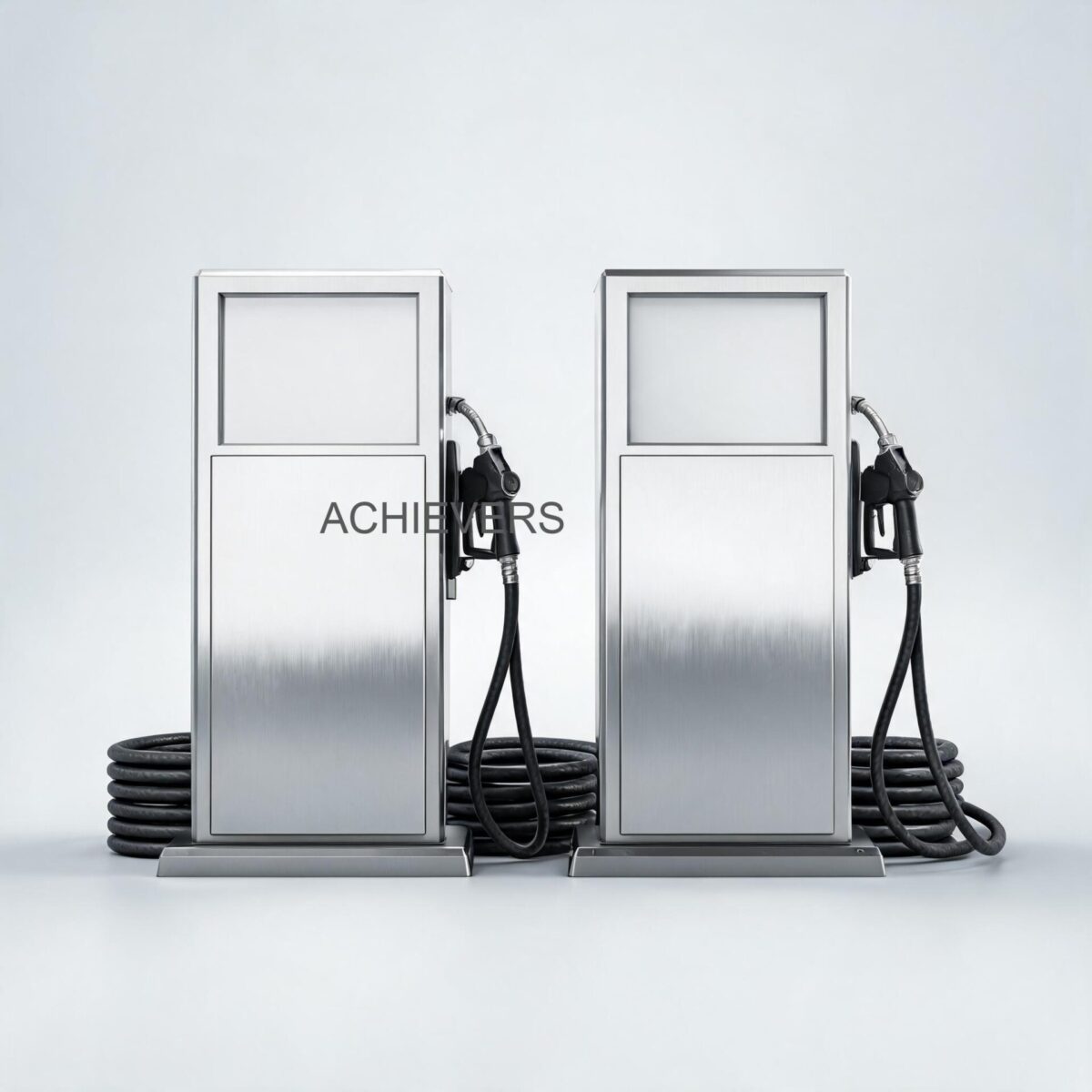
2. Product Capabilities Matched to Industry Needs
Selecting the correct dispensing equipment requires mapping plant operational requirements directly to technical capabilities. The following table outlines how modern dispensing units resolve common O&M challenges.
| Industry Requirement | Dispenser Feature / Model Variant | How It Addresses the Need |
| :— | :— | :— |
| Grid-Independent Power | 12V DC / 24V DC Powered Options | Allows operation directly from truck batteries or standalone solar-charged battery banks in off-grid locations. |
| High-Volume Refueling | 220V AC Powered Units (e.g., CE-204) | Provides continuous, high-flow transfer for rapid replenishment of large multi-megawatt generator day tanks. |
| Variable Deployment | Wall, Tank, or Platform Mountable | Adapts to structural constraints; can be bolted directly to bulk tanks or installed on customized ground pedestals. |
| Mobile Service Routes | Mobile / Truck Diesel Dispensers | Facilitates "milk-run" refueling models where a single service truck replenishes multiple dispersed generator sets. |
| Space Constraints | Hose Reel Integration | Keeps high-pressure transfer hoses managed and protected from environmental degradation and accidental severing. |
| Security & Theft Prevention | Electronic Control Boards | Limits pump activation strictly to operators holding authorized digital credentials or RFID access. |
| Data Reconciliation | PC Network Integration | Automatically logs every dispensing cycle, operator ID, and exact volume directly to a central management computer. |
| Harsh Electrical Environments | High Electromagnetic Compatibility | Prevents variable frequency drives (VFDs) and high-voltage generator fields from corrupting electronic meter signals. |
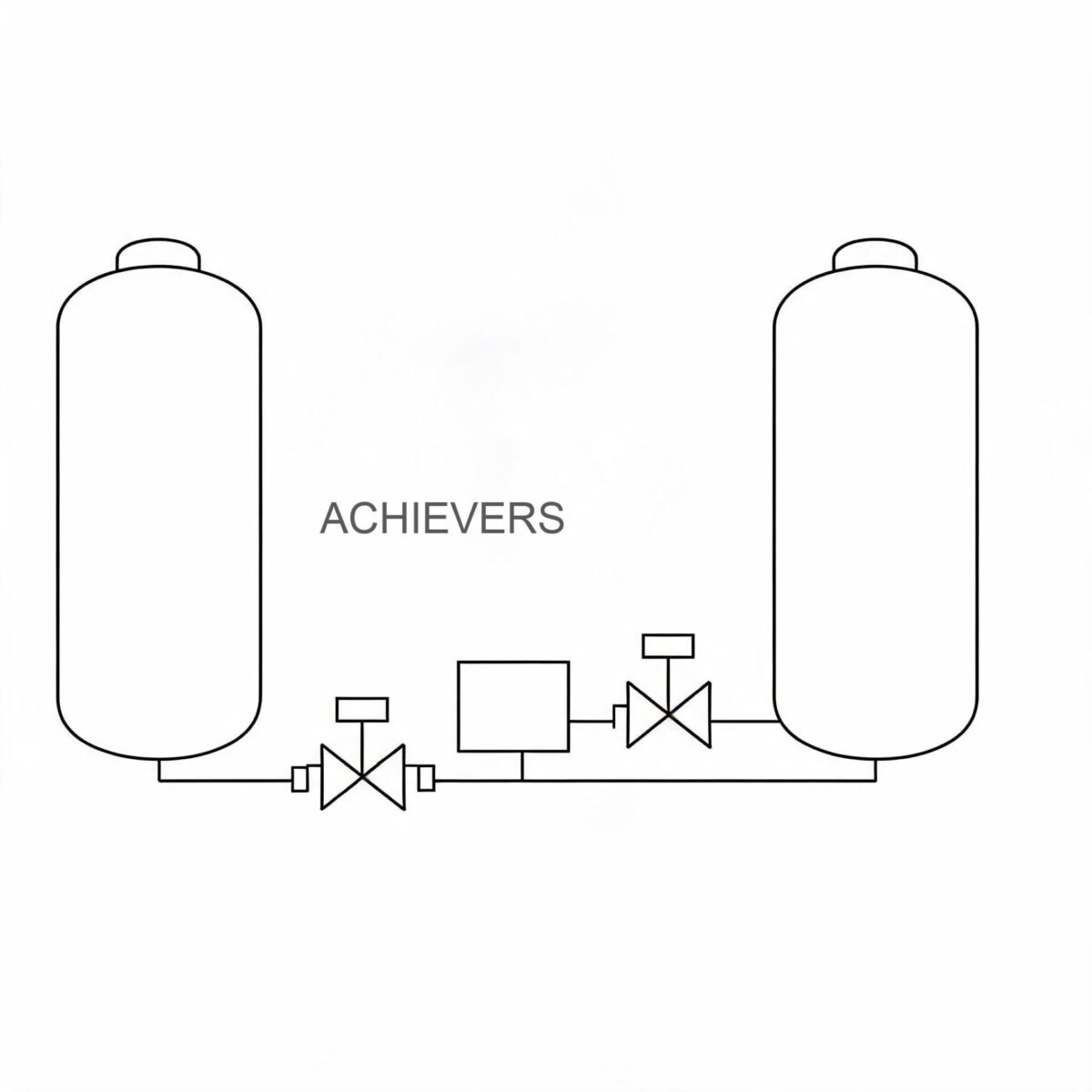
3. Core Measurement Technologies: Metering Comparison
The accuracy of Diesel Dispensers is entirely dependent on the internal flow measurement technology utilized. Depending on the exact model specification, these units typically utilize either positive displacement or turbine mechanisms. As an instrumentation engineer, understanding the distinction is critical for specifying the right unit for your fluid characteristics.
| Parameter | Positive Displacement Flow Meters | Turbine Flow Meters |
| :— | :— | :— |
| Operating Principle | Traps specific fluid volumes in mechanical chambers | Measures fluid velocity via a bladed rotor |
| Accuracy Profile | +/- 0.5% (Improves with higher viscosity) | +/- 1.0% (Sensitive to viscosity changes) |
| Viscosity Tolerance | Excellent for thick, cold diesel (>5 cSt) | Best for lighter, warm fuels (<5 cSt) |
| Pressure Drop (Delta P) | Higher (Requires robust transfer pumps) | Lower (Allows for faster free-flow rates) |
| Particulate Sensitivity | High (Clearances are tight; strict filtration needed) | Moderate (Rotor bearings can handle micro-particles) |
| Turn-Down Ratio | High (10:1 or better, good for varied flows) | Moderate (Accuracy drops at low velocities) |
4. Engineering Specifications and Calibration Notes
While exact pressure and temperature ratings depend on the specific structural materials of the selected model (e.g., Achievers CE-101, CE-117, or CE-202), standard industrial units are designed to withstand the physical realities of bulk fuel transfer.
- Operating Pressure: Typically engineered to handle transfer pump discharge pressures ranging from 2 to 4 Bar (30 to 60 PSI), equipped with internal bypass valves to prevent dead-heading the pump if the nozzle is closed abruptly.
- Operating Temperature: Generally rated for ambient and fluid temperatures from -20°C to +50°C.
- Volumetric Accuracy: Mechanical and electronic meters typically adhere to a +/- 0.5% to 1.0% accuracy threshold, provided they are calibrated for the specific fluid viscosity on site.
Engineering Calibration Formula:
To maintain dispensing accuracy, O&M teams must periodically perform physical "bucket tests" using a certified volumetric proving can.
Percentage Error = [ (Indicated Volume – True Volume) / True Volume ] * 100
If the error exceeds site tolerance, a new Meter Factor (MF) must be calculated and applied to the electronic control board or mechanical calibrator:
New Meter Factor = True Volume (from prover) / Indicated Volume (from dispenser display)
When dealing with large volumes across extreme temperatures, engineers must also apply a Volume Correction Factor (VCF) per API MPMS Chapter 11.1 to correct the dispensed volume back to a standard reference temperature (typically 15°C).
VCF = exp [ -alpha * Delta_T * (1 + 0.8 * alpha * Delta_T) ]
(Where alpha is the coefficient of thermal expansion for diesel, and Delta_T is the difference between dispensing temperature and reference temperature).
5. Typical Installation Scenarios in Remote Power
How you physically deploy dispensing infrastructure fundamentally impacts maintenance schedules and operational uptime.
1. Tank-Mounted Dispensing
For compact generator yards, dispensing units like the CE-202 can be flange-mounted or bracketed directly to the primary structural wall of the bulk storage tank. This minimizes suction lift requirements, reducing the risk of pump cavitation and vapor lock, while keeping the physical footprint minimal.
2. Skid/Ground Platform Dispensing
In larger facilities with dedicated fuel islands, standalone pedestals are utilized. The dispenser is bolted to a raised concrete plinth or steel skid, with underground double-walled piping connecting it to remote bulk storage. This setup requires high-suction fuel transfer pumps but allows for excellent vehicular access and minimizes collision risks with the main fuel reservoirs.
3. Mobile / Truck-Mounted Dispensing
For sprawling operations like open-pit mines or multi-site telecom grids, 12V or 24V DC units are integrated directly onto fuel bowsers or service trucks. Connected to the vehicle's electrical system, these units transform a standard tank truck into a precision metered transfer node, tracking exactly how much fuel is deposited into each individual remote generator day tank.
6. Decision Matrix: When to Use Which Dispensing Technology
Procurement teams must align the technology with the technical maturity of the site.
| Decision Factor | Recommend Mechanical Meter Dispenser | Recommend Electronic Meter w/ PC Control |
| :— | :— | :— |
| Power Stability | High (Functions purely on pump pressure/basic electrics) | Requires clean, stable power (or DC battery) |
| Site Connectivity | Completely offline remote sites | LAN or Cellular-connected facilities |
| Security Risk Level | Low (Trusted operators, locked physical gates) | High (Requires exact ID logging to stop theft) |
| Reporting Needs | Manual clipboard logging acceptable | Requires automated ERP/SCADA data push |
| Initial CAPEX Budget | Strict budget constraints | Focus on long-term ROI via loss prevention |
7. Compliance, Security, and Access Control
In modern power generation, fuel is an easily liquidated asset, making fuel theft a primary operational concern. Upgradable technology allows site managers to lock out unauthorized users. Most advanced dispensers are outfitted with electronic control boards that demand an RFID fob, Dallas key, or numerical PIN before the pump contactor engages.
All dispensing cycles are subsequently logged against that user credential. Through PC integration, management can trace exactly who dispensed fuel, when it was dispensed, and how much was transferred. From a compliance perspective, high-quality industrial dispensers utilize intrinsically safe wiring practices and possess strong electromagnetic compatibility, ensuring they can operate safely near high-voltage transformers and switchgears without signal degradation or posing an ignition risk under fault conditions.
8. Standard Operating Procedure for Commissioning
Bringing a new fuel dispenser online is a critical instrumentation task. Failure to execute these steps can result in immediate meter damage or air-entrained inaccuracies.
- System Flushing: Before final connection, flush the entire suction line with fuel to remove construction debris, welding slag, and thread sealants. Bypass the dispenser entirely during this step.
- Filter Installation: Ensure a robust particulate filter (e.g., 10 or 30-micron) and water separator are installed upstream of the dispenser suction port to protect the internal meter.
- Electrical Verification: Confirm the supply voltage strictly matches the unit rating (220V AC, 12V DC, or 24V DC). Ensure proper grounding to dissipate static electricity generated by rapid fluid transfer.
- System Priming: Open the dispensing nozzle into an approved container. Briefly pulse the pump to pull fluid up the suction pipe. Do not run the pump dry for more than 30 seconds to prevent vane/seal damage.
- Air Elimination: Continue dispensing until the fluid stream is solid, clear, and totally free of air bubbles. Entrained air will cause the flow meter to over-register.
- Leak Testing: Pressurize the system and close the nozzle. Inspect all flanged and threaded connections within the dispenser cabinet for micro-leaks under dead-head pressure.
- Volumetric Calibration: Dispense fuel into a certified, temperature-compensated proving can at normal operating flow rates.
- Meter Adjustment: Calculate the percentage error. Adjust the mechanical calibration screw or enter the new electronic meter factor into the control board to achieve zero error. Seal the calibrator to prevent tampering.
9. ROI and Operational Benefits
Investing in engineered dispensing solutions generates a rapid return on investment, shifting fuel management from an estimated expense to a precisely controlled asset.
| Benefit | Typical Improvement | Global Operational Context |
| :— | :— | :— |
| Shrinkage Reduction | 8% to 15% drop in unexplained fuel loss | Stops unauthorized manual siphoning and unrecorded "favors" common in remote logistics chains. |
| Generator Uptime | 99.9% fuel availability | Integrated filtration prevents bad fuel from causing sudden genset injector failure during critical grid outages. |
| Accounting Accuracy | Discrepancies drop to < 0.5% | Replaces error-prone manual clipboard logs with timestamped digital datasets tied to user IDs. |
| Labor Efficiency | 30% faster refueling times | High-flow AC units combined with hose reels allow operators to fuel heavy equipment and move on rapidly. |

10. Selection Checklist for Power Plant Dispensing
Before issuing a purchase order for a dispensing system, plant engineers must define the following physical and operational parameters:
- Power Supply Availability: Specify 220V AC for fixed installations, or 12V/24V DC for mobile and remote skid integration.
- Required Flow Rate: Determine the required Liters Per Minute (LPM) based on the size of the day tanks being refilled. (Standard ranges typically span 50 LPM to 120+ LPM).
- Meter Technology: Choose between positive displacement for cold/heavy fuel, or turbine mechanisms depending on the pressure drop allowance.
- Authorization Requirements: Specify if the unit needs an electronic control board for PIN/RFID credentialing or if manual operation is sufficient.
- Data Management: Determine if RS485, LAN, or cellular PC integration is required for digital fluid reconciliation.
- Mounting Configuration: Clarify if the structural framing needs to support wall mounting, tank hanging, or an independent ground pedestal.
- Filtration Strategy: Specify upstream particulate and water-absorbing filtration requirements to protect the meter internals.
- Hose and Nozzle Specifications: Define the length of the dispensing hose required (consider hose reels for lengths over 5 meters) and specify auto-shutoff nozzles to prevent overfilling.
FAQ
Q: Can a 12V DC mobile dispenser provide the same accuracy as a 220V AC stationary unit?
A: Yes. The metering technology (mechanical or electronic flow meter) determines accuracy, not the power supply of the pump. As long as the DC pump provides sufficient flow to keep the meter within its optimal turn-down ratio, accuracy remains identical.
Q: How often should the flow meter inside the dispenser be calibrated?
A: For critical power generation facilities, calibration checks against a certified proving can should be conducted semi-annually, or whenever a noticeable change in bulk fuel temperature/viscosity occurs due to seasonal shifts.
Q: What happens if an operator leaves the pump running with the nozzle closed?
A: Industrial dispensers are equipped with internal mechanical bypass valves within the pump casing. This allows the fluid to recirculate internally for a short duration (typically 2-3 minutes) preventing immediate overpressure, though prolonged bypass will cause severe fluid heating and pump damage.
Q: Are electronic control boards reliable in extreme high-temperature environments?
A: Yes, provided they are properly specified. High-quality control boards are housed in weather-resistant, IP-rated enclosures and possess good electromagnetic compatibility to shield them from environmental and electrical interference.
Q: How do we prevent air from spinning the meter and causing false readings?
A: Proper installation must include an airtight suction line and, ideally, an air eliminator installed upstream of the flow meter chamber. This vents entrained air before it can register as a volumetric liquid pulse.
Q: Can these dispensers be integrated with existing SCADA or ERP systems?
A: Yes. Advanced models with PC integration can export dispensing cycle logs (User ID, Timestamp, Volume) over standard industrial protocols, allowing seamless reconciliation in centralized asset management software.
Q: Is upstream filtration mandatory if our bulk tank is already filtered?
A: It is highly recommended. Condensation and microbial growth can occur in the piping between the bulk tank and the dispenser. A point-of-dispense filter protects the tight internal clearances of the flow meter and ensures only clean fuel reaches the generator.
Ready to secure your fuel supply chain and eliminate operational blind spots? Contact our technical engineering team today to specify the exact voltage, flow capacity, and access-control requirements for your site, and let us design a dispensing system matched perfectly to your facility's environmental realities.