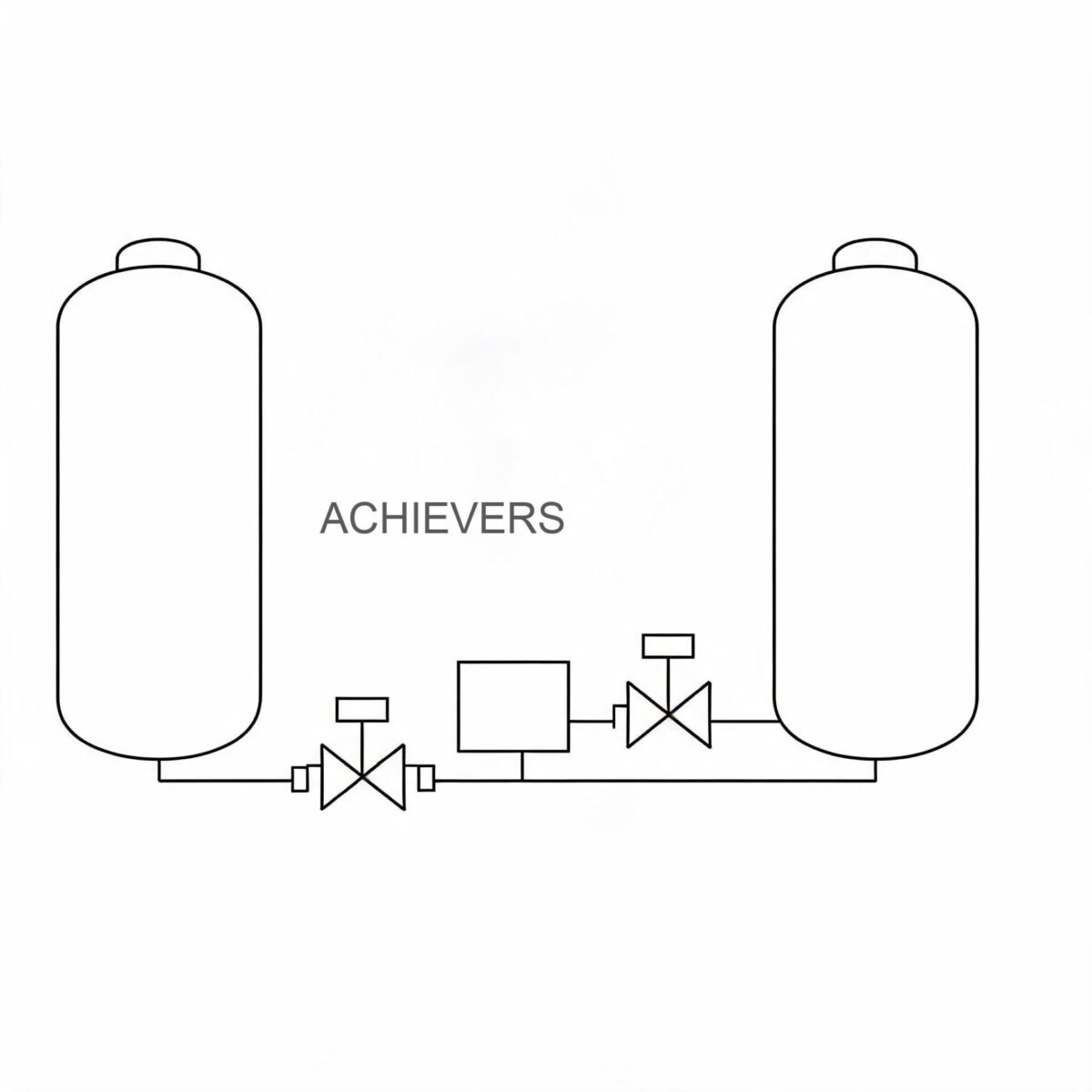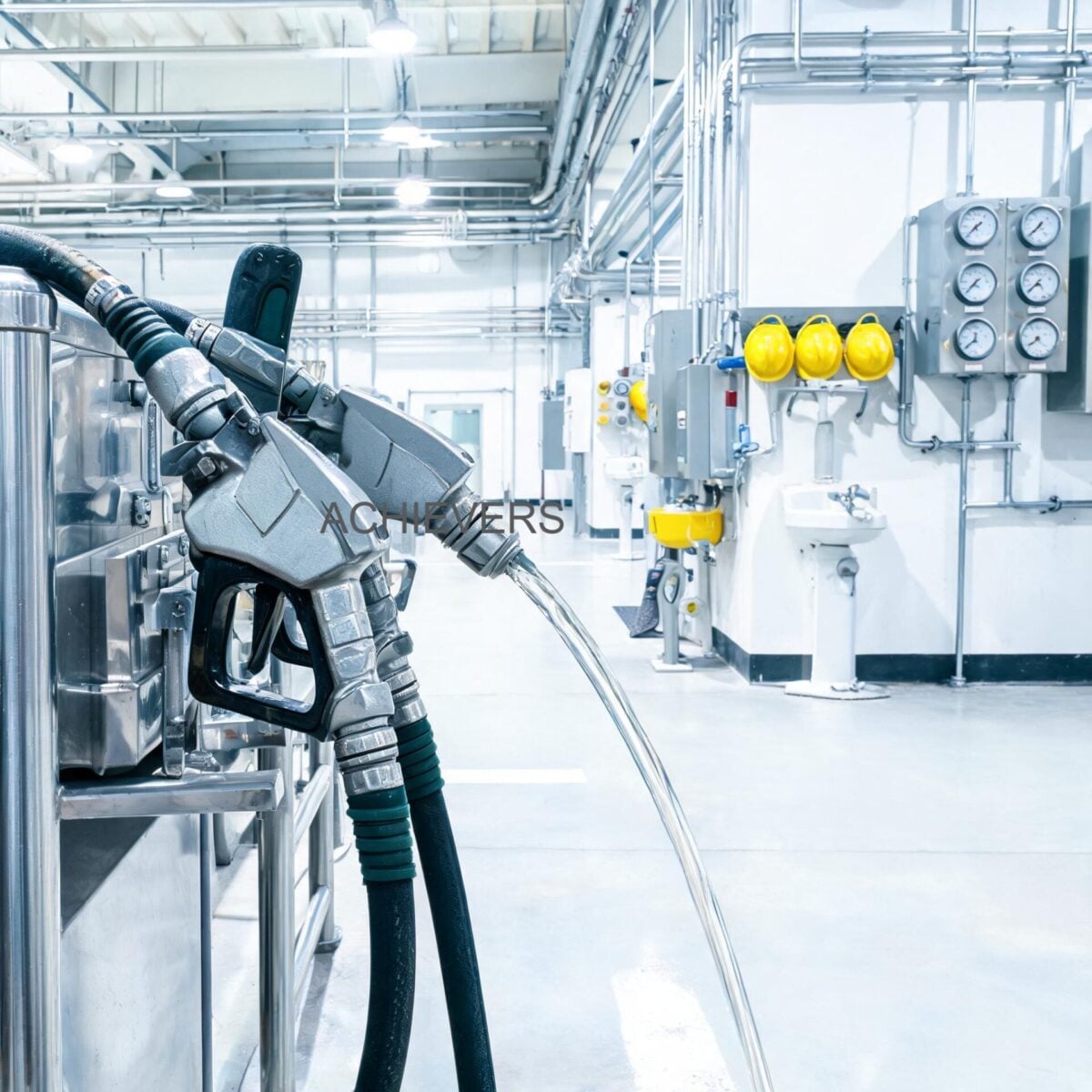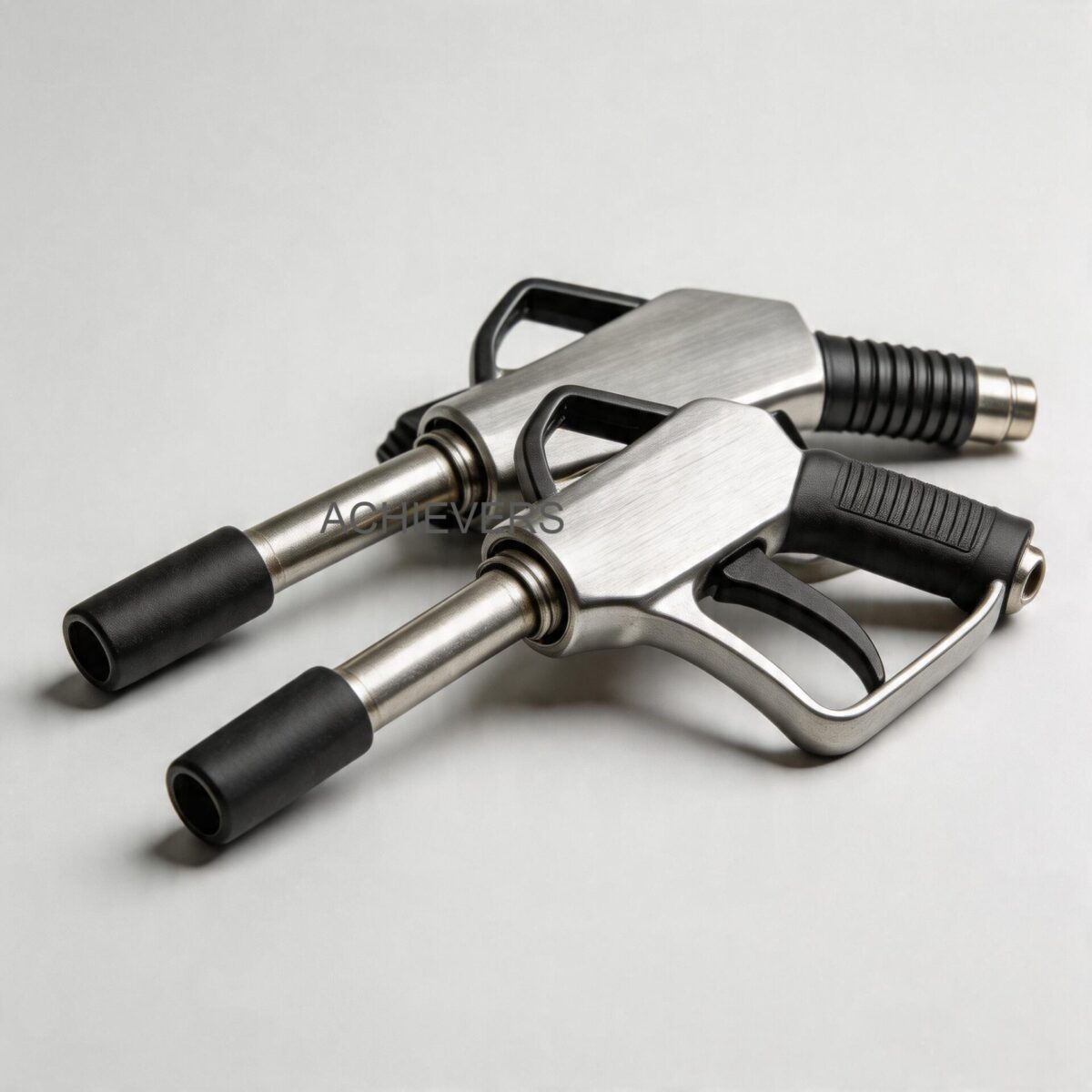
Oil Flow Meters Troubleshooting: Erratic Totalizer Readings, Air Entrapment, and Pressure Drop Causes

In industrial fluid management, the cost of inaccurate flow measurement extends far beyond simple accounting errors. Unnoticed deviations in fuel or lubricant lines can lead to catastrophic equipment failure, thermal inefficiencies in boilers, and massive operational losses in large-scale power generation. When positive displacement instrumentation begins exhibiting symptoms like erratic totalizer readings, unexpected pressure drops, or signal loss, plant engineers must adopt a rigorous, systematic diagnostic approach. Blindly replacing instruments without identifying root causes—such as cavitation, fluid aeration, or electrical noise—results in recurring failures.

This comprehensive technical guide focuses on advanced Oil Flow Meters troubleshooting. It provides a symptom-to-root-cause diagnostic workflow designed for instrumentation engineers, plant managers, and procurement heads worldwide who manage transfer lines, boilers, and heavy-duty generators. By focusing on field checks, fluid dynamics, and electronic signal integrity, this guide outlines the exact corrective actions required to restore measurement accuracy before escalating to full calibration or device replacement.

1. Quick Reference: How Oil Flow Meters Work

To effectively diagnose measurement anomalies, one must first understand the fundamental operating principles of the instrument. High-accuracy industrial Oil Flow Meters utilize positive displacement (PD) technology—specifically, an oval gear or volumetric rotary cylinder design.

In this design, the measuring chamber contains exceptionally few moving parts. Fluid entering the meter forces the internal gears or cylinders to rotate. Each rotation displaces a highly precise, known volume of fluid. Because the clearance between the rotors and the measuring chamber walls is machined to microscopic tolerances, fluid "slip" (unmeasured fluid bypassing the rotors) is minimized, making this technology essential for high-viscosity liquids.

The physical rotation is transmitted to a register via a high-efficiency magnetic coupling. This eliminates the need for dynamic mechanical seals, meaning only one moving part assembly is directly exposed to the metered fluid, ensuring leak-free operation and long-term reliability. Typically, standard accuracy is +/- 0.5% of reading, with high-precision models achieving +/- 0.2% and a repeatability of 0.02%.

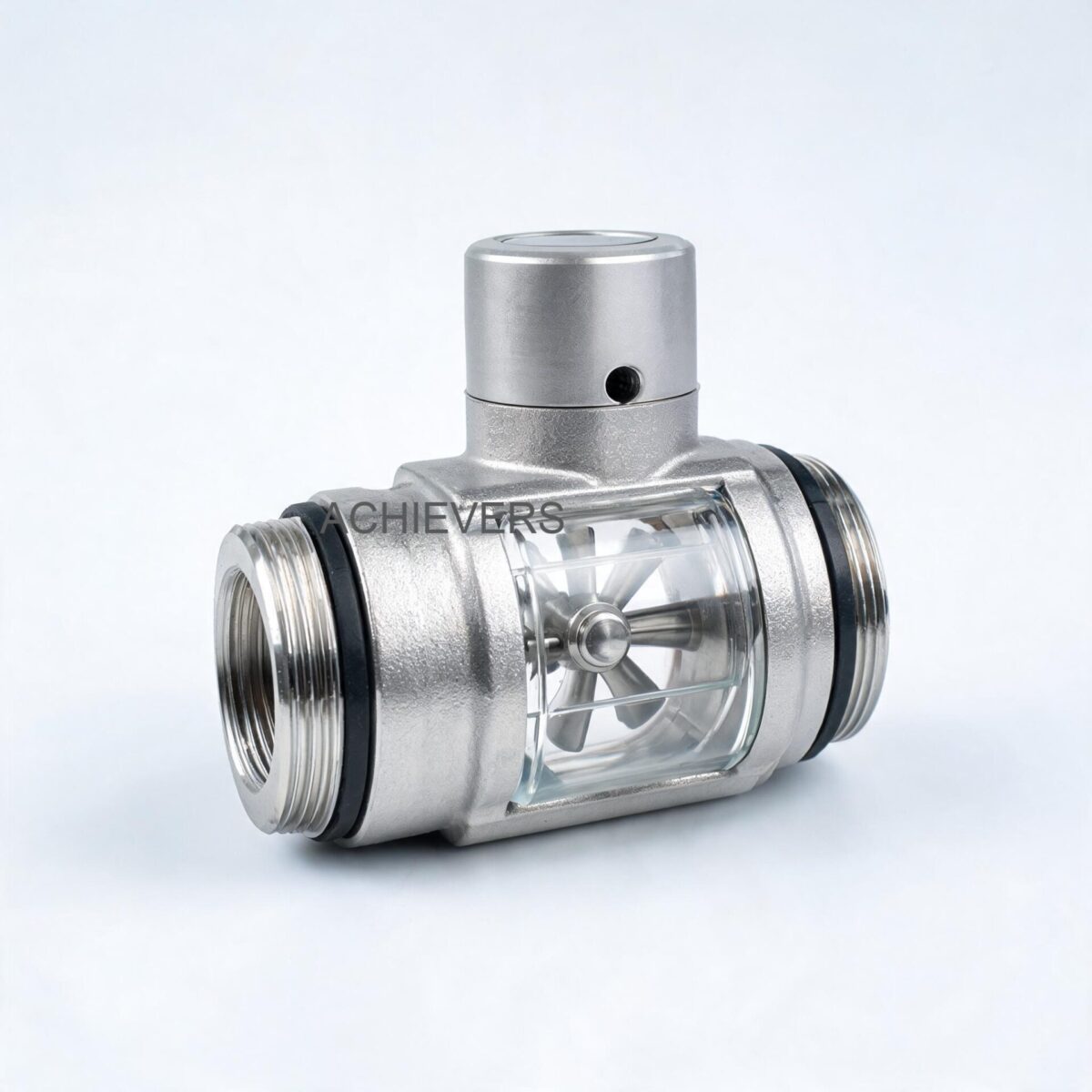
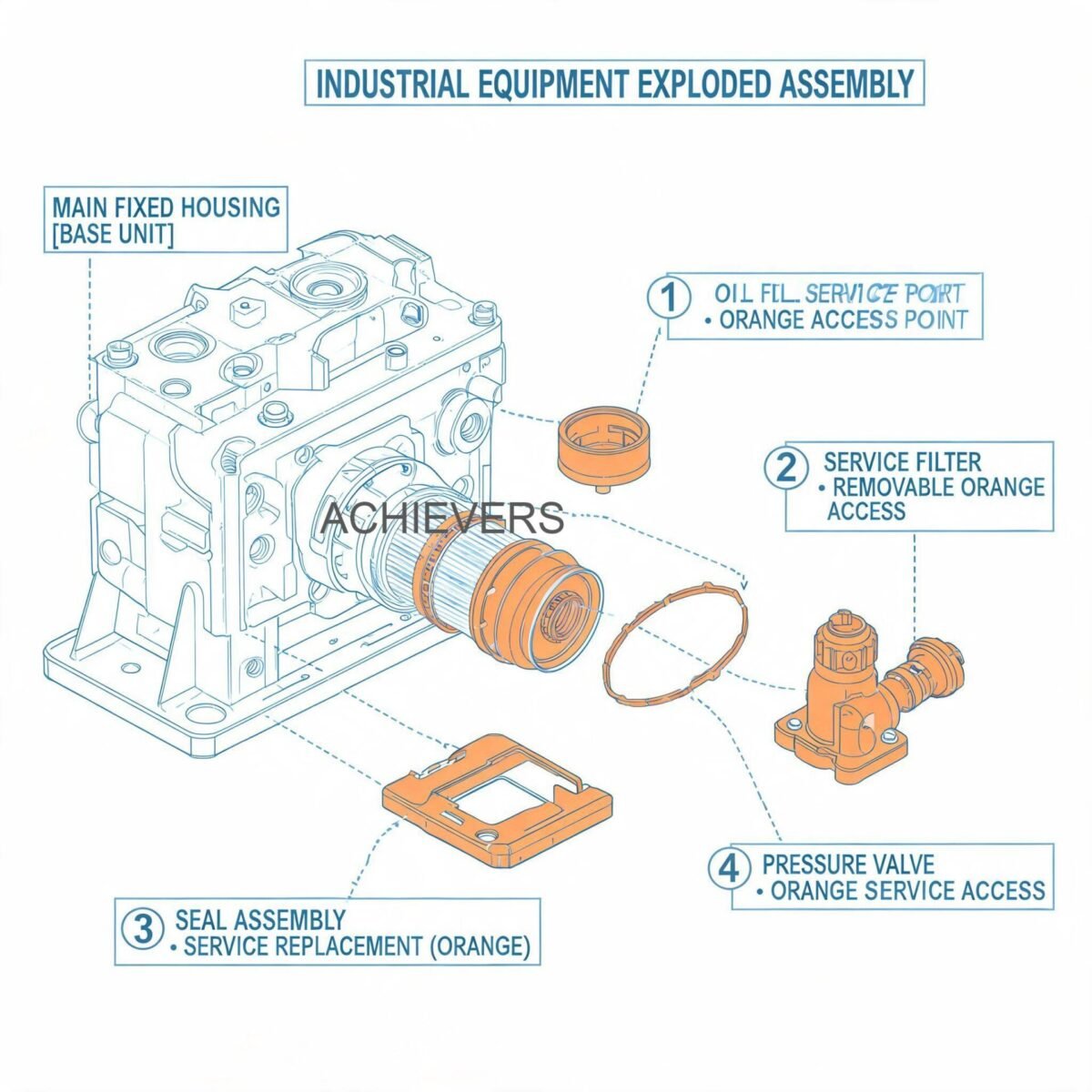
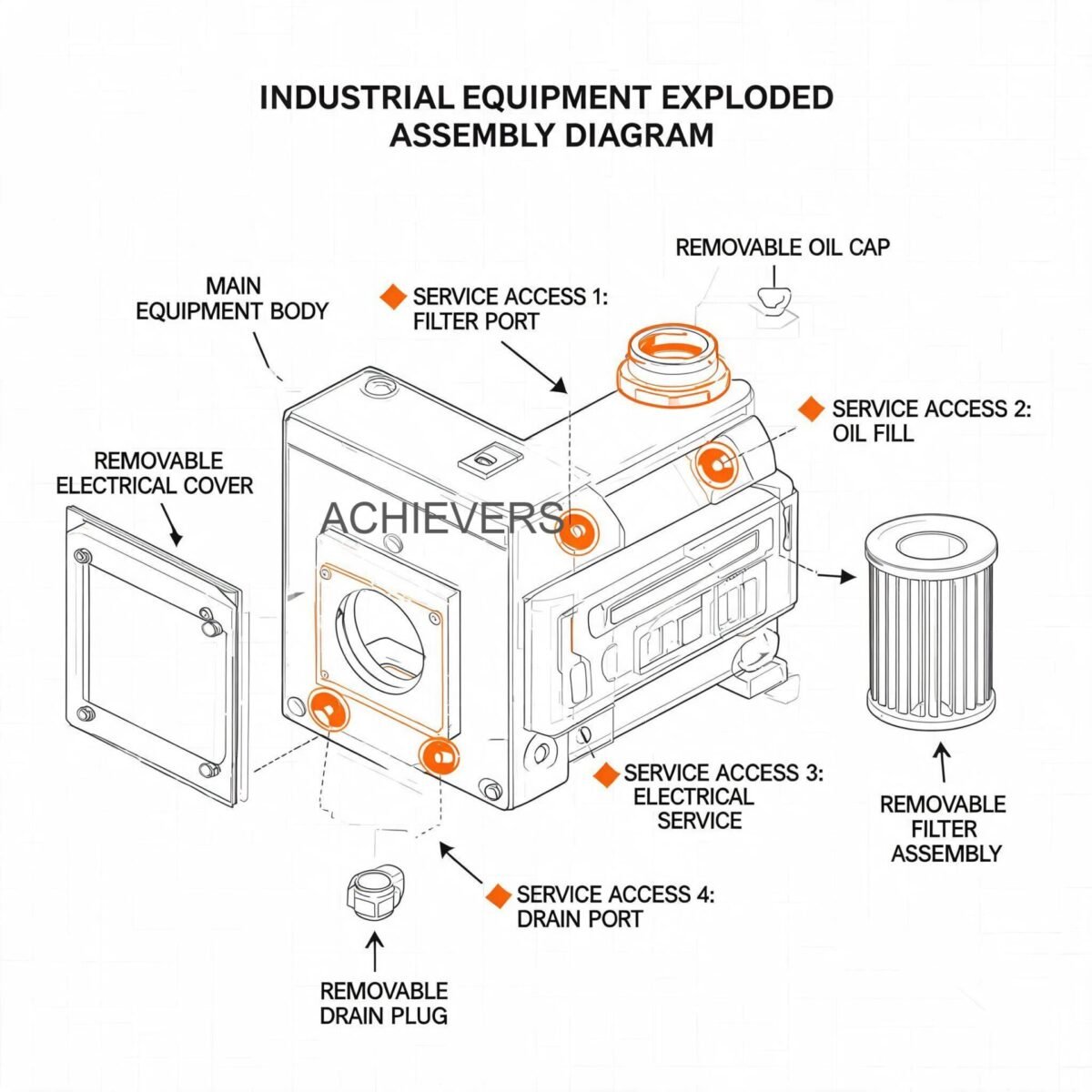
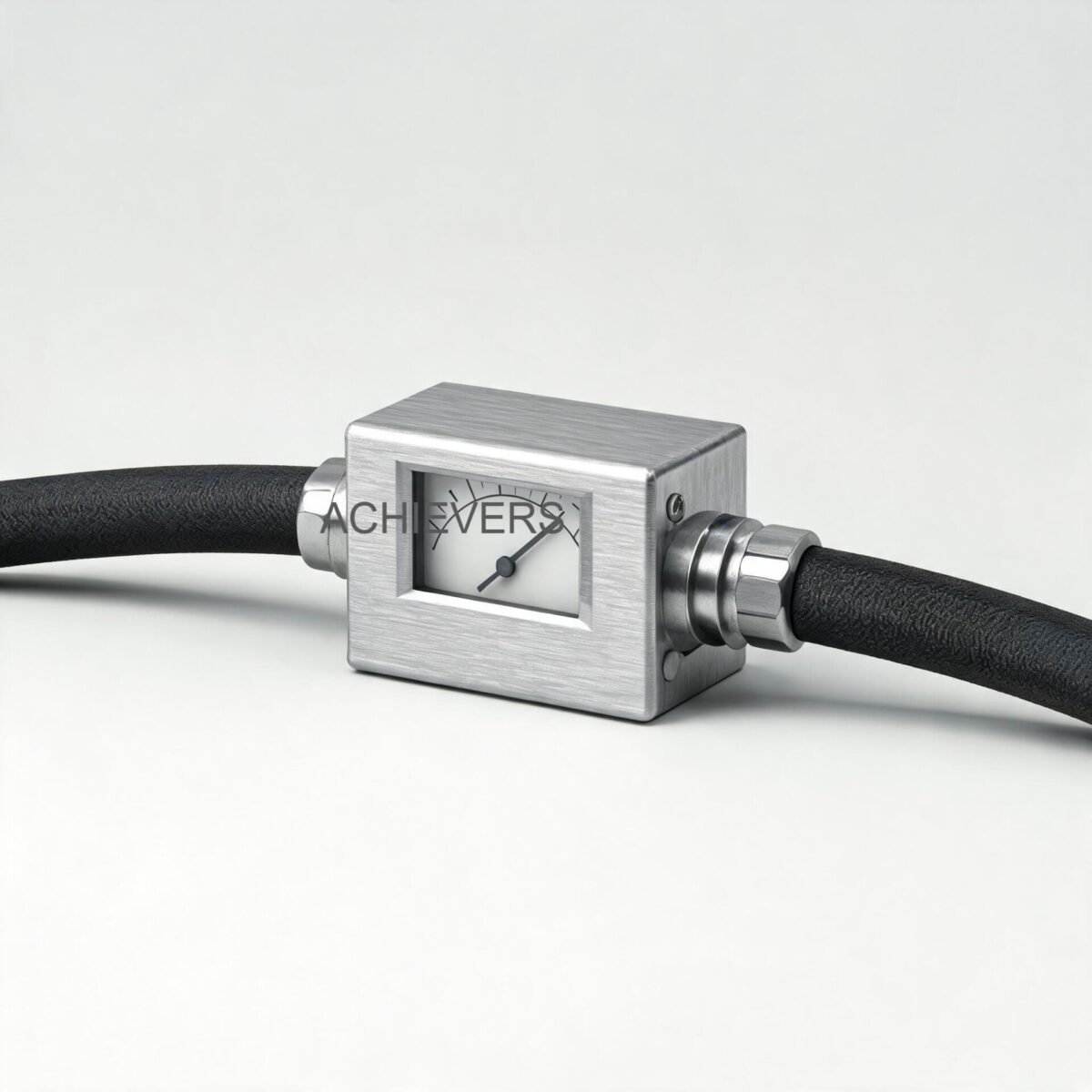
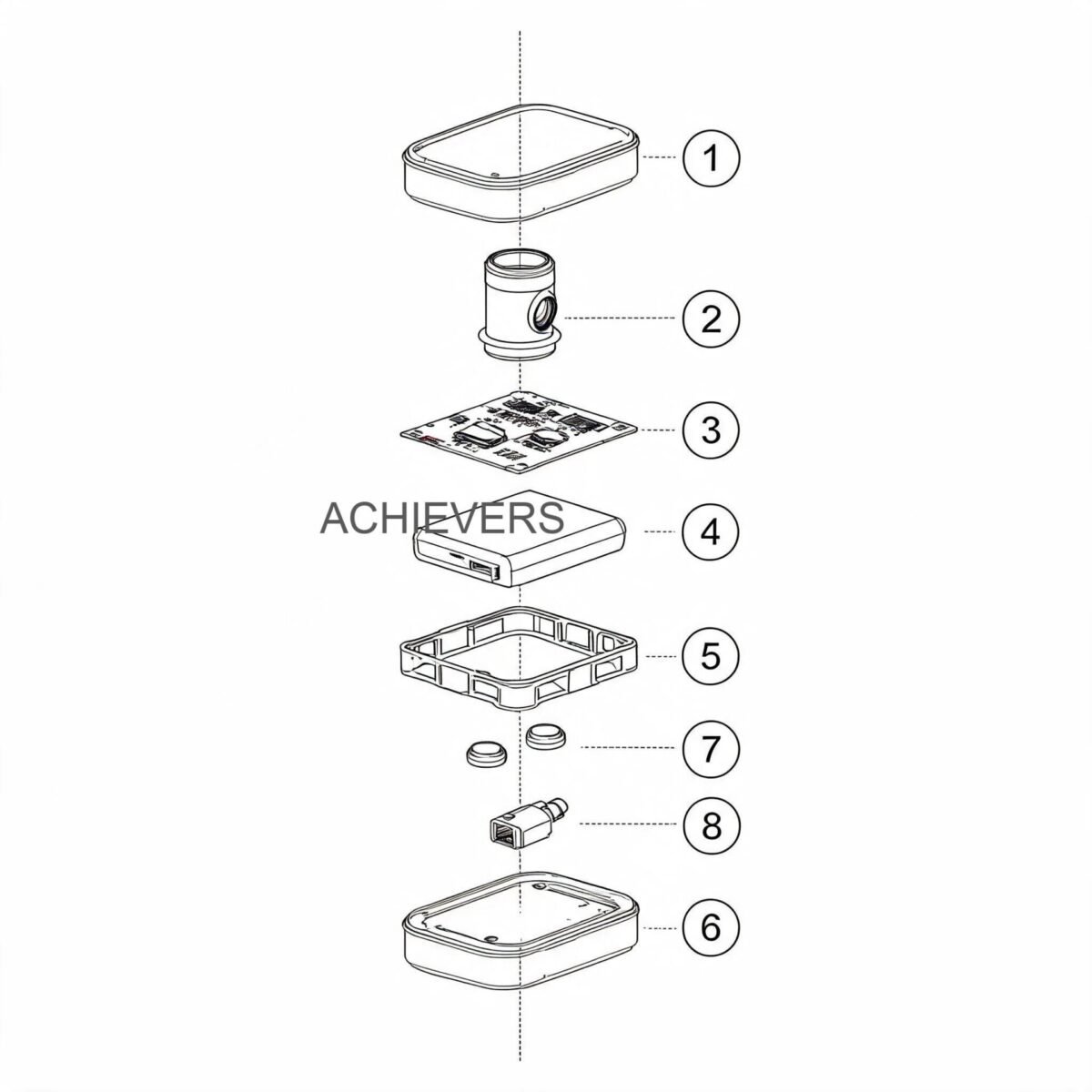
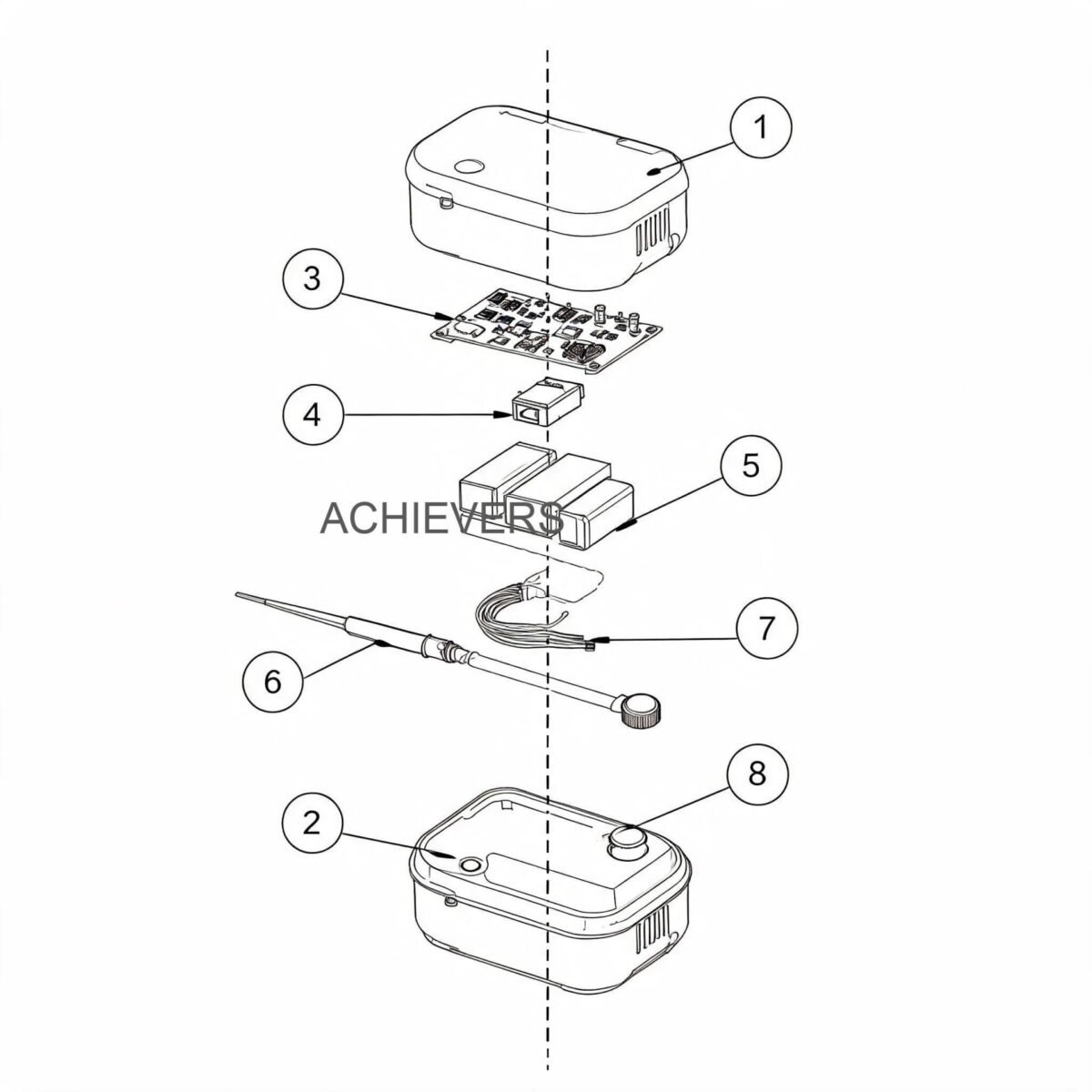
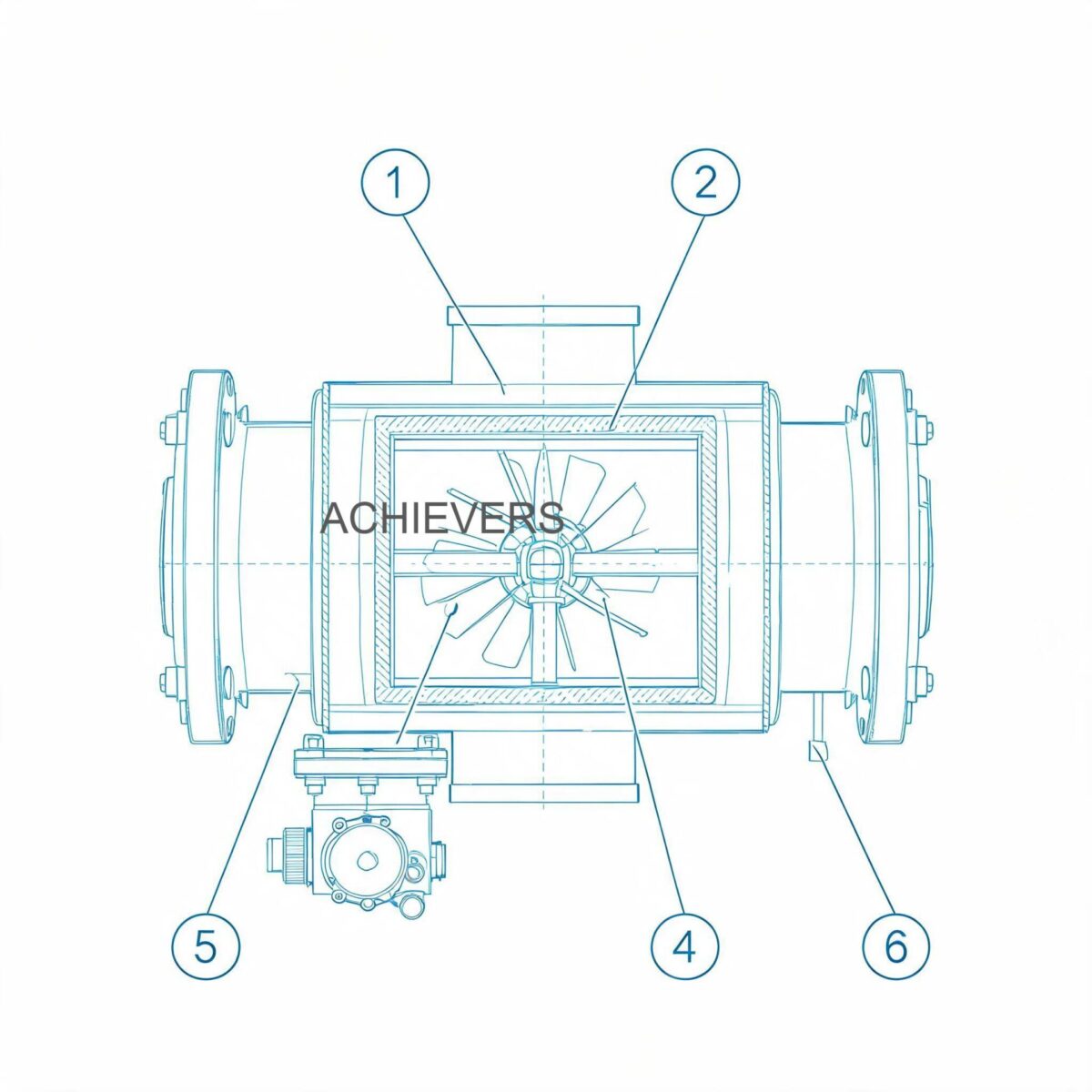
Labeled diagram of Oil Flow Meters identifying key components relevant to troubleshooting

Technology Comparison Table

No single flow measurement technology is ideal for every application. To aid in diagnostics and system design, engineers must understand how positive displacement compares to other dominant technologies.

ParameterPositive Displacement (PD)Turbine Flow MetersCoriolis Mass MetersElectromagnetic Flow Meters
Measurement PrincipleVolumetric (Rotary Cylinder / Oval Gear)Velocity (Rotor RPM)Mass (Tube Oscillation)Velocity (Faraday's Law)
Viscosity DependencyHigh viscosity improves accuracy (less slip)High viscosity severely degrades accuracyImmune to viscosity changesImmune, but requires conductive fluid
Typical Accuracy+/- 0.5% to +/- 0.2%+/- 0.5% to +/- 1.0%+/- 0.1% to +/- 0.2%+/- 0.5%
Upstream Straight Pipe Req.None (0D/0D)High (10D to 20D)NoneMedium (5D to 10D)
Pressure DropLow (Suitable for gravity feed < 1" head)Medium to HighHighMinimal (Full bore)
Ideal ApplicationLubricants, diesel, furnace oil, draw-offsLow-viscosity clean fuels, waterHigh-precision custody transferWater, slurries, conductive acids
VulnerabilityParticulate damage, air entrapmentBearing wear, viscosity shiftsHigh capital cost, heavy vibrationsUseless for non-conductive oils

"When to Use This Technology" Decision Matrix

  • Use Positive Displacement Oil Flow Meters when: The fluid is non-conductive, highly viscous (heavy fuel oil, hydraulic fluids), straight pipe runs are impossible to achieve, and flow is driven by gravity (e.g., operating under 1" head of oil) or pump.
  • Do not use when: The fluid contains high amounts of abrasive solids that cannot be filtered by a 100-mesh strainer, or when metering aqueous, conductive fluids where magnetic meters excel without pressure drop.

2. Troubleshooting Matrix

When encountering anomalies, identifying the symptom accurately prevents unnecessary dismantling. The following matrix details the most common faults found during industrial oil flow meter diagnostics for manufacturers and plant operators.

SymptomLikely Root CauseDiagnosis StepsCorrective Action
Erratic or fluctuating totalizer readingsAir entrapment / Two-phase flowInspect upstream piping for leaks or cavitating pumps. Check for missing air eliminators.Install a mechanical air release valve upstream; tighten suction side flanges.
Zero flow reading despite fluid movementSeized rotor / Broken magnetic couplingVerify bypass valve position. Isolate meter and check for foreign debris locking rotors.Clean measuring chamber. Flush lines and ensure a 100-mesh strainer is installed.
Continuous measurement drift (over-reading)Air bubbles displacing liquid volumeListen for spitting sounds at nozzles. Check fluid level in supply tanks (vortexing).Increase tank levels to prevent vortexing; install air elimination equipment.
Measurement drift (under-reading)High fluid slip due to low viscosity / temperature spikeMeasure operating temperature. Calculate fluid kinematic viscosity at operating conditions.Recalibrate meter at operating temperature, or use a technology better suited for low-viscosity.
High pressure drop across meterClogged internal strainer / High viscosityCheck differential pressure gauges across the strainer and meter assembly.Remove and clean the 100-mesh strainer. Ensure fluid viscosity is within limits.
Electronic display blank (TF 200)Power supply failureUse a multimeter to check the 12 to 24 V DC power supply from the remote totalizer.Restore power supply; check wiring for shorts or ground faults.
No pulse output to PLC (PG 1)Faulty pulse generator or damaged 3-core cableMeasure pulse frequency at the output terminals using an oscilloscope or frequency counter.Replace pulse generator module; verify wiring integrity.
4-20 mA signal erraticGround loops / EMI interferenceCheck FI converter wiring. Ensure shielded cables are grounded at one end only.Reroute signal cables away from variable frequency drives (VFDs) and high-voltage lines.
Leaking from meter bodyBlown O-rings / Over-pressurizationCheck system pressure against meter specifications. Inspect for water hammer effects.Replace O-rings; install pressure relief valves if water hammer is detected.
Mechanical counter stuckWorn register gears / Moisture ingressDetach the register top (rotatable every 90 degrees) and manually check gear movement.Replace mechanical register assembly; ensure environmental sealing is intact.

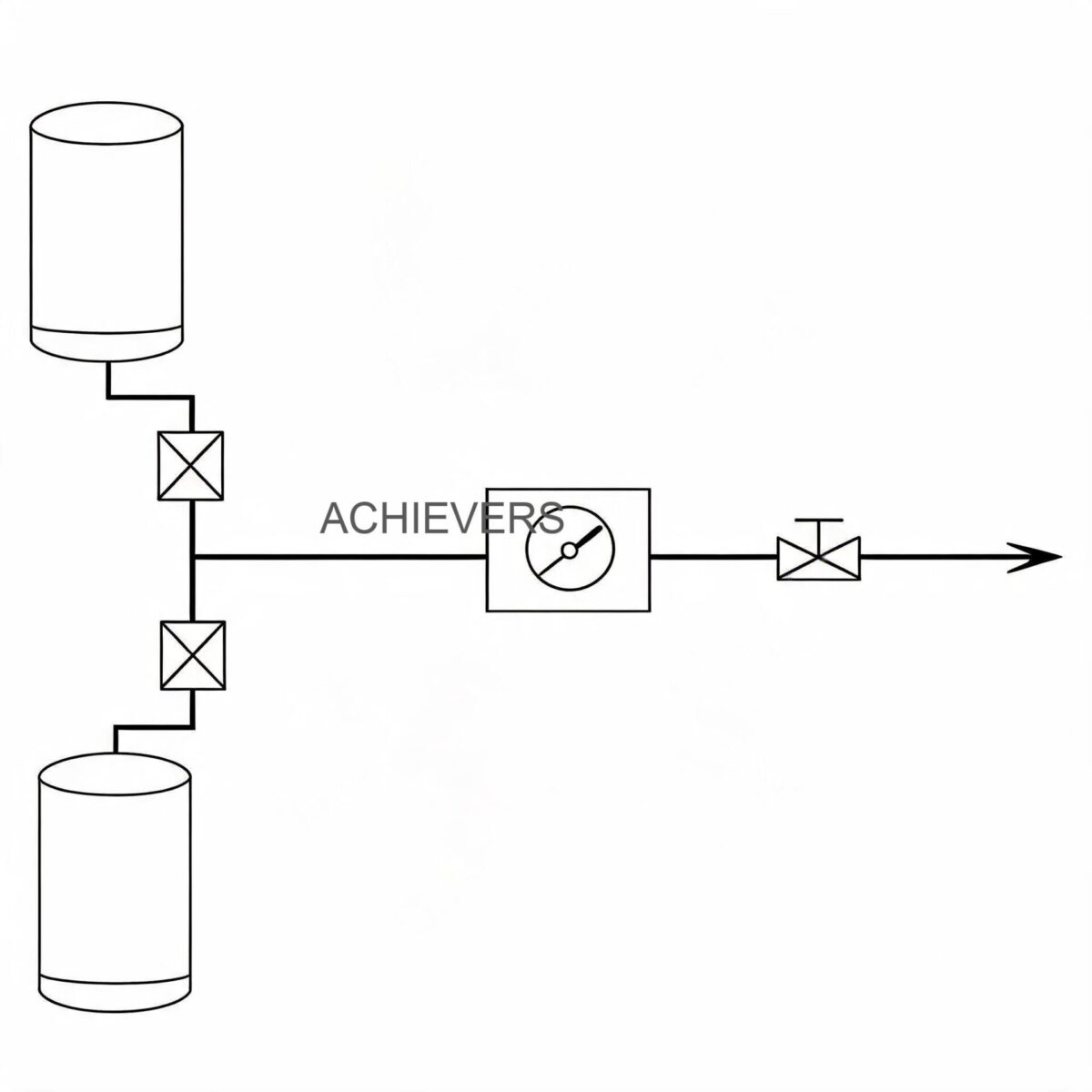
Schematic or cross-section of Oil Flow Meters showing internal flow path and component positions

3. Step-by-Step Field Diagnosis Procedure

When addressing oil flow meter erratic reading causes and fixes, guesswork is expensive. Follow this methodical field diagnostic procedure to isolate electrical, mechanical, and fluid dynamic issues.

Required Tools: True RMS Multimeter, differential pressure gauge, calibration proving container (certified volume), oscilloscope (for pulse verification), and standard hand tools.

  1. System Safing and Isolation: Before diagnosing, divert flow through the recommended bypass line. This ensures plant processes remain uninterrupted. Isolate the meter using upstream and downstream block valves.
  2. Visual and Environmental Inspection: Verify that the physical installation matches oil flow meters supplier specifications. Check for severe vibration sources nearby, extreme ambient temperatures, and external fluid leaks at flanged or screwed joints (DIN ND10 specifications).
  3. Filtration Assessment: Open the upstream strainer. Positive displacement meters require a minimum 100-mesh strainer. If the strainer is missing, torn, or clogged, particulate contamination has likely entered the measuring chamber, scoring the cylinder walls and causing fluid slip.
  4. Air Entrapment Verification: This is a critical step in oil flow meter air in line troubleshooting. Positive displacement meters measure volume, regardless of whether that volume is oil or air. If a pump is drawing in air through a failing suction-side seal, or if a tank is running low and vortexing, air passes through the meter, causing gross over-reporting. Install an air release framework if pumping from low-level storage.
  5. Rotor and Chamber Integrity Check: Depressurize the line and carefully open the meter body. Inspect the oval gears or rotary cylinders. They should rotate freely by hand. Any resistance indicates particulate jamming or thermal expansion binding.
  6. Magnetic Coupling Test: With the measuring chamber exposed and the register attached, rotate the gears manually. The mechanical counter or pulse generator should respond instantly. If not, the magnetic coupling has failed or sheared.
  7. Electrical Signal Verification (For Electronic Models): If using the PG 1 Pulse Generator and TF 200 Remote Totalizer:
  • Verify the 12 to 24 V DC supply across the power terminals.
  • Using a multimeter set to frequency (Hz), measure the output signal via the three-core cable while flow is occurring.
  • Engineering Calibration Note: To verify pulse accuracy, utilize the standard scaling formula: Flow Rate (Liters/Minute) = [Pulse Frequency (Hz) * 60] / K-Factor (Pulses/Liter). If the calculated flow rate drastically deviates from the mechanical register, the PG 1 requires replacement or recalibration.
  1. 4-20 mA Loop Diagnosis: For systems utilizing the FI Combined Batching unit (BTF 200), measure the loop current. A reading of 0 mA indicates an open circuit; a reading below 4 mA indicates a sensor fault; and erratic jumping indicates electromagnetic interference (EMI) requiring better shielding.

4. Installation and Setup Errors That Cause Ongoing Problems

A majority of recurring field issues stem from the initial commissioning phase. An improperly installed meter will permanently suffer from oil flow meter pressure drop troubleshooting loops. Below are the most frequent installation errors and their immediate corrections.

Installation ErrorResulting SymptomEngineering Correction
Absence of a 100-mesh strainerRotors seize, flow stops, high pressure dropImmediately install a mesh strainer upstream. Flush pipelines thoroughly before fitting.
No air eliminator on pumped linesArtificial totalizer inflation, erratic readingInstall an air release framework before the meter to vent entrained gases.
Lack of a bypass manifoldPlant shutdown required for basic meter maintenancePlumb a three-valve bypass system to allow servicing without stopping the process flow.
Incorrect line sizingExcessive pressure drop or poor low-end resolutionMatch meter to maximum flow rate, not just pipe size. Use reducers for small flows in large pipes (e.g., 15mm-25mm meters for low consumption).
Wrong dial orientation causing misreadsParallax errors by operators logging totals manuallyRemove the register top and rotate/secure it into one of the four cardinal positions for direct line-of-sight.
Gravity feed with excessive restrictionZero flow, meter fails to turn under low headUtilize larger 50mm or 80mm size meters specifically designed to operate under 1" head of oil without pumping.

5. Preventive Maintenance to Avoid Recurrence

Routine maintenance is the only defense against the harsh realities of industrial fluid transfer. Heavy fuel oils, diesel with high sulfur content, and contaminated draw-offs from storage tanks will eventually degrade any precision instrument if left unchecked. Implementing a structured maintenance schedule drastically reduces the total cost of ownership.

Weekly:

  • Visually inspect the meter body and flanges for weeping or seeping seals.
  • Monitor the differential pressure across the upstream strainer. An increasing pressure drop is the first leading indicator of particulate buildup.

Monthly:

  • Isolate the line via the bypass and physically remove the 100-mesh strainer. Wash it in a suitable solvent and blow it dry with compressed air.
  • For electronic systems using the BTF 200 batching unit, verify the 4-20 mA signal output against the control room's DCS/PLC readings to ensure no signal degradation or ground loop interference has developed.

Bi-Annually / Annually:

  • Conduct a volumetric proving test. Dispense fluid into a certified calibration prover. Compare the registered volume against the proven volume. Standard accuracy should remain consistent between calibration levels at better than +/- 0.5%. Use the stepless calibration framework to adjust if minor mechanical wear has induced slip.
  • Inspect the pulse generator wiring harness for brittleness or exposure to corrosive industrial atmospheres.

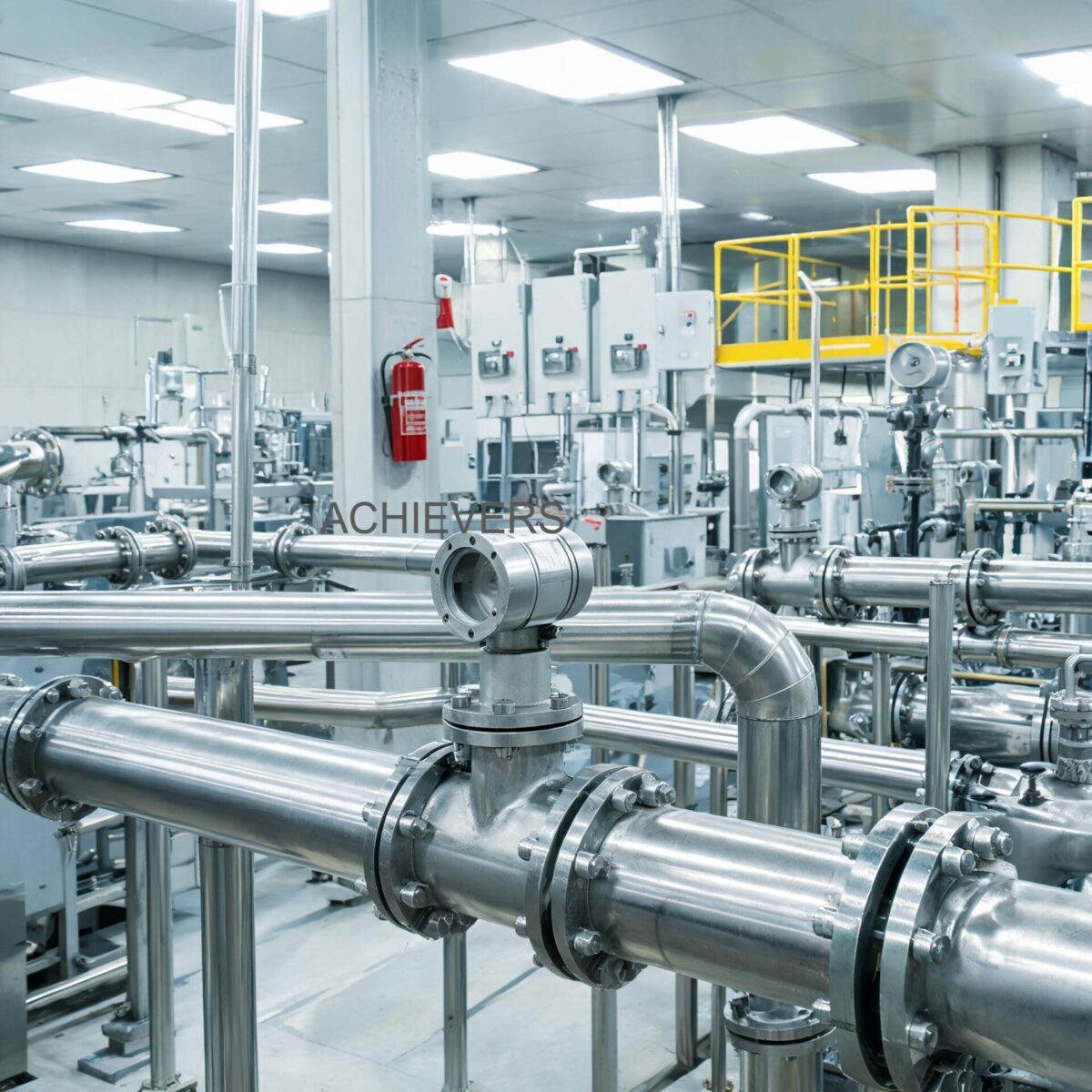
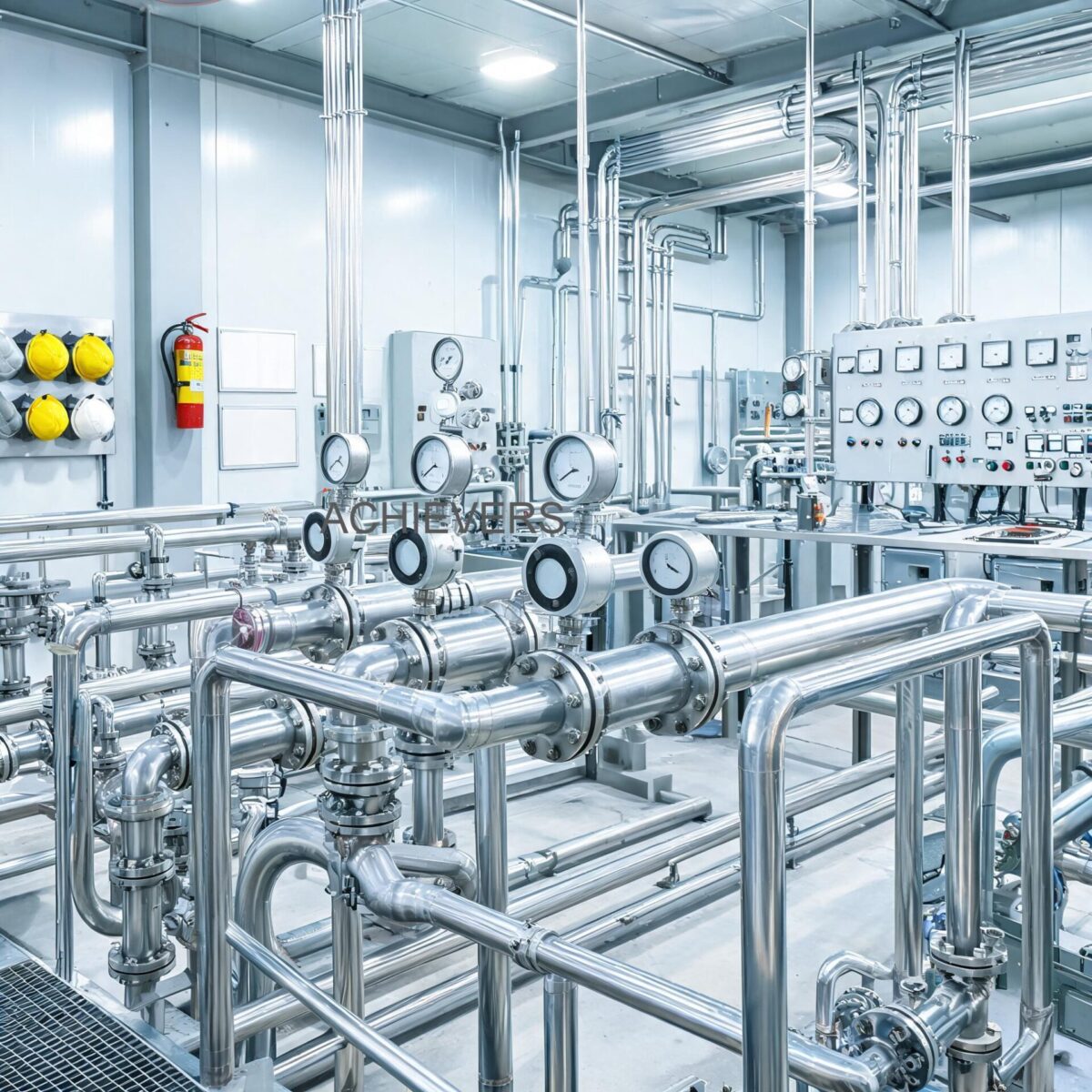
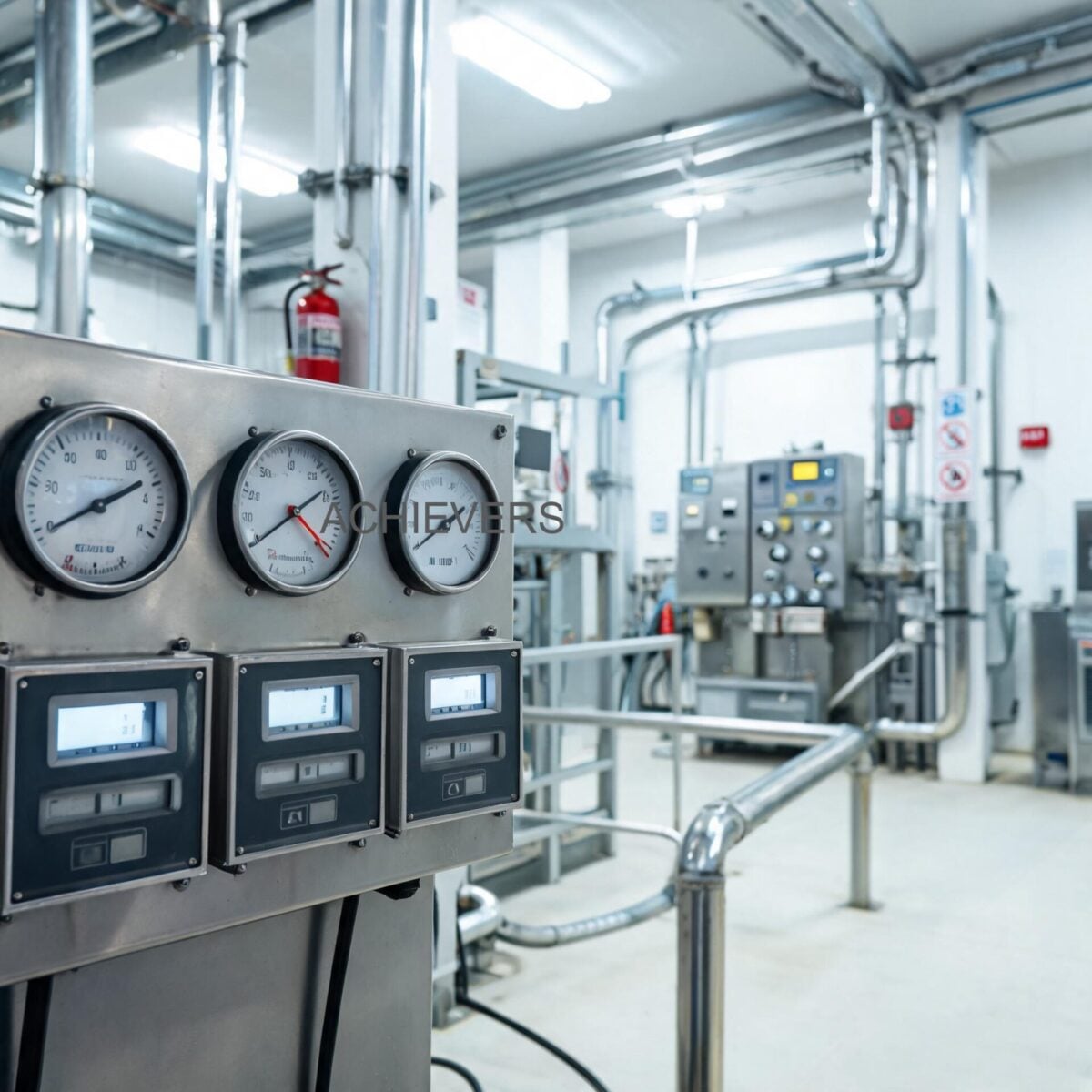
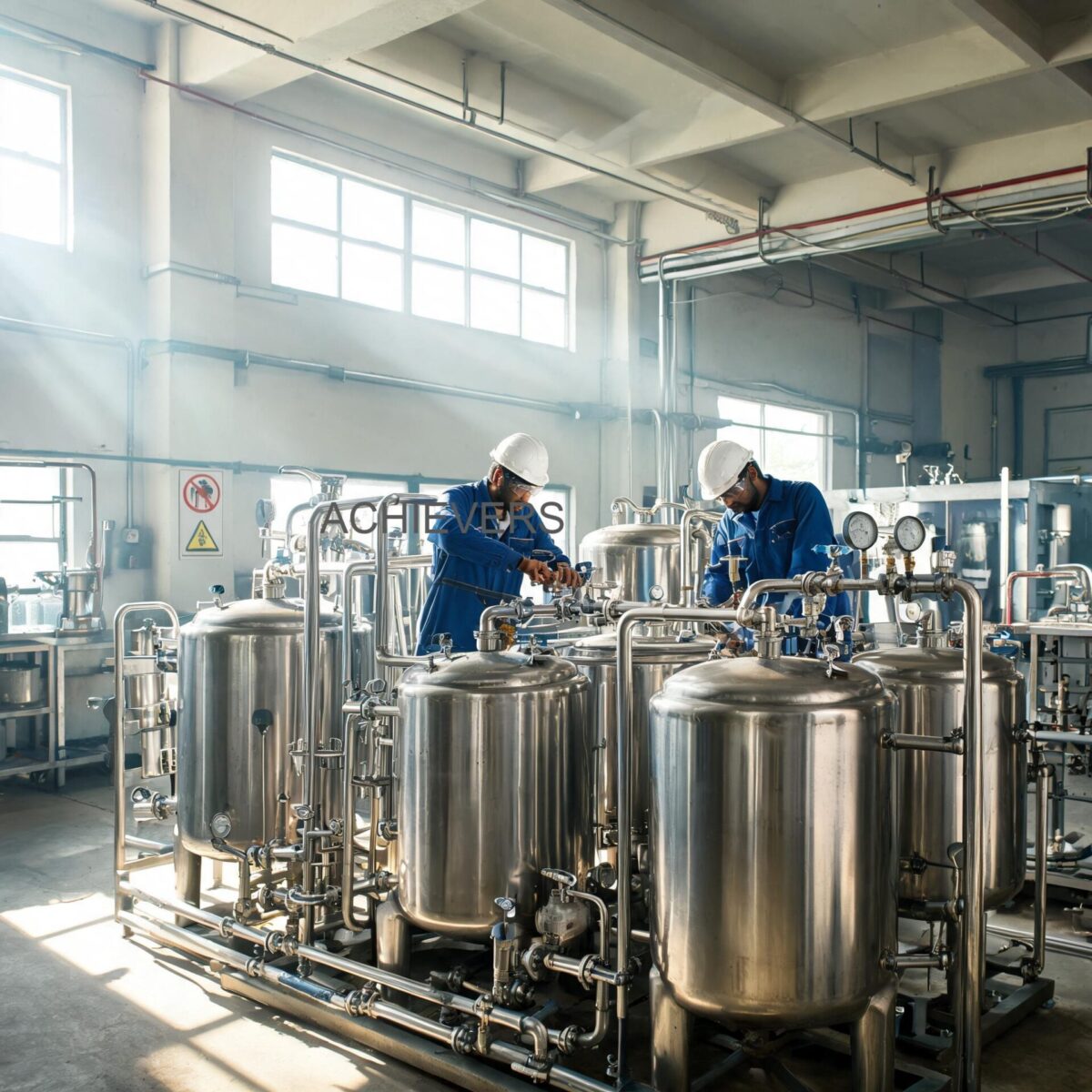
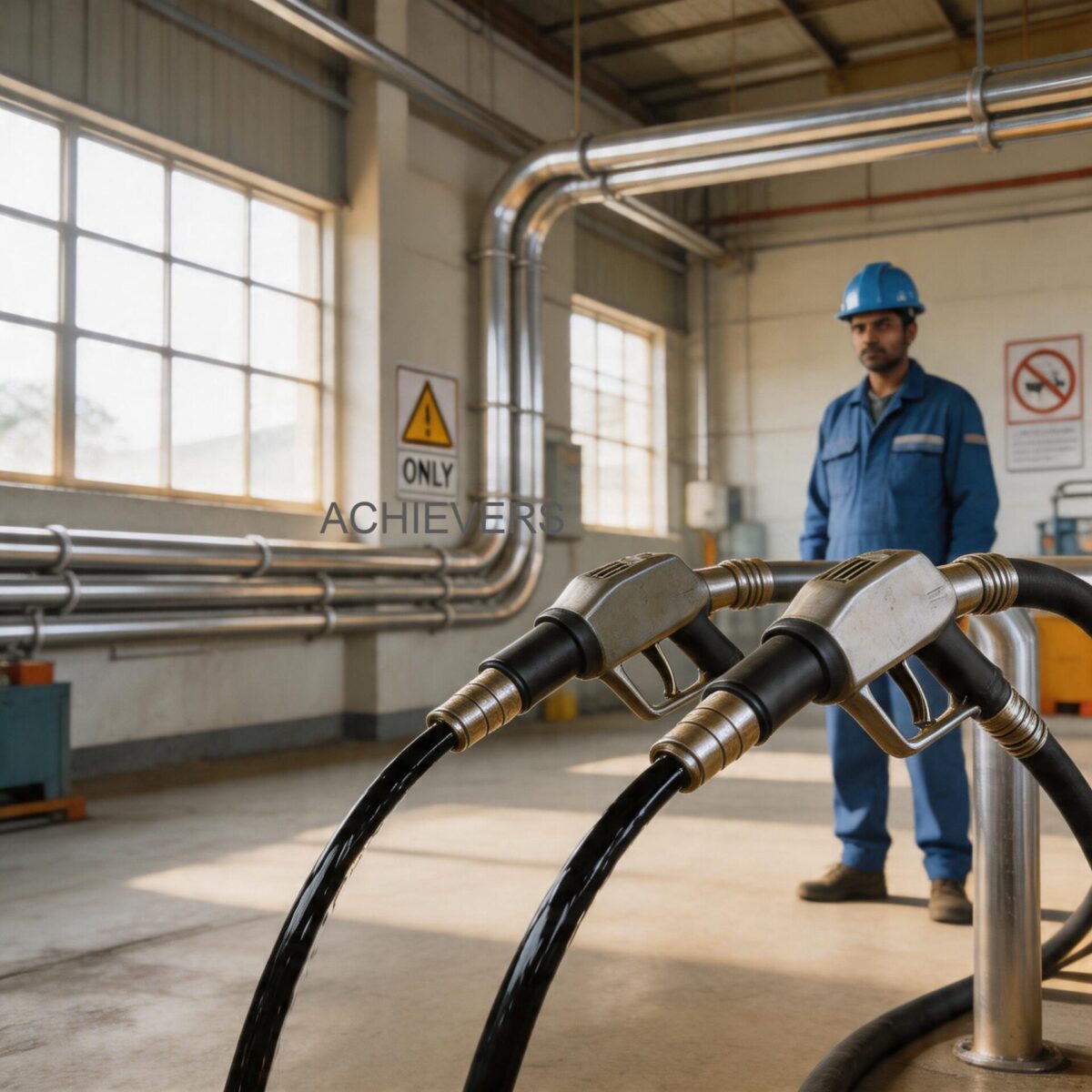
Well-maintained Oil Flow Meters installation at an industrial site as a reference

6. When to Call Service vs. Fix Yourself

Knowing the limits of field maintenance prevents accidental destruction of highly calibrated components. The rugged volumetric rotary cylinder design allows for straightforward maintenance, but precision tolerances dictate strict boundaries.

Field-Fixable:

  • Cleaning or replacing the integrated mesh strainer.
  • Rotating the mechanical register for better viewing angles.
  • Troubleshooting power supplies and pulse wiring to remote totalizers.
  • Replacing external flanged O-rings and fixing pipe leaks.
  • Purging air from the system and installing upstream air eliminators.

Requires Factory Service / Replacement:

  • Rotor/Cylinder Scoring: If the measuring chamber walls or the rotary cylinders are deeply scratched by abrasive particles passing a failed strainer, the fluid slip will permanently ruin accuracy. These cannot be machined in the field; the measuring unit must be replaced.
  • Magnetic Coupling Failure: If the magnetic link between the wet side and dry side is demagnetized or sheared due to extreme shock loading or over-pressurization.
  • Circuit Board Failure: Internal failure of the FI converter or BTF 200 batching circuitry due to lightning strikes or high-voltage shorts.

FAQ

Q: Why does my flow meter read accurately at high flow rates but lose accuracy at low flows?

A: This is usually caused by fluid "slip" inside the measuring chamber. At very low flow rates, a higher percentage of the fluid leaks past the clearances between the rotor and the housing without turning the gears. This is exacerbated if the oil viscosity has dropped due to high temperatures.

Q: Is straight pipe required upstream of this technology?

A: No. Because positive displacement technology measures direct volume rather than velocity profiles, it is largely unaffected by outside components caused by installation. It does not require the 10-20 diameters of straight pipe that turbine or ultrasonic meters demand.

Q: What causes the pressure drop across the meter to suddenly spike?

A: A sudden spike is almost always due to a clogged upstream strainer. If the 100-mesh strainer becomes blinded by rust, sludge, or wax from heavy oils, flow is restricted. Additionally, a severe drop in ambient temperature can spike the fluid's viscosity, drastically increasing the pressure required to turn the mechanical gears.

Q: How do I integrate this mechanical meter into my plant's digital DCS?

A: While typically supplied with mechanical counters requiring no power, you can equip the meter with an optional Pulse Generator (PG 1) and an FI converter. This setup transforms the mechanical rotation into a pulse signal, which is then converted into a standard 4-20 mA output suitable for process controls and remote instrumentation.

Q: Can this meter handle gravity-fed offloading without a pump?

A: Yes. The low pressure drop inherent in the oval gear design makes it highly suitable for gravity applications. For emptying oils under a gravity head, 80mm or 50mm size meters are recommended, as they can operate effectively even under just a 1" head of oil.

Q: Are erratic readings normal when first commissioning the meter on a new pipeline?

A: No, but they are common if the pipeline wasn't properly flushed or if air wasn't purged. Emptying pipelines trap air, which the meter reads as volume. Ensure an air release system is used and the lines are fully bled before recording official totals.

Q: For global applications, including oil flow meters for generators in India troubleshooting, does extreme ambient heat affect accuracy?

A: High ambient heat affects the fluid, not directly the meter's electronics (within rated limits). Heat lowers the oil's kinematic viscosity. If the viscosity drops significantly, internal fluid slip increases, potentially causing the meter to slightly under-read. Recalibration at the operating temperature resolves this.

For advanced technical support, system sizing, or to replace failing units in your facility, contact our engineering team directly. Please provide the exact oil flow meters application, desired line size, maximum flow rate, operating temperature, and whether you require gravity feed or pumped specifications so we can engineer the optimal measurement solution for your plant.

How to Choose Oil Flow Meters for Industrial Consumption Monitoring and Accurate Receipt Measurement

Industrial plants across India—from petrochemical complexes in Gujarat to pharmaceutical hubs in Baddi—rely heavily on liquid fuels. Whether feeding a 1500 kVA DG set during grid power fluctuations or running high-capacity boilers and thermopack heaters, accurate fuel monitoring is the baseline for operational efficiency. When high-value fluids like high-speed diesel (HSD), light diesel oil (LDO), and furnace oil are consumed in large volumes, even a 1% measurement error can translate to lakhs of rupees in unaccounted losses annually. Choosing the right Oil Flow Meters is the most critical instrumentation decision a plant manager can make to prevent inventory shrinkage, detect equipment inefficiencies early, and ensure precise receipt measurement from bulk tankers.

However, selecting instrumentation for Indian industrial environments requires looking beyond the basic datasheet. High ambient temperatures, particulate-contaminated fuels, monsoon humidity, fluctuating power quality, and gravity-fed piping configurations demand robust, purpose-built metering technologies. This highly detailed guide provides instrumentation engineers, plant managers, and procurement heads with a technical roadmap for sizing, selecting, and installing Oil Flow Meters to achieve unwavering accuracy and long-term reliability.

1. What Is Oil Flow Meters and What Does It Do

At its core, industrial Oil Flow Meters are precision volumetric measuring instruments designed to totalize and record the exact quantity of viscous hydrocarbons passing through a pipeline. The industry standard for these applications is the Positive Displacement (PD) type, specifically utilizing an oval gear or volumetric rotary cylinder design.

Unlike velocity-based meters that infer flow from the speed of the fluid, positive displacement meters divide the fluid into discrete, known volumes. The fluid pressure forces the internal gears or cylinders to rotate, and each rotation sweeps a highly precise volume of oil from the inlet to the outlet. Because parts in contact with the fluid are minimal and utilize highly efficient magnetic couplings between the measuring chamber and the register, only one moving part is exposed to the metered fluid. This drastically simplifies maintenance and extends the operational lifecycle.

Crucially, the volumetric rotary cylinder design ensures that measurement accuracy is maintained irrespective of the plane or angle in which the meter is mounted. For applications ranging from bulk storage tank draw-offs to point-of-use consumption tracking, this technology offers unmatched field-proven performance, especially for high-density and high-viscosity liquids.

Core Technical Specifications

Below is the standard engineering specification data for the Achievers brand meters manufactured by Lumen Instruments:

Specification ParameterValue / RatingEngineering Notes
:—:—:—
Line Size Range6 mm to 150 mm (1/4" to 6")Covers small burner feeds up to main storage draw-offs
Standard Accuracy± 0.5% of readingTypical accuracy over the specified flow range
High-Precision Accuracy± 0.2% (Furnished on request)Ideal for Legal Metrology / commercial receipt measurement
RepeatabilityBetter than 0.02%Ensures consistent batching and consumption tracking
Pressure Drop ($\Delta$P)Ultra-low (Operates under 1" head)Capable of gravity unloading without supplemental pumping
Strainer RequirementMinimum 100 meshMandatory upstream to prevent rotor jamming from particulates
Mounting / ConnectionsScrewed (15-25mm), Flanged (40-80mm)Flanges drilled to DIN ND10 specifications
Warranty1 Year + 2 Years Extended (on demand)Assures long-term field reliability

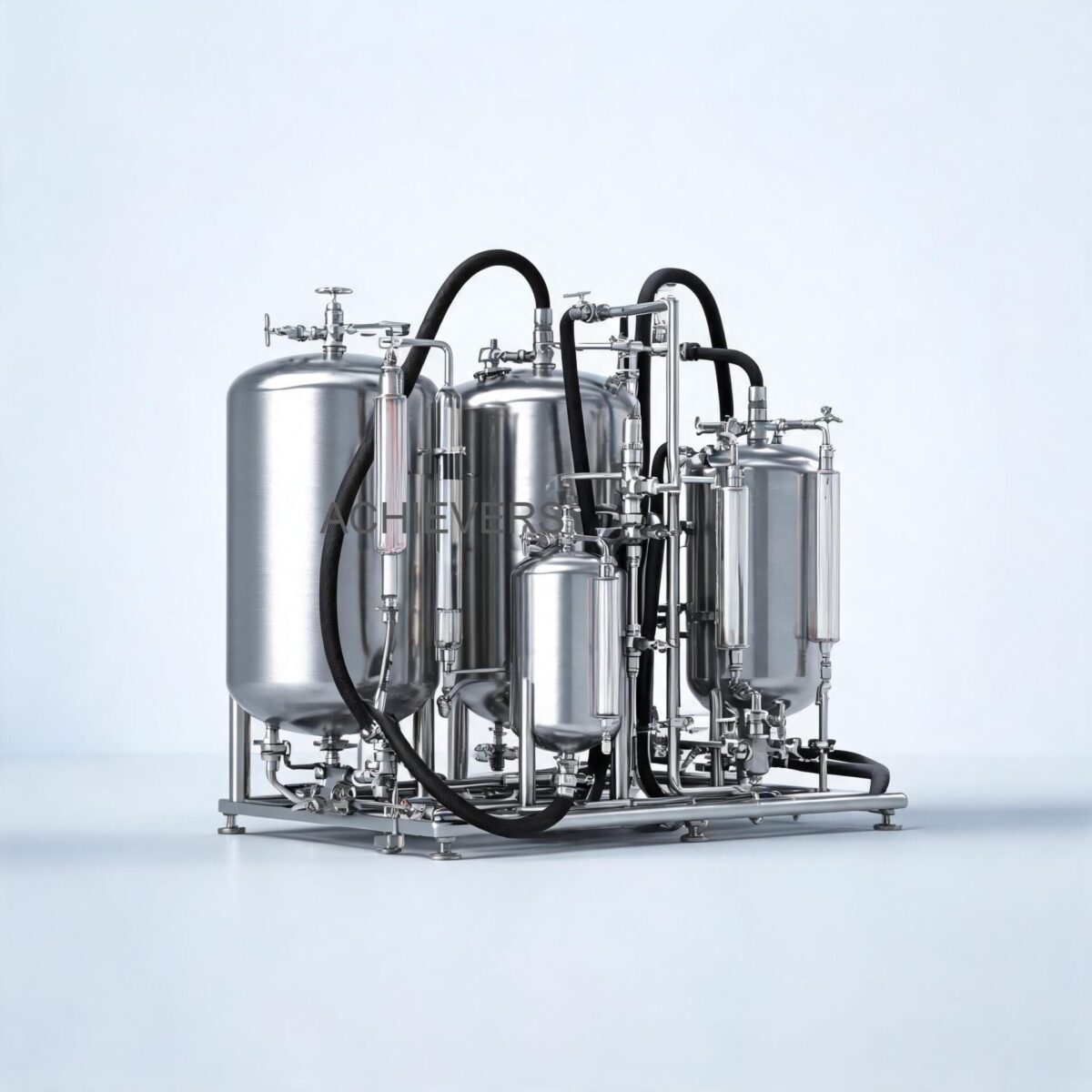
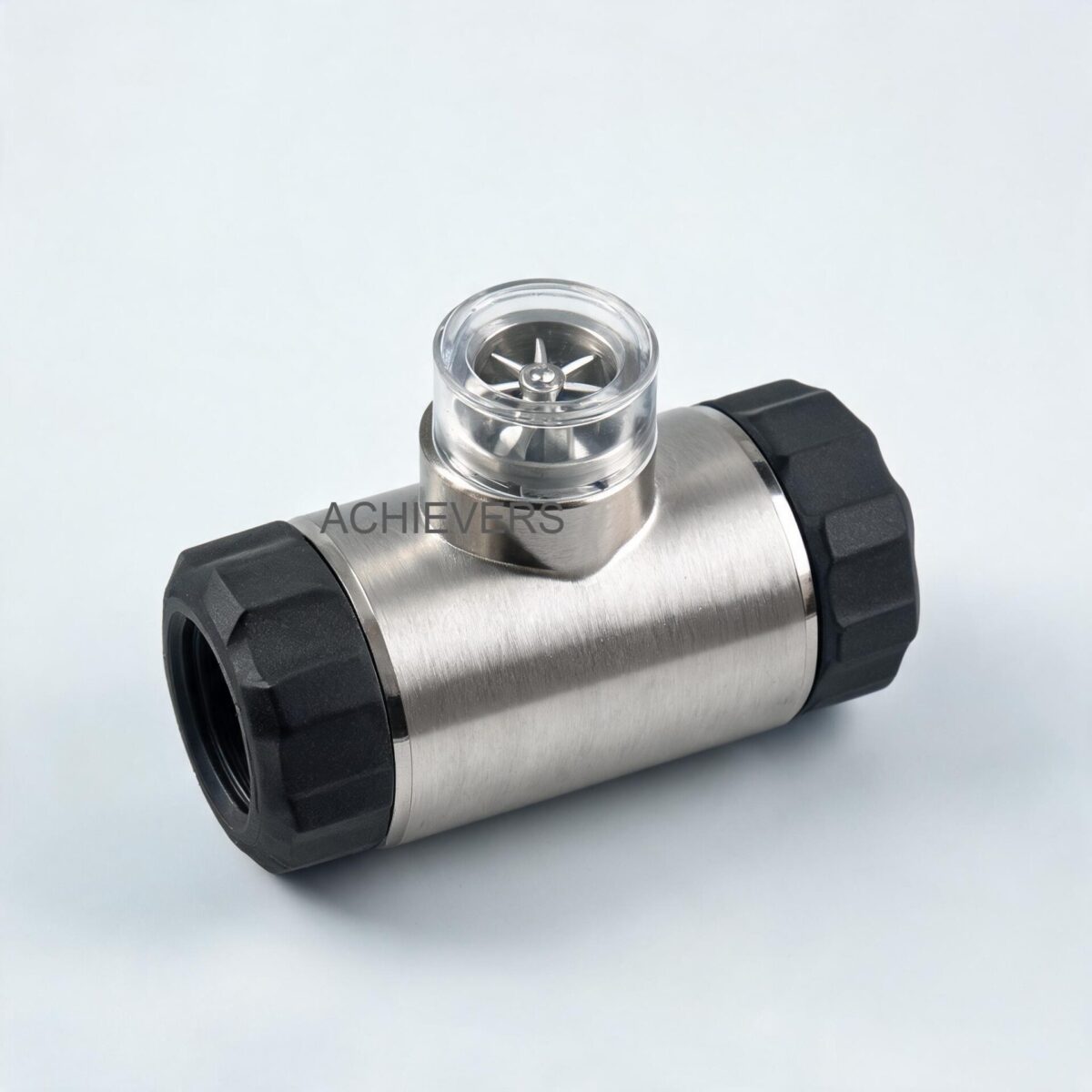
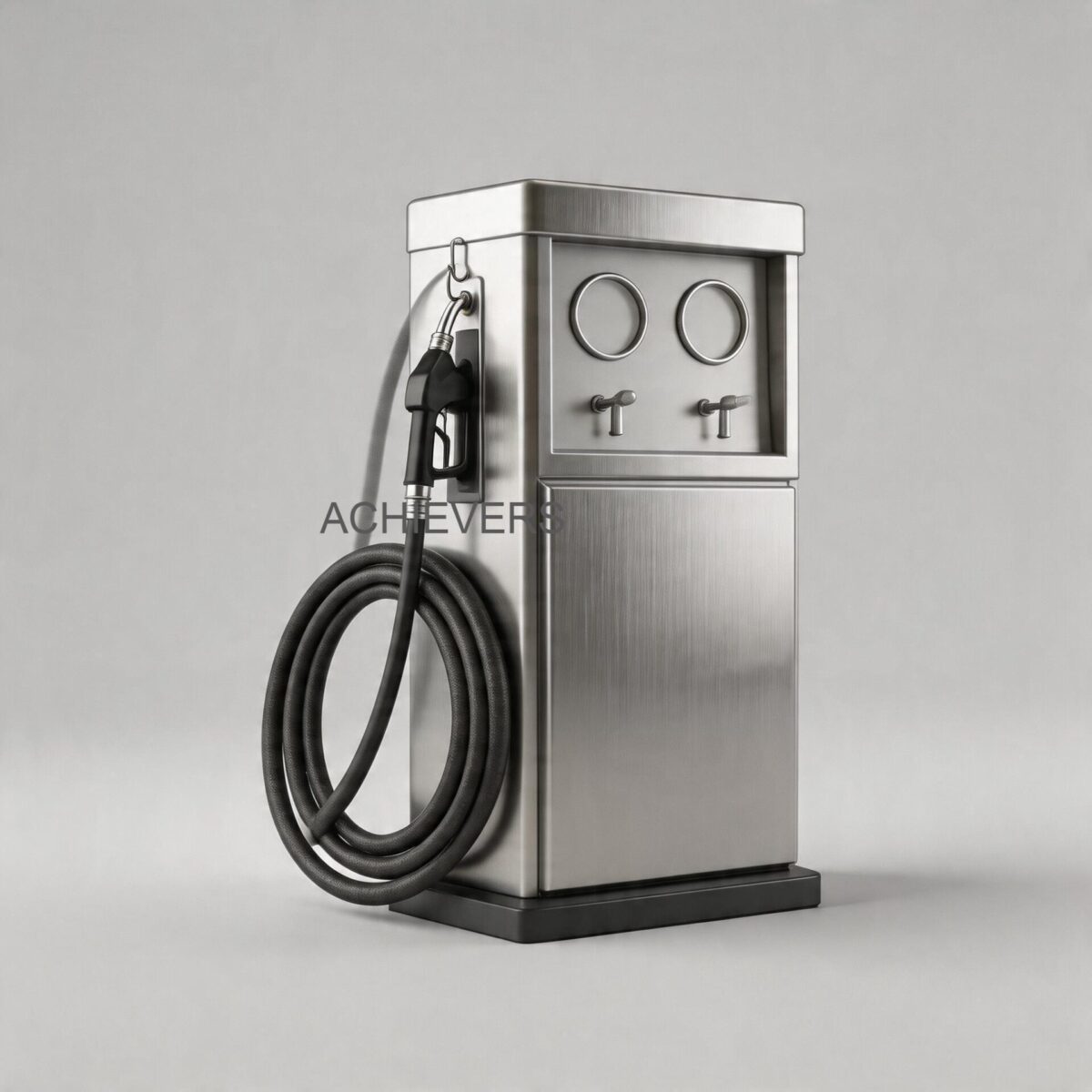
Product overview showing key features and build quality of Oil Flow Meters

2. Key Selection Criteria for Indian Industrial Buyers

When deploying measurement instruments in Indian site conditions, a cut-and-paste approach to sizing will inevitably lead to failure. Instrumentation engineers must map the application parameters against the physical characteristics of the metering technology.

A. Fluid Viscosity and Temperature Profiling

Viscosity is the most critical parameter in selecting a positive displacement meter. While Oil Flow Meters thrive on high-viscosity fluids (which act as a natural sealant between the rotors and the measuring chamber walls, reducing "slip" and improving accuracy), temperature variations in India can drastically alter viscosity. Furnace oil that flows smoothly at 60°C in a pre-heated boiler line will turn into sludge during a winter night shutdown. Engineers must specify the meter based on the kinematic viscosity at the lowest operational temperature to prevent excessive pressure drops or mechanical shearing forces on the meter's gears.

B. Pressure Drop and Available Head

A common application in Indian plants is gravity unloading from bulk storage tanks. Many technologies fail here because they require significant line pressure to operate. The Achievers rotary cylinder design features an exceptionally low pressure drop, capable of operating effectively even under a mere 1-inch head of oil. If unloading via pumps, a 50mm or 80mm meter is ideal; if utilizing purely gravity head, 80mm is highly recommended to maximize flow rate without choking the line.

C. Contamination and Filtration Strategy

Indian fuel supply chains often introduce particulate contamination—dust, rust, and suspended solids—during transit. Because positive displacement meters operate with micro-clearances between the rotors and the chamber walls, hard particulates can cause catastrophic jamming. It is non-negotiable to install an upstream strainer of at least 100 mesh. Before final commissioning, pipelines must be thoroughly flushed to remove construction debris like welding slag.

D. Straight Pipe Run Requirements

One of the most significant advantages of PD technology over velocity meters (like turbine or vortex) is its immunity to flow profile distortions. Industrial boiler rooms and generator canopies in India are often cramped, leaving no room for the 10D/5D (10 pipe diameters upstream, 5 downstream) straight pipe runs required by other meters. Oil Flow Meters are not affected by outside elements caused by installation geometry, allowing them to be bolted directly after elbows or valves.

E. Output Signals and Automation Compatibility

Modern plant environments require integration with Building Management Systems (BMS), SCADA, or PLCs. While mechanical counters are perfect for remote areas lacking stable power, automated plants should utilize solid-state electronics. A Pulse Generator (PG 1) requires a 12-24V DC supply and converts mechanical motion into pulse signals via a three-core cable. For sophisticated process control, these pulses can be fed into an FI converter to generate standard 4-20 mA analog signals or utilized via RS-485 Modbus.

Technology Comparison Table

To understand why Positive Displacement is the preferred choice for hydrocarbons, consider this instrumentation comparison:

ParameterPositive Displacement (Oval/Rotary)Positive Displacement Flow Meters (Gear)Turbine Flow MeterVortex Flow MeterElectromagnetic
:—:—:—:—:—:—
Best Fluid TypeDiesel, Furnace Oil, LDOViscous resins, high-density oilsLow viscosity fluids, waterSteam, gases, very low viscosityConductive liquids (Water, Slurries)
Viscosity LimitExcellent for high viscosityExcellent for high viscosityPoor (high viscosity causes drag)Poor (viscosity dampens vortices)N/A (Does not measure hydrocarbons)
Straight Pipe RequirementNone (0D Up / 0D Down)None (0D Up / 0D Down)High (10D Up / 5D Down)Very High (15D Up / 5D Down)Medium (5D Up / 3D Down)
Pressure DropLow (Works on gravity)Moderate to HighHighModerateZero
Accuracy Rating± 0.5% (up to 0.2%)± 0.5%± 1.0%± 1.5%± 0.5%

'When to Use This Technology' Decision Matrix

  • Use Positive Displacement: When measuring fuels (Diesel, Furnace Oil, LDO), when straight pipe runs are unavailable, when gravity head is the only driving force, and when extreme volumetric accuracy is required for consumption auditing.
  • Use Turbine: When measuring clean, low-viscosity, non-lubricating fluids at high flow velocities where pressure drop is not a concern.
  • Use Electromagnetic: When measuring conductive liquids like cooling water, effluent, or chemical dosing. (Note: Mag meters cannot measure non-conductive hydrocarbons like oil and diesel).

Technical diagram showing selection decision flow for Oil Flow Meters based on application parameters

3. Model and Variant Comparison

Lumen Instruments manufactures several variants under the Achievers brand to suit different site requirements, ranging from basic mechanical totalization to advanced batch controlling.

Model VariantFlow Range / SizePrice Range (INR)Output / Display TypeBest Application
:—:—:—:—:—
Achievers CE-11815mm to 25mm₹9,999 – ₹19,499Mechanical RegisterSmall generator consumption monitoring, low-flow burner lines, remote off-grid sites.
Achievers CE-11940mm to 80mm₹10,999 – ₹19,999Mechanical / DigitalGravity unloading from bulk storage tanks, high-flow process heating lines.
Achievers CE-12025mm to 150mm₹9,999 – ₹62,499Digital (Pulse / 4-20mA / RS-485)Plant-wide SCADA integration, Liquid Batching Systems, commercial fuel receipt measurement.

Engineering Note on Electronic Systems: For batch dispensing, the BTF 200 (Combined Batching, Totalizer, and Rate of Flow Unit) interfaces with the PG 1 pulse generator. It features two set points allowing automated dispensing of pre-determined quantities of liquids, closing solenoid valves exactly when the target volume is reached.

4. Common Mistakes Indian Buyers Make When Choosing

Procurement errors in instrumentation often manifest as operational headaches months after commissioning. Avoid these frequent engineering missteps:

  1. Sizing by Pipe Size Instead of Flow Rate:
  • The Mistake: Ordering a 50mm meter simply because the pipeline is 50mm.
  • The Consequence: If the actual flow rate is only 20 liters per minute, a 50mm meter will operate at the extreme bottom of its turndown ratio, resulting in massive accuracy degradation. Always size the meter based on the maximum and minimum operational flow rates. If the flow rate is small but the pipeline is large, reducers must be used (e.g., using a 15mm or 20mm meter with expansion flanges).
  1. Omitting Air Release Valves during Pump Unloading:
  • The Mistake: Pumping from mobile tankers directly through the meter without an air eliminator.
  • The Consequence: When tankers run empty, the pump introduces massive amounts of air into the line. A volumetric meter will measure this air as if it were expensive fuel, leading to artificial inventory inflation and false receipt records. An air release system is mandatory for pumped unloading.
  1. Ignoring the Bypass Line Requirement:
  • The Mistake: Hard-piping the meter directly in-line without a bypass manifold.
  • The Consequence: When the 100-mesh strainer inevitably clogs with debris, the entire process line must be shut down for maintenance. Always install the meter and its associated filter with a three-valve bypass manifold to simplify servicing without halting plant operations.
  1. Neglecting Viscosity Calibration Factors (Meter Slip):
  • The Mistake: Assuming factory calibration holds true for all fluid types.
  • The Consequence: A meter calibrated on light diesel will show slight deviations if used for thick furnace oil due to changes in fluid slippage.
  • Calibration Note: Always establish a site-specific calibration factor using a master prover.
  • Meter Factor (MF) = True Volume / Metered Volume
  • Multiply subsequent readings by the MF to achieve ± 0.2% commercial accuracy.
  1. Failing to Rotate the Register for Readability:
  • The Mistake: Installing the meter in a physically awkward position and forcing operators to climb or bend unsafely to read the totalizer.
  • The Consequence: Operators misread the dials, leading to bad data in the logbooks. The register top of Achievers Oil Flow Meters can be easily removed and rotated in 90º increments to ensure the display is perfectly aligned for ergonomic visual reading at any angle.

5. Enquiry Specification Checklist

To ensure you receive the precise Oil Flow Meters for your application, provide the following engineering parameters to the manufacturer during the enquiry phase:

  1. Fluid Characteristics: Specify the exact oil type (HSD, LDO, Furnace Oil, Mineral Oil, Hydraulic Oil).
  2. Flow Rate Profile: Provide the Minimum, Normal, and Maximum flow rates (e.g., in Liters Per Hour or Liters Per Minute).
  3. Kinematic Viscosity: Provide the viscosity at standard ambient and actual operating temperatures (in cSt or SSU).
  4. Operating Pressure: Specify the normal operating pressure and the maximum allowable pressure drop across the meter. Note if the system is gravity-fed.
  5. Operating Temperature: Minimum and maximum fluid temperatures to ensure correct internal clearances and seal materials (Viton, PTFE, etc.).
  6. Line Size and End Connections: Specify pipe diameter and preferred connection type (Screwed BSP/NPT or Flanged DIN ND10/ANSI).
  7. Output Requirements: Specify if you need a direct mechanical display, Pulse output for remote totalization, 4-20mA for flow rate indication, or RS-485 for SCADA integration.
  8. Accessories: Confirm the inclusion of a 100-mesh strainer and, if applicable, an air release eliminator and BTF 200 batching controller.

Oil Flow Meters installed and operating at an Indian industrial facility showing correct setup

FAQ

Q: Do I need straight pipe runs upstream and downstream of these flow meters?

A: No. Because they use a positive displacement rotary cylinder design, they do not require a fully developed velocity profile. You can install them directly after elbows, valves, or T-junctions without compromising the ± 0.5% accuracy.

Q: Can this meter operate without an external power supply?

A: Yes. The standard mechanical variants feature a robust gear-driven register that requires absolutely no electricity. This makes them ideal for remote generator monitoring or off-grid fuel depots.

Q: What happens if contaminated fuel enters the meter?

A: Hard particulates can score the measuring chamber or jam the precision rotors. It is strictly recommended to install a strainer of at least 100 mesh upstream of the meter to filter out particulate contamination.

Q: Will the meter cause a pressure bottleneck in my gravity-fed unloading line?

A: No, these meters are engineered for an exceptionally low pressure drop. They can effectively measure high-density fluids and operate even under a minimal 1-inch head of oil without requiring supplemental pumping.

Q: How do I integrate the meter readings into my plant's PLC system?

A: You can equip the meter with an optional PG 1 pulse generator. This unit converts mechanical motion into a pulse signal (requiring a 12-24V DC supply), which can be further converted into a 4-20mA signal or RS-485 Modbus output for seamless PLC/SCADA integration.

Q: Are these meters approved for Legal Metrology in India?

A: High-accuracy variants capable of ± 0.2% precision can be furnished on request. If you are using the meter for commercial custody transfer or exact receipt measurement, ensure you specify this requirement so the unit can be calibrated to comply with relevant weights and measures regulations.

Q: What sizes are best for generator consumption versus bulk storage tank draw-offs?

A: For monitoring oil consumption in DG sets and boilers, smaller 15mm, 20mm, or 25mm meters are ideal. For bulk unloading or tank draw-offs where flow rates are substantially higher, 40mm, 50mm, or 80mm flanged meters should be specified.

Ready to gain absolute control over your plant's fuel inventory and consumption? Contact our instrumentation engineering team today with your fluid type, flow rate profile, and site conditions, and we will help you select the perfectly sized Oil Flow Meters to eliminate measurement errors and safeguard your operational budget.

How Mobile Diesel Dispensers Work: Pump, Metering, Bypass, Filtration, and Nozzle System Engineering

Deploying fueling infrastructure in remote, off-grid environments or across sprawling industrial sites requires measurement and transfer systems that are both highly ruggedized and meticulously engineered. While stationary fuel depots rely on massive, hard-piped infrastructure, field operations demand modularity without sacrificing metering integrity. This is where Mobile Diesel Dispensers bridge the gap between static bulk storage and the dynamic refueling needs of heavy machinery, mining fleets, agricultural equipment, and backup power generators. Understanding the internal architecture of these systems is critical for engineers tasked with controlling fuel shrinkage, maintaining fluid cleanliness, and ensuring accurate volumetric accounting.

A poorly specified dispensing system can lead to severe operational losses through meter drift, pump cavitation, or fluid contamination. By analyzing the engineering principles behind Mobile Diesel Dispensers, plant managers and procurement heads can evaluate equipment based on hydraulic performance, measurement accuracy, and component interaction rather than marketing claims. This technical deep-dive dissects the complete operational path of Mobile Diesel Dispensers—from the suction inlet and internal bypass mechanics to the positive displacement flow sensor and the fluid dynamics of the auto shut-off nozzle.

1. Working Principle: How Mobile Diesel Dispensers Operate

At its core, a mobile diesel dispenser is an integrated skid or wall-mountable unit comprising a prime mover (motor), a fluid transfer mechanism (pump), a precision measurement instrument (flow meter), and delivery accessories (hose and nozzle). The system operates as a cohesive hydraulic circuit designed to draw fuel from a storage vessel, pressurize it, measure it dynamically, and deliver it safely into a receiving tank.

The Hydraulic Path

When the motor is energized, the pump creates a localized pressure drop at the 25 mm inlet, inducing fluid flow from the primary tank. For typical diesel applications, the pump is either a rotary vane or a gear pump, capable of generating the required 3 Bar of working pressure. The fuel is pushed through an internal filtration screen to remove particulate matter that could otherwise score the metering chamber.

Once filtered, the pressurized fluid enters the measurement chamber. In high-accuracy mobile diesel dispensers, this is an Oval Gear Flow Meter, which is a specific type of Positive Displacement Flow Meters. The fluid pressure acts on the meshed oval gears, forcing them to rotate. Because the geometry of the measuring chamber and the gears is precisely machined, each rotation sweeps a discrete, fixed volume of fluid.

The Governing Volumetric Equation

The flow rate calculation in an oval gear meter is independent of fluid viscosity or flow profile, making it highly suitable for fluctuating field conditions. The total dispensed volume is determined by the formula:

V = N x v_s

Where:

  • V = Total fluid volume dispensed
  • N = Total number of gear revolutions
  • v_s = Swept volume per single revolution (a constant physical parameter of the meter chamber)

The rotation of the gears is magnetically or mechanically coupled to a register, which translates the physical rotation into the visible 0-9999 L one-time batch count and the cumulative totalizer reading. Finally, the measured fuel travels through the 4-meter rubber hose and exits via the metal dispensing gun.

Detailed cross-section or cutaway view of Mobile Diesel Dispensers showing the internal oval gear measurement mechanism, bypass valve, and fluid path

2. Complete Technical Specifications

Proper specification requires matching the dispenser's capabilities to the site's electrical infrastructure, required flow rates, and environmental conditions. The following table details the engineering specifications and component limits for standard mobile diesel dispensing units.

Technical ParameterSpecification / RatingEngineering Notes
:—:—:—
Applicable MediaDiesel / Bio-dieselCalibrated for kinematic viscosities of 2 to 5.3 cSt at 40°C.
Measurement TechnologyOval Gear Flow MeterHigh accuracy P.D. flow sensor; immune to flow profile distortions.
Volumetric Precision±0.5%Factory calibrated; maintains accuracy across the turndown ratio.
Max Flow Rate Range60 LPM to 200 LPMVaries by model (e.g., CE-101 vs. CE-130) and fluid viscosity.
Working Pressure3 Bar (approx. 43.5 PSI)Sufficient for pushing through 4m hose and overcoming nozzle restriction.
Motor Power0.375 kWDesigned for continuous or specific duty cycles depending on model.
Power Supply Options12V DC, 24V DC, 220V ACDC variants ideal for truck-mounting; AC for fixed industrial sites.
Inlet / Outlet Size25 mm (1 inch)Standardized thread or quick coupling for rapid deployment.
Batch Totalizer Range0 – 9,999 LitersResettable mechanical or electronic display for single transaction tracking.
Cumulative Totalizer Range0 – 9,999,999 LitersNon-resettable; used for long-term inventory auditing and shrinkage control.
Delivery Hose4 m Rubber HoseHigh tensile strength; rated for maximum working pressure of the pump.
Nozzle AssemblyMetal Gun with Brass FittingFeatures an auto shut-off mechanism for tank topping up.
Model VariantsCE-101, CE-117, CE-130, CE-202, CE-204Rugged construction designed to suit harsh environmental conditions.

Technical schematic of Mobile Diesel Dispensers showing fluid suction path, bypass relief circuit, metering chamber, and delivery hose

3. Technology Comparison & Decision Matrix

Mobile diesel dispensing requires measurement technologies that can handle start-stop flows, vibration, and non-ideal piping runs. While oval gear meters are the standard for high-accuracy dispensers, engineers often evaluate them against turbine meters.

Technology Comparison Table: Oval Gear vs. Turbine Flow Meters

ParameterOval Gear Flow Meter (P.D.)Turbine Flow Meter
:—:—:—
Measurement PrincipleDirect volumetric (Positive Displacement)Inferential (Velocity-based)
Accuracy Rating±0.5% of reading±1.0% to ±2.0% of reading (in field conditions)
Viscosity SensitivityImproves sealing; highly accurate with viscous fluidsAccuracy drops significantly if viscosity fluctuates
Straight Pipe Requirement0D / 0D (None required)10D upstream / 5D downstream required for accuracy
Pressure DropModerate to High (energy used to turn gears)Low (minimal obstruction to flow)
Response to Start/Stop FlowExcellent; captures every drop instantlyPoor; turbine freewheeling causes over-registration
Filtration RequirementHigh; solid particles will jam the gearsModerate; large debris can break rotor blades

"When to Use This Technology" Decision Matrix

  • Use Oval Gear P.D. Meters (Standard in Mobile Dispensers) When: You require custody-transfer level accuracy (±0.5%), the installation space is highly constrained (truck-mounted, no straight pipe runs), flow rates are frequently started and stopped, and fluid viscosity may vary slightly with temperature changes.
  • Use Turbine Flow Meters When: You are measuring very low viscosity fluids (like water or light solvents), high pressure drops are unacceptable, high accuracy is not the primary concern, and you have ample space for straight pipe conditioning upstream of the meter.
  • Use Electromagnetic Flow Meters When: You are dispensing conductive fluids (water, chemicals). Note: Electromagnetic meters cannot measure diesel fuel because hydrocarbons are non-conductive.

4. System Architecture: Pump, Bypass, Filtration, and Nozzle Engineering

The reliability of a mobile dispenser relies not just on the flow meter, but on the precise interaction of all sub-components.

The Pump and Internal Bypass Valve Interaction

The 0.375 kW motor drives a positive displacement pump (typically rotary vane). A critical engineering feature of this system is the internal bypass valve. When the operator releases the trigger on the dispensing nozzle, the fluid flow stops instantaneously. However, the motor and pump are still rotating. Without an escape path, the positive displacement pump would "deadhead," causing an instantaneous pressure spike that could rupture the 4m rubber hose, blow out the pump shaft seals, or overload the electrical motor.

To prevent this, an internal spring-loaded bypass valve is engineered into the pump casing. When system pressure exceeds the 3 Bar working limit, the bypass valve opens, redirecting the pressurized fuel from the discharge side of the pump directly back to the suction side. This allows the pump to run safely in a closed-loop state for short periods (usually 2 to 3 minutes maximum to prevent heat buildup from fluid friction).

Filtration and Air Elimination

Oval gear meters feature precision-machined clearances between the gears and the chamber walls (often measured in microns). If rust, tank sludge, or weld slag enters the chamber, it will cause catastrophic mechanical failure. Therefore, mobile dispensers incorporate a strainer or filter on the suction side.

Furthermore, positive displacement meters cannot distinguish between liquid and air; they will measure air bubbles as dispensed fuel, leading to volumetric over-registration. High-quality systems ensure airtight suction fittings to prevent air entrainment.

Fluid Dynamics of the Auto Shut-Off Nozzle

The auto shut-off metal gun relies on the Venturi effect. Inside the nozzle spout is a small vacuum tube. As fuel flows rapidly through the main body of the nozzle, it creates a localized low-pressure zone (Venturi effect) that draws air through this small tube. When the fluid level in the receiving tank rises and covers the tip of the spout, it blocks the air flow into the vacuum tube. This sudden change in pressure mechanically trips a diaphragm inside the nozzle handle, instantly releasing the spring-loaded main valve and shutting off the fuel flow to prevent hazardous spills.

Field Calibration and Verification Procedure

To maintain the stated ±0.5% precision, mobile diesel dispensers should be periodically verified against a certified volumetric standard.

  1. Safety and Preparation: Ensure the dispenser is on stable ground. Inspect the 4m rubber hose for bulges or abrasions. Secure a calibrated, thermally stable volumetric proving can (e.g., 20L or 50L capacity).
  2. System Priming: Dispense a small amount of diesel back into the main storage tank to purge any trapped air from the suction lines, filter, and metering chamber.
  3. Reset Register: Reset the batch totalizer to exactly 0000. Do not alter the cumulative totalizer.
  4. Dispense: Fully open the nozzle and dispense fuel into the proving can at the maximum continuous flow rate (e.g., 60 L/Min) until the fluid level reaches the nominal capacity mark on the can's neck.
  5. Calculate Error: Compare the exact volume indicated on the prover can's scale against the dispenser's batch register. Calculate the percentage error: Error % = ((Meter Reading – Prover Volume) / Prover Volume) * 100.
  6. Mechanical Adjustment: If the error exceeds ±0.5%, access the calibration screw on the oval gear meter body. Turning the calibration screw adjusts the bypass flow around the measuring chamber, altering the meter's registration factor. Re-run the test until within acceptable tolerance.

5. Performance Characteristics and Error Sources

While the hardware is highly accurate under controlled conditions, field operators must understand the variables that impact measurement integrity.

Viscosity and Slip

In positive displacement meters, a microscopic amount of fluid bypasses the measuring gears without being measured—a phenomenon known as "slip." Because diesel is a relatively viscous fluid (compared to gasoline or water), it effectively seals the tiny clearances between the gears, reducing slip and ensuring high accuracy. If the ambient temperature rises dramatically, the viscosity of the diesel drops, slightly increasing slip and causing the meter to under-register the true volume. Conversely, in freezing conditions, the fluid becomes thicker, reducing slip to near zero.

Temperature Expansion

Diesel fuel has a volumetric coefficient of thermal expansion of approximately 0.00083 per degree Celsius. If fuel is dispensed from an above-ground tank baking in direct sunlight, its volume is expanded. The meter measures the actual gross volume passing through it. For critical custody transfer or highly precise fuel consumption monitoring, engineers must account for this by applying volume correction factors to standardize the dispensed volume back to a reference temperature (typically 15°C globally).

System Pressure Limits

Operating the unit beyond its 3 Bar working pressure—for example, by attempting to push fuel through excessively long, narrow aftermarket hoses—will force the internal bypass valve to open prematurely. This results in drastically reduced flow rates at the nozzle and excessive wear on the motor.

Mobile Diesel Dispensers installed at a harsh global industrial site with correct piping setup, showing the delivery hose and auto shut-off nozzle being utilized

6. Materials and Chemical Compatibility

The wetted materials inside a mobile dispenser dictate what fluids it can safely transfer. The cast iron or aluminum pump bodies, steel vanes, polyacetal (POM) oval gears, and nitrile rubber (NBR) or Viton seals are engineered specifically for middle distillates. Attempting to use a diesel dispenser for incompatible chemicals can lead to rapid seal degradation, gear swelling, or extreme fire hazards.

Fluid / MediaCompatible?Engineering Notes & Hazards
:—:—:—
Diesel FuelYESOptimal viscosity; provides required lubricity for pump vanes and gears.
Bio-diesel (up to B20)YESCompatible with standard NBR/Viton seals. Higher blends may require seal changes.
KeroseneYESAcceptable, though lower viscosity may slightly reduce metering accuracy.
Lubricating Oils (Light)YESCompatible if within the motor's power capacity to pump (watch for high pressure drops).
Gasoline / PetrolNOSevere Explosion Hazard. Units lack ATEX/UL explosion-proof ratings. Zero lubricity will destroy pump.
WaterNOCauses rapid oxidation (rusting) of cast iron pump components and steel shafts.
AdBlue / DEFNOHighly corrosive to cast iron, brass fittings, and aluminum. Requires specialized stainless steel/polymer systems.
Acids / SolventsNOWill aggressively degrade polyacetal gears and NBR seals, causing immediate mechanical failure.

FAQ

Q: What is the maximum length of hose I can attach to the outlet?

A: While the unit comes standard with a 4m rubber hose, extending it up to 8-10 meters is possible. However, increasing hose length increases friction loss, which will reduce your maximum flow rate and may cause the pump's internal bypass to activate if the pressure exceeds 3 Bar.

Q: Can I use this dispenser to pump high-viscosity gear oils or hydraulic fluids?

A: No, these units are optimized for diesel viscosities (approx. 2-5.3 cSt). Pumping heavy gear oils will cause extreme backpressure, overloading the 0.375 kW motor and risking severe damage to the pump vanes and flow meter gears.

Q: Why does the pump run, but no fuel is dispensing from the nozzle?

A: This usually indicates an air leak on the suction side, causing the pump to lose its prime. Alternatively, the internal bypass valve may be stuck in the open position due to debris, or the suction filter screen is completely clogged with tank sludge.

Q: How often does the oval gear meter require recalibration?

A: For internal inventory tracking, field verification is recommended every 6 to 12 months. In harsh industrial environments with heavy particulate loads, more frequent checks are necessary, as gear wear will eventually alter the swept volume (v_s), leading to meter drift.

Q: Can I leave the pump running while the nozzle is closed?

A: Only for very short periods (1-3 minutes). When the nozzle is closed, the fluid circulates through the internal bypass valve. Continuous bypass operation generates immense friction heat, which can vaporize the diesel, cause cavitation, and destroy the pump seals.

Q: Does the dispenser require a flooded suction line?

A: Rotary vane and gear pumps used in these systems are self-priming up to a certain lift (usually 2-3 meters). However, utilizing a foot valve with a strainer on the suction line prevents the fluid from draining back into the tank, ensuring instantaneous flow upon start-up and preventing dry-running wear.

Q: Will extreme site conditions affect the accuracy of the cumulative totalizer?

A: Extreme temperatures will affect the fluid's physical volume due to thermal expansion, but the physical oval gears will continue to measure exactly what passes through them at ±0.5% accuracy. Ensure the unit is shielded from direct rain and extreme dust to protect the electrical motor and mechanical register components.

To optimize your fleet refueling operations and eliminate inventory shrinkage, it is critical to match your dispensing hardware directly to your site requirements. Contact our engineering team with your specific flow rate needs, power availability (DC vs. AC), and environmental site conditions to receive a technical evaluation and sizing recommendation for your Mobile Diesel Dispensers.

Mobile Diesel Dispensers for Construction Sites: On-Site Refueling to Cut Downtime and Fuel Loss

Managing fuel distribution across decentralized, heavy-duty construction sites presents a unique set of logistical and economic challenges for project managers. While centralized bulk storage is necessary, the reality of global infrastructure projects—from highway expansions to remote mining operations—dictates that the fuel must be mobilized to reach stationary or slow-moving machinery. Relying on basic drum pumps or unmetered transfer hoses introduces high margins of error, undocumented fuel consumption, and significant contamination risks.

To bridge the gap between bulk storage and machine consumption, industrial operators utilize Mobile Diesel Dispensers. These robust, integrated skid systems combine high-capacity transfer pumping with precision flow measurement technologies. Unlike generic transfer equipment, a true dispensing system relies on positive displacement metering to track every liter dispensed into an asset, ensuring auditable consumption metrics and strictly limiting inventory shrinkage.

For the procurement engineer or plant manager, specifying Mobile Diesel Dispensers requires understanding not just the hydraulic capabilities of the pump, but the metrological accuracy of the integrated flow meter, the mechanical durability of the construction, and the compliance with site safety standards. Properly engineered Mobile Diesel Dispensers transition an operation from reactive fuel filling to proactive fluid inventory control.

1. Industry Overview: The Fluid Challenge

Heavy earthmoving equipment, cranes, and portable power generators operate continuously under demanding load profiles. A standard articulated dump truck can consume over 30 to 40 liters of diesel per hour. When multiplied across a fleet of 50 machines operating on multiple work fronts, fuel management becomes a dominant operational expense.

The primary challenge in construction site refueling is maintaining metrological accuracy in uncontrolled environments. High ambient temperatures alter the viscosity and density of diesel fuel. High-vibration environments (such as on the back of a lube truck traversing unpaved roads) can damage delicate electronic sensors. Airborne particulate matter and dust present a severe threat to both internal pump components and the heavy machinery's fuel injection systems.

Furthermore, legal accountability is paramount. Discrepancies between bulk tank deliveries and machine consumption logs often point to inefficient transfer practices, thermal expansion losses, or outright theft. Generic flow indicators with ±2.0% error margins are unacceptable for cost-accounting. Industrial-grade Mobile Diesel Dispensers resolve these variables by utilizing precision-machined oval gear flow meters capable of maintaining a strict ±0.5% precision regardless of field conditions, provided operating pressures remain within the system's 3 Bar specification.

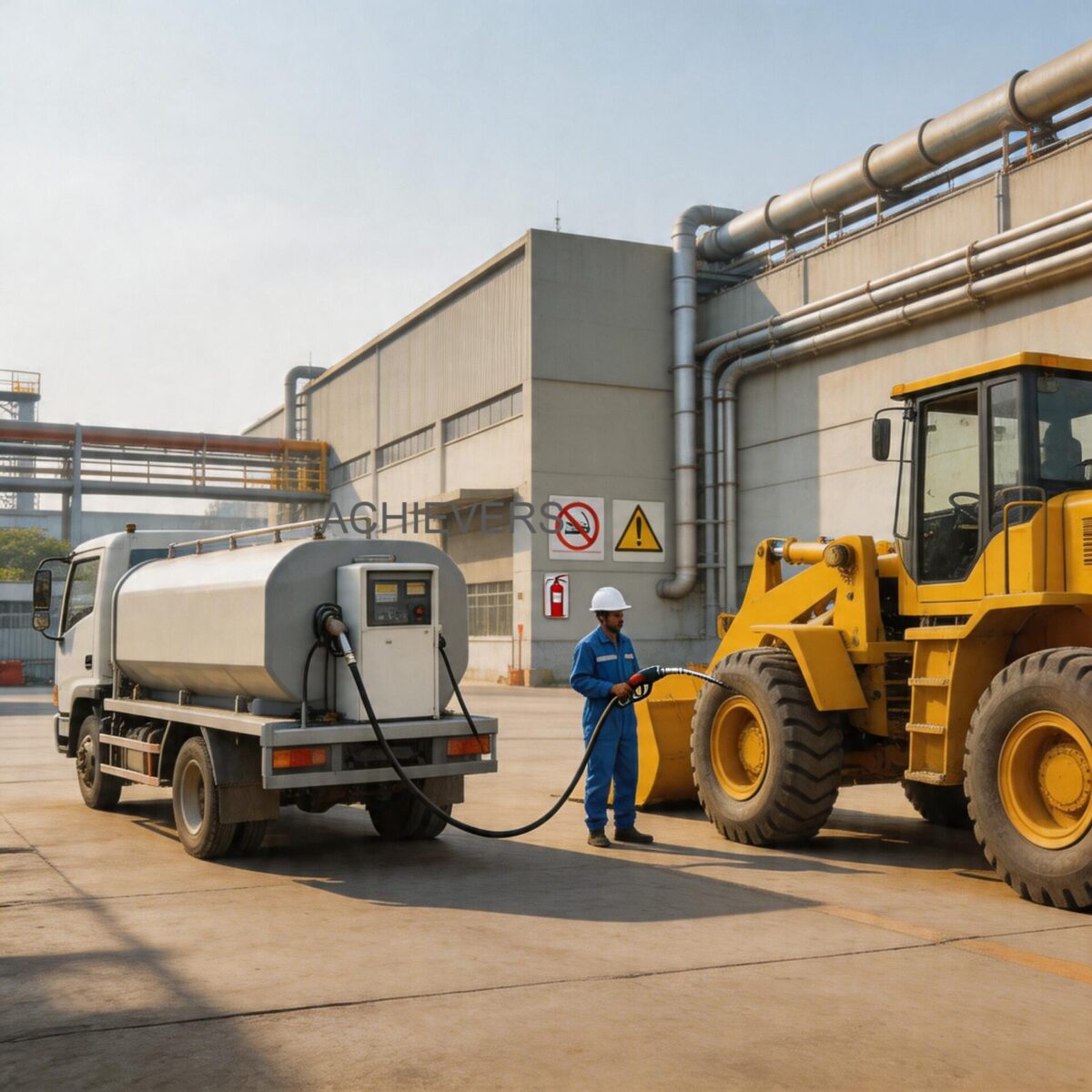
Mobile Diesel Dispensers mounted on a heavy-duty service truck refueling articulated dump trucks in a highly abrasive construction environment

2. Product Capabilities Matched to Industry Needs

Mobile Diesel Dispensers from the Achievers series (such as models CE-130, CE-204, and CE-117) are engineered specifically for the harsh realities of mobile fuel distribution. The integration of a 0.375 kW motor with a dedicated positive displacement flow sensor ensures that flow capacity and measurement integrity are never decoupled.

Industry RequirementMobile Diesel Dispensers FeatureEngineering Rationale / How It Addresses the Need
:—:—:—
High-Speed RefuelingFlow Rate Range: 60 L/Min up to 200 L/MinMinimizes downtime; a 60 LPM system fills a standard 300L machine tank in 5 minutes, allowing service trucks to optimize routes.
Auditable AccuracyOval Gear P.D. Flow Sensor (±0.5% Precision)Volumetric measurement independent of flow profile, ensuring exact batch accounting for cost tracking per machine.
Spill PreventionAuto Shut-Off NozzleMechanical pressure-sensing nozzle automatically terminates flow when the tank is full, eliminating overflow and environmental hazards.
Durable Field Operation3 Bar Working Pressure / Robust ConstructionEnsures the pump can overcome the dynamic head of long hose runs (4m rubber hose standard) and inline filtration restrictions.
Batch and Lifecycle TrackingResettable Batch (0-9999 L) & Cumulative Totalizer (0-9999999 L)Dual-register mechanical or electronic counting allows operators to log individual fills while managers track the lifetime throughput.
Hardware Compatibility25 mm (1-inch) Inlet/Outlet Brass FittingsStandardized industrial porting allows for rapid integration with existing suction strainers, quick-camlocks, and bulk tank piping.
Power Flexibility0.375 kW Power RequirementLow power draw permits operation via vehicle batteries (12V/24V DC configurations) or portable site generators (220V AC).
Chemical ResistanceCompatible Materials (Metal gun, specialized seals)Designed specifically for the lubricity, vapor pressure, and chemical composition of commercial diesel and bio-diesel blends.

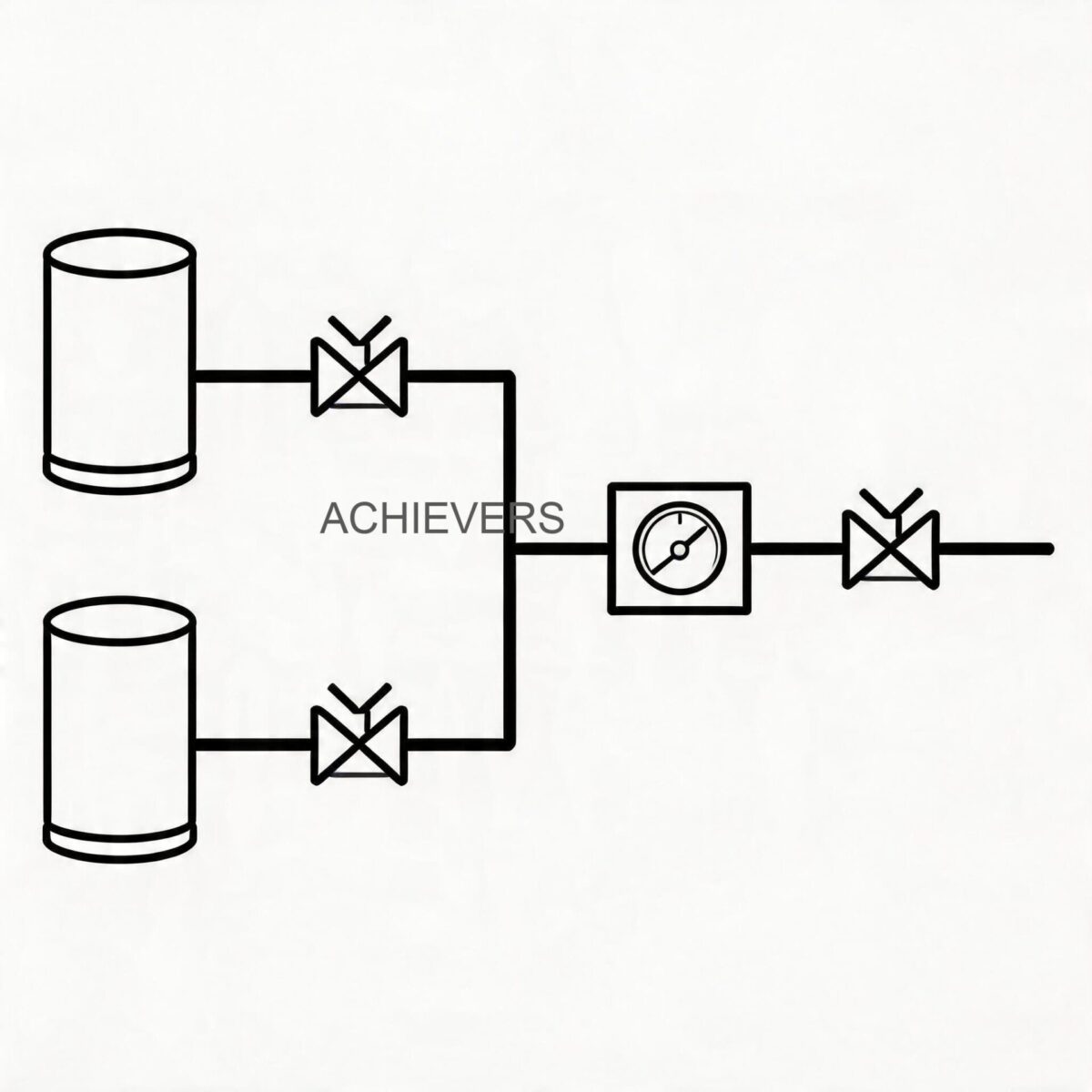
Process flow diagram showing fluid transfer sequence from bulk storage through the pump, oval gear flow meter, and auto shut-off nozzle of Mobile Diesel Dispensers

3. Typical Installation Scenarios in This Industry

The modular design of these dispensing systems permits flexible deployment across the civil engineering and industrial landscape.

Scenario A: The Mobile Lube and Fuel Truck (Fleet Servicing)

The most common application involves mounting the dispenser directly to the flatbed or enclosed utility body of a service truck. A customized 1,000L to 3,000L bulk tank is secured to the chassis. The dispenser is hard-piped to the tank's bottom-discharge port (incorporating an isolation valve and primary Y-strainer). Operating on 12V or 24V DC power drawn directly from the truck's alternator system, this setup allows the service vehicle to approach earthmovers mid-shift. The 4m rubber dispensing hose with auto shut-off nozzle ensures the operator can safely reach the excavator's fuel port while standing on the tracks.

Scenario B: Temporary Skid Tanks for Remote Work Fronts

For stationary equipment like rock crushers, screening plants, or high-capacity dewatering pumps, continuous fuel truck visits are inefficient. Instead, contractors place ISO tank containers or localized skid tanks near the equipment. The dispenser is mounted directly to the wall of the skid tank. Because these locations often have access to temporary site power, a 220V AC dispenser is typically specified. When paired with high-capacity Fuel Transfer Pumps to initially fill the skids, the localized dispenser provides controlled, metered access for daily equipment top-offs.

Scenario C: Emergency Power Generation and Facility Backup

Beyond construction, massive data centers, hospitals, and offshore rigs rely on continuous diesel generator backup. Mobile dispensers are utilized to transfer fuel from underground primary storage to the generator's smaller day-tanks. The ±0.5% precision of the oval gear meter is critical here for strict regulatory reporting regarding emissions and standby fuel readiness.

4. Compliance, Accuracy, and Certification Requirements

Instrumentation engineers understand that not all flow meters are appropriate for hydrocarbon dispensing. Diesel fuel is a relatively clean, lubricating fluid with a dynamic viscosity typically ranging from 2 to 4.5 centistokes (cSt) at 40 degrees Celsius. While various technologies can measure flow, their performance varies drastically under field conditions.

Technology Comparison Table: Diesel Measurement Systems

To highlight why Positive Displacement (Oval Gear) technology is the global standard for fuel dispensing, we must compare it against other common flow measurement principles.

ParameterPositive Displacement (Oval Gear)Turbine Flow MetersElectromagnetic (Mag Meters)Vortex Shedding
:—:—:—:—:—
Primary Use CaseCustody transfer, batch dispensing, high accuracyHigh-flow steady state transferWater, wastewater, conductive slurriesSteam, gas, low-viscosity liquids
Accuracy Rating±0.5% to ±0.1%±1.0% (highly dependent on flow rate)N/A (Diesel is non-conductive)±1.0% to ±1.5%
Viscosity SensitivityExcellent (Accuracy improves with higher viscosity)Poor (Viscosity changes alter rotor K-factor)N/APoor (Struggles with viscous dampening)
Straight Pipe RequirementNone (0D upstream / 0D downstream)High (10D upstream / 5D downstream)High (5D upstream / 3D downstream)Very High (15D upstream / 5D downstream)
Suitability for DieselIdeal (Diesel lubricates the gears)Good (but requires inline strainers)Incompatible (Requires >5 microSiemens/cm)Marginal (Pressure drop limitations)
Flow Profile DependencyInsensitive to swirl or flow disturbancesHighly sensitive to turbulent flow profilesSensitiveSensitive

The Engineering of Oval Gear Accuracy

The core of the Mobile Diesel Dispenser's metrology is the Positive Displacement (P.D.) Oval Gear Flow Meter. Unlike inferential meters (like turbines) that calculate flow based on fluid velocity, a P.D. meter physically traps a known volume of liquid and passes it from inlet to outlet.

Volumetric Calculation Principle:

The flow rate calculation for an oval gear meter is mathematically deterministic, defined by the geometry of the measuring chamber.

Flow Rate (Q) = V_s * N * (1 – Slip Factor)

Where:

  • V_s = Swept Volume per complete revolution of the gear pair.
  • N = Rotational Frequency (revolutions per minute).
  • Slip Factor = The minute amount of fluid that bypasses the gears via mechanical clearances.

Because diesel has a higher viscosity than water, the "Slip Factor" approaches zero. The fluid itself seals the microscopic gaps between the oval gears and the chamber wall. This means that as long as the fluid is clean and the gears are turning, the accuracy of ±0.5% is guaranteed, regardless of whether the pump is operating at the low end (e.g., 20 LPM) or its maximum rated capacity (200 LPM). Furthermore, because P.D. meters require zero straight pipe runs, they can be compactly integrated into the tight footprint of a mobile skid.

5. ROI and Operational Benefits

Investing in engineered dispensing solutions provides rapid return on investment (ROI). In an industry where a 2% variance in fuel tracking can amount to hundreds of thousands of dollars in annual losses, the precision of a dedicated dispensing unit pays for itself within the first quarter of deployment.

'When to Use This Technology' Decision Matrix

Use the following matrix to determine if a Mobile Diesel Dispenser is the correct specification for your application:

  • Is the fluid strictly diesel, bio-diesel, or light oil?
  • Yes: Proceed. Oval gears require lubricating fluids.
  • No (Water, AdBlue/DEF, Corrosives): Halt. Look for chemical-rated diaphragm pumps and mag-meters.
  • Do you require batch accuracy for cost accounting?
  • Yes: Proceed. The ±0.5% precision and resettable batch counter are mandatory.
  • No (Just moving bulk fluid): Consider standard high-flow centrifugal pumps without metering.
  • Is the installation space highly constrained (e.g., truck bed)?
  • Yes: Proceed. PD meters require zero upstream straight pipe runs.
  • Is the target application mobile/remote?
  • Yes: Proceed. 12V/24V DC configurations are designed specifically for vehicular power grids.
Benefit CategoryTypical ImprovementIndustrial Context & Operational Impact
:—:—:—
Fuel Loss Prevention95% reduction in undocumented fluidPrecise batch totalizers enforce accountability. Operators must log the exact volume dispensed against the machine ID, preventing internal theft.
Equipment Uptime30% reduction in refueling cycle timeHigh-capacity flow (up to 200 LPM on CE-130 models) allows service trucks to refuel a machine in minutes, keeping the asset moving.
Contamination ControlSignificant drop in injector failuresIntegrated dispensing relies on closed-loop hoses and clean auto-shutoff nozzles, eliminating the dirt ingress common with open buckets.
Safety & EnvironmentalNear elimination of ground spillsThe mechanical auto shut-off nozzle reacts to tank backpressure instantly, preventing overflows and costly soil remediation efforts.

Operator utilizing a portable diesel dispenser with an auto shut-off nozzle to refuel an excavator on a remote global infrastructure project

6. Selection Checklist for This Industry

When specifying a dispensing system for an industrial project, plant managers must evaluate several technical parameters to ensure system longevity.

  1. Determine Target Flow Rate: Calculate the total fuel required per shift and the time available for refueling. Standard construction applications use 60 L/Min, while high-capacity mining trucks demand models operating up to 200 L/Min.
  2. Verify Power Availability: Select between 12V DC (light commercial vehicles), 24V DC (heavy earthmoving plant electrical grids), or 220V AC (stationary skid tanks and site power).
  3. Filtration Assessment: Ensure a dedicated particulate and water-absorbing filter (minimum 10 to 30 microns) is installed upstream of the dispenser to protect the oval gear tolerances.
  4. Confirm Hose Length Requirements: The standard 4m rubber hose is suitable for direct truck-to-truck transfer. If refueling requires extended reach (e.g., across trenches), specify extended heavy-duty hosing, noting the impact on dynamic head pressure.
  5. Identify Metering Precision: Verify the application requires custody-transfer or batch-level accuracy. Ensure the unit specifies ±0.5% precision via Positive Displacement technology.
  6. Evaluate Working Pressure Requirements: Ensure the pump curve can maintain the 3 Bar working pressure through all downstream restrictions (filters, meters, hoses, and swivels).
  7. Check Accessory Compatibility: Ensure the 25 mm brass fittings are compatible with your existing quick-disconnect inventory or camlock setups.
  8. Review the Totalizer Limit: Confirm the 0-9999999 L cumulative totalizer is sufficient for the asset's expected maintenance lifecycle before rollover.

Standard Operating Procedure for Accurate Field Dispensing

To maintain the ±0.5% accuracy and ensure safe operation, operators must adhere to a strict dispensing procedure:

  1. Pre-Operation Inspection: Visually inspect the 4m rubber hose for abrasions, check the 25 mm inlet/outlet brass fittings for weepage, and ensure the auto shut-off nozzle spout is clean.
  2. Zero the Batch Counter: Engage the reset knob to clear the previous transaction, ensuring the one-time count range reads exactly 0 L. Record the cumulative totalizer reading in the logbook.
  3. Engage Power System: Switch on the 0.375 kW pump motor. Listen for smooth operation; cavitation or excessive whining indicates a blocked suction strainer.
  4. Dispense Fuel: Insert the metal gun into the receiving asset's tank and pull the trigger. Ensure the nozzle is seated properly so the auto shut-off vacuum port can detect fluid level.
  5. Automatic Termination: Allow the auto shut-off mechanism to terminate the flow. Do not repeatedly "top off" the tank, as this can lead to fluid expansion spills and skews metered accuracy.
  6. Deactivation and Logging: Turn off the pump motor to relieve line pressure. Record the final batch volume (from the 0-9999 L register) into the site's fuel management software. Stow the hose securely.

FAQ

Q: Can Mobile Diesel Dispensers be used to pump water or AdBlue/DEF?

A: No. These dispensers utilize oval gear flow meters and internal pump components that rely on the lubricating properties of diesel fuel. Pumping water or corrosive fluids like AdBlue will strip lubrication, causing the gears to seize and internal metal components to rust.

Q: Why does the system use an Oval Gear meter instead of a Turbine meter?

A: Oval gear positive displacement meters physically measure discrete volumes of fluid, offering ±0.5% precision that is unaffected by flow rate fluctuations, viscosity changes, or lack of straight pipe runs. Turbine meters lose accuracy if the flow rate drops or if there is fluid turbulence from the pump.

Q: What power options are available for remote sites without grid access?

A: Dispensers can be specified with 12V DC or 24V DC motors. These low-draw (0.375 kW) motors are designed to be wired directly into the battery and alternator systems of flatbed trucks, pickups, or heavy machinery.

Q: How often does the internal flow meter require calibration?

A: Positive displacement meters are highly stable, but standard industrial metrology practices recommend verifying calibration annually using a certified volumetric proving can. If the dispensed fluid is heavily contaminated, accelerated wear on the gears may require more frequent validation.

Q: What is the maximum distance I can extend the dispensing hose?

A: The standard system includes a 4m rubber hose. While you can extend this up to 10-15 meters, doing so increases the frictional pressure drop. The pump has a maximum working pressure of 3 Bar; exceeding this dynamic head limit will significantly reduce the 60 L/Min flow rate.

Q: Does the auto shut-off nozzle require a power connection?

A: No. The auto shut-off nozzle is a purely mechanical device. It utilizes a small vacuum port near the tip. When the rising diesel fluid covers this port, the change in pressure trips a mechanical latch inside the handle, instantly snapping the valve shut to prevent spills.

Q: Can the cumulative totalizer be reset by operators to hide stolen fuel?

A: No. While the standard batch counter (0-9999 L) is easily resettable via a dial for daily operations, the cumulative totalizer (0-9999999 L) is designed to track lifetime throughput and cannot be reset without dismantling the meter casing, effectively preventing undocumented fuel shrinkage.

To optimize fuel distribution on your upcoming project, contact our technical sales team for guidance on specifying the right Mobile Diesel Dispensers for your fleet. Please provide your required flow rates, vehicle power configurations, and expected site conditions so we can engineer a system that maximizes your operational uptime.

How to Choose Fuel Flow Meters for Diesel and Oil Transfer: Accuracy, Outputs, and Materials

Accurate measurement of bulk diesel and lubricating oils is not just a process requirement; it is a critical financial control mechanism. In Indian industrial contexts—ranging from cement plants in Rajasthan to petrochemical refineries in Gujarat—diesel represents a massive operational expenditure. At current INR fuel rates, a metering error of just 1% on a 500-liter-per-day transfer system results in unaccounted losses exceeding ₹1,60,000 annually. Choosing the wrong flow measurement technology leads directly to inventory shrinkage, poor generator efficiency calculations, and compromised process automation.

This technical buyer’s guide is engineered for industrial procurement heads, plant managers, and instrumentation engineers. It provides a deep dive into selecting the right Fuel Flow Meters by matching flow ranges, viscosity profiles, construction materials, and output signals to the harsh realities of Indian site conditions.

1. What Is Fuel Flow Meters and What Does It Do

At their core, Fuel Flow Meters are precision instrumentation devices designed to quantify the exact volume of liquid hydrocarbons passing through a pipeline. The digital variants primarily utilize an axial turbine measuring framework. As the fluid enters the meter, it strikes the turbine blades, causing the rotor to spin at an angular velocity directly proportional to the fluid's flow rate.

What sets industrial-grade Fuel Flow Meters apart from commercial gas station totalizers is their internal metallurgy and signal processing. High-quality units feature an S.S. 316 (Stainless Steel) housing to resist corrosion from high-sulfur or contaminated fuels. Furthermore, the rotor assembly spins on a solid-state tungsten carbide-ceramic bearing. This specific material pairing renders the rotational movement practically frictionless, producing a substantial linear range while virtually eliminating pressure drop (head loss).

For signal transmission in electrically noisy mechanical environments (common in Indian factories with heavy VFD usage), the meter utilizes a detachable square-wave generated pickup assembly. This solid-state device converts the mechanical rotation into a high-fidelity electronic pulse, immune to standard electromagnetic interference.

SpecificationValueEngineering Notes
:—:—:—
Model SeriesCE-104 / Achievers SeriesFlange and threaded types available
Measured MediumsDiesel, Kerosene, Gasoline, Light OilsKinematic viscosity must be evaluated for heavy oils
Connection SizeBSPT / NPT 1"Ensure pipe schedule matches thread standard
Calibrated Flow Rate6–100 L/Min or 0–120 L/MinHighly sensitive to low flow rates
Metric Accuracy±1% over linear rangeDependent on stable fluid viscosity
Display Mechanics5-Digit LCD readoutVacuum-sealed, leak-proof dry totaliser
Accumulative Counter8 DigitsNon-resettable mechanical/digital backup
Core MetallurgyS.S. 316 HousingPrevents galvanic corrosion with dissimilar pipe metals
Bearing MaterialTungsten Carbide-CeramicSelf-lubricating, frictionless, long maintenance-free life

Product overview showing SS316 housing and 5-digit LCD display of Fuel Flow Meters calibrated for diesel transfer

Engineering Note: Pulse Calibration and the K-Factor

When integrating a digital fuel meter with a PLC or SCADA system, the instrument relies on a calibration constant known as the K-Factor.

The K-Factor represents the number of pulses generated by the meter per unit volume of fluid passing through it (Pulses/Liter).

To calculate the total volume dispensed, the PLC uses the straightforward formula:

Total Volume = Total Accumulated Pulses / K-Factor

For highly accurate batching, the K-Factor must be verified at the site using a Legal Metrology certified proving tank, especially if the fluid's operating temperature deviates significantly from the factory calibration baseline.

2. Key Selection Criteria for Indian Industrial Buyers

Procuring a flow meter strictly based on line size is an engineering fallacy that guarantees poor performance. Indian industrial sites present unique challenges: extreme ambient heat (often exceeding 45 degrees Celsius), heavy particulate dust, aggressive voltage fluctuations, and monsoon-induced humidity. Consider the following criteria before finalizing a purchase.

1. Flow Profile and Turndown Ratio

A meter rated for 0–120 L/Min is designed to capture high-velocity transfers. However, turbine meters have a minimum Reynolds number requirement to maintain their ±1% accuracy. If you are gravity-feeding diesel at extremely low flow rates, the fluid may not possess enough kinetic energy to overcome the resting inertia of the tungsten-carbide bearing, leading to under-registration. Always match the meter's nominal flow range to your pump's output curve.

2. Fluid Viscosity and Temperature Dynamics

Diesel viscosity changes inversely with temperature. During North Indian winters, diesel becomes thicker, whereas in the peak summer heat of central India, it thins out. Turbine meters are excellent for stable, low-viscosity fluids (like diesel and kerosene). However, if you are measuring thick gear oils or heavy fuel oils (HFO), the increased drag on the turbine blades will shift the K-Factor. In such cases of high viscosity, Positive Displacement Flow Meters are the mathematically superior choice.

3. Electronics and Output Signals

Modern process automation relies on remote data acquisition. Mechanical registers are sufficient for basic day-tanks, but modern smart facilities require digital integration. Look for models equipped with solid-state square wave pulse outputs. For longer cable runs through electrically noisy plants, opt for variants with RS-485 Modbus RTU or 4-20mA analog outputs.

4. Material of Construction (Wetted Parts)

Contaminated fuel is a reality in many remote Indian construction and mining sites. Aluminum bodies may suffice for clean, filtered diesel, but S.S. 316 housings provide the necessary tensile strength and chemical resistance against water-contaminated or high-sulfur diesel. The internal gears should be self-lubricating, ensuring a long, maintenance-free operational life even if the line temporarily runs dry.

5. Pressure Drop (Head Loss) Tolerances

Every instrument introduced into a pipeline creates restriction. If you are retrofitting a meter into a gravity-fed dispensing line, you must ensure the meter has ultra-low head loss. Turbine meters inherently offer a less restrictive flow path compared to bulky positive displacement units, preserving line pressure for downstream dispensing nozzles.

6. Environmental Ingress Protection and Power Quality

If the meter is installed outdoors, the digital register must be vacuum-sealed and leak-proof to prevent LCD fogging during the Indian monsoons. Furthermore, if powered externally rather than by internal lithium batteries, the electronics must withstand the transient voltage spikes common in rural Indian industrial grids.

Technical diagram showing selection decision flow for Fuel Flow Meters based on viscosity, flow rate, and output requirements

'When to Use This Technology' Decision Matrix

  • Use Turbine Flow Meters When: Fluid is low viscosity (diesel, gasoline, kerosene, water), flow rate is steady, pressure drop must be minimized, and high-frequency pulse output is needed for batching controllers.
  • Use Positive Displacement Meters When: Fluid is highly viscous (lube oils, bunker fuel, resins), flow rates fluctuate heavily, and the installation lacks the required straight pipe runs upstream.
  • Use Electromagnetic Meters When: The fluid is highly conductive (water, wastewater, slurries). Note: Electromagnetic meters CANNOT measure non-conductive hydrocarbons like diesel or oil.

3. Technology Comparison Table

Because no single technology solves every fluid dynamics challenge, instrumentation engineers must compare primary measurement principles.

ParameterAxial Turbine MetersPositive Displacement (PD)Electromagnetic (Mag)Vortex Shedding
:—:—:—:—:—
Operating PrincipleKinetic energy rotates a bladed rotorTraps discrete volumes in mechanical chambersFaraday’s Law of Electromagnetic InductionVon Kármán effect (bluff body creates vortices)
Ideal Indian ApplicationsHigh-speed diesel dispensing, light chemical transferHeavy gear oils, bunker fuels, lube batchingSlurry, hard bore-well water, chemical dosingHigh-temp steam, large pipe gas flow
Hydrocarbon CapabilityExcellent (Diesel, Petrol, Kerosene)Excellent (All oils and fuels)Zero (Hydrocarbons are non-conductive)Good (but requires high flow velocity)
Viscosity ToleranceLow to Medium (shifts calibration if too high)High (Accuracy actually improves with viscosity)Independent of viscosityLow (Thick fluids dampen vortex formation)
Pressure DropVery LowModerate to HighZero (Full-bore design)Moderate
Upstream Pipe RequirementRequires 10D upstream straight runRequires 0 straight run (flow conditioning not needed)Requires 5D upstream straight runRequires 10D to 15D upstream straight run
Relative CostBudget-friendly to Mid-RangeMid-Range to ExpensiveMid-RangeExpensive

4. Model and Variant Comparison

The Achievers brand (manufactured by Lumen Instruments) offers a wide array of variants ranging from ₹9,999 to ₹62,499. The price scales directly with the sophistication of the electronics and the communication protocols embedded within the unit.

Model NumberBase Price Range (INR)Meter Type / ApplicationKey Features & Output TagsBest Suited For
:—:—:—:—:—
CE-104Call for QuoteDigital Fuel Meter±1% Accuracy, 5-Digit LCD, 0-120 L/minGeneral diesel/kerosene line transfer
CE-110₹9,999 – ₹19,499Digital Diesel MeterVariable output productStandard industrial fuel management
CE-111₹10,999 – ₹19,999Digital Diesel MeterUpgraded internal totalizerHigh-frequency diesel dispensing
CE-112₹9,999 – ₹62,499Smart Digital Diesel4-20mA, RS-485, Pulse OutputSCADA integration, automated batching plants
CE-113Available on BackorderMechanical RegisterStandard mechanical countingRemote sites without reliable electrical power
CE-118/119₹9,999 – ₹19,999Oil Flow MeterCalibrated for higher viscositiesHydraulic and lubricating oil transfer
CE-120₹9,999 – ₹62,499Smart Digital Oil4-20mA, RS-485, Pulse OutputAutomated lube oil dispensing systems

5. Common Mistakes Indian Buyers Make When Choosing

Procurement errors in instrumentation compound over time. Avoid these five critical mistakes when sourcing your equipment:

  1. Ignoring Upstream Straight Pipe Requirements:
  2. Turbine rotors require a fully developed, uniform laminar flow profile. Installing a meter immediately after an elbow, valve, or Fuel Transfer Pumps creates flow swirl. This turbulence strikes the turbine blades at incorrect angles, destroying the ±1% accuracy. Always ensure a minimum of 10 times the pipe diameter (10D) of straight pipe before the meter, and 5D after.

  3. Omitting Pre-Filtration (Y-Strainers):
  4. Indian diesel often suffers from particulate contamination during transit. If hard debris enters a turbine or mechanical meter, it will lodge between the S.S. 316 housing and the rotor, jamming the self-lubricating gears or shattering the ceramic bearing. A 100-micron Y-strainer installed upstream is a non-negotiable requirement.

  5. Confusing Flow Rate Limits with Pump Dead-Heading:
  6. Specifying a meter rated for 100 L/Min when your centrifugal pump pushes 150 L/Min causes "overspeeding." This exponentially increases wear on the tungsten carbide bearing and drastically shortens the maintenance-free working life. Conversely, running at 2 L/Min on a 100 L/Min meter will fail to register accurately.

  7. Neglecting Air Elimination:
  8. Flow meters measure volume, not state. If your storage tank runs low and the pump sucks in air, the meter will measure the passing air pockets as diesel. This leads to massive discrepancies between purchased fuel and consumed fuel. Bulk installations must include mechanical air eliminators upstream of the meter.

  9. Bypassing Statutory Certifications:
  10. If the fluid transfer involves custody transfer (buying from or selling to a third party), the meter must comply with the Indian Legal Metrology Act. Furthermore, any electronics installed in hazardous zones (like a petrol depot) require PESO (Petroleum and Explosives Safety Organisation) flameproof certifications. Ensure the selected model meets your plant's safety classifications.

6. Enquiry Specification Checklist

To receive an accurate technical quotation and avoid post-installation headaches, provide your supplier with a comprehensive specification sheet. Ensure you list the following parameters when raising an RFQ:

  1. Exact Medium: State clearly if it is High-Speed Diesel (HSD), Light Diesel Oil (LDO), Kerosene, or a specific grade of lubricating oil.
  2. Kinematic Viscosity: Provide the operating viscosity in Centistokes (cSt) at your site's average ambient temperature.
  3. Flow Rate Range: Specify the Minimum, Nominal (Normal), and Maximum expected flow rates in Liters Per Minute (L/Min).
  4. Operating Pressure: Note the maximum pump discharge pressure to ensure the meter’s housing and flanges are rated correctly (e.g., PN16, ANSI 150#).
  5. Operating Temperature: Crucial for sites in extreme climates to ensure LCD screens and internal seals do not degrade.
  6. Line Size and End Connections: Specify pipe diameter and standard (e.g., 1" BSPT threaded, or ANSI B16.5 Flanged).
  7. Signal Output Requirements: State whether you need local mechanical display, battery-powered LCD, Pulse, 4-20mA, or RS-485 Modbus for SCADA.
  8. Material Preferences: Confirm requirement for S.S. 316 housing and solid-state tungsten carbide bearings.

Fuel Flow Meters installed and operating at an Indian petrochemical facility showing correct upstream straight pipe configuration and strainer placement

FAQ

Q: Can I use a turbine flow meter to measure both diesel and heavy gear oil?

A: No. Turbine meters are highly calibrated for specific viscosity ranges. While diesel has a low viscosity (around 2-4 cSt), heavy gear oils possess much higher fluid drag. Swapping fluids without recalibrating the K-factor will result in severe measurement inaccuracies. For heavy oils, an oil-specific model like the CE-118 is required.

Q: What happens if the internal battery dies on a digital meter?

A: Most digital meters with an LCD display utilize long-life lithium batteries designed to last several years. Furthermore, premium models feature non-volatile memory—meaning your 8-digit accumulative totalizer data is securely saved and will not be lost during a battery replacement or power failure.

Q: Do I need a straight pipe run if I use a mechanical displacement meter instead?

A: Positive displacement meters do not require upstream straight pipe runs because they mechanically isolate and measure exact fluid volumes rather than inferring volume from fluid velocity. If your installation space is too cramped for the 10D straight pipe required by a turbine meter, a PD meter is the correct engineering workaround.

Q: How often do I need to recalibrate my diesel flow meter?

A: For internal accounting, an annual calibration check against a certified Legal Metrology proving tank is recommended. However, thanks to the frictionless tungsten carbide-ceramic bearings, S.S. 316 turbine meters experience very little mechanical wear, often maintaining their ±1% accuracy for years without adjustment, provided the fluid is properly filtered.

Q: Will water contamination in diesel damage the meter?

A: The S.S. 316 stainless steel housing and ceramic bearings are highly resistant to rust and corrosion caused by water. However, large slugs of water will alter the fluid's viscosity and density, temporarily affecting measurement accuracy.

Q: How does a detachable square wave generated assembly work in noisy environments?

A: In industrial plants with heavy motors, standard analog signals can suffer from electromagnetic interference (EMI). A square wave pulse is a robust digital signal; the receiving PLC simply counts the distinct "high" and "low" voltage states, making it highly immune to ambient electrical noise.

Q: Are these meters suitable for gravity-fed diesel tanks?

A: Yes, turbine meters are excellent for gravity-fed systems because they feature exceptionally low head loss. However, you must ensure that the gravity head generates enough flow velocity to meet the meter's minimum flow rate threshold (e.g., 6 L/Min) for accurate turbine rotation.

To ensure your diesel and oil transfer systems operate with pinpoint accuracy, selecting the right instrumentation is critical. If you are upgrading your plant's fuel management infrastructure, gather your site's flow rate, fluid viscosity, pressure ratings, and desired output signals. Contact the technical team at Lumen Instruments to engineer a bespoke flow measurement solution tailored exactly to your process realities.

Diesel Flow Meters Maintenance Guide: Preventive Checks to Sustain Accuracy and Minimize Slippage

In industrial fluid management, the cost of unplanned flow measurement failure extends far beyond the price of a replacement instrument. When volumetric measurement devices degrade, facilities face compounding losses: undocumented fuel consumption, batching inaccuracies, and measurement disputes that erode operational margins. For positive displacement (PD) flow technologies, sustaining metrological precision is entirely dependent on meticulous, schedule-driven preventive maintenance.

Because Diesel Flow Meters operate by repeatedly entrapping fluid within moving mechanical clearances, they inherently rely on tight physical tolerances. Over time, the abrasive nature of unfiltered media, pressure spikes, and continuous rotational friction will wear down sealing surfaces and bearings. This degradation leads to "slippage"—the phenomenon where unmeasured fluid bypasses the measuring chamber—directly compromising accuracy. Implementing a rigorous preventive maintenance schedule is the only engineering solution to control slippage, sustain accuracy, and maximize the operational lifecycle of your measurement instrumentation.

Product Overview and Critical Wear Components

Diesel Flow Meters utilizing positive displacement innovation measure the exact volumetric flow of liquids by isolating the fluid into discrete, known volumes. The mechanism can be conceptualized as repeatedly filling and emptying a calibrated basin. The internal geometry often consists of rotating gears, oscillating pistons, or nutating discs that form moving dynamic seals with the meter body.

Because the measurement relies on these rotating parts maintaining extremely tight tolerances, any wear directly impacts performance. While these meters excel at handling viscous fluids like High-Speed Diesel (HSD) and marine diesel—where higher viscosity actually improves accuracy by sealing internal clearances and reducing slippage—they remain susceptible to mechanical wear from particulate contamination.

Critical wear components include:

  • Rotors and Measuring Chambers: Susceptible to scoring from abrasive particles, which increases clearance volumes and subsequent slippage.
  • Bearings (Journal and Thrust): Essential for maintaining rotor alignment. Bearing wear allows lateral rotor movement, altering the dynamic seal. Furthermore, operating the meter beyond its maximum allowable pressure drop causes premature, sometimes catastrophic, bearing failure.
  • Dynamic Seals and Gaskets: Ensure fluid does not bypass the measuring chamber. Degradation leads to internal leakage.
  • Mechanical Registers and Signal Transmitters: The mechanical linkages or magnetic pickups that translate rotation into volumetric pulses or digital readouts can suffer from environmental ingress or mechanical fatigue.

Close-up of Positive Displacement Diesel Flow Meters highlighting tight-tolerance rotating components, moving seals, and register assembly

Model Specifications and Variants

Based on standard industrial configurations, here is a specification breakdown of the common Diesel Flow Meters variants utilized in heavy-duty applications:

Model VariantRegister TypeOutput OptionsTypical Flow RangeMax Operating PressureKey Feature
Achievers CE-113MechanicalLocal Readout20 – 120 LPM10 Bar (150 PSI)High-visibility local display, independent of power
Achievers CE-110ElectronicDigital Display10 – 100 LPM20 Bar (300 PSI)Compact footprint, battery operated
Achievers CE-111ElectronicPulse / Digital20 – 200 LPM20 Bar (300 PSI)High-accuracy digital calibration
Achievers CE-112Advanced Transmitter4-20 mA, Pulse, RS-48550 – 500 LPM40 Bar (600 PSI)SCADA/PLC integration ready, remote monitoring

Technology Comparison and Decision Matrix

No single flow measurement technology is universally applicable. Selecting the correct meter requires evaluating fluid properties, flow profiles, and site conditions. Below is a comparative engineering analysis between Positive Displacement Diesel Flow Meters, Turbine Flow Meters, and Electromagnetic Flow Meters.

ParameterPositive Displacement (Diesel Flow Meters)Turbine Flow MetersElectromagnetic Flow Meters
Primary Working PrincipleDirect volumetric entrapmentVelocity measurement via rotor speedFaraday's Law of Electromagnetic Induction
Best Suited MediaClean, viscous fluids (Diesel, Oils, HSD)Clean, low-viscosity liquids and gasesConductive liquids (Water, Slurries, Wastewater)
Viscosity DependencyAccuracy increases with higher viscosityAccuracy decreases heavily with viscosityIndependent of viscosity
Upstream Piping RequirementsNone (Zero straight run required)High (typically 10D upstream, 5D downstream)Moderate (typically 5D upstream, 3D downstream)
Pressure DropModerate to High (increases with viscosity)Moderate (increases with square of flow rate)Zero (unobstructed flow tube)
Typical Accuracy+/- 0.2% to 0.5% of reading+/- 0.5% to 1.0% of reading+/- 0.2% to 0.5% of reading

"When to Use" Decision Matrix

Application ScenarioRecommended TechnologyEngineering Rationale
High Viscosity Hydrocarbons (e.g., Marine Diesel, Fuel Oils)Positive DisplacementFluid viscosity naturally seals rotor clearances, reducing slippage and achieving superior low-flow accuracy.
Conductive Corrosive Chemicals / Water-Based SlurriesElectromagneticUnobstructed flow path prevents clogging. Inert liners (PTFE/PFA) handle extreme corrosives.
High-Velocity, Low-Viscosity Solvents / WaterTurbineHighly repeatable velocity measurement at high Reynolds numbers; lower pressure drop than PD for thin fluids.
Space-Constrained Installations (No Straight Pipe Run)Positive DisplacementPD meters measure volume directly and are immune to asymmetric velocity profiles caused by upstream valves or elbows.

Preventive Maintenance Schedule

To mitigate the risk of excessive pressure drops and bearing failure, a structured preventive maintenance protocol is mandatory. The following schedule is designed for Diesel Flow Meters operating in continuous industrial environments.

TaskFrequencyResponsibleEst. TimeNotes
Visual External InspectionDailyPlant Operator5 minsCheck for casing leaks, register housing integrity, and abnormal mechanical noise.
Differential Pressure CheckWeeklyMaintenance Tech10 minsMonitor pressure drop across the meter. An increasing drop indicates bearing wear or a clogged upstream strainer.
Upstream Strainer CleaningMonthlyMaintenance Tech30 minsDiesel heavily relies on clean fluid. Debris scoring the measurement chamber permanently damages accuracy.
Air Eliminator Vent CheckMonthlyMaintenance Tech15 minsEnsure air vents are operating. Air pockets are measured as liquid, causing positive measurement errors.
Seal and Gasket InspectionQuarterlyReliability Engineer45 minsInspect static seals for weeping. High ambient temperatures degrade elastomeric seals over time.
Calibration / Proving CheckBi-AnnuallyMetrology Team2 hoursVerify accuracy against a known master meter or volumetric prover. Calculate current slippage rates.
Mechanical Register LubricationBi-AnnuallyMaintenance Tech20 minsIf applicable, lubricate mechanical gearing assemblies to prevent binding.
Electrical Terminal & Battery CheckBi-AnnuallyI&E Technician15 minsClean RS-485/4-20mA terminals on digital models to prevent signal loss; replace batteries in local displays.
Bearing & Rotor InspectionAnnuallySpecialist/OEM3 hoursFull teardown to measure rotor clearances. Non-lubricating fluids increase bearing wear significantly.
System Flush / WinterizationAnnuallyMaintenance Tech1 hourFlush lines if fluid properties change seasonally to prevent waxy buildup in cold weather.

Exploded view technical diagram of Diesel Flow Meters showing internal bearing placement, sealing surfaces, and recommended service access points

Step-by-Step Procedures for Key Tasks

Procedure 1: Upstream Strainer and Air Eliminator Maintenance

Abrasive particulate matter and entrained gases are the two most destructive elements for positive displacement metering accuracy. Running dirty fluids will score the sealing surfaces, while air bubbles artificially inflate the volumetric reading.

  1. Isolate the Metering Run: Close the upstream and downstream block valves to completely isolate the flow meter, strainer, and air eliminator assembly.
  2. Depressurize the Line: Safely bleed off internal system pressure using the designated bleed valves. Ensure fluid is drained into an appropriate environmental containment vessel.
  3. Access the Strainer Basket: Unbolt the strainer housing cover. Carefully remove the O-ring or housing gasket and inspect it for swelling or chemical degradation.
  4. Extract and Clean the Mesh: Remove the stainless steel strainer mesh. Clean it using an appropriate solvent and a soft bristle brush. Never use wire brushes that could deform the mesh sizing.
  5. Inspect for Metal Shavings: Examine the debris inside the strainer. The presence of metallic flakes may indicate upstream pump cavitation or impending pump failure.
  6. Service the Air Eliminator: Open the top of the air eliminator housing. Inspect the float mechanism and the reed valve. Ensure the float moves freely and the venting orifice is entirely free of waxy diesel residues.
  7. Reassembly: Reinstall the cleaned strainer basket. Apply a light film of compatible lubricant to the new housing gasket, and torque the cover bolts in a crisscross pattern to the manufacturer's specified rating.
  8. System Priming: Slowly open the upstream valve to allow the housing to fill and vent atmospheric air. Once fluid bleeds continuously without sputtering, fully open both valves and inspect for leaks under operating pressure.

Procedure 2: Slippage Evaluation and Calibration Check

Slippage is the fluid that passes through the clearances of the meter without being measured. It is fundamentally governed by the pressure differential across the meter, the clearance dimensions, and the dynamic viscosity of the fluid.

Engineering Principle:

Flow Rate of Slippage = (Pressure Differential * Clearance Dimension cubed) / (Constant * Fluid Viscosity * Sealing Length)

This relationship dictates that as viscosity increases, slippage decreases. Conversely, as bearing wear increases the physical clearance, slippage increases exponentially (cubed).

  1. Set Up Volumetric Prover: Connect a certified volumetric proving tank or a master meter downstream of the operational flow meter.
  2. Ensure Temperature Stability: Circulate fluid through the system until the temperature of the diesel reaches a steady state. Volume changes drastically with temperature (approx. 0.1% per degree Celsius for diesel).
  3. Establish Test Flow Rates: Plan to run calibration batches at three distinct points: 20%, 50%, and 80% of the meter's maximum rated flow capacity.
  4. Run the Low-Flow Batch: Run the fluid into the prover at the 20% flow rate. Record the indicated volume on the meter register and the actual volume in the prover.
  5. Calculate Meter Factor:
  6. Meter Factor = Actual Prover Volume / Indicated Meter Volume.

  7. Analyze Low-Flow Data: In PD meters, slippage is most pronounced at very low flow rates. If the meter factor is unacceptably high at the 20% mark but normal at 80%, it is a definitive indicator of internal clearance wear.
  8. Adjust the Calibrator: If the meter has a mechanical calibrator or a digital K-factor parameter, adjust it based on the weighted average of the meter factors across all three flow rates.
  9. Seal and Document: Once the calibration falls within the required +/- 0.5% tolerance, wire-seal the register to prevent tampering and log the new K-factor in the facility's asset management system.

On-Site Spare Parts to Stock

Supply chain disruptions can turn a minor seal failure into a multi-day shutdown. For critical flow measurement applications, instrumentation engineers must maintain a localized inventory of consumable and high-wear components.

PartType / MaterialRecommended Stock QtyWhen to Replace
Strainer Mesh Baskets100 Mesh Stainless Steel2 per active meterWhen mesh is deformed, punctured, or permanently clogged with wax.
Housing O-Rings & GasketsViton / PTFE4 sets per meterAny time a housing is opened for inspection or maintenance.
Journal BearingsCarbon / Tungsten Carbide1 set per 3 metersDuring annual teardown, or if pressure drop increases by 15% above baseline.
Air Eliminator FloatsStainless Steel1 per eliminatorIf float loses buoyancy or the linkage mechanism becomes physically worn.
Digital Output TransmittersHall Effect Sensor / Pickup1 per facilityIf pulse output becomes erratic or fails entirely while mechanical gears spin normally.
Rotor/Measuring Chamber AssembliesAluminum / Stainless Steel1 per 5 metersOnly upon catastrophic failure, scoring, or when calibration limits can no longer be met.

Diagnosing Maintenance-Related Failures

Even with rigorous schedules, varying process conditions can induce sudden faults. Utilizing symptom-based diagnostics allows maintenance teams to rapidly trace issues back to missed preventive care or process anomalies.

Failure SymptomMost Likely Root CauseMissed Maintenance TaskCorrective Action
Meter Under-Registers Flow (High Meter Factor)Internal wear causing excessive fluid slippageFailure to clean upstream strainer, allowing abrasive wearRebuild measuring chamber and replace bearings/rotors.
Meter Over-Registers Flow (Low Meter Factor)Entrained air bubbles being measured as liquidNeglecting air eliminator inspectionClean and repair air eliminator float and vent valve.
High Differential Pressure Across MeterUpstream strainer clogged, or bearings seizingWeekly DP check; Monthly strainer cleaningClean strainer immediately; inspect bearings if pressure drop persists.
Erratic or Dropped Digital PulsesFailing magnetic pickup or loose terminal wiringBi-annual electrical terminal inspectionTighten wiring, shield against EMI, or replace Hall-effect sensor.
Complete Mechanical Seizure (Meter stops)Catastrophic bearing failure or solid object jammedStrainer mesh rupture due to lack of cleaningComplete teardown required. Clear debris, replace damaged wetted parts.
Fluid Weeping from Register HousingDynamic seal degradation on the output shaftQuarterly seal and gasket inspectionIsolate meter and replace packing gland or dynamic shaft seals.

Diesel Flow Meters operating productively at a global industrial facility with proper upstream filtration and routine housekeeping protocols

Extending Service Life in Extreme Global Conditions

Industrial measurement instruments operate in environments far removed from laboratory conditions. To sustain accuracy across diverse, harsh global sites—from offshore platforms to arid mining facilities—engineers must modify standard maintenance protocols.

High Ambient Temperatures & Humidity

In regions experiencing intense heat or tropical humidity, the localized environment around the meter degrades external components rapidly. High temperatures accelerate the vulcanization and hardening of elastomeric seals. Upgrade standard NBR gaskets to high-temperature Viton or Kalrez. Additionally, in monsoon or highly humid areas, ensure that electronic registers (like the RS-485 variants) are housed in IP67/NEMA 4X enclosures and utilize silica desiccant packs to prevent condensation on internal circuit boards.

Dusty and Abrasive Environments

In mining or heavy manufacturing sectors, airborne dust poses a severe threat to mechanical registers. Ensure that mechanical displays are fitted with heavy-duty polycarbonate covers. If fine particulate matter frequently contaminates the fluid supply, upgrade the upstream filtration system from a simple inline strainer to a duplex filtration bank, allowing operators to switch and clean filters without halting fluid transfer.

Corrosive or Offshore Environments

Saline air in offshore installations causes rapid galvanic corrosion on standard aluminum or cast-iron meter bodies. Specify flow meters with 316L stainless steel wetted parts and marine-grade epoxy coatings for the exterior housing. Fasteners should be frequently inspected and coated with anti-seize compounds to ensure the meter can actually be opened for maintenance when required.

Managing Non-Lubricating Liquids

While diesel has excellent natural lubricity, some facilities use the same PD meters for chemical batching or light solvents. Non-lubricating fluids vastly increase bearing friction. If utilizing these meters outside of standard hydrocarbon fuels, specify carbon-graphite or ceramic bearings, and reduce the maximum allowable flow rate by 20% to prevent thermal expansion and seizing of the rotors.

FAQ

Q: Why does the meter register flow when no fluid is actually moving through the pipe?

A: This is known as "phantom flow" and is typically caused by severe line vibration affecting the mechanical register, or electromagnetic interference (EMI) generating false pulses in the digital transmitter. Ensure the meter is isolated from pump vibrations and sensor cables are properly shielded.

Q: How frequently do I need to recalibrate a positive displacement flow meter?

A: For custody transfer or high-value batching, calibration proving should be conducted every 6 months. For general inventory monitoring, an annual calibration check is sufficient, provided the differential pressure remains stable.

Q: Does changes in fluid temperature affect the meter's accuracy?

A: The meter itself measures actual volume perfectly regardless of temperature. However, the fluid's volume expands and contracts with temperature changes. For precise mass accounting, a temperature compensator or flow computer must be used to calculate standard volume at 15°C (60°F).

Q: Can I use these meters for highly viscous fluids like heavy fuel oil (HFO)?

A: Yes. Positive displacement technology actually performs better with highly viscous fluids because the thick liquid effectively seals the mechanical clearances, drastically reducing internal slippage. Ensure the system can handle the increased pressure drop.

Q: What causes sudden, catastrophic failure of the rotors?

A: Sudden failure is almost exclusively caused by thermal shock (rapid introduction of hot fluid into a cold meter causing unequal expansion), hydraulic hammer (valves closing too fast), or large foreign debris bypassing a ruptured strainer.

Q: Is straight piping required upstream of a positive displacement meter?

A: No. Unlike turbine or ultrasonic technologies, positive displacement meters are immune to swirling or asymmetrical flow profiles. They can be installed directly after a 90-degree elbow or a control valve without sacrificing measurement accuracy.

Q: How do I select the right micron rating for the upstream strainer?

A: Follow the manufacturer's specification, which is generally dictated by the internal clearance of the meter. Typically, an 80 to 100 mesh (approx. 150-180 microns) is standard for industrial diesel applications to prevent scoring of the chamber while allowing normal flow.

To ensure your facility selects the optimal measurement technology, contact our engineering team with your specific requirements. Please provide the intended product model, expected minimum and maximum flow rates, fluid viscosity, and details regarding your site's operating temperature and pressure conditions so we can specify the exact instrumentation for your application.

Mechanical vs Digital Diesel Flow Meters: Accuracy, Outputs, and Best-Fit Applications in Plants

For instrumentation engineers and plant managers across India, accurate industrial fuel transfer is not just a matter of fluid mechanics; it is a critical component of operational expenditure (OpEx) control. Whether you are managing diesel dispensing for a fleet of mining trucks in Jharkhand, operating high-capacity DG sets for a pharma plant in Baddi, or handling bulk unloading at a petrochemical terminal in Gujarat, your choice of measurement technology directly impacts inventory reconciliation. The market is saturated with options, leaving procurement heads to navigate a complex matrix of specifications, communication protocols, and mechanical constraints.

A recurring dilemma during equipment specification is choosing between traditional mechanical registers and modern digital-output Diesel Flow Meters. While mechanical variants offer rugged, grid-independent reliability—crucial in areas with poor power quality—digital variants open the door to SCADA integration, automated batching, and real-time leak detection via 4-20 mA or RS485 Modbus RTU outputs. This technical guide breaks down the engineering trade-offs, accuracy profiles under changing fluid viscosities, and lifecycle costs to help you specify the exact Diesel Flow Meters required for your Indian industrial application.

1. Overview of the Diesel Flow Meters Family

At their core, the vast majority of reliable Diesel Flow Meters rely on Positive Displacement (PD) technology. As a direct volumetric measurement technique, PD flow meters repeatedly entrap liquid to quantify its flow. You can conceptualize this process as mechanically filling a precision-machined bucket with fluid and dumping it downstream. The number of times this "bucket" is filled and emptied is strictly proportional to the volumetric flow.

Within the Positive Displacement Flow Meters category—which accounts for nearly 8% of global flow meter sales—entanglement is accomplished using rotating parts (such as oval gears, rotary vanes, or nutating discs) that form moving seals between each other and the meter body.

The primary distinction in the modern market is how this physical rotation is translated into actionable data:

  • Mechanical Register Meters (e.g., Achievers CE-113): The rotation of the internal gears drives a magnetic or mechanical coupling connected to a gear train. This gear train directly turns the numbered wheels on a mechanical display. They require zero electrical power.
  • Digital/Electronic Output Meters (e.g., Achievers CE-111 / CE-112): The rotation is detected by a sensor (usually a Hall-effect or Reed switch) that picks up magnets embedded in the rotating gears. The sensor generates raw pulses. A digital transmitter processes these pulses to display flow rate and totalized volume on an LCD, or transmits the data via Pulse, 4-20 mA analog, or RS485 digital signals to a central PLC.

Overview of the main Diesel Flow Meters configurations and variants including mechanical registers and digital pulse/Modbus outputs

The Physics of Viscosity and Slippage

A unique engineering characteristic of PD Diesel Flow Meters is how they react to fluid viscosity. In many technologies, higher viscosity introduces measurement errors. In PD meters, expanding fluid thickness actually diminishes slippage (the fluid that escapes past the moving seals without being measured).

Surprisingly, accuracy can actually improve at low flow conditions when viscosity increases and slippage decreases. However, higher viscosity also increases the pressure drop across the flow meter. If this pressure drop exceeds the manufacturer's maximum limits, it can prematurely wear the internal bearings, leading to catastrophic meter failure.

Engineering Formula: True Volumetric Flow in PD Meters

Q_true = (V_d * N) – Q_slip

Where:

  • Q_true = Actual volumetric flow rate
  • V_d = Displaced volume per revolution of the gear/vane
  • N = Rotational speed (RPM)
  • Q_slip = Slippage rate

Q_slip is directly proportional to the differential pressure across the meter and the cube of the clearance between gears, and inversely proportional to the fluid's dynamic viscosity.

2. Head-to-Head Specification Comparison

When specifying Diesel Flow Meters for an Indian facility, the decision between mechanical and digital involves evaluating power availability, ambient conditions (dust, IP ratings, summer temperatures exceeding 45°C), and control system architecture.

Below is a technical comparison based on standard industrial variants such as the Achievers CE series.

Feature / SpecificationMechanical Register (e.g., CE-113 / CE-110)Basic Digital Display (e.g., CE-111)Advanced Digital / Transmitter (e.g., CE-112)
:—:—:—:—
Operating PrinciplePD with mechanical gear trainPD with magnetic pickup & battery LCDPD with active sensor & signal processor
Power RequirementNone (Grid independent)3V Lithium Battery (2-3 year life)12-24V DC loop or external power
Output SignalsVisual display onlyVisual display, optional raw pulse4-20 mA, RS485 Modbus RTU, Scaled Pulse
Accuracy Rating±1.0% to ±1.5%±0.5% to ±1.0%±0.2% to ±0.5% (with multi-point linearization)
Display TypeRotating mechanical digits (non-resettable totalizer available)Digital LCD (Resettable batch + Cumulative total)Backlit LCD or blind transmitter to SCADA
Pressure Drop (ΔP)Moderate (gear train adds slight mechanical resistance)Low (free spinning gears)Low (free spinning gears)
Indian Site SuitabilityExcellent for remote sites, dusty environments, high heatGood for indoor/covered outdoor, susceptible to screen blackout in direct 50°C sunExcellent for integrated plants, requires quality shielded cabling
Calibration MethodMechanical gear adjustment / calibration screwElectronic K-Factor adjustmentMulti-point electronic K-Factor mapping

Technical comparison diagram highlighting the key differences in internal architecture and signal outputs between mechanical and digital Diesel Flow Meters variants

Standard Calibration Procedure for Digital Diesel Flow Meters

To ensure accuracy under Legal Metrology or internal ISO auditing standards, Indian plant engineers should follow this calibration sequence when commissioning a digital meter:

  1. Prime the system to ensure all air is purged. Pass the fluid through an upstream air eliminator, as air bubbles will be measured as fluid volume, causing false high readings.
  2. Ensure the working fluid is at the standard operating temperature, as thermal expansion alters diesel volume.
  3. Dispense a known volume (minimum 100 liters for industrial meters) into a highly accurate, PESO-certified volumetric proving can.
  4. Record the volume displayed on the Diesel Flow Meter's digital register.
  5. Calculate the new K-Factor using the formula: New K-Factor = (Actual Volume in Proving Can / Displayed Volume on Meter) * Current K-Factor.
  6. Enter the new K-Factor into the meter's digital interface.
  7. Run a secondary validation batch of 100 liters to confirm the error margin is within the stated ±0.5% specification.

3. Application Comparison Table

Different operational zones within a plant demand different meter architectures. Utilizing advanced RS485 meters for a simple gravity-fed day tank is an over-specification, while using a mechanical meter for precise chemical dosing is an under-specification.

Application ScenarioRecommended OptionEngineering Reasoning
:—:—:—
Remote Mining Equipment RefuelingMechanical RegisterNo electrical grid available; highly resilient to severe dust, physical shock, and extreme ambient heat.
Plant DG Set Fuel ConsumptionAdvanced Digital (Pulse / RS485)Allows direct integration into the building management system (BMS) to monitor specific fuel consumption (SFC) in real-time.
Tank Lorry Unloading (Bulk Transfer)Advanced Digital (4-20 mA)High flow rates demand precise electronic totalization. Analog output feeds directly to the terminal's batch controller.
Mobile Fuel DispensersBasic Digital DisplayBattery-operated LCD is vibration resistant, lightweight, and allows operators to reset batches easily without wiring.
Hazardous Area (Zone 1/Zone 2)Mechanical OR ATEX DigitalMechanical meters are inherently safe. If digital is used, it must have PESO/ATEX flameproof enclosures (Ex d).
High Viscosity Oils/LubricantsDigital with Multi-point CalibrationViscosity curves change at different temperatures. Smart digital transmitters can map multiple K-factors across flow ranges.
Marine Diesel TransferMechanical RegisterSaline environments degrade electronics rapidly. Mechanical gear trains housed in bronze/aluminum bodies survive longer.
Automated Liquid Batching SystemsAdvanced Digital (Pulse Output)High-frequency pulse output is mandatory for closing solenoid valves instantly when the exact batch volume is reached.

4. Total Cost Comparison

Procurement decisions in Indian industries are highly cost-sensitive. However, buyers must look beyond the initial Capital Expenditure (CapEx) and evaluate the Operational Expenditure (OpEx), which includes calibration downtime, bearing replacements, and integration costs.

Based on standard market pricing for line sizes between 1-inch and 2-inch (typical for diesel transfer):

OptionPurchase Range (INR)Annual Maintenance FocusExpected LifeBest For
:—:—:—:—:—
Mechanical Diesel Flow Meters (e.g., CE-110/113)₹9,999 – ₹18,000Periodic cleaning of upstream strainer; checking gear train lubrication.7–10 YearsStandalone Fuel Dispensers and rural/remote installations.
Basic Digital Meters (e.g., CE-111)₹10,999 – ₹19,999Battery replacement every 2 years; clearing magnetic sensor of ferrous debris.5–8 YearsStandard plant transfer pumps, mobile bowsers.
Advanced Digital with Transmitter (e.g., CE-112)₹25,000 – ₹62,499Checking cable shielding; validating K-factor; verifying PLC Modbus parity/baud rate.8–12 YearsAutomated process plants, SCADA integrated fuel farms.

Note: High pressure drops caused by clogged strainers will destroy the bearings in any of these meters, drastically reducing their expected lifespan regardless of the CapEx.

5. Decision Guide: Which One for Your Plant?

To finalize your specification, use this 8-step decision matrix tailored to the realities of Indian industrial site conditions:

  1. You require integration with a central SCADA or PLC.
  2. Choice: Advanced Digital Diesel Flow Meters (RS485/Modbus).

    Reasoning: Modbus RTU over RS485 allows you to daisy-chain multiple meters across a tank farm using a single twisted-pair cable, reducing cabling costs while transmitting flow rate, total volume, and diagnostic data simultaneously to the control room.

  1. The installation site experiences frequent voltage fluctuations and power cuts.
  2. Choice: Mechanical Register or Battery-Operated Basic Digital.

    Reasoning: Indian industrial grids can suffer from severe voltage spikes. A mechanical meter relies purely on fluid kinetics. A battery-operated digital meter provides local readouts completely isolated from grid anomalies.

  1. You are building an automated batching system for generator day-tanks.
  2. Choice: Digital Meter with Pulse Output.

    Reasoning: A raw, unscaled high-resolution pulse output (e.g., 100 pulses per liter) sent to a high-speed PLC counter allows for precise, millisecond-level shutoff of fuel transfer pumps and solenoid valves, preventing tank overflow.

  1. The fluid is heavily contaminated or the site is highly abrasive.
  2. Choice: Mechanical Meter (with rigorous upstream filtration).

    Reasoning: Operating positive displacement flow meters in dirty fluids causes catastrophic damage to the sealing surfaces and bearings. While a Y-strainer is mandatory for all PD meters, mechanical meters lack fragile electronic sensors that can be fouled by microscopic ferrous dust often found in poorly refined HSD (High Speed Diesel).

  1. Custody transfer and extreme accuracy (Legal Metrology) are required.
  2. Choice: Advanced Digital Flow Meter.

    Reasoning: Custody transfer demands accuracies of ±0.2% or better. Only advanced digital transmitters with multi-point linearization capabilities can electronically correct the slight non-linearities of the meter's mechanical body across different flow rates.

  1. The meter will be installed outdoors in direct Indian summer sunlight.
  2. Choice: Mechanical Register.

    Reasoning: LCD screens on basic digital meters can suffer from "blackout" or UV degradation when exposed to constant 45°C+ ambient heat in states like Rajasthan or Gujarat. Mechanical analog dials remain perfectly readable and functional.

  1. You are pumping liquids with entrained gas or air pockets.
  2. Choice: Re-evaluate system design (Add an Air Eliminator).

    Reasoning: Neither mechanical nor digital PD meters can distinguish between a volume of diesel and a volume of air. The bucket measures both. If your transfer lines run dry and introduce air, you must install an upstream air eliminator; otherwise, you will pay for "phantom" diesel.

  1. You need a simple, low-cost solution for a mobile diesel bowser.
  2. Choice: Basic Digital Flow Meter (e.g., CE-111).

    Reasoning: At a price point around ₹10,999, these lightweight aluminum-body meters fit easily onto standard fuel delivery nozzles or gravity hoses, providing clear batch totals that the driver can reset after every vehicle fill.

Digital and Mechanical Diesel Flow Meters installed side-by-side in a complex fuel farm manifold at a representative Indian industrial plant

FAQ

Q: Are positive displacement Diesel Flow Meters suitable for water transfer?

A: Generally, no. PD meters rely on the lubricity of the measured fluid (like diesel or oil) to lubricate their internal bearings and moving seals. Using them for water, particularly hard Indian ground water, will cause rapid internal friction, wear, and eventual seizure.

Q: How do I choose between Pulse, 4-20 mA, and RS485 outputs?

A: Use Pulse for high-speed batching to a local controller. Use 4-20 mA for standard flow-rate monitoring to a PLC over moderate distances (resistant to voltage drops). Use RS485 Modbus when you need to network multiple meters on a single cable run and want to transmit multiple variables (flow rate, totalizer, alarms) digitally to a SCADA system.

Q: What happens if the viscosity of our diesel drops significantly due to heating?

A: As viscosity decreases, "slippage" (fluid slipping past the mechanical seals without being measured) increases. This means the meter will slightly under-report the actual volume passing through it. You may need to recalibrate the K-Factor for the specific summer operating temperatures.

Q: Do these meters require a straight pipe run like turbine or vortex meters?

A: No. One of the massive engineering advantages of positive displacement Diesel Flow Meters is that they do not require straight pipe runs upstream or downstream to condition the flow profile. They can be installed immediately after a 90-degree elbow or valve.

Q: Why is my mechanical meter showing a reading even when the pump is turned off?

A: This is usually caused by thermal expansion. If diesel is trapped in the pipework exposed to the sun, it expands, creating pressure that forces a small amount of fluid through the meter. Installing thermal relief valves or check valves can mitigate this.

Q: Is PESO certification mandatory for Diesel Flow Meters in India?

A: If the meter is installed in a hazardous area designated as Zone 1 or Zone 2 (where explosive vapor concentrations may exist), any electronic/digital meter must have a PESO (Petroleum and Explosives Safety Organisation) approved flameproof or intrinsically safe enclosure. Mechanical meters generally do not require electrical certification, making them easier to deploy in these zones.

Q: How often should we calibrate our plant’s diesel meters?

A: For internal inventory management, an annual calibration check is standard practice. However, if the meters are used for commercial custody transfer, they must be calibrated and stamped according to the Indian Legal Metrology Act schedules, which often dictate periodic recalibration by certified authorities.

Whether you require a robust mechanical register for a remote, dusty mining operation or an advanced RS485 digital output meter for a highly automated petrochemical facility, matching the right technology to your fluid conditions is paramount. To get a precise technical recommendation and accurate pricing for your specific site, contact us today with your required line size, expected flow rate, maximum operating pressure, and preferred output integration.

Vortex Flow Meters for Indian Steam Plants: Reliable Flow Measurement in Boilers and Utilities

Accurate steam measurement in Indian boiler houses has historically been a persistent challenge for plant engineers. Given the high cost of boiler fuels—whether coal, bagasse, or furnace oil—steam is no longer treated as a cheap utility; it is a premium energy commodity costing anywhere from ₹2,000 to ₹4,000 per ton to generate. Relying on outdated differential pressure (DP) orifice plates often results in massive energy accounting errors, high pressure drops, and poor turndown ratios. When boiler load fluctuates during batch processes, traditional meters fail to capture the peaks and valleys, leading to skewed mass-balance calculations and hidden energy losses.

Modern instrumentation engineers recognize that solving this requires technology capable of handling the dynamic states of steam. Vortex Flow Meters have emerged as the industry standard for steam flow measurement. Operating on the principle of the Karman vortex street, these meters provide direct volumetric flow measurement with high turndown ratios and no moving parts to wear out. For Indian steam plants, integrating meters with inbuilt pressure and temperature compensation is critical. This ensures that as boiler headers experience standard pressure fluctuations, the instrument dynamically calculates the exact steam density, delivering accurate mass flow data to the DCS or SCADA system.

1. Industry Overview: The Fluid Challenge

Steam generation and distribution in India span across diverse sectors, from the pharmaceutical hubs in Baddi to the textile processing units in Tirupur and the massive petrochemical complexes in Gujarat. Across these industries, the fundamental fluid challenge remains the same: steam is a compressible fluid. Its density changes drastically with variations in pressure and temperature.

In a typical Indian process plant, a boiler might be rated to deliver saturated steam at 10.5 kg/cm². However, due to sudden steam draw from process vessels, header pressure frequently dips to 8 kg/cm² or surges when valves close. If a flow meter assumes a constant pressure (as uncompensated DP meters do), a 10% drop in pressure can result in up to a 5% error in mass flow readings. Over a month, this translates to lakhs of rupees in unaccounted thermal energy.

Furthermore, poor insulation and long pipe runs in Indian plants often lead to wet steam conditions. Water droplets entrained in the steam line can erode moving parts in mechanical meters and cause erratic readings in sensitive electronic sensors. The industrial environment itself is harsh, characterized by high ambient temperatures up to 50°C during summers, 95% humidity during the monsoons, and frequent voltage fluctuations. Measuring instruments must strictly comply with the Indian Boiler Regulations (IBR) and feature robust enclosures and electronics to survive.

Vortex Flow Meters installed on a primary saturated steam header in a heavy process plant, highlighting the high-temperature environment and piping layout

2. Product Capabilities Matched to Industry Needs

The core technology behind Vortex Flow Meters relies on a physical phenomenon known as the von Karman effect. When a bluff body (a non-streamlined obstacle) is placed in the path of the steam flow, it causes the fluid to separate and generate alternating vortices downstream.

Engineering Principle:

The frequency of these shedding vortices is directly proportional to the fluid velocity. The mathematical relationship is expressed as:

f = (St x V) / d

Where:

  • f = Frequency of vortex shedding (Hz)
  • St = Strouhal number (a dimensionless calibration constant unique to the bluff body design)
  • V = Velocity of the steam flow (m/s)
  • d = Width of the bluff body (m)

Because the Strouhal number remains constant over a wide range of Reynolds numbers, the vortex meter provides excellent linear accuracy. To calculate mass flow, the meter uses its inbuilt temperature and pressure compensation to determine real-time density, multiplying the calculated volume by this dynamic density value.

Industry Needs vs. Lumen Instruments Specifications

Industry RequirementVortex Flow Meter FeatureHow It Addresses the Need
:—:—:—
Wide Pipe Size VariationsLine Size: DN 15 to DN 300mmCovers everything from small process heating jackets (DN 15) to massive main boiler distribution headers (DN 300).
High Thermal StressTemp Rating: -50 to 350°CSafely handles high-temperature superheated steam in cogeneration power plants without sensor degradation.
Standard Boiler PressuresPressure Rating: 20 kg/cm²Ideal for 90% of industrial process steam applications in India (typically 3 to 15 kg/cm²).
Dynamic Density ChangesInbuilt P & T CompensationAutomatically corrects mass flow readings when boiler pressure fluctuates, preventing energy billing errors.
DCS / SCADA IntegrationOutput: 4-20 mA, Pulses, RS 485 ModbusAllows seamless integration into plant automation systems for real-time energy monitoring and data logging.
Power Fluctuation ResiliencePower: 24Vdc two-wireIndustry-standard loop-powered design minimizes wiring costs and is easily isolated against voltage spikes.
Space & Piping ConstraintsMounting: Flange / Sandwich (Wafer) / Clamp OnSandwich type saves face-to-face space and installation cost, while Flange type ensures high-pressure IBR compliance.
No Moving PartsSolid-state bluff body sensorEliminates mechanical wear from wet steam, avoiding the frequent recalibrations required by turbine meters.

Technology Comparison Matrix

To understand why this is the preferred choice, engineers must compare it against other common flow technologies. While Electromagnetic Flow Meters are exceptional for conductive liquids like cooling water, they cannot measure gases or steam.

ParameterVortex Flow MeterOrifice Plate (DP)Turbine Flow Meter
:—:—:—:—
Primary Steam UseExcellent for Saturated & SuperheatedGood, but outdatedPoor (Bearings fail)
Turndown Ratio20:1 to 30:13:1 to 4:1 (Very narrow)10:1
Pressure DropLow to ModerateVery High (Wastes energy)Moderate to High
Maintenance NeedVery Low (No moving parts)High (Impulse lines clog/freeze)High (Bearing wear)
Accuracy Rating±1.0% of reading (with compensation)±2.0% to ±3.0% of full scale±1.0% but degrades over time
Installation CostModerateHigh (Needs manifolds, DP transmitters)Low to Moderate

Cross-sectional technical diagram showing the bluff body, vortex shedding frequency detection sensor, and inbuilt RTD/Pressure transmitters for mass flow compensation

3. Typical Installation Scenarios in This Industry

Implementing Vortex Flow Meters correctly depends heavily on the specific application within the utility infrastructure. Here are three standard scenarios in Indian industrial plants.

Scenario A: Main Boiler Header (Saturated Steam)

In a 10 TPH (Tonnes Per Hour) coal-fired boiler, the main steam header distributes energy to the entire plant.

  • Challenge: Pressure fluctuates based on load, and any pressure drop across the flow meter wastes boiler fuel.
  • Configuration: Flange type, DN 150 to DN 200 size, utilizing inbuilt pressure and temperature compensation.
  • Key Setting: The meter is configured via RS 485 Modbus to transmit compensated mass flow (kg/hr or TPH) directly to the boiler house DCS. A straight pipe run of at least 15D upstream and 5D downstream is strictly enforced to ensure a uniform flow profile.

Scenario B: Individual Process Utility Lines (Textiles & Pharma)

Different departments (e.g., dyeing in textiles or sterilization in pharma) are billed internally for the steam they consume.

  • Challenge: Limited space in pipe racks and the need for cost-effective, multi-point measurement.
  • Configuration: Sandwich type (wafer style) meters for DN 50 to DN 80 lines. Sandwich mounting reduces the overall face-to-face dimension, allowing insertion into tight piping layouts.
  • Key Setting: Pulse output is fed to a local batch controller or totalizer. Pressure compensation is often localized based on a standard known PRV (Pressure Reducing Valve) setting to optimize instrumentation budgets.

Scenario C: Co-Generation Power Plants (Superheated Steam)

Sugar mills and large chemical plants generate their own power using back-pressure turbines.

  • Challenge: Temperatures can exceed 300°C, and velocities are exceptionally high.
  • Configuration: High-temperature Flange type rated for 350°C and up to 20 kg/cm² pressure.
  • Key Setting: 4-20 mA output mapped tightly to the turbine feed rates. The bluff body must be meticulously specified to handle the acoustic noise and high Reynolds numbers associated with superheated steam flows.

"When to Use This Technology" Decision Matrix

  • Use Vortex IF: You are measuring saturated steam, superheated steam, or compressed air; you need a high turndown ratio (to capture both peak loads and weekend minimums); and you want to eliminate impulse line maintenance.
  • Do NOT Use Vortex IF: The fluid velocity is extremely low (below the critical Reynolds number required to form vortices); the fluid is highly viscous (heavy fuel oils); or the pipe vibrates excessively at the exact resonant frequency of the sensor.

4. Compliance, Accuracy, and Certification Requirements

Procurement for steam applications in India is heavily regulated. A ₹1,00,000 meter is useless if the boiler inspector rejects it.

Indian Boiler Regulations (IBR):

Any pipe or fitting attached to a boiler or steam line operating above 3.5 kg/cm² generally falls under IBR purview. Vortex flow meters used in these applications must often feature IBR-certified flanges (such as WCB carbon steel or SS316 with appropriate heat certificates).

Accuracy and Legal Metrology:

For custody transfer—where a utility company sells steam to a neighboring plant in an industrial park—Legal Metrology compliance may be required. The inbuilt compensation ensures that the mass flow calculation maintains an accuracy of ±1.0% to ±1.5% of the reading. Without inbuilt density compensation, uncompensated volumetric meters can drift by 5-10% during pressure shifts, resulting in massive financial disputes.

Environmental Protection:

Given the Indian monsoon, the electronics housing must be IP65 or IP67 rated. The 24Vdc two-wire system must also feature robust galvanic isolation to protect the sensitive piezoelectric sensors from ground loops and voltage transients common in semi-urban industrial grids.

5. ROI and Operational Benefits

The capital expenditure for upgrading from an old orifice plate to a compensated vortex meter is typically recovered within 3 to 6 months through energy savings and accurate billing alone.

Operational BenefitTypical ImprovementIndian Industry Context
:—:—:—
Energy Mass-BalanceReduces unaccounted steam losses from 8% to under 2%.Crucial for ISO 50001 audits and optimizing the Steam-to-Fuel ratio of expensive imported coal.
Maintenance ReductionEliminates weekly blowing down of impulse lines.Frees up boiler operators from hazardous maintenance tasks, reducing labor costs and downtime.
Turndown Ratio ExpansionCaptures accurate flow even at 10% of maximum load.Indian plants often run at partial capacity during night shifts; DP meters read zero at low flows, whereas vortex meters keep measuring.
Pressure Drop RecoveryPermanent pressure loss is drastically lower than orifice plates.Saves boiler feed pump energy and allows boilers to be run at slightly lower header pressures, saving fuel.

An instrumentation technician calibrating a Flanged Vortex Flow Meter on a steam utility line, checking the 24Vdc two-wire loop and Modbus connections

6. Selection Checklist for This Industry

To ensure you procure the correct specification for your plant, use this engineering checklist before contacting your supplier:

  1. Specify the Exact Fluid State: Is it saturated steam, superheated steam, or wet steam? State the estimated wetness fraction if known.
  2. Determine Operating Pressure & Temperature: Note the normal, minimum, and maximum values. Ensure the maximum pressure does not exceed the 20 kg/cm² rating and the max temperature is within 350°C.
  3. Calculate Line Size vs. Flow Rate: Do not merely match the existing pipe size. Calculate the steam velocity to ensure it falls within the meter's linear measuring range. Sometimes a DN 100 pipe requires a DN 80 meter (with reducers) to keep velocity optimal.
  4. Choose the Mounting Style: Select Flange type for IBR high-pressure lines, or Sandwich (wafer) type to save cost and space on low-pressure process lines.
  5. Verify Compensation Requirements: Confirm that the model ordered includes inbuilt pressure and temperature compensation to deliver mass flow output.
  6. Select Output Protocol: Decide between 4-20 mA, pulse outputs for local totalizers, or RS 485 Modbus for multi-parameter DCS integration.
  7. Confirm Power Availability: Ensure your control panel can supply stable 24Vdc two-wire power, and specify if intrinsic safety barriers are needed for hazardous zones.
  8. Plan Piping Layout (Straight Run): Ensure your installation site allows for a minimum of 15 x Pipe Diameter (15D) upstream and 5 x Pipe Diameter (5D) downstream of straight, unobstructed piping to prevent flow profile distortion.

FAQ

Q: Can this meter measure wet steam accurately?

A: Wet steam alters the density and velocity profile. While vortex meters are robust enough not to be physically damaged by water droplets (unlike turbine meters), high moisture content can skew mass flow readings. It is highly recommended to install a moisture separator and steam trap upstream of the flow meter.

Q: Why is inbuilt pressure and temperature compensation so important?

A: Steam is a compressible gas; its density changes with pressure. If boiler pressure drops by 1 kg/cm², the actual mass of the steam changes. Inbuilt compensation automatically measures these live variables and corrects the flow equation, ensuring your DCS receives true kg/hr or TPH mass flow data.

Q: Are clamp-on vortex meters viable for steam?

A: While clamp-on technologies exist for ultrasonic meters, vortex measurement relies on an internal bluff body to generate physical vortices. Therefore, a true vortex meter requires an inline installation (Flange or Sandwich type). Clamp-on options mentioned in product catalogs typically refer to specialized mounting brackets for secondary sensors, not non-intrusive pipe mounting for steam.

Q: Does pipe vibration affect the accuracy of the flow meter?

A: Yes, severe mechanical vibration can mimic the frequency of vortex shedding, causing false flow readings (especially at zero flow). To mitigate this, ensure the pipe is properly supported on both sides of the meter, and use the instrument's low-flow cutoff settings to ignore ambient plant vibrations.

Q: How does the pressure drop compare to a traditional orifice plate?

A: The pressure drop across a vortex meter is significantly lower—often only a fraction of the pressure lost across an orifice plate. This permanent pressure loss recovery means more usable thermal energy reaches your process equipment, ultimately saving boiler fuel.

Q: What is the calibration frequency required?

A: Because there are no moving parts to wear down, the Strouhal number (the primary calibration factor) does not change over time. Under clean steam conditions, mechanical recalibration is rarely needed. Annual verification of the electronics and RTD/pressure sensors is usually sufficient for ISO and energy audit compliance.

Q: Can I integrate the RS 485 Modbus output with my existing PLC?

A: Absolutely. The RS 485 Modbus RTU output is standard across most industrial automation platforms. It allows you to read volumetric flow, mass flow, line temperature, line pressure, and totalized flow over a single two-wire network, drastically reducing instrumentation cabling costs.

To solve your steam measurement challenges and prevent energy losses, contact Lumen Instruments for a customized engineering evaluation. Please provide your line size, minimum/maximum flow rate (in TPH or kg/hr), operating pressure and temperature, and current site piping constraints so our engineers can recommend the exact configuration and mounting style required for your boiler application.

Electromagnetic Flow Meters Troubleshooting: Zero-Flow Drift, Noise, and Unstable 4–20 mA Output

Unplanned downtime in global process industries—whether in petrochemicals, water treatment, or food and beverage processing—often traces back to instrumentation failure. When a flow meter transmits an unstable 4–20 mA output, dosing pumps erraticate, batch controllers trip, and overall process control degrades. Properly diagnosing these issues before replacing expensive hardware is a critical skill for any plant engineer.

Often, perceived hardware failures in Electromagnetic Flow Meters are actually symptoms of process anomalies, grounding faults, or improper installation. A fluctuating zero-flow reading or a noisy analog output does not automatically warrant a complete sensor replacement. By utilizing a structured diagnostic workflow, instrumentation technicians can systematically isolate electrochemical noise, pipeline stray currents, and physical coating issues.

This comprehensive engineering guide breaks down the root causes of signal noise and zero-flow drift in Electromagnetic Flow Meters. It provides a step-by-step troubleshooting protocol designed for industrial environments, ensuring that plant managers and procurement heads make informed maintenance and replacement decisions based on empirical electrical testing rather than guesswork.

1. Quick Reference: How Electromagnetic Flow Meters Work

Understanding the fundamental physics behind Electromagnetic Flow Meters is the first step in diagnosing signal errors. These instruments operate on Faraday's Law of Electromagnetic Induction.

Engineering Formula (Faraday's Law):

E = k * B * D * V

Where:

  • E = Induced voltage (proportional to flow velocity)
  • k = Instrument constant
  • B = Magnetic field strength
  • D = Inner diameter of the pipe
  • V = Mean velocity of the conductive fluid

Inside the meter body, excitation coils generate a magnetic field (B) across the flow tube. As a conductive fluid passes through this field, it acts as a moving conductor, inducing a microvolt-level electrical signal (E) across two wetted electrodes.

Modern transmitters utilize Pulsed DC technology rather than continuous AC excitation. By rapidly pulsing the magnetic field on and off, the microprocessor measures the voltage during the "on" state and the baseline electrochemical noise during the "off" state. Subtracting the baseline eliminates zero-point drift, ensuring high stability and a clean, linearly proportional 4–20 mA DC output.

Key Components and Failure Modes:

  • Electrodes (316L, Hastelloy, Titanium, Tantalum): Prone to chemical fouling, scaling, or galvanic noise if unmatched to the fluid.
  • Liners (PTFE, PFA, F46, Neoprene): Can deform under extreme high temperature/vacuum conditions, leading to internal leakage.
  • Excitation Coils: Susceptible to moisture ingress if the IP67/IP65 seal is compromised, resulting in short-to-ground faults.

Labeled diagram of Electromagnetic Flow Meters identifying key components including the excitation coils, wetted electrodes, insulating liner, and transmitter housing

2. Technology Comparison Table

No single flow measurement technology fits every application. When diagnosing chronic failures, it is worth verifying if a magmeter is actually the correct technology for your process conditions. Below is an engineering comparison between Electromagnetic Flow Meters, Turbine Flow Meters, and Vortex Flow Meters.

ParameterElectromagnetic Flow MetersTurbine Flow MetersVortex Flow Meters
Measurement PrincipleFaraday's Law of InductionMechanical Rotor VelocityVon Karman Shedding
Fluid ConstraintMust be conductive (>= 5 µS/cm)Clean liquids/gases onlyLiquids, gases, and steam
Pressure DropZero (Full bore design)High (Mechanical obstruction)Medium (Bluff body)
Moving PartsNoneRotor, BearingsNone (Sensor only)
Viscosity LimitHighly tolerant of thick slurriesSensitive (requires calibration shifts)Medium tolerance
Typical Accuracy+/- 0.5% (Optional +/- 0.2%)+/- 0.5% to 1.0%+/- 0.75% to 1.0%

3. Product Specifications and Capabilities

When verifying the operational limits of your installation, consult the baseline specifications of your installed hardware. Operating outside these parameters guarantees signal drift and sensor degradation.

General Operating Parameters:

  • Medium Temperature Range: -10 to 150 degrees C
  • Ambient Environmental Temperature: 0 to 55 degrees C
  • Electrical Power Voltage: 220VAC 50Hz, or 24 VDC
  • Power Consumption: Less than or equal to 15W
  • Minimum Conductivity: Greater than or equal to 5 µS/cm

Model Variations & Specifications:

SpecificationFlange TypeTriclover TypeBattery Operated
Pipe Size RangeDN15 – DN1000DN15 – DN80DN15 – DN300
Electrode Materials316L, Hc, Hb, Ti, Ta316L, Hc, Hb, Ti, Ta316L, Hc, Hb, Ti, Ta
Liner MaterialsNeoprene, PTFE, PFA, F46PTFE, PFA, F46PTFE, PFA, F46
Measuring Range0.2 ~ 2800 m3/h0.2 ~ 180 m3/h0.2 ~ 2500 m3/h
Accuracy Rating+/- 0.5% (+/- 0.2% optional)+/- 0.5% (+/- 0.2% optional)+/- 1.0% of displayed value
Protection ClassIP65, IP67IP65, IP67IP65, IP67
Target ApplicationHeavy industry, waste waterFood & Beverage, PharmaRemote sites, no grid power

'When to Use This Technology' Decision Matrix

  • Use Electromagnetic Meters when: Pumping abrasive slurries, corrosive chemicals, wastewater, or food-grade liquids where zero pressure drop and a sanitary, free-pipe cross-section are mandatory.
  • Do NOT use Electromagnetic Meters when: Pumping ultra-pure deionized (DI) water, reverse osmosis (RO) water, hydrocarbons, oils, or gases, as these fluids fall well below the 5 µS/cm conductivity threshold.

4. Troubleshooting Matrix

When an electromagnetic flow meter exhibits signal instability or failure, consult this comprehensive diagnostic matrix to isolate the root cause before dismantling the pipe.

SymptomLikely CauseDiagnosis StepsFix
Zero Flow Reading but Fluid is MovingEmpty pipe or severely low conductivityCheck fluid conductivity; verify pipe is 100% full.Reroute piping to ensure a full pipe (e.g., U-trap).
Erratic / Jumping 4-20 mA OutputEntrained air bubbles in the fluidMonitor flow stability on transmitter; check upstream valves.Increase backpressure; install air release valves upstream.
Signal Noise and DriftGrounding failure or stray pipeline currentsMeasure potential difference between fluid and meter body.Install grounding rings; ensure equipotential bonding (< 1 ohm).
Display Freezes at a Constant ValueTransmitter microprocessor lock-upCycle power; check diagnostic error codes on display.Hard reset the unit; replace main transmitter board if persistent.
Negative Flow Rate DisplayedReverse installation or crossed electrode wiresCheck flow arrow on sensor body; check wiring terminals.Rotate meter 180 degrees or swap the electrode wire connections.
Flow Rate Reads Excessively HighInternal liner degradation or pipe scalingInspect internal bore for cross-sectional area reduction.Clean the liner; descale the pipeline; replace liner if swollen.
"Empty Pipe" Alarm Always OnCoated or fouled electrodesMeasure electrode resistance to ground (should not be open).Remove sensor and clean electrodes with appropriate solvent.
No Display / Dead TransmitterPower supply failure or blown fuseVerify 24VDC or 220VAC at terminals using a multimeter.Replace internal fuses; check field wiring for shorts.
Output Signal Loss (0 mA)Broken loop wire or burned analog outputMeasure loop current at terminals and PLC receiving end.Repair broken field cable; replace analog output card in transmitter.
Gradual Drift Over MonthsGradual electrode oxidation/foulingReview historical trend data for slow, linear signal degradation.Schedule periodic sensor cleaning; review chemical compatibility.

Schematic cross-section of an electromagnetic flow meter showing internal flow path, magnetic field generation, and optimal electrode placement for troubleshooting

5. Step-by-Step Field Diagnosis Procedure

When replacing an instrument is costly and requires halting production, use this definitive multimeter diagnostic procedure to determine if the fault lies in the sensor, the transmitter, or the field wiring.

Required Tools:

  • True RMS Digital Multimeter (DMM)
  • Megohmmeter (Insulation tester)
  • Screwdrivers and terminal block tools
  • Conductivity meter (for fluid sampling)

The 8-Step Diagnostic Protocol:

  1. Verify Fluid Conductivity and Pipe Fill: Extract a fluid sample and measure its conductivity. Ensure it strictly exceeds 5 µS/cm. Visually or acoustically confirm that the pipe is 100% full of liquid, not a liquid-gas mix.
  2. Isolate the Transmitter: Disconnect the power supply and wait 5 minutes for internal capacitors to discharge. Disconnect the sensor coil and electrode wires from the transmitter housing.
  3. Measure Coil Resistance: Using the DMM, measure the resistance across the two excitation coil terminals on the sensor. Depending on the size (DN15 to DN1000), a healthy coil typically reads between 40 ohms and 150 ohms. An infinite reading means an open or broken coil; 0 ohms means a dead short.
  4. Check Coil Insulation to Ground: Switch to the Megohmmeter (set to 500VDC max). Measure the resistance between either coil terminal and the external metal sensor body. A healthy meter must show high insulation, typically greater than 20 Megohms. If it reads low, fluid or moisture has breached the IP67 housing.
  5. Measure Electrode Resistance: With the pipe full of liquid, use the DMM to measure resistance between Electrode A and ground, then Electrode B and ground. Both readings should be relatively similar (within 10-20% of each other), typically between a few kilohms to a hundred kilohms, depending on the fluid.
  6. Detect Electrode Fouling: If the resistance measured in Step 5 is vastly different between the two electrodes (e.g., one reads 50 kOhm, the other reads 5 Megohm), one electrode is severely coated with insulating material (like grease or calcium).
  7. Verify Grounding Integrity: Switch the DMM to AC Volts. Measure between the fluid grounding point (grounding ring) and the plant earth ground. Any voltage greater than 1VAC indicates severe stray pipeline noise that will disrupt the millivolt-level Faraday signal. Install heavy-gauge grounding straps.
  8. Check Transmitter Output Calibration: Reconnect all wiring and power the unit. Access the transmitter's diagnostic menu and force a 12 mA output simulation. Check the PLC/DCS input. If the control room does not see exactly 12 mA (50% scale), your analog loop wiring is compromised or requires recalibration.

6. Installation and Setup Errors That Cause Ongoing Problems

Many troubleshooting calls are solved not by replacing parts, but by correcting fundamental installation errors that were made during the initial plant commissioning phase.

Installation ErrorResulting SymptomEngineering Correction
Insufficient Straight Pipe RunErratic flow rate, high noiseEnsure at least 5x Pipe Diameter (DN) upstream and 3x DN downstream of straight pipe.
Meter Installed at Highest Pipe PointEntrained air, empty pipe errorsRelocate the meter to a low point or a vertical line with upward flow to ensure a full pipe.
Lack of Grounding Rings on Plastic PipeWildly drifting 4-20mA outputInstall metallic grounding rings on both flanges to bond the fluid to the sensor body ground.
Nearby VFD Power CablesHigh-frequency signal interferenceRoute the meter's signal cables in dedicated, grounded steel conduit away from variable frequency drives.
Incorrect Gasket AlignmentFlow restriction, inaccurate high readingsRecenter gaskets so they do not protrude into the flow bore and alter the cross-sectional area.
Control Valve Placed UpstreamCavitation, severe turbulenceRelocate flow control valves downstream of the flow meter.

7. Preventive Maintenance to Avoid Recurrence

Electromagnetic flow meters are highly regarded for their "fit-and-forget" lack of moving parts, but "low maintenance" does not mean "zero maintenance." Implementing a proactive schedule preserves the +/- 0.5% accuracy over a decade of operation.

  • Biannual Visual Inspections: Check the IP65/IP67 enclosure seals. In humid environments or outdoor installations subject to 0~55 degree C swings, condensation can accumulate inside the terminal box. Use silica gel desiccant packs or epoxy potting compound in the junction box.
  • Electrode Cleaning Schedules: In wastewater or high-calcium applications, schedule pipeline shutdowns to mechanically wipe the electrodes and PTFE/PFA liner. Do not use abrasive wire brushes that could scratch the liner; use mild acid/base solvents compatible with the fluid.
  • Verification of Earthing Connections: Plant vibrations can loosen the heavy copper grounding straps over time. Annually retorque the grounding cables on the flanges. A loose ground will immediately introduce 50Hz mains noise into the signal.
  • Cable Shield Integrity: Ensure the shielded cables connecting remote sensors to transmitters are only grounded at one end (typically the transmitter side) to prevent ground loops.

A well-maintained electromagnetic flow meter installed in a clean industrial processing facility, featuring proper grounding straps and straight pipe runs

8. When to Call Service vs. Fix Yourself

Knowing your technical limits ensures safety and prevents voiding factory warranties.

Field-Fixable Issues:

Plant engineers should easily handle grounding faults, loop wiring replacements, clearing fouled electrodes, updating parameters in the microprocessor (such as flow range or pulse output scaling), and rotating the display module. Adjusting the low-flow cutoff to eliminate zero-drip noise is also a standard field fix.

Issues Requiring Factory Service or Replacement:

If your multimeter diagnostics reveal an open excitation coil or a short to the sensor body, the internal potting has failed. This is not repairable in the field. Similarly, if the PTFE or F46 liner shows signs of swelling, blistering, or tearing, the entire sensor body must be replaced. Microprocessor boards that fail to output the forced 4-20mA signal despite receiving correct 24VDC power generally require swapping with factory-calibrated OEM boards.

FAQ

Q: Can electromagnetic flow meters measure the flow of diesel or hydrocarbons?

A: No. Diesel, fuel oils, and hydrocarbons are non-conductive (virtually 0 µS/cm). Magmeters require a minimum conductivity of 5 µS/cm to induce a readable voltage. For these fluids, positive displacement or turbine meters must be used.

Q: Why does my flow meter read flow when the line is shut off?

A: This is known as zero-flow drift. It is usually caused by an improperly grounded pipeline, electrochemical noise from coated electrodes, or a completely empty pipe. Setting a higher "low flow cutoff" value in the transmitter menu can mask minor pipe vibrations.

Q: What is the difference between IP65 and IP67 protection classes?

A: IP65 protects against low-pressure water jets from any direction, making it suitable for standard indoor washdowns. IP67 allows for temporary submersion in water up to 1 meter deep, which is critical for meters installed in pits that might flood.

Q: Can I shorten the cables on a remote-mounted transmitter?

A: Yes, but with extreme caution. The specialized signal cables carry microvolt-level signals. If you shorten them, you must ensure the shielding is perfectly re-terminated and not exposed to electromagnetic interference. Recalibration is usually not required just for shortening the cable.

Q: How often does an electromagnetic flow meter need calibration?

A: Because they have no moving parts to wear out, they do not suffer from mechanical drift. In clean fluids, they can run for 3 to 5 years without recalibration. However, regulatory standards in pharmaceuticals or municipal water often dictate mandatory annual verification.

Q: Why is my PTFE liner blistering?

A: Blistering or deformation of PTFE liners occurs when the fluid temperature exceeds the specified limits (up to 150 degrees C) combined with negative pressure (vacuum) conditions in the pipe. PFA or ceramic liners are better suited for high-vacuum, high-temperature applications.

Q: Are grounding rings strictly necessary if my pipes are metal?

A: If the metal pipes are internally unlined and well-bonded to plant earth, grounding rings may not be necessary. However, if the pipes are plastic, PVC, or internally lined with rubber/epoxy, metallic grounding rings are absolutely mandatory to complete the electrical measuring circuit.

For precise sizing, technical drawings, or to troubleshoot a complex flow measurement loop, reach out to our engineering support team. Provide your target Electromagnetic Flow Meters application details, including pipe diameter, fluid type, operating temperature, and conductivity, and our instrumentation specialists will help you select the exact liner, electrode material, and transmitter configuration for your facility's unique operational demands.
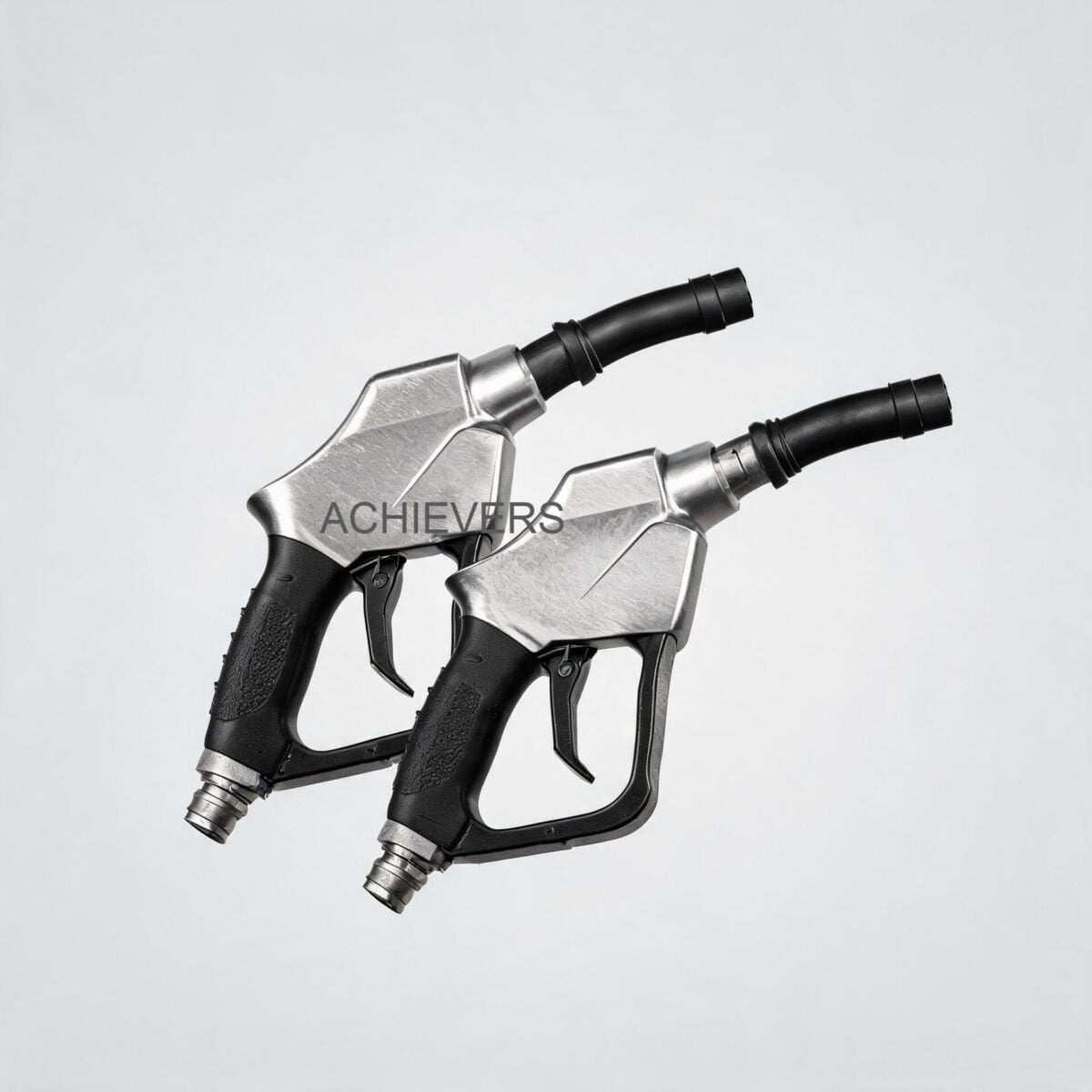
How to Choose Fuel Nozzles for Diesel Dispensing: Flow Rate, Shutoff Sensitivity, and Safety

In industrial fleet operations, mining sites, and manufacturing plants across India, the dispensing of High-Speed Diesel (HSD) is a critical, high-volume activity. A fraction of a percentage lost to spillage, overfilling, or foaming can result in lakhs of rupees in annual operational losses. Furthermore, operating heavy-duty fuel transfer systems under the harsh realities of Indian site conditions—blistering ambient temperatures, heavy particulate dust, and fluctuating pump pressures—requires highly engineered dispensing equipment.

Choosing the right dispensing hardware is not merely a matter of connecting a pipe to a tank. It requires a precise understanding of fluid dynamics, pressure drop calculations, and shutoff mechanisms. For procurement heads and plant managers investing anywhere from ₹20,000 to ₹10,00,000 in fuel management systems, specifying the correct Fuel Nozzles is the ultimate safeguard against product loss, safety hazards, and operator fatigue. This guide provides a rigorous technical framework for selecting diesel nozzles that meet the stringent demands of Indian industrial applications.

1. What Are Fuel Nozzles and How Do They Function?

At their core, Fuel Nozzles are sophisticated, hand-operated flow control valves integrated with automatic safety mechanisms. Unlike basic manual ball valves, an industrial automatic shutoff nozzle operates on the principles of fluid dynamics, specifically the Venturi effect.

As diesel flows through the narrowest part of the nozzle body, its velocity increases, creating a localized pressure drop (vacuum). This vacuum is connected via a small sensing tube to the tip of the spout. As long as air can freely enter the sensing port at the spout tip, the internal diaphragm remains balanced, and the valve stays open. However, the moment rising fuel in the tank covers the sensing port, air is cut off. The vacuum rapidly builds up, overcoming the diaphragm spring tension, which instantly trips the holding latch and snaps the main valve shut.

This reliable, non-electrical automation prevents catastrophic overfills. For applications requiring precise volumetric tracking, Fuel Nozzles integrated with digital flow meters provide real-time dispensing data at the point of use.

Core Product Specifications (Lumen Instruments "Achivers" Series)

Based on industry-standard engineering parameters, below are the specific technical specifications for the metering nozzles designed for diesel, gasoline, and motor oil:

Specification ParameterValue / RatingEngineering Notes
:—:—:—
Inlet Thread SizeBSP 3/4"British Standard Pipe parallel thread; ensures leak-proof mating with standard industrial dispensing hoses.
Spout Diameter13/16"Optimized for standard diesel filler necks; reduces turbulent splashback.
Volumetric Flow Rate0 to 60 L/minIdeal for light commercial vehicles, DG sets, and stationary plant equipment.
Maximum Operating Pressure0.18 MPa (approx. 26 PSI)Suitable for standard transfer pumps. Exceeding this may cause premature shutoff or internal seal bypass.
Insulator ColorRedProvides high visibility and UV resistance in outdoor dispensing bays.
Net Weight1.14 kgs / pcErgonomically balanced to reduce operator fatigue during continuous batching shifts.
Metering Display TypesElectronic & MechanicalDual-measurement capability for high accuracy and convenient data logging.

Close-up engineering view of an automatic shutoff fuel nozzle showing the Venturi sensing port, ergonomic trigger mechanism, and BSP inlet thread

2. Key Selection Criteria for Indian Industrial Buyers

When procuring nozzles for an industrial facility in India, engineers must evaluate several site-specific fluid and environmental parameters to prevent premature equipment failure.

A. Volumetric Flow Rate Compatibility

The nozzle must match the discharge rate of your Diesel Dispensers. If you push 80 L/min through a nozzle rated for 0-60 L/min, the excessive fluid velocity will generate severe turbulence and foaming. Diesel foam triggers the automatic shutoff sensor prematurely, forcing the operator to dispense manually at a trickle, destroying operational efficiency.

B. Automatic Shutoff Sensitivity

In dusty Indian environments like cement plants or open-cast coal mines, the vacuum sensing port on the spout can become partially occluded by particulate matter. You must select nozzles with robust Venturi designs that maintain high shutoff sensitivity even when dispensing moderately contaminated fuel. A delayed shutoff reaction time of even 1.5 seconds at 60 L/min results in a 1.5-liter hazardous spill over the equipment.

C. System Operating Pressure

The nozzle is a restriction in your piping network. The operating pressure of the "Achivers" metering nozzle is rated at 0.18 MPa (1.8 Bar). If your transfer pump delivers fluid at 4 Bar, the excessive dynamic pressure will force the internal poppet valve open or rupture the diaphragm. Always calculate the total dynamic head and pressure drop before specifying the nozzle.

D. Ergonomics and Continuous Duty Weight

A standard industrial diesel nozzle weighs approximately 1.14 kgs. For operators filling hundreds of fleet vehicles or drums daily, the trigger tension and the center of gravity of the nozzle are critical. A heavily front-weighted nozzle causes wrist strain, leading to improper seating in the filler neck and resulting in spills.

E. Material Compatibility and Construction

Indian diesel often suffers from adulteration and high moisture content during the monsoon season. Internal components must resist corrosion and degradation. The use of premium quality materials prevents the swelling of internal O-rings, which causes trigger jamming.

F. Measurement and Meter Integration

For decentralized fueling where bulk Diesel Flow Meters are not practical, utilizing a nozzle with an integrated digital flow meter provides masterful appearance, steady function, and dual-measurement visibility directly at the tank inlet. This is vital for accurate consumption logging per machine.

Technical fluid dynamics diagram illustrating the Venturi vacuum effect, pressure drop across the nozzle valve, and the automatic shutoff trigger mechanism

3. Technology Comparison Table & Decision Matrix

To achieve optimal fluid transfer, instrumentation engineers must select the correct variant based on the dispensing application. Below is a comparative analysis of the technologies available.

Feature / TechnologyStandard Manual NozzleAutomatic Shutoff NozzleDigital Metering Nozzle
:—:—:—:—
Primary MechanismSpring-loaded poppet valveVenturi vacuum & diaphragm tripVenturi shutoff + Turbine/Gear meter
Flow Rate CapabilityUp to 150 L/min0 – 60 L/min (Standard models)0 – 60 L/min (High precision)
Overfill ProtectionNone (Visual monitoring only)High (Sub-second reaction time)High (Automatic trip)
Volumetric AccuracyN/AN/A (Relies on pump meter)High accuracy (Dual-measurement)
Best Used ForFast gravity-fed transfersFleet fueling, DG sets, heavy machineryCustody transfer, remote asset logging
Weight ProfileVery Light (< 0.8 kg)Medium (approx 1.0 kg)Heaviest (approx 1.14 kg)

"When to Use Which Technology" Decision Matrix

  • Choose Standard Manual Nozzles if you are transferring highly viscous oils (motor oil) where the Venturi vacuum cannot reliably form, or if you are dispensing via a low-pressure gravity feed from an overhead tank where dynamic pressure is too low to actuate an automatic mechanism.
  • Choose Automatic Shutoff Nozzles for standard diesel dispensing applications driven by AC/DC transfer pumps where safety, zero-spillage, and PESO (Petroleum and Explosives Safety Organisation) compliance are priorities.
  • Choose Digital Metering Nozzles when dispensing expensive refined fuels into decentralized equipment (like remote DG sets or construction equipment) where you need high visibility of the exact volume dispensed to prevent internal pilferage.

Engineering Note: Flow Rate & Pressure Drop Calculation

When sizing your delivery hose and nozzle, instrumentation engineers must account for the pressure drop. The relationship between flow rate (Q), flow coefficient (Cv) of the nozzle, and the pressure differential (Delta P) across the nozzle is expressed as:

Q = Cv * sqrt(Delta P / SG)

Where:

  • Q = Volumetric flow rate in Gallons per Minute (convert to L/min by multiplying by 3.785)
  • Cv = The flow coefficient of the specific 3/4" nozzle
  • Delta P = Pressure drop across the nozzle in PSI
  • SG = Specific Gravity of the fluid (for High-Speed Diesel in India, typical SG is 0.83 at 15°C)

Always ensure your pump can overcome the calculated Delta P while maintaining the required flow rate of up to 60 L/min at a pressure not exceeding 0.18 MPa.

4. Common Mistakes Indian Buyers Make When Choosing

Procurement teams often treat nozzles as generic commodities. This leads to severe operational bottlenecks. Avoid these frequent engineering missteps:

  1. Mismatching Flow Rate with Pump Output: Installing a 0-60 L/min rated nozzle on a 100 L/min industrial transfer pump. The excessive velocity creates massive backpressure, causing the transfer pump to enter bypass mode, overheating the fuel, and causing continuous premature nozzle shutoffs.
  2. Ignoring Inlet Thread Standards: Indian industries use a mix of NPT (National Pipe Taper) and BSP (British Standard Pipe) threads. Forcing a BSP 3/4" nozzle onto an NPT hose fitting damages the threads, leading to high-pressure diesel leaks over the operator's hands. Always match the BSP 3/4" spec exactly.
  3. Using Diesel Nozzles for High-Viscosity Lubricants: While some metering nozzles support motor oil, automatic shutoff mechanisms rely on fluid velocity to create a vacuum. High-viscosity oils move too slowly at standard pressures to create the necessary Venturi vacuum, rendering the automatic shutoff useless.
  4. Neglecting Inline Filtration: Indian diesel storage tanks frequently accumulate rust, scale, and silica dust. Without a 10-micron or 30-micron inline particulate filter upstream, debris will bypass the pump and lodge in the nozzle's main poppet valve seat, causing the nozzle to leak even when the trigger is released.
  5. Overlooking Drop Survivability: Procurement often buys light-duty commercial nozzles for heavy industrial use. Operators invariably drop nozzles on concrete floors. If the internal trip mechanism or the digital metering housing is not built with heavy-duty premium quality materials, a single drop will shatter the mechanical display or permanently jam the latching pin.
  6. Ignoring Thermal Expansion in Hoses: In regions like Rajasthan or Gujarat, ambient temperatures can exceed 45°C. Diesel trapped in the hose expands, drastically increasing static pressure. If the nozzle does not have a properly rated pressure-relief check valve, this thermal expansion can burst the hose or blow out the nozzle seals.

5. Enquiry Specification Checklist

When generating a Purchase Order or Request for Quotation (RFQ) for industrial dispensing equipment, provide your supplier with exact engineering specifications. Use this 8-step checklist to ensure you receive the correct configuration:

  1. Fluid Type and Specific Gravity: Clearly state if the fluid is High-Speed Diesel, Bio-Diesel (B20/B100), Gasoline, or Motor Oil, as this dictates O-ring and diaphragm material compatibility.
  2. Required Flow Rate Range: Specify your target operational flow rate (e.g., 40 to 60 L/min).
  3. Maximum System Operating Pressure: Confirm the delivery pressure of your pump does not exceed the nozzle's rating (0.18 MPa).
  4. Inlet Connection Specification: Specify exactly "BSP 3/4 inch female inlet" to match your existing swivels and hoses.
  5. Spout Diameter: Specify the 13/16" spout size to ensure compatibility with your target vehicle or machine filler necks.
  6. Metering Requirement: State whether you require a mechanical tally, an electronic digital readout, or a standard non-metered automatic shutoff.
  7. Environmental Operating Range: Mention the site location to ensure the insulator color (Red) is UV stabilized and the digital display can withstand local ambient temperatures.
  8. Accessories Required: Always specify the inclusion of a 3/4" inline rotary swivel. A swivel prevents the heavy rubber dispensing hose from twisting, which is the primary cause of wrist fatigue and premature hose rupture.

An industrial operator dispensing diesel into a heavy earth-moving machine at an Indian mining site using an integrated digital flow meter nozzle

FAQ

Q: Can I use a 0-60 L/min rated diesel nozzle for a high-volume 120 L/min transfer pump?

A: No. Pushing 120 L/min through a nozzle designed for 60 L/min will result in severe fluid turbulence, extreme pressure drop, and continuous premature tripping of the automatic shutoff sensor due to fuel foaming. You must upgrade to a high-flow 1" or 1.5" nozzle.

Q: Why does my automatic nozzle keep shutting off immediately when I pull the trigger?

A: This usually indicates that the fluid velocity is too high, causing foam to block the sensing port, or that the filler neck is too narrow, causing rapid splashback. It can also occur if the Venturi sensing tube inside the spout is blocked by particulate debris or rust.

Q: Are these nozzles certified by Legal Metrology for commercial retail sales in India?

A: The digital flow meter nozzles provide high precision and steady function suitable for internal industrial batching, fleet monitoring, and inventory control. However, for commercial retail dispensing (selling fuel to the public), the entire dispenser unit must carry specific Legal Metrology and PESO certifications.

Q: Can the digital meter on the nozzle be calibrated onsite?

A: Yes, high-quality metering nozzles with electronic or mechanical displays typically feature a calibration screw or digital calibration factor adjustment. This allows instrumentation engineers to perform volumetric catch-tests (e.g., using a certified 20-liter proving can) and adjust the meter for localized viscosity and temperature variations.

Q: What is the purpose of the 13/16" spout size?

A: The 13/16 inch (approximately 21mm) outer diameter is the international and Indian standard for unleaded and standard light-duty diesel filler necks. It ensures the nozzle fits securely into the vehicle without leaving excessive gaps that could allow debris in, while leaving enough room to vent displaced air out of the tank.

Q: How often should the internal components of the nozzle be serviced?

A: In harsh Indian industrial environments, visual inspections should be daily. Preventative maintenance, including checking the spout geometry, testing the shutoff response time, and inspecting the swivel O-rings for weeping, should be conducted every 6 months or 500,000 liters dispensed, whichever comes first.

Q: Can I bypass the automatic shutoff feature if it breaks?

A: Bypassing the automatic shutoff mechanism by wedging the trigger open or removing the internal trip pin is a severe safety violation under Indian industrial safety standards. It guarantees catastrophic overfills, leading to fire hazards and environmental contamination. The nozzle must be repaired or replaced immediately.

Ready to upgrade your plant's fuel management infrastructure with precision-engineered dispensing solutions? Contact Lumen Instruments today with your required flow rate, fluid type, and system operating pressure, and our engineering team will help you specify the exact heavy-duty dispensing nozzles required for your demanding site conditions.