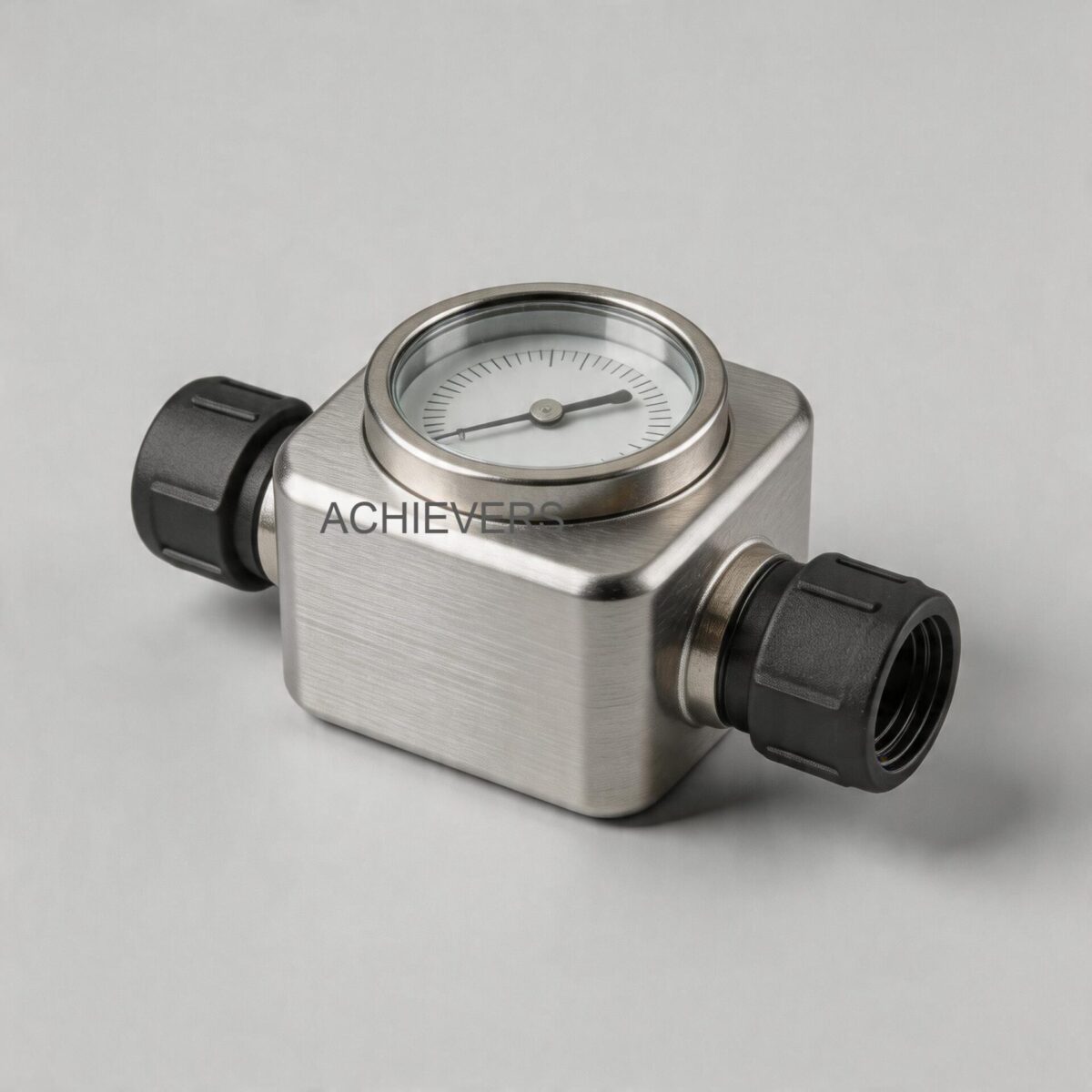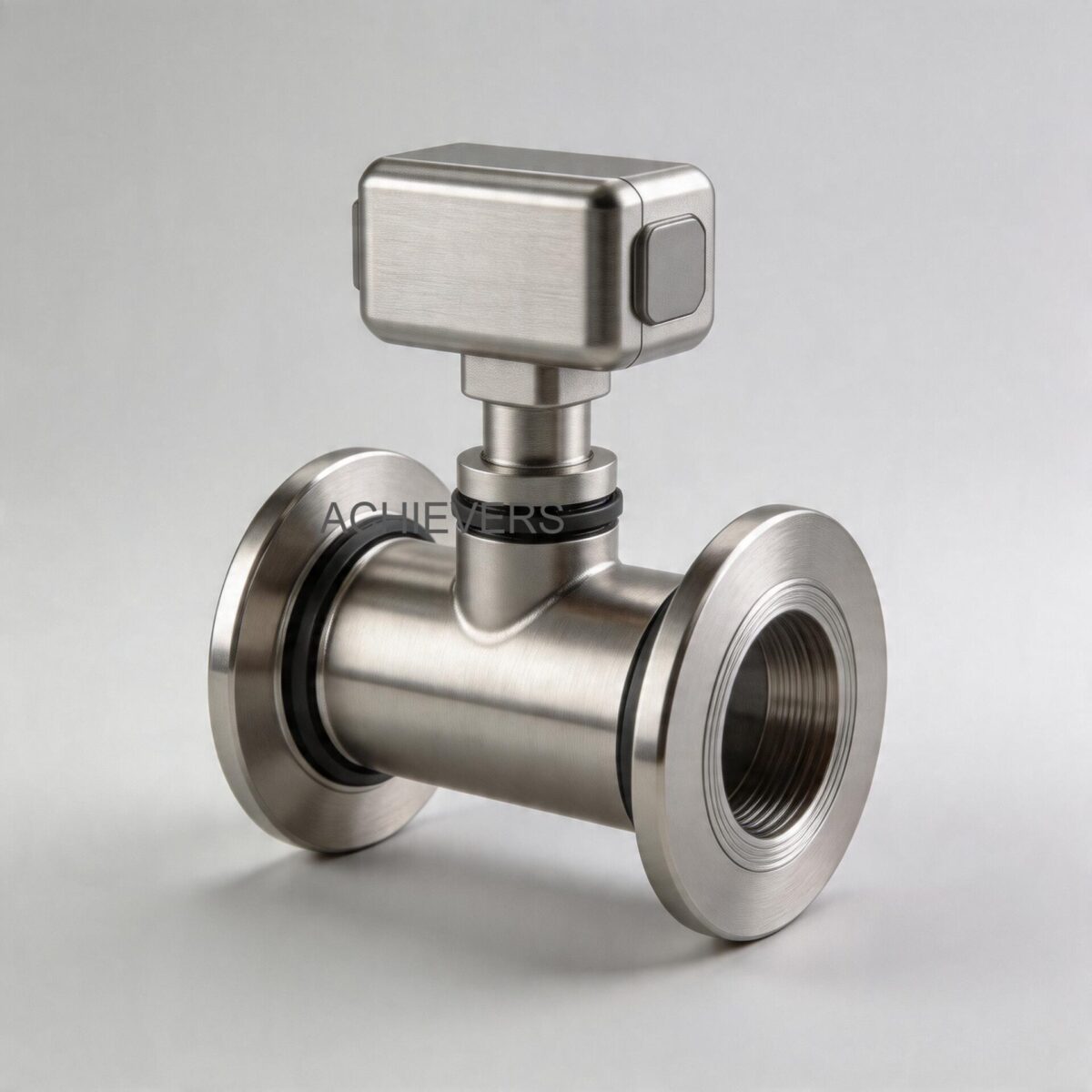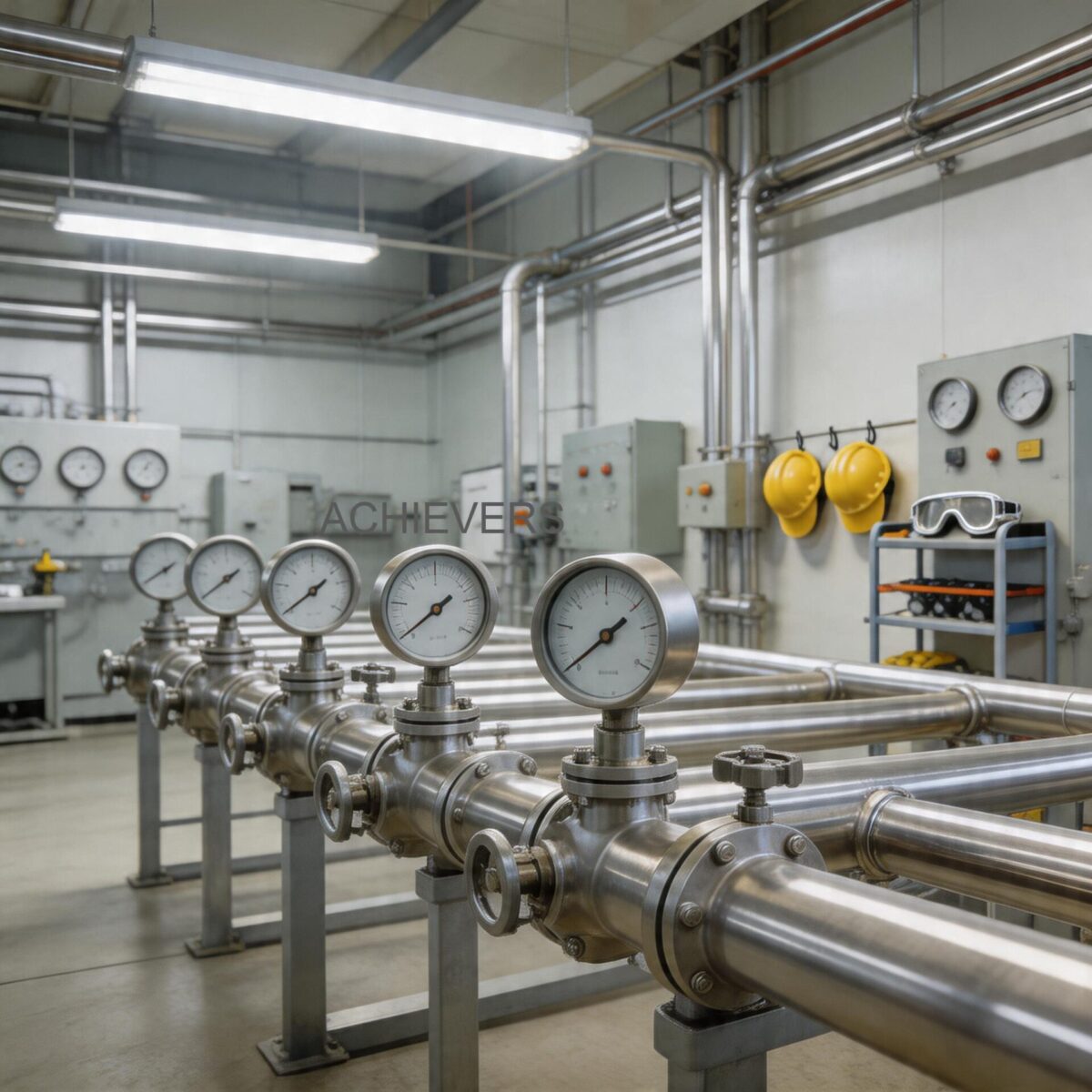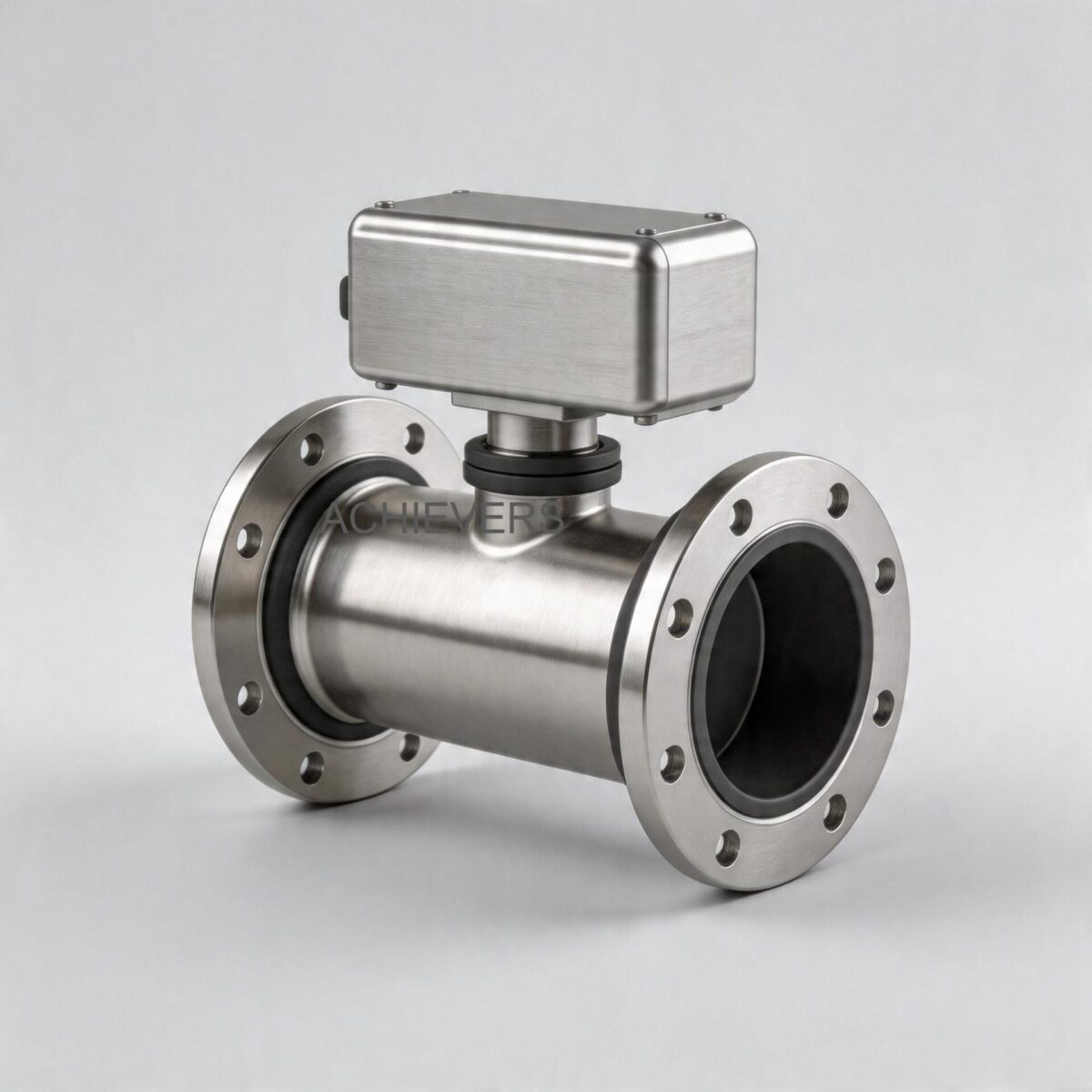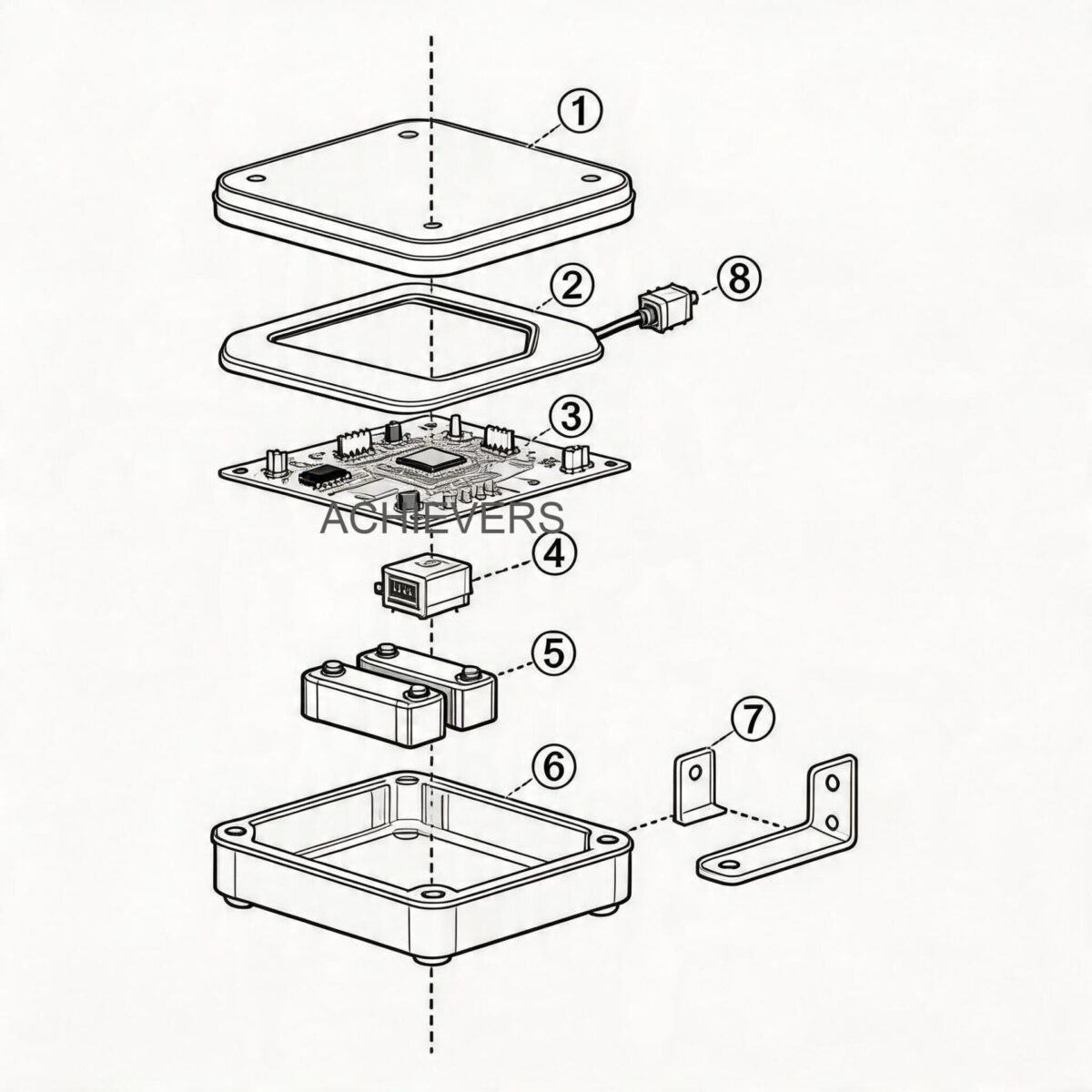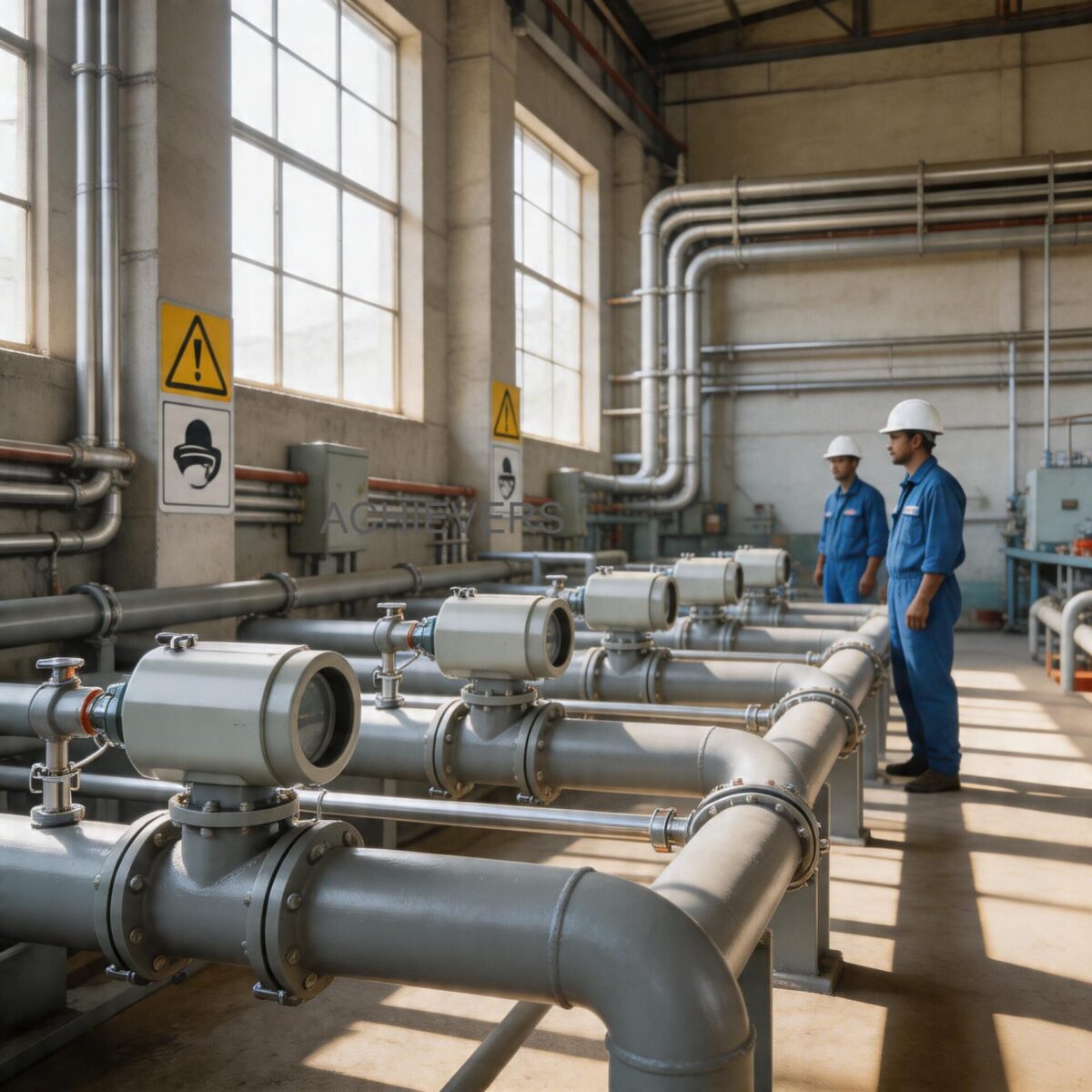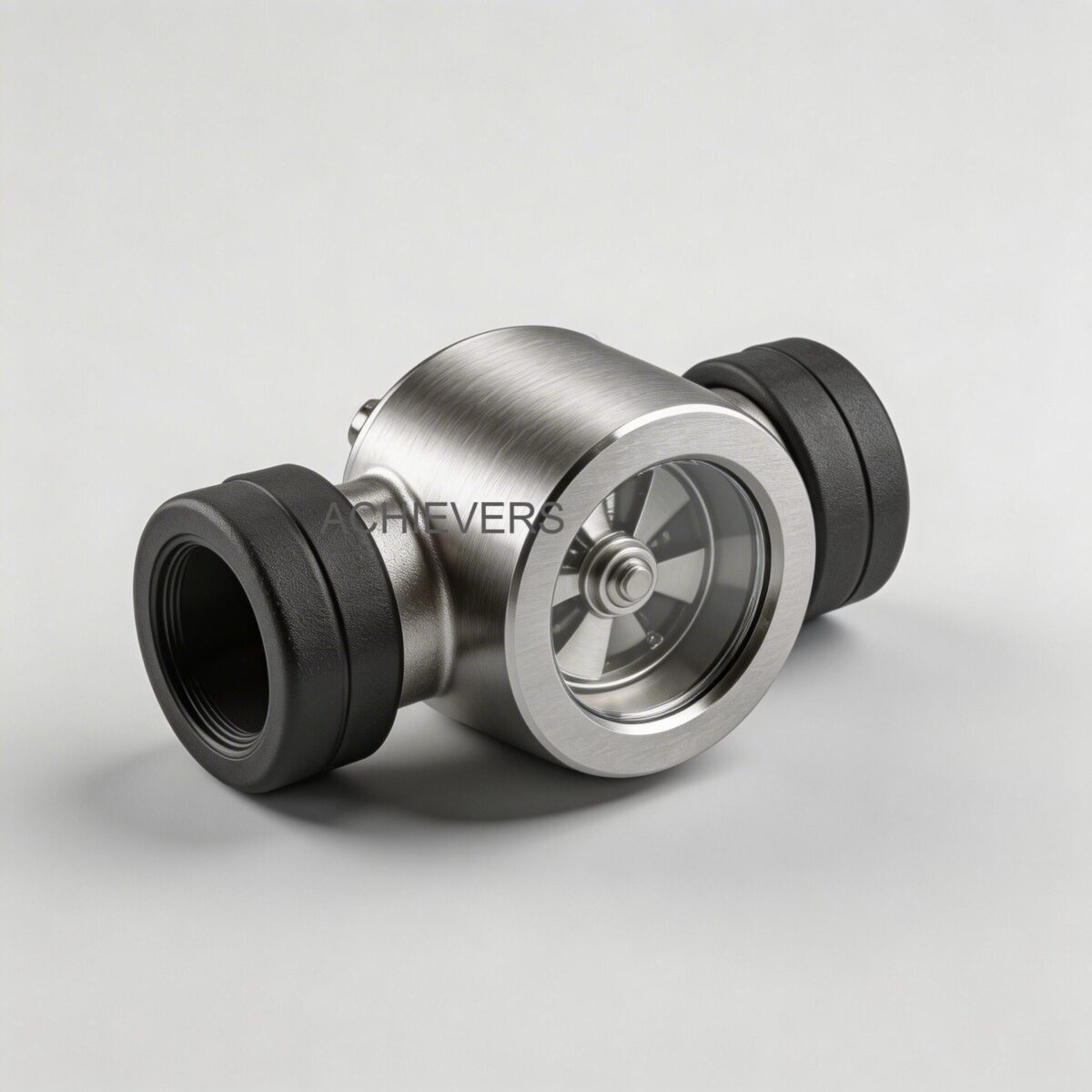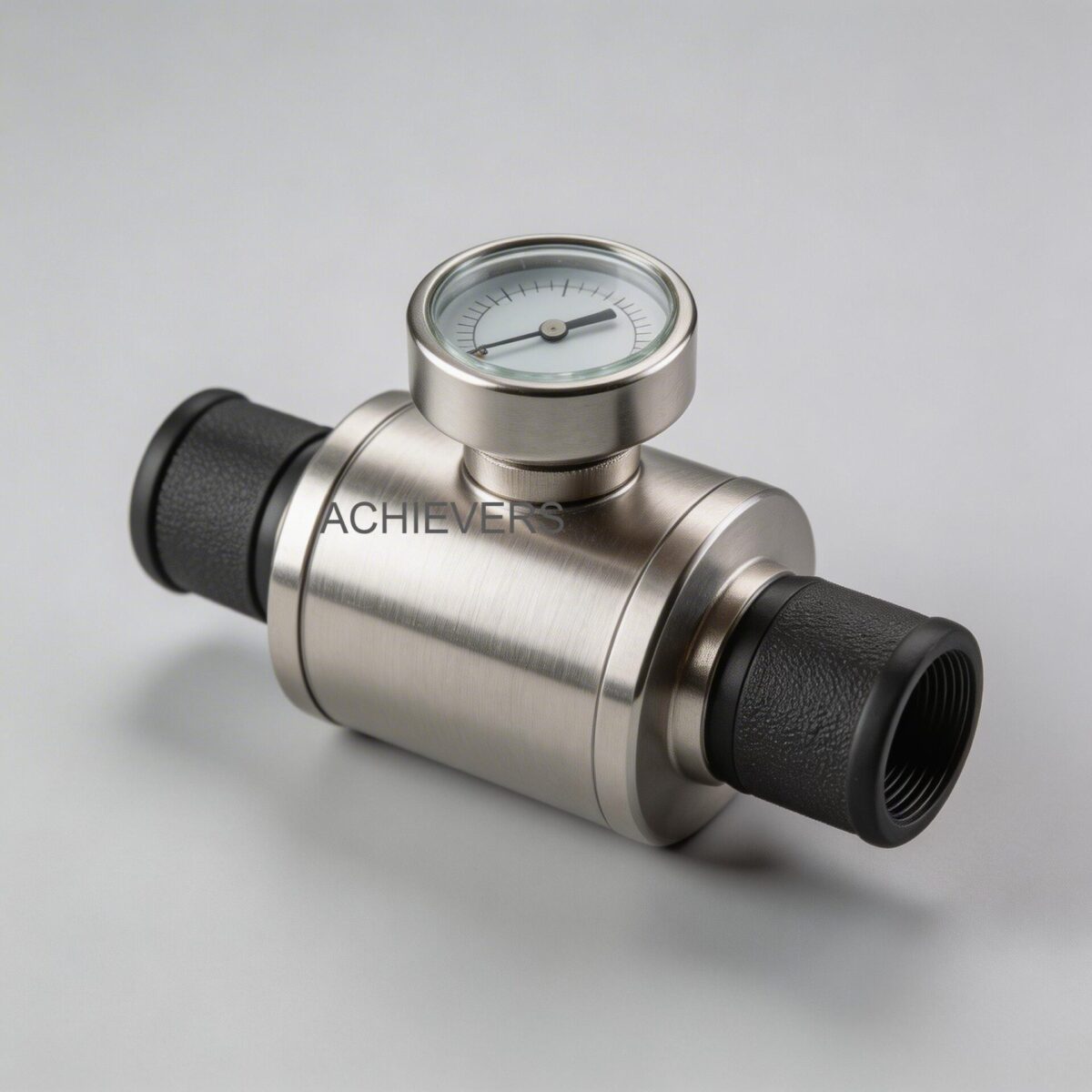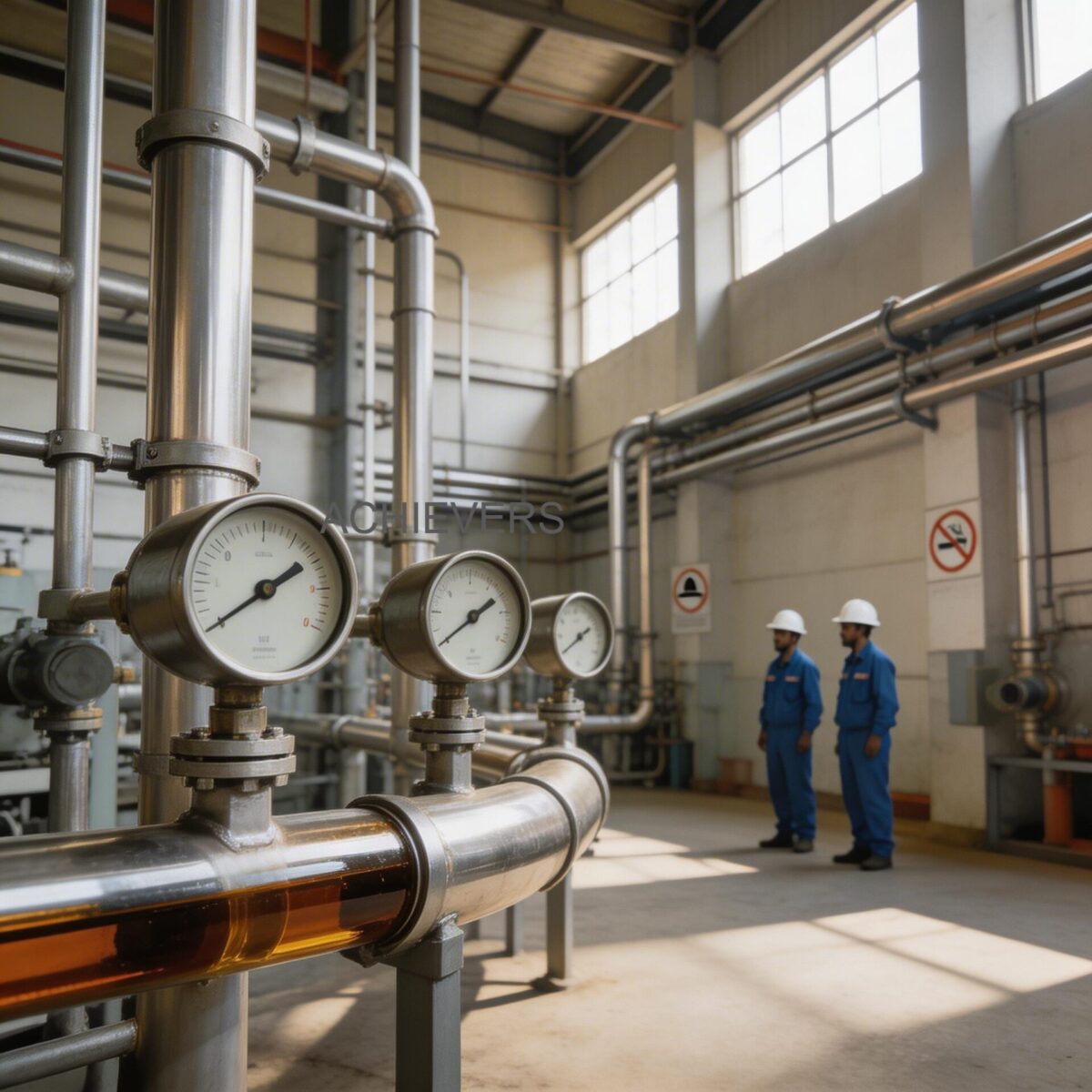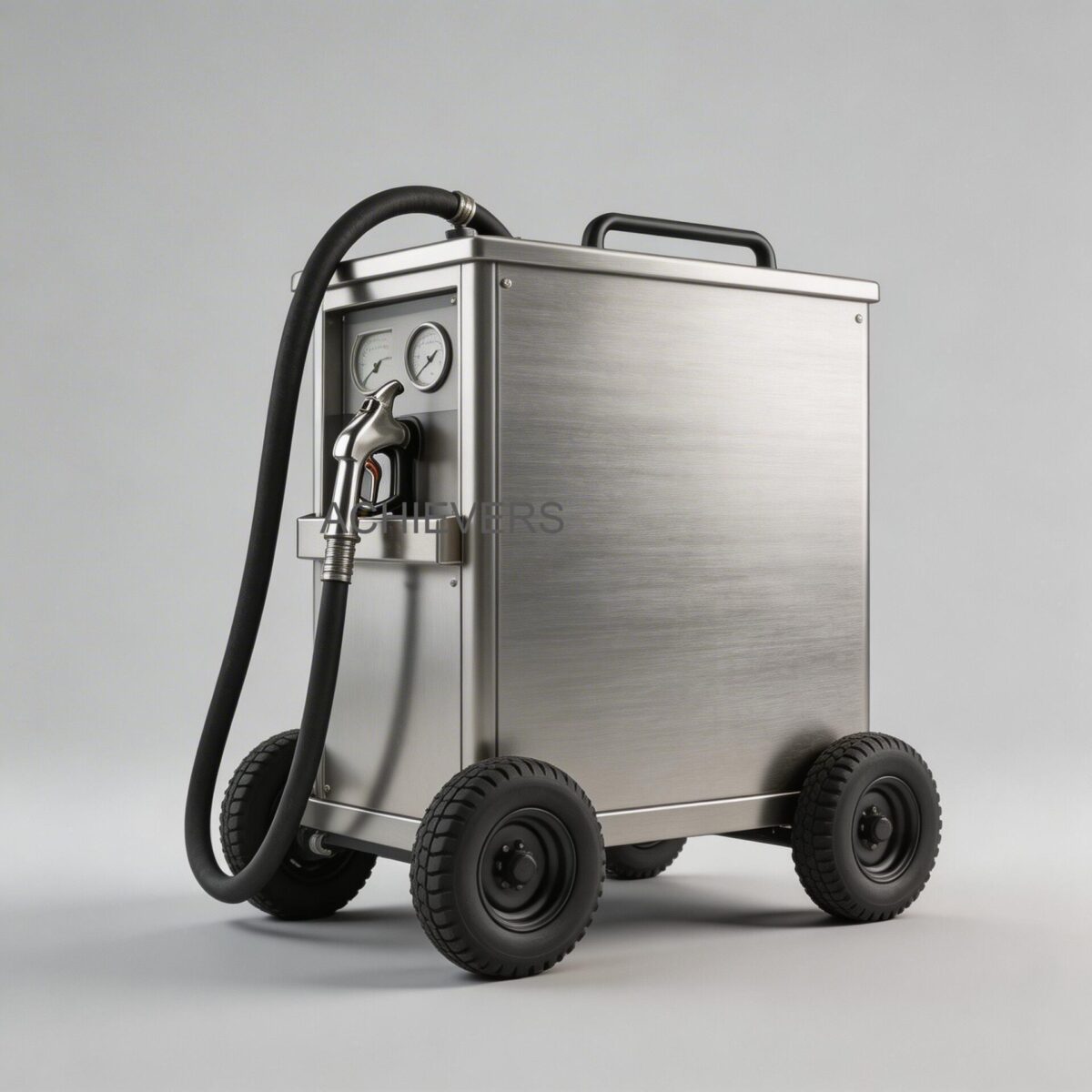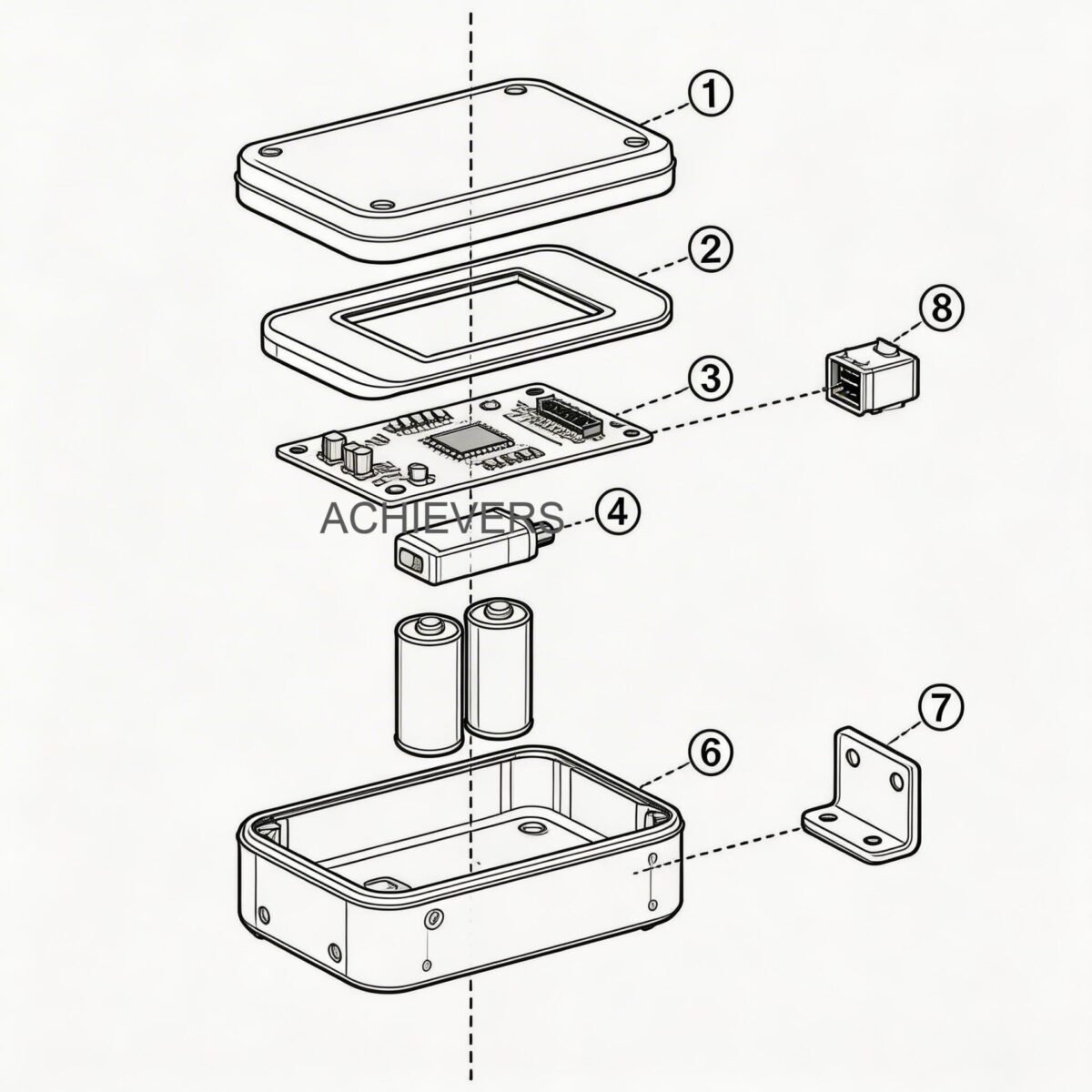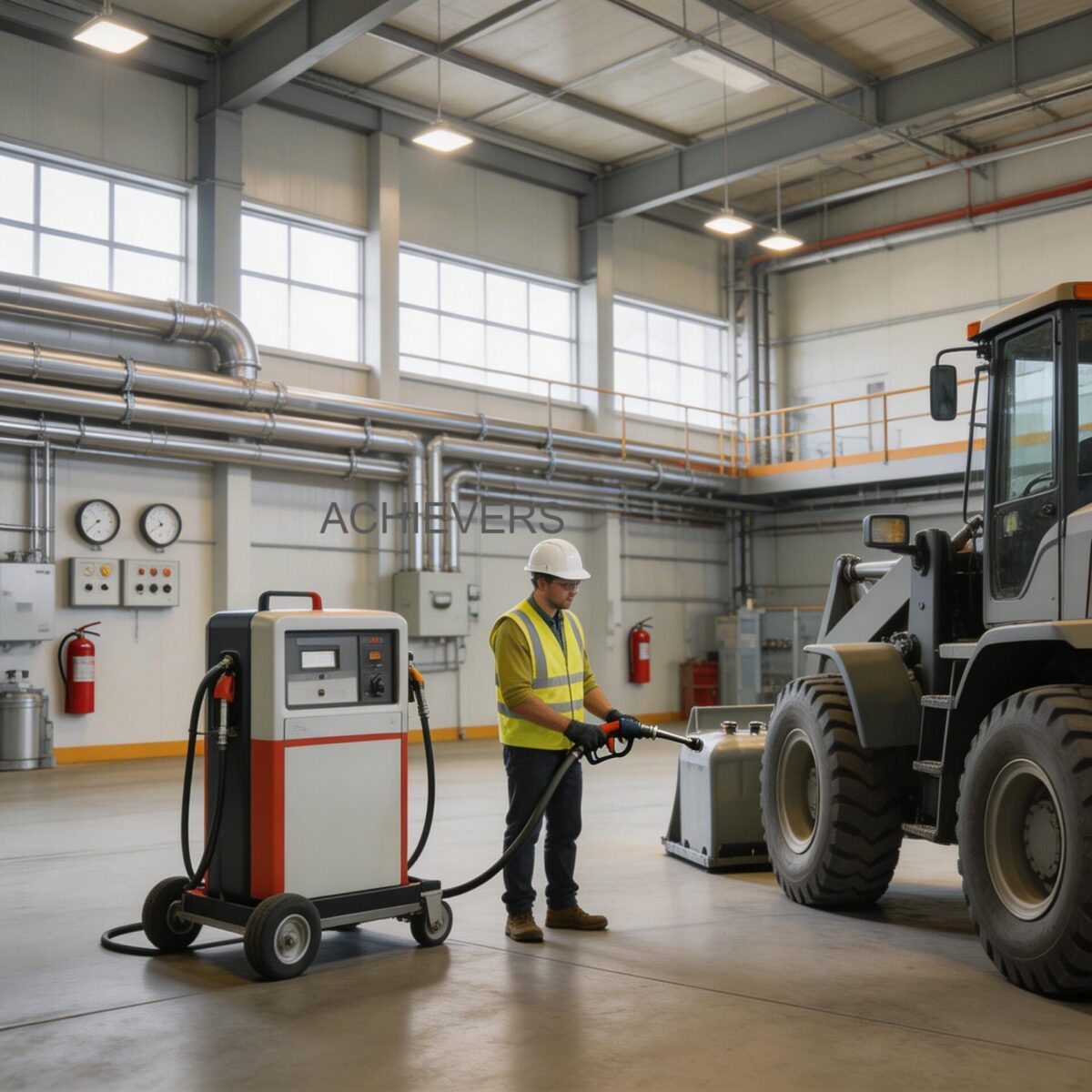
Mechanical Counter vs RS485 Output Turbine Flow Meters: Which Fits Indian Industrial Fuel Metering?

For instrumentation engineers and plant managers across India, the selection of a flow measurement technology for industrial fuel and oil metering is rarely a simple catalog choice. From the high-vibration environment of a remote mining site in Jharkhand to the sophisticated, PLC-driven petrochemical blending lines in Gujarat, the operating conditions dictate the technology. Among the most reliable solutions for measuring non-conductive fluids like diesel, light oils, and solvents are Turbine Flow Meters. However, a critical design crossroads exists: should you specify a traditional mechanical counter totalizer, or integrate an electronic RS485-enabled transmitter?

This decision impacts not just your initial procurement budget—ranging anywhere from ₹20,000 to over ₹3,00,000 depending on line size and material—but also your plant's long-term automation strategy, maintenance schedules, and calibration accuracy. While mechanical registers offer unmatched simplicity and power-independence, RS485 variants provide the real-time SCADA integration required for modern Industry 4.0 applications. This guide provides a rigorous engineering comparison to help you match the right Turbine Flow Meters configuration to your specific Indian site conditions, PLC architecture, and process fluids.

1. Overview of the Turbine Flow Meter Family

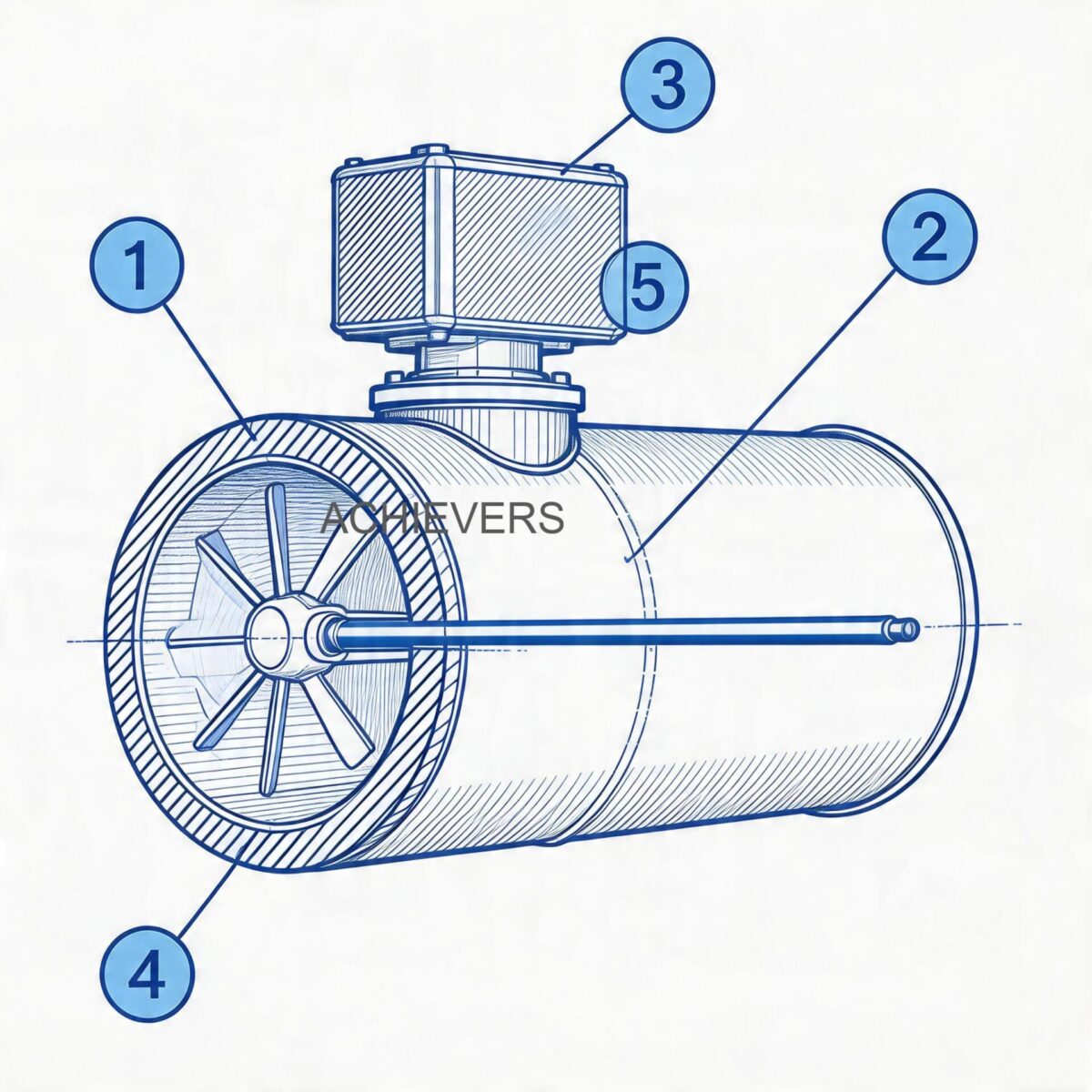
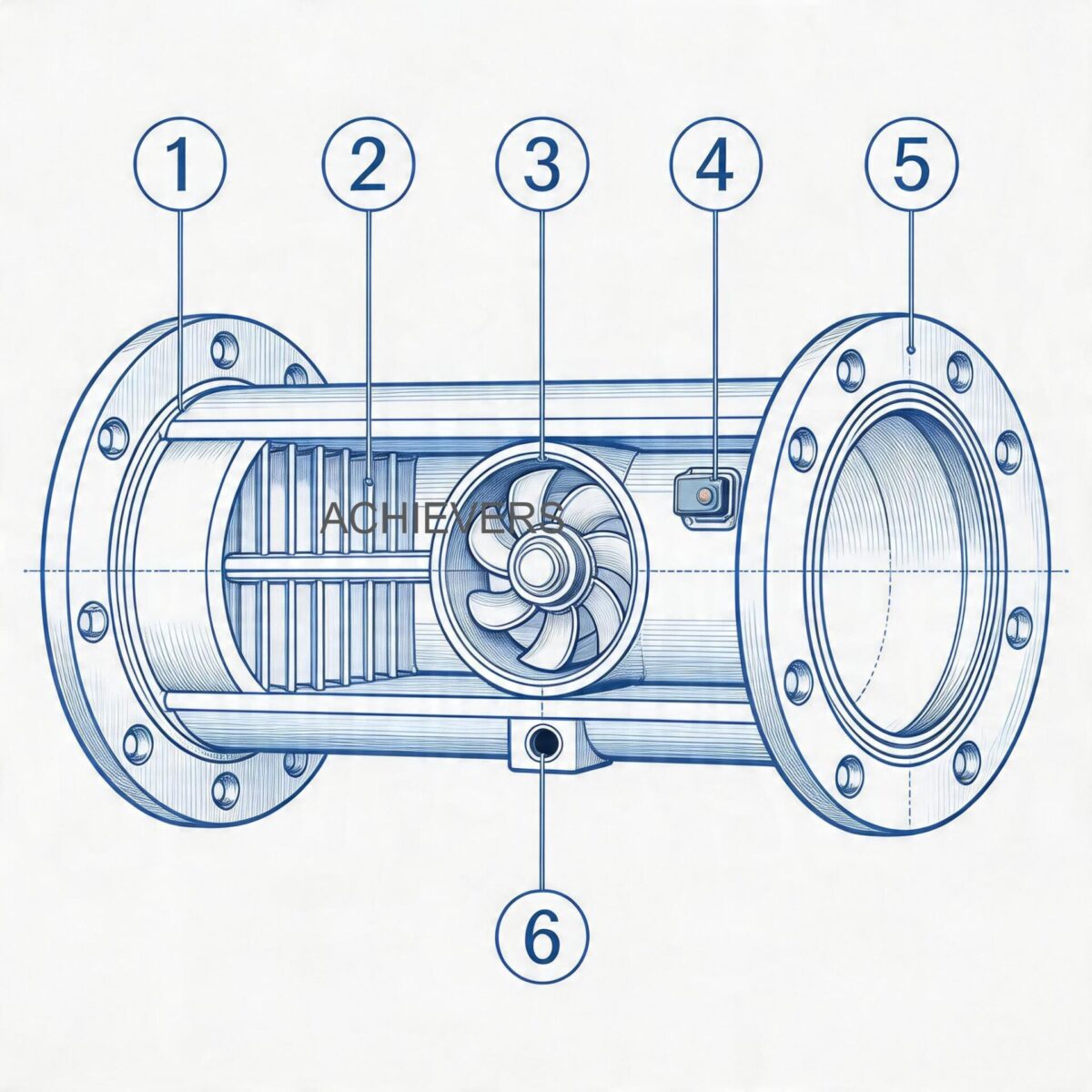
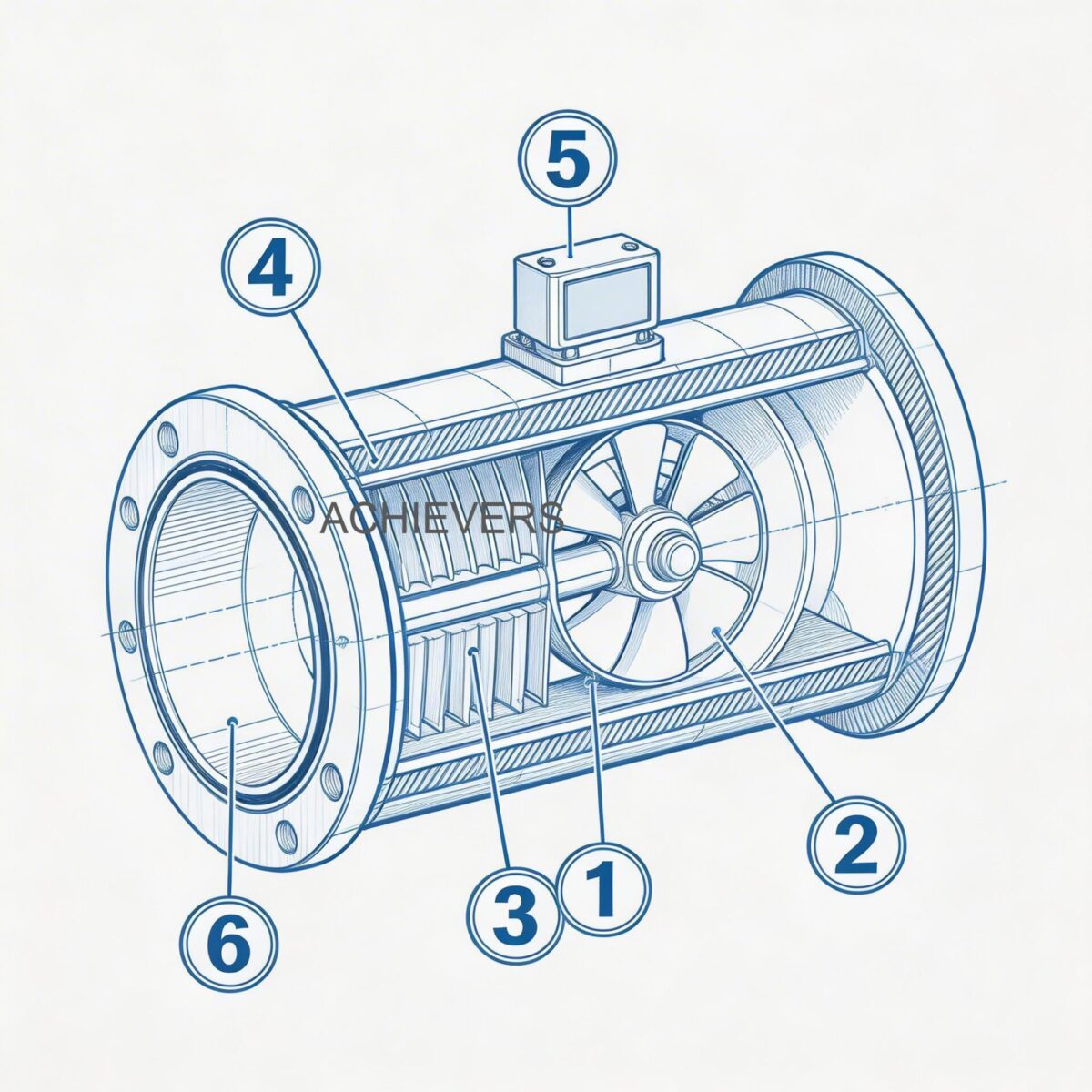
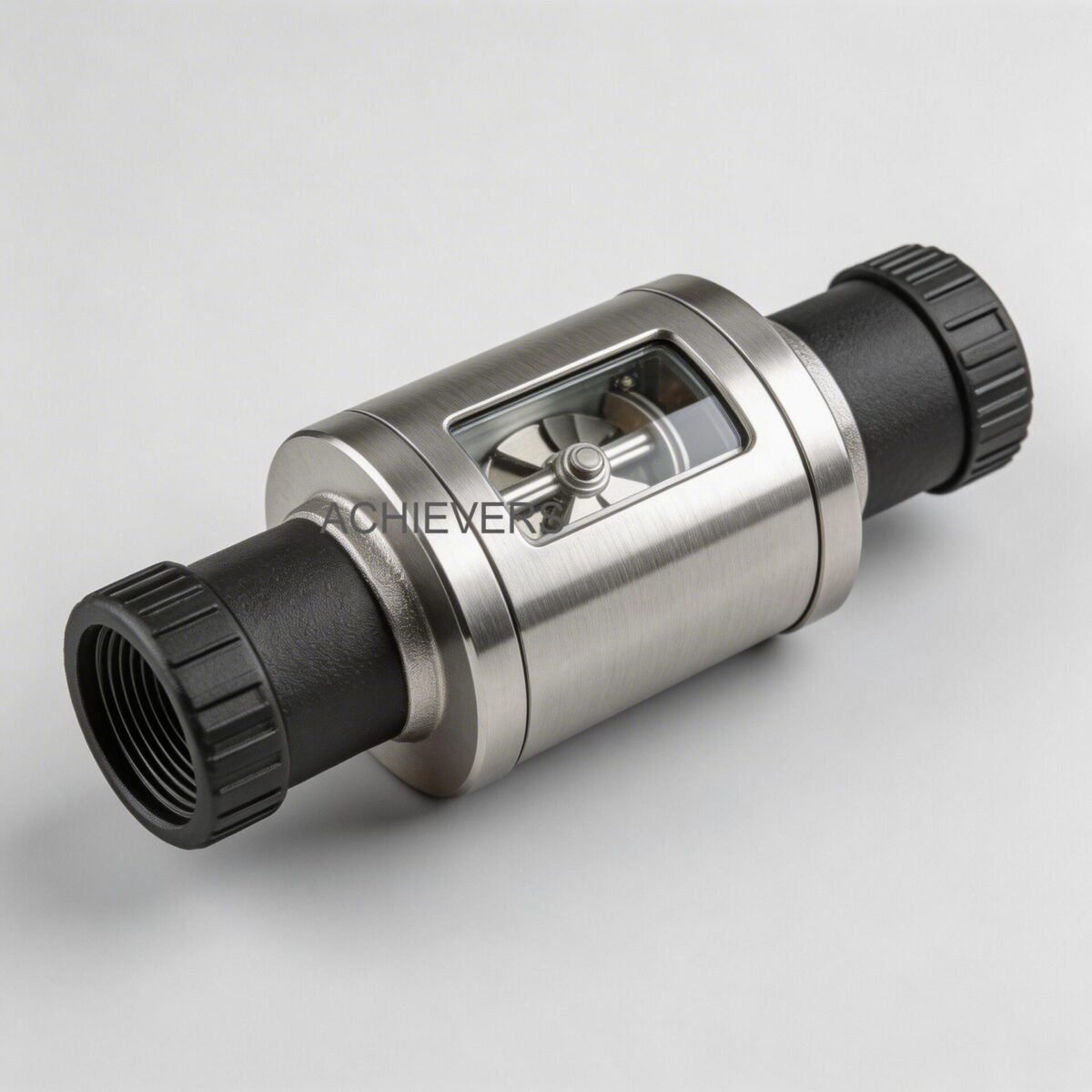
The principle of operation for Turbine Flow Meters relies on the extraction of kinetic energy from the flowing fluid. As liquid enters the meter, it is conditioned by a straightening section. These internal vanes remove undesired swirl and asymmetric velocity profiles before the fluid impacts the rotor. The dynamic forces of the fluid cause the multi-bladed turbine wheel—mounted on a high-precision, low-friction shaft—to rotate at an angular velocity directly proportional to the fluid velocity.

Because fluids like diesel and furnace oil are non-conductive, technologies like Electromagnetic Flow Meters cannot be used, making the turbine mechanism the industry standard for these hydrocarbons.

The divergence in technology occurs at the output stage:

Mechanical Counter Variants:

The rotating turbine wheel drives an index head via a physical gear train and magnetic coupling. The angular rotation is stepped down through gears to physically turn an 8-digit mechanical counter. This provides a direct, visual readout of cumulative volume without the need for external power.

Electronic / RS485 Output Variants:

Instead of a gear train, a proximity sensor (magnetic pickoff coil) detects the passing of each helical blade. Each pass generates a pulse. The local electronics process these pulses using a device-specific K-factor.

Engineering Calibration Note: The K-Factor

The relationship between rotor rotation and fluid volume is expressed by the K-factor.

Formula: K = N / V

Where:

  • K = Pulses per unit volume (e.g., pulses/liter)
  • N = Total number of pulses generated
  • V = True volume measured via a reference prover

In electronic variants, this K-factor is programmed into the microprocessor to convert raw frequency into instantaneous flow rate (L/H) and cumulative volume (m3). The data is then transmitted via analog (4-20mA), pulse (NPN open connector), or digital RS485 Modbus protocols to the plant's central control system.

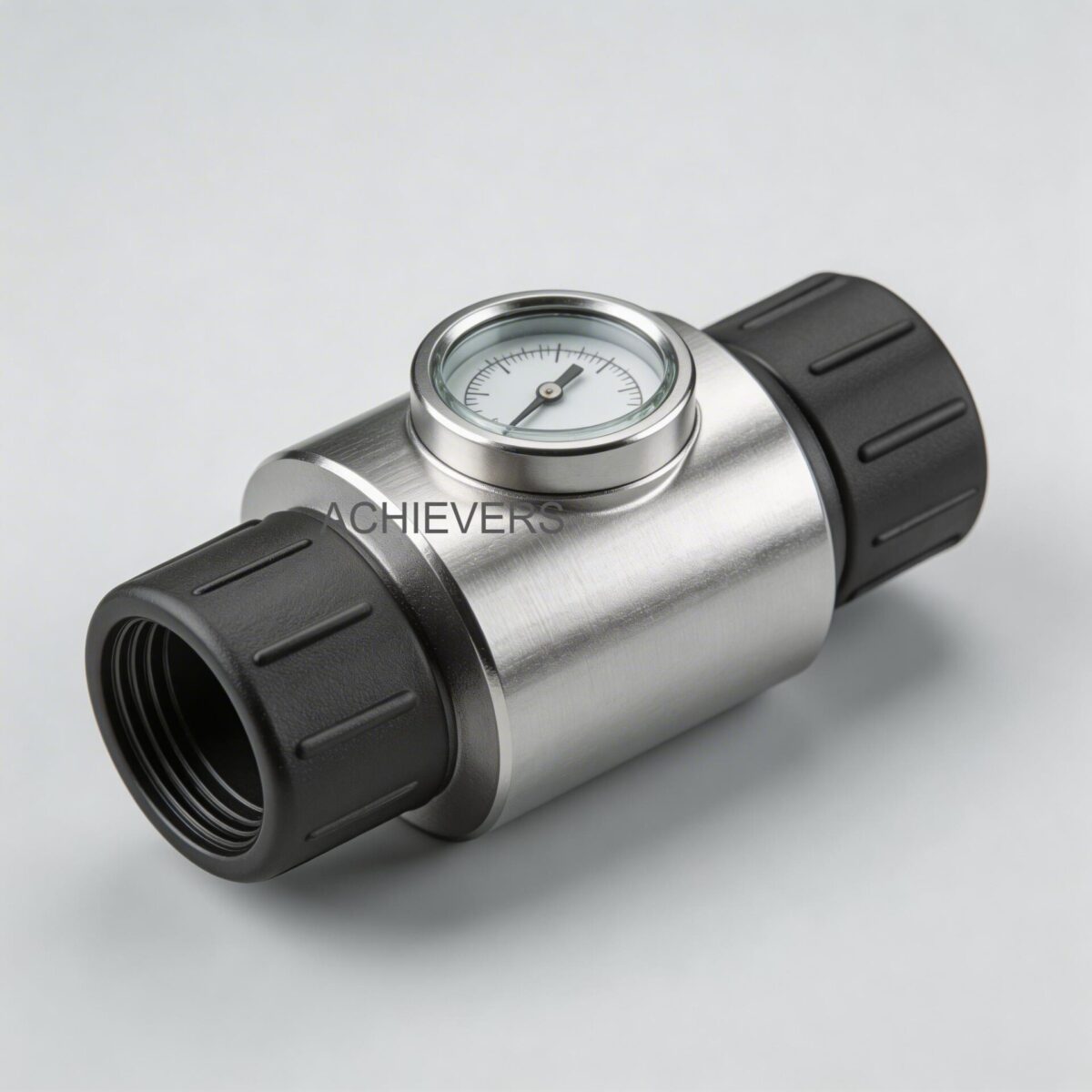
Detailed technical cross-section of a turbine flow meter showing the rotor, stator vanes, and pickoff sensor placement

2. Head-to-Head Specification Comparison

When specifying equipment for an industrial application, understanding the exact material, pressure, and electrical ratings is paramount. Below is a comparative technical matrix based on standard Achivers brand industrial models (CE-TFS series).

Specification / ParameterMechanical Counter VariantElectronic (Pulse / 4-20mA / RS485) Variant
:—:—:—
Enclosure MaterialS.S-304 / S.S-316S.S-304 / S.S-316
Rotor & Shaft MaterialS.S-304 / 316 Rotor; Hard SS-316 Shaft with Carbon BushS.S-304 / 316 Rotor; Hard SS-316 Shaft with Carbon Bush
Accuracy Standard+/- 1% FSD+/- 0.5% or 1% FSD
Repeatability0.1%0.1%
Max Working PressureUp to 6 Mpa (60 Bar)Up to 6 Mpa (60 Bar)
Temperature Rating-20 to 120 °C-20 to 120 °C (Heat sinks required for electronics >80°C)
Power RequirementNone (Fluid kinetic energy drives gears)12V/24V DC or 3.3V 10AH Lithium Battery (5+ years life)
Output SignalsVisual dial only (8-digit cumulative)LCD Display, NPN Pulse, 4-20mA, RS485 Modbus RTU
Data ProtectionInherent mechanical memoryNon-volatile EEPROM (10-year power-fail protection)

Note: Models range from the CE-TFS-004 (4mm line size, 40~400 L/H) up to the massive CE-TFS-150 (150mm line size, handling up to 8,00,000 L/H).

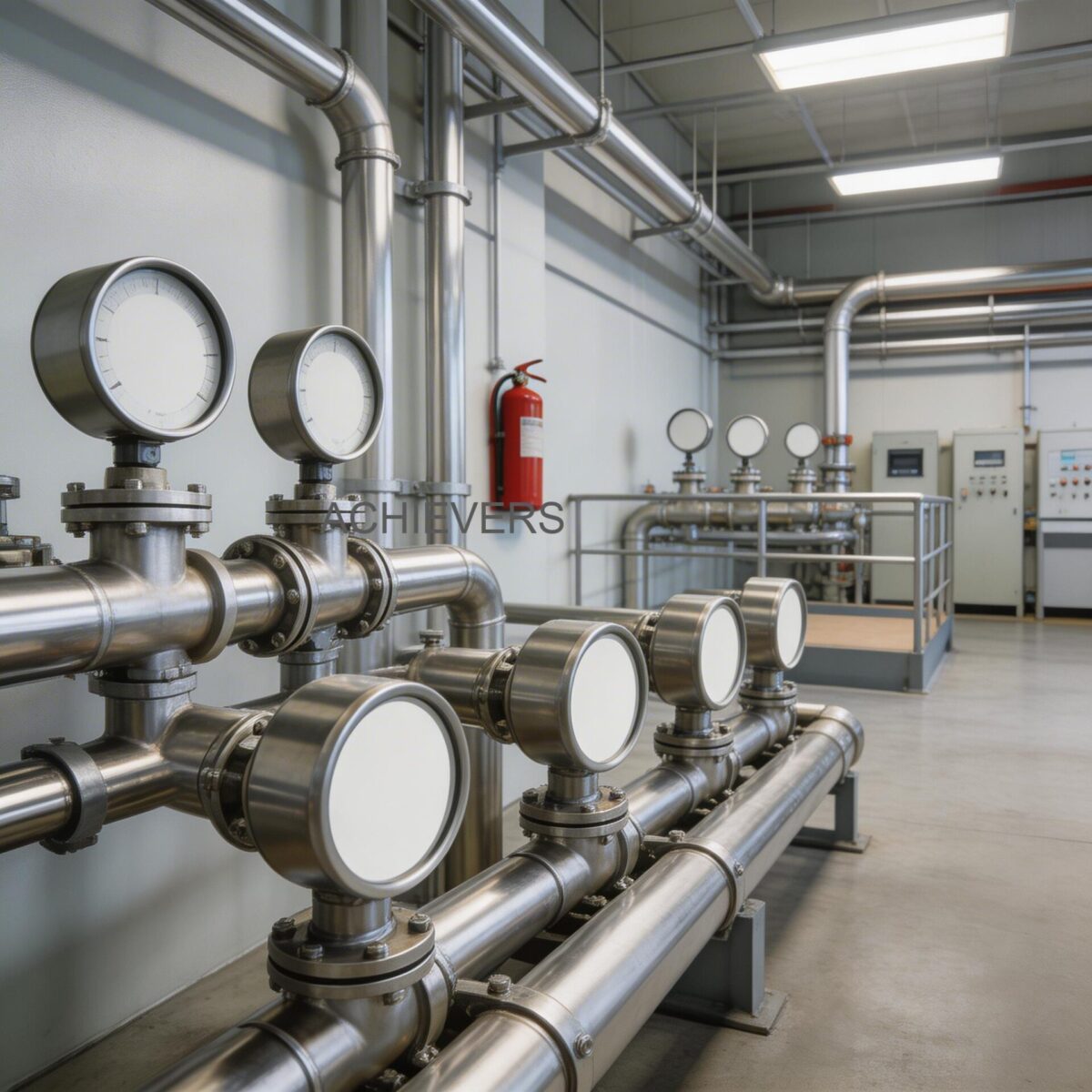
System architecture diagram comparing a standalone mechanical flow meter setup versus a networked RS485 Modbus flow meter integrated into a plant PLC

3. Application Comparison Table

Different plant zones demand different instrumentation architectures. Use this decision matrix to evaluate which technology fits specific Indian industrial scenarios.

Application ScenarioRecommended OptionEngineering Reasoning
:—:—:—
Remote DG Set Fuel Tank MonitoringBattery Operated LCD / MechanicalGrid power is unreliable; battery units operate 5+ years, while mechanical requires zero power.
Centralized Boiler Fuel FeedRS485 Modbus OutputRequires real-time mass/volume flow data fed into the SCADA for combustion efficiency optimization.
High Viscosity Furnace Oil LinesAlternative Tech NeededTurbines lose linear accuracy above 50 cSt. Use Positive Displacement Flow Meters instead.
High Vibration Heavy Earth Moving MachineryMechanical CounterGear trains are generally less susceptible to high-frequency micro-vibrations than sensitive PCB pickoffs unless heavily potted.
Multi-line Batch Blending (Chemicals)Pulse / NPN Open ConnectorHigh-speed batch controllers require instantaneous raw pulse data rather than polled Modbus data for millisecond shutoff accuracy.
Hazardous Area (Zone 1/Zone 2)MechanicalIntrinsically safe. Electronic versions require expensive PESO/ATEX certified flameproof (Ex-d) enclosures.
VFD-Heavy Pumping StationsRS485 Modbus RTUAnalog 4-20mA signals can suffer from EMI noise generated by VFDs. RS485 digital differential signals reject common-mode noise.
Monsoon Exposed Outdoor ManifoldsMechanical (IP68)Intense Indian monsoons cause water ingress in standard electronic enclosures. Mechanical registers with sealed magnetic couplings cannot short-circuit.

4. Total Cost Comparison

Procurement heads must look beyond the initial capital expenditure (CAPEX) and evaluate the total cost of ownership (TCO) across a typical 5 to 10-year lifecycle in an Indian facility.

Option VariantEstimated Purchase Range (INR)*Annual Maintenance CostExpected LifeBest Suited For
:—:—:—:—:—
Mechanical (Small Line <25mm)₹18,000 – ₹35,000₹2,000 (Gear lubrication, calibration)5-7 YearsBasic fuel transfer, mobile bowsers
Mechanical (Large Line >80mm)₹65,000 – ₹1,50,000₹4,000 (Bearing inspection)5-7 YearsTerminal loading, gravity decanting
Electronic / Pulse Output₹25,000 – ₹80,000₹1,500 (Sensor check, cleaning)7-10 YearsStandard PLC integration
RS485 / Modbus RTU Variant₹35,000 – ₹2,50,000₹1,000 (Software validation only)8-10 YearsFull SCADA, Industry 4.0 automation

(Note: Pricing is highly dependent on precise material selection (SS304 vs SS316), line size, and specific calibration certifications required by the Legal Metrology Department).

5. Decision Guide: Which One for Your Plant?

When you are signing off on an instrumentation P.O., consider these 8 critical field scenarios:

  1. Power Quality and Availability: If your site suffers from frequent brownouts, voltage dips, or you lack dedicated UPS power at the piping manifold, a battery-operated LCD variant or a pure mechanical counter is mandatory to prevent data loss. The CE-TFS series offers 3.3V 10AH lithium batteries lasting over 5 years.
  2. Plant Automation Maturity: If your facility utilizes a central DCS (Distributed Control System) or Siemens/Allen-Bradley PLCs, the RS485 output is the logical choice. It allows you to read totalized flow, instantaneous flow, and diagnostic parameters over a single two-wire daisy chain, drastically reducing cabling costs compared to running individual 4-20mA cables.
  3. Custody Transfer and Legal Metrology: For buying or selling fuel (e.g., decanting from tanker trucks), Indian Legal Metrology requires high accuracy and tamper-evident sealing. Electronic variants with password-protected K-factors and dual-pulse verification offer higher security against fuel pilferage than mechanical dials, which can sometimes be mechanically manipulated or "rolled back".
  4. Maintenance Infrastructure: Mechanical gear trains wear out. The carbon bush and hard SS-316 shaft endure friction. If your plant lacks skilled instrumentation technicians for frequent tear-downs, pickoff-sensor electronic meters have fewer moving parts (only the rotor spins) and therefore a longer Mean Time Between Failures (MTBF).
  5. Fluid Contamination: Indian diesel often contains suspended particulate matter or rust from old storage tanks. While strainers are mandatory for all Turbine Flow Meters, heavy contamination will jam a mechanical gear train faster than it will break an electronic rotor.
  6. Operating Temperature Profile: For high-temperature boiler feed water or hot furnace oil (approaching 120°C), local LCD displays can black out or fail. In these scenarios, use a blind pickoff sensor with a remote-mounted transmitter, or stick to a heat-resistant mechanical register.
  7. Signal Transmission Distance: If the control room is 500 meters away from the pump house, 4-20mA signals may suffer from loop resistance drops, and mechanical meters are useless for remote viewing. RS485 Modbus can reliably transmit data up to 1,200 meters without a repeater.
  8. Budget Allocation: For a simple pipeline where an operator manually writes down the reading on a clipboard once a shift, spending ₹50,000 on an RS485 meter plus integration programming is engineering overkill. A sturdy mechanical flow meter is perfectly sufficient.

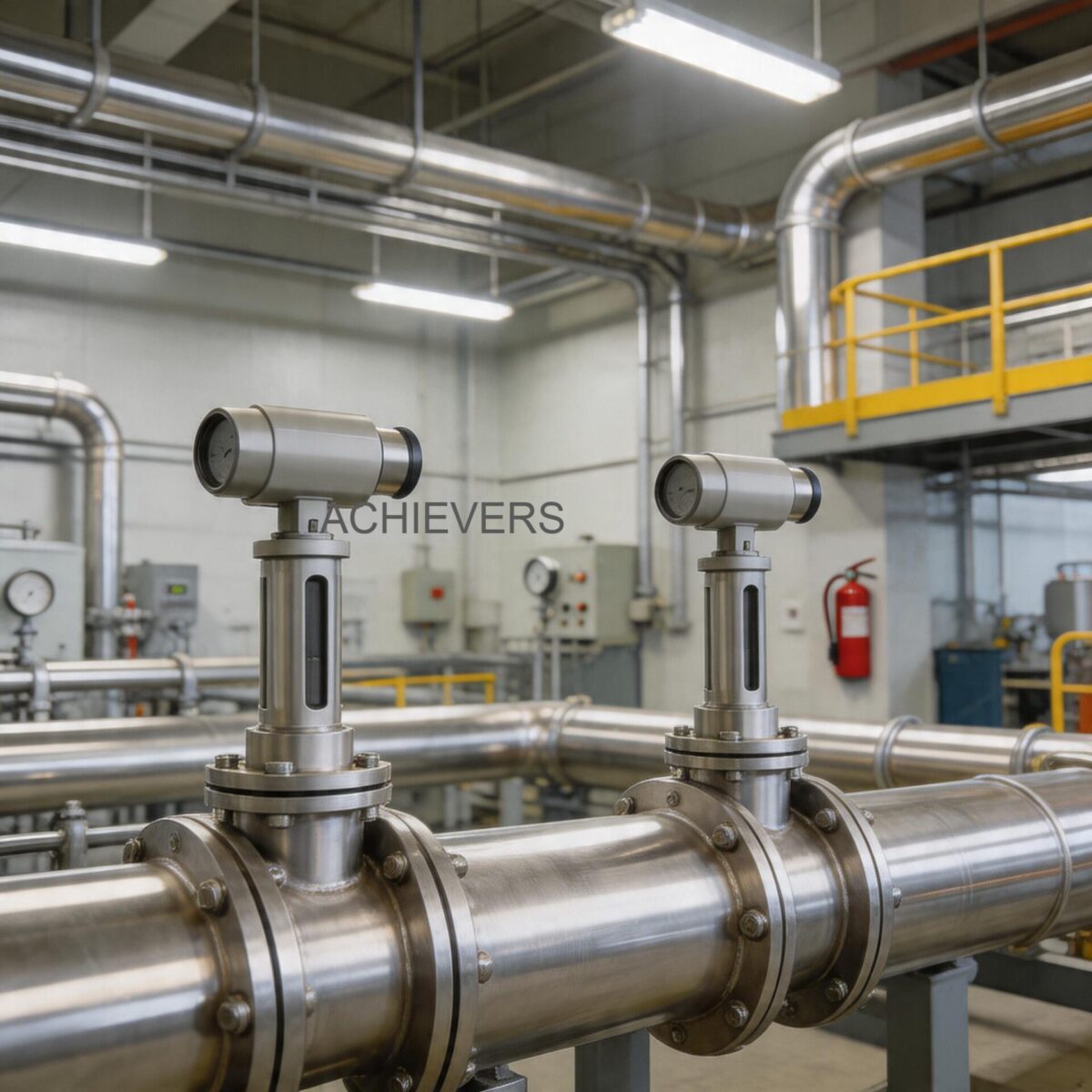
An engineer calibrating an electronic RS485 turbine flow meter installed on a large fuel decanting pipeline at an Indian refinery

6. Field Calibration & RS485 PLC Integration Procedure

For engineers opting for the electronic RS485 variant, physical installation is only half the battle. Proper integration into the plant's PLC requires strict adherence to protocol. Follow this 6-step procedure for flawless commissioning:

  1. Verify Straight Pipe Runs: Install the flow meter with a minimum of 10D (ten times the pipe diameter) of straight pipe upstream and 5D downstream. This ensures the fluid flow profile is fully developed, maximizing the straightening vanes' effectiveness and ensuring the +/- 0.5% accuracy.
  2. Install Upstream Filtration: Install a Y-strainer (usually 40 to 60 mesh for diesel) immediately before the upstream straight pipe section to protect the SS-316 rotor blades from weld slag and particulate damage.
  3. Establish Proper Grounding: Connect the SS-304/316 enclosure to the plant's instrumentation earth grid (resistance < 1 ohm). RS485 networks are highly susceptible to common-mode voltage differences; proper grounding prevents communication chip failure.
  4. Wire the RS485 Network: Use shielded, twisted-pair instrumentation cable (e.g., Belden 9841). Daisy-chain the connections (A to A, B to B) from the meter's output terminals to the PLC. Install a 120-ohm termination resistor at the last meter on the line to prevent signal reflection.
  5. Configure Modbus Parameters: Power up the meter (24V DC). Access the local display to set the Modbus Slave ID (e.g., 01), Baud Rate (commonly 9600 or 19200), Parity (None/Even/Odd), and Stop Bits. Ensure these exactly match the PLC's master port configuration.
  6. Map Registers and Validate Flow: In the PLC software, map the holding registers (usually 4xxxx series) to read Instantaneous Flow (floating point) and Totalized Flow (double integer). Run a known volume of fluid (e.g., using a calibrated proving tank) to verify that the physical volume matches the PLC readout. Adjust the internal K-factor if a deviation exists.

FAQ

Q: Can a mechanical turbine flow meter be upgraded to an RS485 output later?

A: Typically, no. The internal housing of a mechanical meter is machined to accommodate a magnetic coupling and gear train. Electronic meters use a threaded port for a proximity sensor. It is more cost-effective to purchase the correct variant initially.

Q: Will voltage fluctuations in my plant damage the electronic meter?

A: Standard industrial electronic meters require a stable 12V or 24V DC supply. If your plant's SMPS drops voltage frequently, the NPN pulse or 4-20mA output will become erratic. Always power these instruments through a dedicated UPS or use the 3.3V lithium battery-operated variant for standalone logging.

Q: How often should I calibrate my flow meter handling industrial diesel?

A: In Indian conditions, particulate wear on the carbon bush and SS-316 shaft can subtly shift the K-factor over time. For critical batching or custody transfer, recalibration every 12 months is recommended. For general inventory monitoring, every 24 to 36 months suffices.

Q: Why does my RS485 meter show flow when the pump is off?

A: This is usually caused by pipeline vibration turning the highly sensitive low-friction rotor, or by EMI noise inducing phantom pulses in unshielded cables. Ensure cables are shielded and separated from high-voltage motor wires, and install a check valve to prevent fluid backflow.

Q: Can I use this turbine meter for high-viscosity furnace oil (FO)?

A: Standard turbine flow meters are calibrated for low-viscosity fluids (up to approx 10-50 cSt). Thick furnace oil at ambient Indian temperatures will cause viscous drag on the rotor, destroying accuracy. You must either pre-heat the FO to lower its viscosity or switch to a Positive Displacement meter.

Q: Is PESO certification required for measuring diesel?

A: While diesel has a higher flash point than petrol, if the flow meter is installed in a designated hazardous area (Zone 1 or 2) within a refinery, chemical plant, or enclosed pump house, Indian regulations mandate PESO-approved flameproof (Ex-d) enclosures for all electronic variants. Mechanical meters are inherently safe.

Q: Does hard water scaling affect the meter's accuracy?

A: Yes. If used for utility water, calcium and magnesium deposits will build up on the helical blades, changing their aerodynamic profile and altering the K-factor. Regular cleaning schedules and upstream water softening are highly recommended.

Choosing the right instrumentation is the foundation of plant efficiency and accurate inventory control. If you require expert assistance in sizing the correct line diameter, selecting between mechanical and RS485 outputs, or integrating a flow meter into your existing PLC infrastructure, reach out to our engineering team. Provide your target fluid, maximum flow rate (L/H), operating pressure, and site conditions, and we will configure the precise Turbine Flow Meter for your application.
Positive Displacement Flow Meters Troubleshooting: Low Accuracy, Slippage, Wear, and Pulsation Fixes

In the high-stakes environment of Indian industrial operations, from petrochemical refineries in Gujarat to heavy mining sites in Odisha, fluid measurement inaccuracies directly translate to substantial financial losses. A drift in batching accuracy or undetected slippage in fuel lines can easily cost a plant anywhere from ₹50,000 to over ₹5,00,000 annually in unaccounted inventory. When faced with erratic flow indication, low accuracy, or pulsation, plant managers often default to replacing the entire flow meter. However, for an instrumentation engineer, accurate diagnosis of internal wear, fluid dynamics, and electronic faults is the critical first step before capital expenditure.

Positive Displacement Flow Meters are widely regarded as the gold standard for measuring viscous liquids, offering exceptional accuracy and repeatability. Unlike velocity-based meters, they operate by separating liquids into exactly calculated increments. Yet, challenging Indian site conditions—including extreme summer heat exceeding 45°C, high particulate contamination in fuels, monsoon humidity affecting electronics, and inconsistent fluid viscosities—can compromise their precision. This guide provides a methodical framework for diagnosing and fixing the root causes of reading drift, intermittent totals, and mechanical wear.

1. Quick Reference: How Positive Displacement Flow Meters Work

To troubleshoot effectively, one must understand the fundamental operating principle. A positive displacement flow meter consists of a precisely machined chamber housing a rotating or reciprocating mechanical device (like oval gears, nutating disks, or rotary vanes). As fluid flows through, it is restricted and trapped in the measurement cavity, creating fixed-volume discrete parcels. The rotation of these internal rotors is directly proportional to the volume of liquid moving through the meter.

The reliability of Positive Displacement Flow Meters depends entirely on the "capillary seal" formed between the moving parts and the meter casing. Process fluid viscosity plays a crucial role here; as viscosity increases, the fluid acts as a better seal, reducing bypass (slippage) and improving metering accuracy. A central electronic pulse transmitter or mechanical register counts the rotations to calculate total volume.

Engineering Formula: Flow Rate Calculation

The basic volumetric measurement is defined by the equation:

Q = V_c x N x E_v

Where:

  • Q = Actual Flow Rate
  • V_c = Volume of the measurement chamber (the discrete parcel)
  • N = Rotational speed of the internal mechanism (RPM)
  • E_v = Volumetric efficiency (accounts for slippage/bypass, typically approaching 1.0 in highly viscous fluids)

Labeled diagram of Positive Displacement Flow Meters identifying key components relevant to troubleshooting like rotors, measurement chamber, capillary seals, and electronic register

Technology Comparison Table

No single flow measurement technology is universal. Understanding how PD meters stack up against other technologies helps confirm if you have the right meter for your application, or if persistent issues are due to technology mismatch.

ParameterPositive DisplacementTurbine Flow MetersElectromagnetic Flow Meters
Measurement PrincipleVolumetric parsingVelocity (Rotor speed)Faraday's Law of Induction
Ideal FluidViscous (Oils, Fats, Resins)Clean, low-viscosity (Water, Light Diesel)Conductive liquids (Water, Slurries)
Accuracy Effect from ViscosityImproves with higher viscosityDegrades with high viscosityIndependent of viscosity
Straight Pipe RequirementNone required10D upstream, 5D downstream5D upstream, 3D downstream
Pressure DropModerate to HighModerateZero (Unobstructed flow)
Turndown RatioUp to 100:1Typically 10:1 to 50:1Up to 1000:1
Filtration NeedCritical (Small clearances)High (Blade protection)Low

'When to Use This Technology' Decision Matrix

  • Use Positive Displacement if: You are measuring highly viscous fluids (lubrication oils, printing inks, polymer additives), require extremely high accuracy (±0.1%) and repeatability (0.05%) for batching, and have tight installation spaces with no straight pipe runs available.
  • Do NOT use Positive Displacement if: You are pumping abrasive slurries, fluids with high solid particulate content, or non-lubricating dry gases. Rapid wear of the precision-machined parts will immediately destroy the capillary seal and ruin accuracy.

2. Troubleshooting Matrix

When field conditions deviate from controlled baseline parameters, mechanical and electrical symptoms quickly emerge. Use this matrix to identify and resolve common faults.

SymptomLikely CauseDiagnosis StepsCorrective Action
Zero Reading (Flow active)Sheared rotor shaft or broken couplingIsolate meter, open housing, visually inspect gear synchronization.Replace internal rotor/gear assembly. Ensure pressure spikes aren't exceeding limits.
Erratic Reading / PulsationEntrained air or gas bubbles in liquid flowCheck upstream lines for cavitation, vortexing in supply tanks, or pump leaks.Install an air eliminator upstream of the meter.
Display Error / Drift (Low Accuracy)"Slippage" due to internal wear or viscosity dropCompare actual batch volume vs registered volume. Check fluid temperature.Recalibrate if wear is minor. Replace meter if clearance gaps exceed manufacturer limits.
Leakage at HousingO-ring failure or pressure hammerCheck pipeline for pressure spikes above 300 psig (nutating) or 1000 psig (rotary vane).Replace seals/O-rings. Install pressure relief valves if water hammer is present.
Mechanical Noise / GrindingParticulate contaminationMeasure pressure drop across the upstream filter. Inspect internal chamber for scoring.Clean or upgrade upstream strainer. Polish light scoring; replace heavily damaged rotors.
Power Fault / No DisplayMoisture ingress in electronic transmitterCheck pulse transmitter housing for condensation, common during Indian monsoons.Dry electronics. Reseal housing with industrial-grade silica gel and ensure IP67+ rated cable glands.
Sensor Fouling / Gear JamSolidified fluid or thermal shockCheck if polymer/fat process fluid cooled and hardened during a shutdown.Apply heat tracing. Flush lines with solvent before shutting down pumps.
Output Signal Loss (PLC)Wiring degradation or voltage fluctuationUse multimeter to check for 4-20mA or pulse output at the transmitter terminals.Replace damaged wiring. Install voltage stabilizers if site power is highly erratic.
Over-registration (Reads High)Free air displacing liquidConduct a "bucket test" with a calibrated proving can. Check for foam at discharge.Fix upstream suction leaks. Ensure air eliminator float valve is functioning correctly.
High Pressure DropClogged strainer or viscous dragMeasure differential pressure across the meter. Check if fluid viscosity exceeds 25,000 cP.Clean strainer baskets. If fluid is too cold, apply heat to lower viscosity to operational levels.

Schematic or cross-section of Positive Displacement Flow Meters showing internal flow path, measurement cavity, and component positions for maintenance

3. Step-by-Step Field Diagnosis Procedure

When a meter is reported as "inaccurate," avoid immediate removal. Perform this rigorous in-situ diagnosis to pinpoint whether the fault is hydraulic, mechanical, or electronic.

  1. Safety and Isolation: Ensure the process line is depressurized and follow LOTO (Lockout/Tagout) procedures. If handling petrochemicals, verify PESO-compliant safety measures and use non-sparking tools.
  2. Verify Process Conditions: Cross-reference current fluid temperature and pressure against the meter's nameplate. High temperatures lower liquid viscosity, which can increase slippage and cause under-registration.
  3. Inspect the Upstream Strainer: Positive displacement meters have tiny clearances between rotors and housing. A clogged strainer causes cavitation, while a torn mesh allows debris to jam the rotors. Clean the filter system completely.
  4. Perform a Volumetric Proving Test: Use an officially calibrated and Legal Metrology certified proving can (e.g., 20L or 50L). Run fluid through the meter into the can at normal operating flow rates.
  5. Calculate the Error Percentage: Compare the meter's display to the proven volume. If the meter under-registers, suspect internal wear or bypass. If it over-registers, suspect air entrainment.
  6. Check Electronic Pulse Outputs: If using a digital register, attach an oscilloscope or frequency multimeter to the pulse output terminals. Ensure the pulse wave is a clean square wave without noise or voltage drops caused by poor grounding.
  7. Inspect the Measuring Chamber (Mechanical Diagnosis): If hydraulic and electrical checks pass, drain the meter and remove the front cover. Gently rotate the internal mechanism (oval gears, helical rotors, or vanes) by hand. It should move smoothly without binding or scraping.
  8. Evaluate Clearances: Use feeler gauges to check the gap between the rotors and the measurement chamber. If the clearance is significantly wider than factory specifications due to abrasive wear, recalibration via the K-factor will only be a temporary fix; hardware replacement is required.

4. Installation and Setup Errors That Cause Ongoing Problems

Many recurring accuracy issues stem from incorrect initial installation rather than equipment failure. Although PD meters are forgiving regarding straight pipe runs, they are highly sensitive to stress and fluid conditioning.

Installation ErrorResulting SymptomEngineering Correction
Missing Upstream StrainerRapid internal scoring and sudden gear jams.Install a Y-strainer or basket strainer. Mesh size must suit the clearance gap of the specific PD meter model.
Overtightened Flange BoltsCasing distortion causing rotors to bind or grind.Torque flange bolts to exact manufacturer specifications using a star pattern to ensure even pressure.
Missing Air EliminatorMeter registers air volume as liquid, over-charging customers.Install an air/gas eliminator vessel upstream to vent entrained air before it reaches the measuring cavity.
Improper OrientationRotor shafts suffer uneven wear; potential gear slippage.Orient the meter exactly as specified (usually with rotor shafts in a horizontal plane) to balance bearing loads.
Wrong Viscosity CalibrationK-factor programmed for water while measuring heavy oil.Recalibrate the meter and adjust the electronic K-factor specifically for the operating viscosity of the process fluid.
Pipe Stress on Meter BodyHousing warpage leading to internal rubbing and high pressure drop.Ensure upstream and downstream piping is fully supported by pipe hangers. The meter should not bear the weight of the piping network.

Positive Displacement Flow Meter Technical Specifications

To properly troubleshoot, you must know the operational boundaries of your equipment. Below are standard specifications extracted from industrial PD meter technical sheets. Operating outside these bounds guarantees failure.

Specification ParameterTechnical Rating / Capability
Base AccuracyUp to ±0.1% of actual flow rate (improves with viscosity)
RepeatabilityUp to 0.05% of reading
Maximum Size RangeAvailable in sizes up to 12 inches
Turndown RatioCan be as high as 100:1
Power RequirementNone required for mechanical registers; 24VDC typical for pulse transmitters
Piping RequirementsZero straight upstream/downstream pipe runs required
Max Pressure LimitsNutating-disk: 150 – 300 psig <br> Rotary-vane: Up to 1,000 psig
Temperature LimitsRotary-vane designs up to 350°F (176°C)
Viscosity Range1 to 25,000 centipoises (cP)

5. Preventive Maintenance to Avoid Recurrence

Reactive maintenance in continuous process industries leads to unacceptable downtime. Implementing a preventive maintenance routine tailored to Indian site conditions will extend the lifespan of your meter and maintain its ±0.1% accuracy.

  • Filter and Strainer Maintenance (Weekly/Monthly): Indian industrial fuels often contain high levels of suspended particulates. Monitor the differential pressure across upstream filters. Clean the basket when pressure drop exceeds 0.5 bar.
  • Capillary Seal Protection (During Shutdowns): If the meter processes fluids that solidify at room temperature (like animal/vegetable fats, polymer additives, or heavy resins), flush the line with a compatible solvent before shutting down. Hardened fluids will snap rotor shafts upon restart.
  • Electronics Protection (Pre-Monsoon): In high-humidity zones like coastal Gujarat or Maharashtra, inspect the IP rating of the pulse transmitter enclosure. Replace old silica gel packs, tighten cable glands, and ensure the O-ring seals on the transmitter head are lubricated and intact.
  • Calibration Checks (Bi-Annually): Viscosity and clearances change over time. Run a proving test every six months. Adjust the mechanical calibrator or electronic K-factor to compensate for minor, expected wear.

Well-maintained Positive Displacement Flow Meters installation at a clean Indian industrial site handling viscous petrochemical liquids as a reference

6. When to Call Service vs. Fix Yourself

Knowing the limits of field repair prevents further damage to precision-machined instrumentation.

Fix Yourself:

  • Cleaning upstream strainers and air eliminators.
  • Drying out electronic enclosures and replacing terminal wiring.
  • Adjusting the electronic K-factor in the PLC or local display to correct for minor accuracy drift (e.g., a consistent 1% under-registration).
  • Replacing external O-rings to stop minor flange leaks.

Call Factory Service:

  • Significant internal wear: If the meter is under-registering by large margins (>5%) despite fluid viscosity remaining high, the internal measuring chamber or rotors are severely worn. Machining or replacing these parts requires factory calibration.
  • Custody Transfer Disputes: If the meter is used for commercial billing (Legal Metrology compliant applications) and is out of spec, recalibration must often be performed by certified technicians with traceable master meters.
  • Mechanical Binding: If the rotors are jammed and do not turn freely after cleaning out debris, the main shaft or bearings are likely bent.

FAQ

Q: Why does my PD meter read accurately in winter but lose accuracy in the Indian summer?

A: High ambient and process temperatures lower the viscosity of your fluid. Because PD meters rely on process fluid to create a capillary seal between moving parts, a drop in viscosity increases slippage (bypass), leading to under-registration of flow.

Q: Do I need a straight pipe run to install this meter?

A: No. Unlike velocity-based meters (such as turbine or ultrasonic meters) which require fully developed flow profiles, PD meters do not necessitate straight upstream and downstream pipe runs, making them ideal for cramped industrial layouts.

Q: Can I use a PD meter to measure borewell water or slurries?

A: It is highly discouraged. PD meters have very small clearances between their precision-machined parts. Abrasive fluids, fine sand from borewells, or slurries will cause rapid wear, destroying the meter's accuracy very quickly. Consider an electromagnetic flow meter instead.

Q: My mechanical register is clicking, but the totals aren't advancing. What is wrong?

A: The magnetic coupling or mechanical gearing connecting the internal measuring rotor to the external register has likely sheared or decoupled. The meter must be isolated and the coupling assembly inspected and replaced.

Q: How frequently should we calibrate our PD meters used for diesel dispensing?

A: In India, for any commercial or custody transfer application, calibration is mandated annually by the Department of Legal Metrology. For internal plant accounting, performing a bucket proving test every 6 months is recommended to ensure drift remains within ±0.1%.

Q: What is the maximum viscosity a rotary vane meter can handle?

A: Standard industrial rotary-vane meters can comfortably handle viscosity limits ranging between 1 and 25,000 centipoises (cP), provided the pumping system can maintain adequate flow pressure without causing extreme differential pressure across the meter.

Q: Is it normal for a PD meter to cause a pressure drop in the pipeline?

A: Yes. Because the fluid must perform mechanical work to push the rotors or disks to measure the flow, a moderate pressure drop is inherent to the design. If the pressure drop spikes suddenly, check your upstream filter for blockages.

If you are experiencing persistent measurement drift, batching inconsistencies, or require a customized fluid measurement solution tailored for harsh Indian industrial conditions, contact Lumen Instruments today. Share your fluid type, expected flow rate, maximum operating temperature, and site conditions, and our engineering team will help you specify, troubleshoot, or upgrade your Positive Displacement Flow Meters for zero-error operations.

How Vortex Flow Meters Work: Vortex Shedding Physics, Signal Processing, and Accuracy Limits

Selecting the right flow measurement technology is rarely as simple as matching line sizes and pressure ratings. For Indian plant managers, instrumentation engineers, and procurement heads dealing with steam loops, compressed air networks, or high-temperature gases, understanding the underlying physics of Vortex Flow Meters is the difference between a highly accurate mass-flow balance and a chaotic, error-prone control loop.

While Vortex Flow Meters are frequently marketed as "install and forget" devices due to their lack of moving parts, their performance is strictly bound by aerodynamic laws. If your fluid velocity drops too low, the meter will literally stop seeing the flow. If your piping transmits pump vibrations, the meter might read a ghost flow. This technical deep-dive explains the von Kármán shedding principles, the digital signal processing required to maintain accuracy, and how to properly specify a Vortex Flow Meters for harsh Indian industrial conditions, from high-temperature pharmaceutical steam lines to fluctuating compressed air grids in manufacturing plants.

1. Working Principle: How Vortex Flow Meters Operate

The core operating principle of a vortex shedding meter relies on a fluid dynamics phenomenon known as the von Kármán effect. When a fluid passes an unstreamlined obstruction (known as a bluff body or shedder bar) placed perpendicular to the flow, it cannot negotiate the sharp angles smoothly. The fluid separates from the object, creating alternating areas of low and high pressure.

These pressure differentials cause vortices (swirls of fluid) to detach—or "shed"—from alternating sides of the bluff body. The frequency of this shedding is directly proportional to the fluid velocity.

The underlying physics is governed by a dimensionless parameter known as the Strouhal number (St). The relationship is expressed in the following engineering formula:

f = (St * V) / d

Where:

  • f = Frequency of vortex shedding (Hz)
  • St = Strouhal number (a constant for a specific bluff body design, typically between 0.15 and 0.25)
  • V = Velocity of the fluid (m/s)
  • d = Width of the bluff body (m)

Because the bluff body width (d) and the Strouhal number (St) are constant, the frequency of the vortices (f) is strictly linear and proportional to the velocity (V).

However, this linearity is entirely dependent on the Reynolds Number (Re) of the fluid. The Reynolds number represents the ratio of inertial forces to viscous forces:

Re = (Density * Velocity * Internal Pipe Diameter) / Dynamic Viscosity

Vortex shedding only remains stable and linear when the Reynolds number is highly turbulent—typically Re > 20,000. If the fluid is too viscous, or the velocity drops too low, the vortices dampen out and the meter stops registering flow. This is why these meters have a strict "turndown ratio" or low-flow cutoff.

Signal Pickup and Processing

As the vortices shed, the alternating low-pressure zones exert a lateral force on the sensor—usually a piezoelectric crystal positioned behind the bluff body. This crystal generates a minute electrical charge (measured in pico-coulombs) corresponding to each vortex. A charge amplifier inside the transmitter converts this into a voltage, which is then processed, filtered for noise, and converted into standard industrial outputs like 4-20 mA or Modbus.

Detailed cross-section or cutaway view of Vortex Flow Meters showing the internal bluff body, piezoelectric sensor placement, and Von Kármán vortex shedding mechanism

2. Complete Technical Specifications

To ensure reliable integration into your plant's Distributed Control System (DCS) or SCADA network, equipment must match your process constraints. Lumen Instruments manufactures the Achivers brand meters with the following confirmed specifications, making them suitable for rigorous Indian industrial environments, from 350 deg C boiler steam to pressurized gas networks.

ParameterSpecificationEngineering Notes
:—:—:—
Line Size CapabilityDN 15 to DN 300mmEnsure line sizing matches required Reynolds number, not just existing pipe size.
Process Temperature-50 to 350 deg CPiezoelectric sensors are isolated from direct thermal stress; ideal for saturated and superheated steam.
Maximum PressureUp to 20 kg/cm2Suitable for most industrial steam, compressed air, and utility gas lines.
Signal Outputs4-20 mA, Pulses, RS 485 ModbusSupports legacy analog loops and modern digital networking.
CompensationInbuilt Pressure & TemperatureCrucial for mass flow calculation of compressible fluids (gases/steam).
Power Supply24Vdc two-wireStandard industrial loop power, highly resistant to voltage fluctuations.
Mounting OptionsFlange type, Sandwich, Clamp OnSandwich (wafer) reduces face-to-face dimensions; Flange offers higher pressure integrity.
Operating PrincipleVon Kármán Vortex SheddingNo moving parts; immune to wear from clean, high-velocity fluids.
Wetted MaterialsTypically SS316 / SS304Resistant to corrosion; suitable for petrochemical and food processing environments.
Typical Turndown10:1 to 15:1Varies by fluid density; gases have lower turndown limits than liquids.

Technical schematic of Vortex Flow Meters showing signal flow path from piezoelectric crystal, noise filtering stages, analog/digital output terminals, and inbuilt mass-flow compensation loops

3. Performance Characteristics and Error Sources

A precision instrument requires a precision environment. While the baseline accuracy of a well-calibrated unit is typically ±0.75% to ±1.0% of rate for liquids and ±1.5% of rate for gases, Indian industrial site conditions often introduce specific error sources that instrumentation engineers must mitigate.

1. Piping Geometry and Flow Profile Distortion

Vortex meters demand a fully developed, symmetrical velocity profile. Valves, elbows, and reducers placed too close upstream disrupt the flow, causing asymmetrical vortex shedding. Standard engineering practice requires a minimum straight run of 15D to 20D (pipe diameters) upstream and 5D downstream. If space is tight, a flow conditioner must be installed.

2. Plant Vibration (Common-Mode Noise)

In heavy industries like steel manufacturing or power generation, structural vibrations from large centrifugal pumps or compressors can transmit through the piping. If the pipe vibrates at a frequency similar to the expected vortex shedding frequency, the piezoelectric sensor will pick it up as a "false flow." High-quality meters use Digital Signal Processing (DSP) and mass-balanced sensor designs to reject this common-mode noise.

3. Wet Steam and Entrained Moisture

When measuring saturated steam in Indian textile or sugar mills, poor boiler control often leads to "wet steam"—steam carrying liquid water droplets. These droplets impact the bluff body, causing signal noise and distorting the internal density calculations. A steam separator and steam traps should be installed upstream to ensure steam quality remains above 95% dryness.

4. Viscosity Shifts

Vortex shedding relies on turbulence. If you attempt to measure a fluid whose viscosity changes dramatically with ambient temperature (such as heavy fuel oils during winter in Northern India), the Reynolds number may plunge below 20,000. When the flow enters the transitional or laminar regime, the Strouhal number ceases to be constant, and accuracy degrades severely.

4. Technology Comparison & Decision Matrix

No single flow meter handles every application. Understanding how vortex shedding compares to other standard technologies like Electromagnetic Flow Meters and Turbine Flow Meters is vital for optimal capital allocation.

Technology Comparison Table

ParameterVortex Flow MeterElectromagnetic Flow MeterTurbine Flow Meter
:—:—:—:—
Operating PrincipleFluid dynamics (shedding frequency)Faraday's Law of InductionMechanical rotor speed
Best Target FluidSteam, Gases, Clean low-viscosity liquidsConductive liquids (water, slurry, acid)Clean, low-viscosity liquids, hydrocarbons
Temperature LimitHigh (up to 350 deg C)Medium (up to 120-150 deg C, liner dependent)Medium (up to 150 deg C, bearing dependent)
Pressure DropModerate (bluff body restriction)Zero (unobstructed full bore)High (rotor and supports block flow)
Moving PartsNoneNoneYes (Rotor and bearings)
Viscosity TolerancePoor (requires turbulent flow)Excellent (unaffected by viscosity)Moderate (calibration shifts with viscosity)
Maintenance NeedVery LowVery LowModerate to High (bearing wear)

"When to Use This Technology" Decision Matrix

Use a Vortex Meter When:

  • You need to measure saturated or superheated steam (it is the undisputed industry standard for this).
  • You are measuring compressed air or utility gases where mass flow compensation is required.
  • You need a highly reliable meter with no moving parts to replace high-maintenance mechanical meters.
  • The process fluid operates at very high temperatures (up to 350°C) that would melt the PTFE or rubber liners of an electromagnetic meter.

DO NOT Use a Vortex Meter When:

  • The fluid is highly viscous (e.g., heavy gear oil, cold diesel). This drops the Reynolds number and kills the vortex shedding effect. Use a Positive Displacement meter instead.
  • The flow rates are extremely low. The fluid will not have enough velocity to generate detectable vortices.
  • The fluid is heavily contaminated with fibrous matter or thick scaling agents (hard water scale, heavy slurries), which can alter the shape of the bluff body and shift the K-factor.
  • The process involves pulsating flow (like the discharge of a diaphragm pump), which disrupts the natural shedding frequency.

5. Materials, Chemical Compatibility, and Installation Procedure

Because the bluff body sits directly in the fluid stream, material selection is critical. The Achivers brand models generally utilize SS304 or SS316 stainless steel, offering robust resistance to most industrial utilities.

Fluid Compatibility Table

Process FluidCompatible?Engineering Notes & Precautions
:—:—:—
Saturated SteamYES (Excellent)Ideal application. Ensure inbuilt P/T compensation is active.
Superheated SteamYESMonitor maximum temperature limit (350 deg C).
Compressed AirYESHighly recommended. Compensates for fluctuating line pressure.
RO / DM WaterYESExcellent alternative to mag meters which cannot measure non-conductive RO water.
Light Diesel (HSD)YESWorks well if temperature ensures low viscosity and high turbulence.
Crude Oil / Heavy FuelNOHigh viscosity suppresses vortex shedding. Unreliable.
Raw Hard Borewell WaterCAUTIONCalcium scaling on the bluff body will alter the Strouhal number over time.
Abrasive SlurriesNOParticles will erode the bluff body, shifting calibration permanently.

Field Installation Procedure (Clamp-On/Sandwich & Flange Types)

Improper installation is the leading cause of vortex meter failure in Indian industries. Follow this strict instrumentation procedure:

  1. Verify Line Size and Reynolds Number: Do not automatically buy a meter to match your pipe size. If your flow velocity is low, you may need to reduce the pipe size at the meter location to increase velocity and ensure Re > 20,000.
  2. Ensure Straight Pipe Runs: Measure and mark at least 15 to 20 pipe diameters of straight, unobstructed pipe upstream of the installation point, and 5 pipe diameters downstream.
  3. Align Flanges and Gaskets: When inserting a sandwich/wafer type meter between flanges, ensure the gaskets are perfectly centered. A protruding gasket acts as a secondary bluff body, completely destroying measurement accuracy.
  4. Observe Flow Direction: Install the meter matching the engraved flow direction arrow on the transmitter body. Vortex meters are strictly unidirectional.
  5. Bolt Torquing: Tighten the flange bolts in a star/criss-cross pattern. Uneven torque can distort the meter body and exert stress on the piezoelectric crystals, leading to baseline drift.
  6. Electrical Termination & Grounding: Connect the 24Vdc two-wire loop. In Indian plants prone to heavy electrical noise, ensure the meter body is bonded to a high-quality earth ground to prevent electromagnetic interference from affecting the micro-volt sensor signals.
  7. DCS Configuration: Input the meter's K-factor (pulses per unit volume) into your flow computer or DCS, and verify that the low-flow cutoff filter is correctly set to ignore ambient pipe vibrations when the flow is zero.

Vortex Flow Meters installed at an Indian thermal power plant with proper upstream straight pipe runs, capturing saturated steam flow accurately under high-temperature conditions

6. Calibration, Verification, and Certification

Industrial accuracy requires rigorous calibration. Vortex meters are factory-calibrated on specialized water or air flow rigs. The primary output of this calibration is the K-factor, which represents the number of pulses generated per unit volume of fluid (e.g., pulses per liter).

Because the Strouhal number is defined by the rigid geometry of the stainless steel bluff body, the K-factor is incredibly stable over time. Unlike moving-part meters, the K-factor of a vortex meter will only shift if the bluff body is physically damaged, eroded, or heavily coated with scale.

Field Verification:

For Indian facilities bound by ISO 9001 audits, complete removal for wet-calibration every year is often impractical. Instead, field verification focuses on the electronics. Instrumentation engineers can use a frequency generator to inject a simulated vortex frequency into the transmitter, verifying that the 4-20 mA output perfectly tracks the simulated flow. Additionally, the capacitance of the piezoelectric sensor can be checked with a multimeter to ensure crystal integrity.

For critical steam applications in India, installations must often comply with the Indian Boiler Regulations (IBR), requiring certified high-tensile fasteners and specific flange ratings. For petrochemical applications, ensure the housing carries the appropriate PESO (Petroleum and Explosives Safety Organisation) flameproof certifications.

FAQ

Q: Why does my vortex meter read zero even when there is a small amount of flow in the pipe?

A: This is due to the "low-flow cutoff." At low velocities, the Reynolds number drops below 20,000, and the fluid fails to generate stable vortices. The meter is programmed to read zero to prevent false readings from ambient pipe vibration.

Q: Can I use this technology for highly viscous liquids like crude oil or syrup?

A: No. High viscosity prevents the turbulent flow necessary for von Kármán vortex shedding. For heavy fluids, you should utilize Positive Displacement meters.

Q: Is it suitable for saturated steam at 200°C?

A: Yes, absolutely. The meters handle up to 350°C and 20 kg/cm². Ensure you select a model with inbuilt pressure and temperature compensation to calculate true mass flow as steam density changes.

Q: What causes the meter to show flow when the pipeline valves are completely closed?

A: This is called "ghost flow," caused by structural vibrations (from nearby pumps or machinery) shaking the pipe at a frequency similar to vortex shedding. You must increase the noise floor filter or adjust the DSP settings in the transmitter.

Q: How does hard borewell water, common in India, affect the meter?

A: Heavy calcium or magnesium scaling will physically coat the bluff body. This changes the structural width (d) in the Strouhal formula, altering the shedding frequency and causing measurement errors. Periodic chemical cleaning is required.

Q: Can the meter output mass flow directly to my DCS?

A: Yes. Because Lumen Instruments offers models with inbuilt pressure and temperature compensation, the internal microprocessor continuously calculates fluid density and can output a direct mass flow reading via 4-20mA or RS485 Modbus.

Q: How frequently does the instrument require recalibration?

A: Because there are no moving parts to wear out, wet recalibration is typically only needed every 2 to 3 years, provided the bluff body is not eroded. Annual electronic verification of the sensor and transmitter is recommended.

Selecting the exact specifications for your fluid dynamics requires careful engineering review. To get a precise technical evaluation and pricing for your specific site conditions—including correct line sizing to ensure optimal Reynolds numbers—contact us today with your process fluid, required flow rates, pipe size, and operating temperature/pressure.

How to Choose Mobile Diesel Dispensers for Fleet Refueling: Flow Rate, Accuracy, Safety, Compliance

Selecting the appropriate fuel transfer equipment is a critical engineering decision that directly impacts fleet uptime, inventory accuracy, and site safety. For industrial operations spanning construction, mining, agriculture, and logistics, the reliance on field-refueling is absolute. In these demanding environments, relying on undersized or inaccurate dispensing units leads to compound losses: unrecorded fuel consumption, extended refueling cycle times, and premature equipment failure due to cavitation or ingress of contaminants. Procurement heads and plant managers must evaluate these systems not merely as pumps, but as integrated custody-transfer and fluid-handling assets.

This technical guide provides a specification-first methodology for selecting Mobile Diesel Dispensers. By analyzing duty cycles, required flow rates, positive displacement metering accuracy, and compliance with global safety standards, engineers can specify equipment that withstands harsh site conditions. Whether outfitting a remote processing plant or a dynamic construction site, specifying the correct Mobile Diesel Dispensers requires a deep understanding of fluid dynamics, power availability, and metrology. This guide cuts through the marketing noise to deliver the exact specifications, comparative analyses, and operational parameters needed to make an informed, resilient purchasing decision for Mobile Diesel Dispensers.

1. What Is Mobile Diesel Dispensers and What Does It Do

A mobile diesel dispenser is an integrated, skid-mounted or vehicle-mountable fluid transfer system designed for the precise dispensing of diesel fuel in remote or non-fixed locations. Unlike static service station pumps, these dispensers are engineered for portability and robust operation across varied environmental conditions. A high-quality unit seamlessly integrates four primary subsystems: a prime mover (typically a 0.375 kW AC or DC motor), a self-priming transfer pump, a high-accuracy volumetric flow meter, and the delivery hardware (hoses, auto shut-off nozzle, and filtration).

The Achievers brand dispensers utilize a highly precise Positive Displacement (PD) Oval Gear flow sensor. This is a critical engineering feature. In an oval gear meter, fluid pressure forces two meshed oval gears to rotate. Each rotation sweeps a precise, finite volume of fluid through the meter chamber. Because the measurement is volumetric and mechanical, it is highly immune to upstream flow profile disturbances (eliminating the need for straight pipe runs) and maintains high accuracy even as fluid viscosity changes with ambient temperature variations.

Engineering Calibration Note:

For volumetric measurement using an oval gear PD meter, the flow rate is determined by the displacement volume and the rotational speed of the gears. The formula can be expressed as:

Q = V_displacement x N x Volumetric Efficiency

Where Q is the volumetric flow rate, V_displacement is the fixed volume passed per full revolution of the gears, and N is the rotational frequency (RPM). Calibration involves adjusting the k-factor on the resettable batch totalizer to account for the specific mechanical slippage (volumetric efficiency) of diesel at a nominal operating temperature.

Specification ParameterValue / RatingEngineering Notes
:—:—:—
Applicable MediaDiesel / Bio-dieselNot suitable for highly volatile fluids (gasoline) without ATEX upgrades.
Metering TechnologyOval Gear P.D. Flow SensorImmune to flow profile distortion; high accuracy in variable viscosities.
Volumetric Precision±0.5%Suitable for internal inventory tracking and fleet consumption monitoring.
Max Working Pressure3 Bar (43.5 PSI)Sufficient to overcome friction losses in standard 4m dispensing hoses.
Flow Rate Range60 L/Min up to 200 L/MinScales from light commercial vans to heavy earth-moving equipment refueling.
Power Consumption0.375 kWLow power draw allows for 12V/24V DC battery operation on mobile trucks.
Inlet/Outlet Ports25 mm (1 Inch)Standard industrial sizing; minimizes restriction to maintain flow velocity.
Totalizer Range0-999,999.9 L (Cumulative)Resettable batch (0-9,999 L) and non-resettable cumulative limits.

Product overview showing key features and robust build quality of Mobile Diesel Dispensers

2. Key Selection Criteria for Global Industrial Buyers

Selecting the optimal dispenser requires matching the system's hydraulic and electrical capabilities to the specific demands of the site. Industrial buyers must evaluate the following six criteria to ensure operational reliability.

1. Flow Rate and Duty Cycle Constraints

Flow rate determines the turnaround time for fleet refueling. A standard 60 L/Min dispenser will fill a 300-liter truck tank in approximately 5 minutes. However, for large mining excavators with 1,000+ liter tanks, a high-capacity 200 L/Min unit (Model CE-130) is necessary to minimize downtime. Buyers must also consider the duty cycle of the pump motor. Continuous refueling of multiple assets requires motors with high thermal class ratings to prevent overheating, especially in regions with high ambient temperatures.

2. Metering Technology and Volumetric Accuracy

Accuracy translates directly to financial control. The integration of an Oval Gear Flow Meter provides an accuracy of ±0.5%. When comparing technologies, positive displacement is generally superior to velocity-based meters (like turbines) for diesel, because diesel's viscosity helps seal the clearances between the gears, reducing fluid slippage and increasing low-flow accuracy. If your operation involves bulk transfers with varying fluid conditions, understanding the capabilities of Positive Displacement Flow Meters is paramount.

Technology Comparison Table: Flow Measurement for Diesel Dispensers

ParameterOval Gear (Positive Displacement)Turbine Flow MeterElectromagnetic Flow Meter
:—:—:—:—
Accuracy Class±0.5% (High)±1.0% (Moderate)±0.2% to ±0.5% (High)
Viscosity DependencyImproves with higher viscosityPerformance drops as viscosity increasesIndependent of viscosity
Conductivity RequirementNone (Ideal for Diesel)None (Ideal for Diesel)Requires conductive fluid (Fails on Diesel)
Straight Run Required0D Upstream / 0D Downstream10D Upstream / 5D Downstream5D Upstream / 3D Downstream
Pressure DropModerate to HighLowMinimal / Zero
Best ApplicationMobile dispensers, trucks, high accuracyHigh-velocity pipeline transferWater / Slurry (Not suitable for hydrocarbons)

3. Working Pressure and Hydraulic Friction Losses

The pump provides a maximum working pressure of 3 Bar. Engineers must account for pressure drops across the internal filtration, the 4-meter rubber hose, and the auto shut-off nozzle. At 60 L/Min through a 25mm hose, the fluid velocity is approximately 2.03 meters per second. Using the Darcy-Weisbach equation, friction losses are minimal over 4 meters, but extending the hose to 10 or 15 meters for difficult-to-reach heavy machinery will significantly increase head loss, potentially reducing the flow rate or deadheading the pump.

4. Power Supply and Portability Configuration

Mobile dispensers are deployed in environments where grid power is often unavailable. Procurement must align the dispenser's power requirements with the host vehicle. Variants operating on 12V DC or 24V DC are essential for mounting directly onto flatbeds or service trucks, drawing power from the vehicle's alternator. For skid tanks stationed at semi-permanent construction camps, 220V AC configurations are often preferred to utilize site generators.

5. Material Compatibility and Robust Construction

Diesel acts as both a fuel and a mild lubricant, but it can degrade standard elastomers over time. The dispenser must utilize compatible wetted parts—such as cast iron pump casings, aluminum or stainless steel meter bodies, and Viton or Nitrile (Buna-N) seals. The exterior construction must withstand harsh environments, including high dust loading, heavy rain (requiring high IP-rated electrical enclosures), and mechanical vibration from transit.

6. Safety Features and Environmental Protection

Safety mechanisms are non-negotiable. An auto shut-off nozzle is critical to prevent tank overflows, thereby preventing environmental soil contamination and fire hazards. Additionally, the presence of a bypass valve within the pump architecture is necessary. If the nozzle is closed while the pump is running, the bypass valve circulates the fluid internally, preventing dangerous pressure spikes that could rupture the hose or damage the oval gears.

Technical diagram showing selection decision flow for Mobile Diesel Dispensers based on fleet application parameters

3. Model and Variant Comparison

The Achievers brand offers several configurations tailored to specific scale requirements. Understanding the distinctions between the CE-series models allows buyers to match the hardware exactly to their infrastructure.

Achievers Mobile Diesel Dispenser Model Matrix

Model SeriesExpected Flow RangeOperating Power OptionsTarget Application / Best ForTypical Mounting Style
:—:—:—:—:—
CE-101Up to 60 LPM12V DC / 24V DCLight commercial fleets, agriculture tractorsDirect tank mount / Wall mount
CE-11760 LPM Standard220V AC / 12V DCSemi-permanent processing facilities, logistics hubsSkid frame / Fixed post
CE-13060 LPM to 200 LPM220V AC / Heavy DCMining equipment, high-capacity bulk transferHeavy service truck / Mobile bowser
CE-20260 LPM220V ACDedicated factory refueling zonesPedestal / Wall bracket
CE-20460 LPM – High HeadCustom ConfigurationsLong-reach dispensing for rugged off-road sitesEnclosed robust cabinet / Van mount

'When to Use This Technology' Decision Matrix

  • Scenario A: Forestry or Agricultural Field Service.
  • Requirement: Refueling tractors miles away from grid power. Low daily volume, but high reliability needed.
  • Recommended Configuration: CE-101 (12V DC) paired with a 500L poly-tank.
  • Rationale: Draws power directly from the pickup truck battery. ±0.5% accuracy ensures exact cost accounting for different farming sectors.
  • Scenario B: Open-Pit Mining Refueling Truck.
  • Requirement: Refueling massive dump trucks rapidly to maintain operational cadence. High dust environment.
  • Recommended Configuration: CE-130 (Max 200 LPM) heavy-duty configuration.
  • Rationale: High flow rate minimizes downtime. Robust construction and PD metering handle the vibration and heavy usage without losing calibration.
  • Scenario C: Manufacturing Plant Internal Logistics.
  • Requirement: Refueling a fleet of diesel forklifts at a fixed staging area.
  • Recommended Configuration: CE-202 or CE-117 running on 220V AC.
  • Rationale: Utilizes reliable site power. The 60 LPM flow rate is perfectly matched to the smaller 50-100L tanks of forklifts, preventing violent splash-back during dispensing.

4. Common Mistakes Buyers Make When Choosing

Procurement errors in fluid transfer equipment frequently result in operational bottlenecks. Avoid these common engineering and specification mistakes:

  1. Ignoring Net Positive Suction Head (NPSH) Limits:
  2. Buyers often focus entirely on the discharge side. If the dispenser is mounted too high above the bulk storage tank, or if the suction line is too narrow/long, the available NPSH drops below the pump's required NPSH. This leads to pump cavitation, which destroys the pump internals and introduces air into the flow meter, drastically skewing accuracy.

  3. Mismatched Flow Rate to Tank Size:
  4. Specifying a 200 LPM high-capacity dispenser to fill small generators or forklifts with 40-liter tanks is a dangerous mistake. The high velocity will cause extreme foaming and rapid splash-back before the auto shut-off nozzle can react, causing spills and potential ignition hazards.

  5. Failing to Specify Proper Electrical Protection:
  6. Mobile dispensers running on vehicle alternators (12V/24V) can experience voltage spikes. Failing to install proper inline fuses or heavy-duty relays can result in burnt-out motors. Furthermore, using undersized power cables for long runs from the battery to the pump causes voltage drop, reducing motor RPM and flow rate.

  7. Neglecting Filtration Upstream of the Meter:
  8. Oval gear meters have tight mechanical tolerances. While highly accurate, they are susceptible to damage from hard particulates. Bypassing or omitting a Y-strainer or particulate filter before the meter will lead to locked gears, sheared pins, and total system failure when drawing from dirty mobile tanks.

  9. Over-Extending the Discharge Hose:
  10. Standard units are calibrated and tested with the provided 4m rubber hose. Buyers who arbitrarily replace this with a 15-meter hose without calculating the new friction head loss will overwork the 0.375 kW motor. The pump's internal bypass valve may crack open prematurely due to the backpressure, resulting in a drastically reduced dispensing rate.

5. Enquiry Specification Checklist

To receive accurate quoting and technical matching from a supplier, industrial buyers should submit RFQs (Requests for Quotation) with strict engineering parameters. Use this 8-step procedural checklist when engaging suppliers for mobile diesel dispensers or integrated Fuel Transfer Pumps.

  1. Determine the Target Fluid: Confirm the specific gravity, kinematic viscosity (at ambient operating temperatures), and precise chemical makeup (e.g., standard automotive diesel, heavy off-road diesel, or bio-diesel blends).
  2. Specify Maximum Flow Rate (LPM): Calculate based on the largest receiving tank size and the maximum allowable refueling downtime. Provide both normal operating flow and maximum desired flow.
  3. Define Power Supply Parameters: State exactly what power is available at the mounting location (12V DC, 24V DC, or 220V AC single-phase). Include anticipated voltage fluctuation ranges.
  4. Detail the Suction Lift Geometry: Provide the vertical distance from the lowest fluid level in the supply tank to the pump centerline, and the horizontal length of the suction pipe, to verify self-priming capabilities.
  5. Specify Discharge Hose Length and Nozzle: Note if the standard 4m hose is sufficient or if custom lengths are required. Always mandate an auto shut-off nozzle with an appropriate swivel joint to prevent hose kinking.
  6. State the Desired Accuracy Class: Confirm that ±0.5% volumetric accuracy via oval gear technology meets your internal custody transfer or audit requirements.
  7. Identify the Operating Environment: List the ambient temperature extremes, expected humidity, and dust levels. Specify if the enclosure requires a specific IP rating (e.g., IP55 or IP65).
  8. Request Certification and Calibration: Demand factory calibration certificates for the internal flow meter and confirm adherence to CE or relevant global machinery directives.

Mobile Diesel Dispensers installed and operating at a heavy industrial fleet refueling facility showing correct setup

FAQ

Q: Can a mobile diesel dispenser be used to pump gasoline or aviation fuel?

A: No. Standard diesel dispensers are strictly designed for combustible, slightly viscous fluids with lubricating properties. Pumping highly flammable fluids like gasoline requires specialized ATEX/explosion-proof motors, intrinsically safe wiring, and different internal seals to prevent catastrophic fire hazards.

Q: Why does the flow rate drop when I extend the discharge hose?

A: Extending the hose increases the internal surface area, which drastically increases the friction head loss (pressure drop). Since the pump has a maximum working pressure of 3 Bar, excessive backpressure forces fluid through the pump's internal bypass valve, reducing the volume delivered to the nozzle.

Q: How often does the oval gear flow meter require calibration?

A: For standard industrial fleet tracking, a calibration check is recommended every 12 months or after every 500,000 liters dispensed. However, if you notice discrepancies in fuel reconciliation, or if you change to a fuel with a significantly different viscosity, immediate recalibration via the totalizer's k-factor adjustment is necessary.

Q: Is it safe to let the dispenser pump run dry?

A: Absolutely not. Positive displacement pumps and oval gear meters rely on the diesel fluid itself for internal lubrication and cooling. Running the system dry for more than a few minutes will cause excessive friction, overheating, and permanent damage to the gears, mechanical seals, and motor.

Q: What is the maximum suction lift for these mobile dispensers?

A: While these pumps are self-priming, physical laws limit their suction capability. Generally, a maximum vertical suction lift of 2 to 3 meters is recommended to prevent cavitation and ensure rapid priming. Always install a foot valve with a strainer on the suction line to maintain prime.

Q: Can the cumulative totalizer be reset by operators to hide stolen fuel?

A: The Achievers models feature a dual-display system. The primary batch counter (0-9999 L) is easily resettable for individual vehicle fills. However, the cumulative totalizer (0-9999999 L) is master-locked and non-resettable, ensuring absolute tamper-proof tracking of all fluid passed through the meter.

Q: Will extreme cold weather affect the dispensing accuracy?

A: As temperature drops, diesel viscosity increases. While the oval gear meter actually becomes slightly more accurate at higher viscosities (due to reduced fluid slip between the gears), the thicker fluid increases pressure drop. In extreme cold, the pump flow rate may decrease, but volumetric accuracy will remain within the ±0.5% specification.

To optimize your fleet refueling infrastructure, contact our engineering team with your specific flow rate requirements, power supply parameters, and site environmental conditions. We will assist you in sizing the precise mobile diesel dispenser to minimize operational downtime and secure your fluid inventory.

Mobile Fuel Dispensers Maintenance Guide: Preventive Checks to Reduce Downtime and Metering Errors

In the high-stakes environment of Indian fleet yards, mining sites, and construction projects, diesel is not just a fuel; it is the lifeblood of operations. With commercial diesel prices frequently fluctuating and consistently representing a massive chunk of operating expenses, volumetric accuracy and dispensing reliability are non-negotiable. A single malfunctioning dispenser drifting by just 1% on a daily throughput of 5,000 liters translates to a hidden loss of ₹4,500 daily—or over ₹13 Lakhs annually. This is why planned preventive maintenance for Mobile Fuel Dispensers is a critical cost-saving strategy, not just a housekeeping task.

Mobile dispensing units, such as the Achievers CE-117, CE-204, CE-202, and CE-101 models, are engineered for rugged private utilization. However, continuous exposure to harsh Indian site conditions—ranging from the abrasive dust of Rajasthan to the relentless monsoon humidity of the Konkan coast—accelerates wear on moving parts, seals, and metrological components. This comprehensive guide provides instrumentation engineers, plant managers, and procurement heads with a technically rigorous preventive maintenance schedule designed to eliminate unplanned downtime, prevent cavitation-induced pump failures, and lock in metering accuracy to strictly within the manufacturer’s ±0.5% specification.

1. Product Overview and Critical Wear Components

To maintain a system, you must understand its engineering anatomy. The Mobile Fuel Dispensers discussed here operate on a finely tuned synergy of fluid dynamics and positive displacement mechanics.

Core Technical Specifications:

  • Applicable Media: High-Speed Diesel (HSD)
  • Metering Technology: Oval Gear Flow Meter (Positive Displacement)
  • Pump Technology: Self-priming vane pump
  • Motor Power: 0.375 kW (approx. 0.5 HP)
  • Operating Pressure: 3 Bar (approx. 43.5 PSI)
  • Nominal Flow Rate: 60 L/Min
  • Volumetric Precision: ±0.5%
  • Piping Connections: 25 mm (1 inch) Inlet/Outlet
  • Dispensing Hardware: 4 m rubber hose with a brass-fitted metal gun
  • Register/Display: Mechanical totalizer (One-time count: 0-9999L; Total count: 0-9999999L)

These units are prized for their 60 L/min flow rate, which perfectly balances rapid truck refuelling with precise fluid control to prevent foaming and splashing. However, achieving this requires tight tolerances. The critical wear components include the carbon or Delrin vanes inside the self-priming pump, the precision-machined oval gears inside the metering chamber, the 25 mm inlet suction strainer (utilization channel), and the internal O-rings that maintain the 3 Bar pressure seal.

Mobile Fuel Dispensers with labeled components highlighting the self-priming vane pump, oval gear counter, 25mm inlet, and brass-fitted metal nozzle requiring regular maintenance

Technology Comparison: Mobile Dispensing Flow Meters

When selecting or maintaining mobile dispensing equipment, understanding why oval gear technology is utilized over alternatives like turbine meters is crucial for diagnostics.

ParameterOval Gear Flow Meter (Used in these Dispensers)Turbine Flow Meter (Alternative Technology)
Measurement PrinciplePositive Displacement (captures specific fluid volumes)Velocity-based (rotor speed proportional to flow)
Viscosity HandlingExcellent; accuracy improves with higher viscosity liquids.Poor; requires recalibration if fluid viscosity changes.
Accuracy at Low FlowsHighly accurate (±0.5%) even as flow tapers off.Loses accuracy at the low end of the flow range.
Upstream Piping NeedsZero straight-run pipe required (ideal for compact mobile units).Requires 10D-20D straight pipe upstream to condition flow.
Pressure DropModerate to High (requires robust 0.375 kW pump).Very Low.
Particulate ToleranceLow; requires strict 25mm inlet filtration to prevent gear jamming.Moderate; but debris can damage high-speed rotor blades.
Maintenance FocusGear clearances, shaft wear, and strict upstream filtration.Rotor bearing wear and flow conditioner cleaning.

2. Preventive Maintenance Schedule

A reactive "fix-it-when-it-breaks" approach leads to erratic flow rates, dry-running pumps, and severe pilferage vulnerabilities. Implementing the following schedule ensures that Mobile Fuel Dispensers deliver steady performance, minimum maintenance overhead, and a flawless finish to daily dispensing operations.

TaskFrequencyResponsible PersonnelEst. TimeEngineering / Maintenance Notes
Visual Leak InspectionDailyPump Operator5 minsCheck 25 mm inlet/outlet joints, 4m rubber hose, and metal gun for weeping.
Display & Zero CheckDailyPump Operator2 minsEnsure the one-time count resets cleanly to 0.0 before the first shift.
Primary Strainer BlowdownWeeklyMaintenance Tech15 minsRemove and clean the utilization channel filter to prevent pump cavitation.
Motor & Pump Sound CheckWeeklyMaintenance Tech5 minsListen for gravel-like sounds (cavitation) or high-pitch whine (vane wear).
Hose & Nozzle InspectionMonthlyMaintenance Tech10 minsInspect 4m hose for micro-cracking; ensure brass nozzle auto-shutoff works.
Volumetric Calibration CheckMonthlyMetrology Engineer30 minsDispense into a PESO-certified 20L proving measure; verify ±0.5% precision.
Electrical Terminal TighteningQuarterlyElectrician15 minsCheck the 0.375 kW motor terminals. Loose connections cause voltage drops.
Vane Pump Internal InspectionBi-AnnuallyMechanical Eng.45 minsInspect pump vanes for wear. Clearances must be tight for self-priming action.
Oval Gear Chamber CleaningBi-AnnuallyInstrumentation Tech60 minsRemove faceplate; inspect gears for scoring. Clean with mild solvent.
O-Ring & Seal ReplacementAnnuallyMaintenance Team90 minsProactively replace all dynamic seals to maintain the 3 Bar working pressure.

Maintenance diagram or exploded view of Mobile Fuel Dispensers showing service access points for the 0.375 kW motor, primary strainer, and oval gear chamber

3. Step-by-Step Procedures for Key Tasks

Proper maintenance execution requires strict adherence to Standard Operating Procedures (SOPs). Below are two critical procedures that directly impact the longevity and accuracy of your dispensing equipment.

Procedure 1: Strainer and Utilization Channel Cleaning

The self-priming vane pump relies on a vacuum to lift diesel from the tank. A clogged inlet strainer increases the suction head, dropping the pressure below the vapor pressure of diesel, causing cavitation. Cavitation bubbles implode with immense force, pitting the pump internals and destroying the flow rate.

  1. Isolate Power: Disconnect the 0.375 kW motor from the electrical supply. Apply LOTO (Lockout/Tagout) protocols.
  2. Relieve Pressure: Squeeze the metal gun handle into a safe container to relieve the 3 Bar residual line pressure.
  3. Close Valves: Shut the isolation valve on the suction side (the tank or barrel).
  4. Open Strainer Housing: Using a highly fitting wrench, carefully unthread the 25 mm inlet strainer housing cap.
  5. Extract the Mesh: Remove the stainless-steel utilization channel mesh. Inspect for sludge, rust flakes, or biological growth (diesel bug).
  6. Clean the Mesh: Wash the mesh in a basin of clean diesel or appropriate solvent. Use a soft nylon brush. Blow dry from the inside out using low-pressure compressed air (max 2 Bar).
  7. Inspect Seals: Check the housing O-ring. If flattened or cracked, replace it to prevent air ingress, which kills self-priming capability.
  8. Reassemble and Prime: Reinstall the mesh, hand-tighten the cap, then nip it with a wrench. Open valves, restore power, and dispense 5 liters to purge air.

Procedure 2: Oval Gear Meter Calibration Check

To ensure the equipment maintains its ±0.5% precision, monthly proving is mandatory. Do not rely on truck fuel gauge readings for calibration, as they are highly inaccurate.

  1. Prepare Proving Measure: Obtain a Legal Metrology / PESO-certified 20-liter volumetric proving can. Ensure it is perfectly level and wetted (rinsed with diesel and drained for exactly 30 seconds).
  2. Reset Counter: Reset the mechanical one-time count to exactly 0000.
  3. Dispense: Dispense diesel into the proving can at the normal flow rate (close to 60 L/min) until the liquid reaches the zero mark on the can's sight glass.
  4. Record Indicated Volume: Note the exact reading on the mechanical flow meter. Let's call this V_indicated.
  5. Determine Actual Volume: The actual volume in the can is precisely 20.00 liters (V_actual).
  6. Calculate Error: Use the following calibration formula:
  7. Error Percentage = [(V_indicated – V_actual) / V_actual] * 100

  8. Evaluate: If the Error Percentage is between -0.5% and +0.5%, the meter is within specification.
  9. Adjust (If Necessary): If the error exceeds 0.5%, access the calibration bypass screw on the oval gear meter housing. Turning the screw clockwise typically increases the fluid bypassing the gears (lowering the registered volume), while counter-clockwise decreases bypass (increasing registered volume). Adjust in small increments and repeat the test.

4. On-Site Spare Parts to Stock

Supply chain delays for critical components can halt fleet operations. For equipment ranging from ₹32,499 (Achievers CE-101) to ₹86,499 (CE-204), keeping ₹5,000 worth of strategic spares on-site ensures 99% uptime.

Part NameComponent TypeRecommended Qty per 5 UnitsWhen to Replace
Rotor VanesPump Internal2 SetsWhen flow rate drops below 50 L/min or pump struggles to prime.
25 mm Strainer MeshFiltration3 PcsIf mesh is torn or heavily calcified with rust.
Viton O-Ring KitSealing5 SetsAnnually, or immediately if seepage is detected around the pump head.
4m Rubber HoseDispensing1 PcAt the first sign of outer jacket cracking or bubbling.
Brass Nozzle SwivelHardware2 PcsWhen the Fuel Nozzles leak at the connection point.
Mechanical TotalizerInstrumentation1 PcIf gears skip or numbers fail to roll over smoothly.

When to Use This Technology: Decision Matrix

Selecting the right dispensing technology is the first step in preventive maintenance. If you deploy a mobile dispenser where a high-volume custody transfer skid is required, the equipment will fail prematurely.

Application ParameterGravity Feed SystemMobile Fuel Dispenser (Achievers Series)Heavy-Duty Static Dispenser
Daily Volume< 500 Liters500 – 5,000 Liters> 10,000 Liters
Mobility RequirementStationaryHigh (Mounted on trucks, carts, or walls)Fixed to civil island
Power AvailabilityNone12V/24V DC or 220V AC (0.375 kW)415V 3-Phase
Accuracy NeedsLow (approx ±2%)High (±0.5% via Oval Gear)Custody Transfer (±0.1%)
Budget Range (INR)₹5,000 – ₹10,000₹30,000 – ₹90,000₹1,50,000+
Ideal ForSmall agricultural setupsConstruction sites, mid-size fleets, mining equipment refuellingCommercial petrol pumps, large transport hubs

Engineering Takeaway: If your operations match the middle column, the Achievers CE-series mobile dispensers provide the optimum balance of ruggedness, precision, and capital expenditure.

5. Diagnosing Maintenance-Related Failures

When operators report issues, instrumentation and mechanical engineers must trace the symptom back to the root cause. This table aligns common operational failures with the specific missed maintenance task.

Failure SymptomMechanical / Engineering Root CauseCorrective Action
Flow rate drops significantly below 60 L/min.Pump starvation due to a clogged 25mm suction strainer, or heavily worn pump vanes losing volumetric efficiency.Clean utilization channel mesh. If flow remains low, replace pump vanes.
Pump motor hums but fails to rotate.Seized oval gears due to particulate ingress bypassing a torn filter, or severe voltage drop to the 0.375 kW motor.Check voltage. Disassemble and clean Positive Displacement Flow Meters chamber. Replace filter.
Pump runs, but no diesel is dispensed.Loss of prime. Air leak on the suction side piping, or liquid level in the source tank is too low.Check suction O-rings. Tighten all 25mm inlet fittings. Ensure adequate tank level.
Meter dispenses, but registers zero or skips.Stripped linkage between the oval gear magnetic coupling and the mechanical counter.Replace mechanical register head. Ensure no severe pressure spikes occurred.
Inaccurate dispensing (>0.5% error).Drift in bypass valve setting, or worn oval gears allowing fluid "slip" past the measuring chamber.Recalibrate using a 20L proving can. If adjustment fails, replace oval gears.
Fuel weeping from pump housing joints.Hardened or ruptured Viton seals due to operating continuously above the 3 Bar pressure limit (deadheading).Replace O-ring kit. Train operators not to run the pump with the nozzle closed for long periods.

Mobile Fuel Dispensers operating productively at an Indian construction site refuelling earthmoving equipment, with proper housekeeping and shade protection

6. Extending Service Life in Indian Conditions

Indian industrial environments present unique challenges that standard European or American operating manuals rarely account for. To ensure the steady performance and longer operational life promised by Lumen Instruments, implement these site-specific adaptations:

1. High Ambient Heat (Rajasthan, Gujarat, Central India):

Summer temperatures easily exceed 45°C. When exposed to direct sunlight, the metal casing of the dispenser can reach 65°C. This causes the diesel inside the metering chamber to expand (diesel expands by approx 0.083% per degree Celsius), altering volumetric accuracy. Furthermore, extreme heat degrades the 0.375 kW motor's insulation.

Solution: Always mount the dispenser under a canopy. If truck-mounted, ensure it is bolted on the shaded side of the vehicle or protected by a vented metallic shroud.

2. Monsoon Humidity and Water Contamination (Coastal and Eastern India):

High humidity causes severe condensation inside bulk diesel storage tanks. This water is sucked up by the dispenser, leading to instant rusting of the steel pump components and emulsion blockages in the filters.

Solution: Install a dedicated water-separating filter (coalescer) upstream of the dispenser’s 25mm inlet. Drain the bulk tank water bottoms weekly during the monsoon season.

3. Dust and Particulate Matter (Mining Sites, Construction):

Abrasive silica dust is the enemy of oval gear flow meters. If dust bypasses the primary strainer, it acts as a grinding paste between the precision gears, destroying the ±0.5% accuracy within months.

Solution: Keep the brass nozzle holstered securely when not in use. Wipe down the nozzle tip before inserting it into a vehicle tank. Strictly adhere to the weekly strainer blowdown schedule.

4. Power Quality Issues (Voltage Fluctuations):

Rural construction sites and remote fleet yards frequently experience voltage drops or surges, which can burn out the 0.375 kW motor coils.

Solution: For 220V AC models, run the power through a quality voltage stabilizer. For 12V/24V DC truck-mounted units, ensure the vehicle's alternator is outputting a clean, regulated voltage and all battery terminals are coated in anti-corrosive dielectric grease.

5. Contaminated or Adulterated Fuel:

In some regions, diesel may be mixed with heavier oils, solvents, or contain high sulfur and rust from aging infrastructure.

Solution: The utilization channel filter provided with the Achievers dispensers is a primary defense. However, for heavily contaminated environments, adding an external 10-micron spin-on particulate filter significantly extends the life of the internal positive displacement mechanics.

FAQ

Q: How often must we calibrate our mobile fuel dispenser to comply with Indian regulations?

A: If the dispenser is used strictly for internal fleet refuelling (private use), monthly internal checks are recommended to prevent pilferage. However, if any commercial transaction occurs, it falls under the Legal Metrology Act and must be stamped and verified annually by the state Weights and Measures department.

Q: The pump runs, but flow has dropped to 20 L/min instead of the rated 60 L/min. What is wrong?

A: This is almost always a restriction on the suction side. Check the 25 mm inlet strainer for sludge. If the strainer is clean, the self-priming vane pump blades are likely worn out and failing to create adequate suction lift, requiring a vane replacement.

Q: Can we extend the 4m rubber hose to 10 meters to reach further equipment?

A: Extending the hose increases the discharge head and friction loss. While the pump generates 3 Bar of working pressure, a 10m hose will noticeably reduce the flow rate below 60 L/min and force the 0.375 kW motor to work harder, potentially leading to overheating. Stick to a maximum of 6 meters if possible.

Q: We found water in the diesel. Will this damage the dispenser?

A: Yes. Water lacks the lubricity of diesel. Oval gears and pump vanes rely on the diesel itself for lubrication. Prolonged pumping of water will cause increased friction, heat, and eventual mechanical seizure, alongside internal rusting.

Q: The mechanical counter is not resetting to zero properly. Can it be repaired?

A: The reset mechanism relies on a series of springs and plastic/metal gears. Often, dust accumulation or forceful twisting of the reset knob strips these gears. It is usually more cost-effective and reliable to replace the entire mechanical counter head assembly than to attempt micro-repairs on the gears.

Q: Why does the motor hum loudly but trip the breaker when we turn it on?

A: This indicates a locked rotor condition. Either the power supply voltage is too low to provide the starting torque, or debris has jammed the oval gears/pump vanes, physically preventing the motor shaft from turning. Do not force it; disassemble and inspect the mechanicals.

Q: Are these units safe to use with petrol or solvents?

A: Absolutely not. The Achievers Mobile Fuel Dispensers are designed specifically for High-Speed Diesel (applicable media). Pumping highly volatile fluids like petrol through this unit poses a massive explosion risk, as the internal seals and the 0.375 kW motor are not inherently rated for explosive, low-flashpoint vapors.

Is your fleet losing money to inaccurate dispensing or frequent pump breakdowns? Upgrading to rugged, precisely engineered equipment is the first step to securing your fuel inventory. Contact our technical team today with your required flow rate, fluid type, and site conditions (AC/DC power availability, mobility needs), and we will match you with the perfect dispensing solution for your operations.

Fuel Nozzles for Fleet Refueling Depots: High-Throughput Diesel Dispensing with Safe Automatic Shutoff

Efficient fleet refueling operations require a delicate balance between high volumetric throughput and absolute fluid control. At the terminal end of any commercial diesel transfer system, the dispensing hardware acts as the final control element, directly impacting transfer speeds, operator safety, and volumetric accountability. For industrial engineers and depot managers, specifying the correct dispensing interface is as critical as selecting the primary transfer pump or the bulk storage containment system. Substandard dispensing hardware leads to premature wear, hydraulic shock within the piping infrastructure, and costly hydrocarbon spills due to auto-shutoff failures.

To mitigate these risks, modern fleet depots rely on engineered Fuel Nozzles designed to handle the specific fluid dynamics of commercial diesel. Unlike passenger vehicle dispensers, industrial-grade nozzles must accommodate higher kinematic viscosities, manage substantial pressure differentials, and integrate seamlessly with precision metering systems without inducing restrictive pressure drops.

1. Industry Overview: The Fluid Challenge in Fleet Refueling

In heavy-duty fleet depots—serving municipal buses, long-haul logistics networks, and mining operations—dispensing systems are subjected to continuous duty cycles under harsh environmental conditions. The primary fluid challenge in these environments involves managing the kinetic energy of diesel moving at elevated velocities. When a dispensing valve is closed rapidly, the sudden deceleration of the fluid column generates a pressure transient known as hydraulic shock, or water hammer. This shockwave travels back through the system, potentially damaging seals, flow meter rotors, and pump housings.

Furthermore, high-throughput diesel dispensing introduces significant aeration and foaming. Diesel fuel has a higher tendency to foam than lighter distillates like gasoline, particularly when forced through a restrictive spout at high velocities. This foam can prematurely trigger the vacuum sensing port on standard auto-shutoff mechanisms, causing frustrating "short-cycling" that drastically reduces depot throughput and frustrates operators.

Heavy industrial setups also require strict adherence to global safety and environmental standards, including ATEX or IECEx certifications for use in potentially explosive atmospheres, and API standards for hydrocarbon transfer. Operators require dispensing hardware that provides reliable, instantaneous flow cessation when the receiving tank reaches maximum safe capacity, preventing environmental contamination and ensuring compliance with stringent site safety protocols.

Heavy duty dispensing hardware in a high-throughput commercial logistics fleet refueling depot illustrating the demanding application environment and fluid transfer challenges

2. Product Capabilities Matched to Industry Needs

To address the rigorous demands of global fleet operations, purpose-built Fuel Nozzles are manufactured to precise metallurgical and hydraulic specifications. Available in both purely mechanical automatic shutoff configurations and models featuring integrated digital flow meters, these units provide the durability and accuracy required for commercial accountability.

The following table details how specific engineering features address the core operational requirements of high-volume fleet refueling depots.

Industry RequirementDispensing Hardware FeatureHow It Addresses the Need
:—:—:—
High Volumetric ThroughputOptimized internal flow pathAccommodates flow rates from 0 to 60 L/min without inducing cavitation or excessive pressure drop across the valve body.
Spill Prevention & Overfill ProtectionVenturi-actuated automatic shutoffUtilizes a vacuum-driven diaphragm to instantly release the hold-open latch when fuel or foam covers the sensing port at the spout tip.
System Pressure ManagementRated for 0.18 MPa (1.8 bar) operating pressureEnsures safe continuous operation within the standard pressure envelope of commercial Diesel Dispensers, preventing seal blowout.
Standardized Infrastructure IntegrationBSP 3/4" Inlet ThreadProvides seamless, leak-free connection to standard industrial dispensing hoses and swivel joints without the need for flow-restricting adapters.
Commercial Vehicle Compatibility13/16" Spout DiameterPerfectly sized for standard commercial diesel tank filler necks, providing a snug fit that minimizes splashing and vapor escape during high-speed delivery.
Operator Ergonomics & Fatigue ReductionLightweight aluminum construction (1.14 kgs/pc)Reduces musculoskeletal strain on operators managing continuous, back-to-back refueling cycles throughout long shifts.
Visual Identification & SafetyRed insulator slipcoverProvides immediate visual confirmation of the product type (customizable by site standards) and protects operators from temperature extremes and impact.
Point-of-Delivery AccountabilityOptional Integrated Digital MeteringAllows for dual-measurement and highly accurate batch tracking directly at the nozzle, ideal for decentralized or mobile refueling operations.

Technical cross-section and flow diagram showing the internal poppet valve, Venturi vacuum tube, and diaphragm assembly integrated into a commercial depot dispensing system

3. Technology Comparison & Engineering Principles

When designing a fleet refueling architecture, instrumentation engineers must select the appropriate metering technology to pair with the dispensing nozzle. Because our site covers a unique breadth of measurement technologies, it is crucial to understand how different flow measurement principles interact with the physical dispensing hardware.

Flow Measurement Technology Comparison for Fuel Dispensing

ParameterTurbine Flow MetersPositive Displacement (PD) MetersElectromagnetic Flow MetersVortex Flow Meters
:—:—:—:—:—
Operating PrincipleFluid velocity spins a bladed rotor.Fluid is divided into precise volumetric pockets.Faraday’s Law of Electromagnetic Induction.Von Kármán effect (vortex shedding).
Integration with NozzlesHighly common. Easily miniaturized for "digital nozzle" integration.Common in stationary depot dispensers, rarely on the nozzle itself due to weight.Not applicable. Diesel is non-conductive.Rare. Requires high Reynolds numbers and straight pipe runs not possible in a nozzle.
Pressure Drop (ΔP)Low to Moderate.Moderate to High.Zero (full bore).Moderate.
Accuracy / Turndown±1.0% integrated, ±0.5% inline.±0.2% to ±0.5%. Highly accurate at low flows.N/A for hydrocarbons.±1.0%, poor at very low velocities.
Viscosity ToleranceBest for low-viscosity fluids (diesel, gasoline).Excellent for high-viscosity fluids (heavy oils, lubricants).N/A for hydrocarbons.Sensitive to viscosity changes.

Engineering Principle: The Automatic Shutoff Mechanism

The automatic shutoff capability of industrial Fuel Nozzles relies on applied fluid mechanics, specifically Bernoulli's principle and the Venturi effect.

As diesel flows through the main valve body and past the poppet valve, it passes through a restrictive seat that increases the fluid velocity. According to Bernoulli’s equation, this localized increase in velocity results in a corresponding drop in localized pressure:

P1 + ½ρv1² + ρgh1 = P2 + ½ρv2² + ρgh2

Within the nozzle, this localized low pressure creates a vacuum in a small Venturi tube connected to a sensing port at the tip of the spout. Under normal dispensing conditions, air is drawn into this port, satisfying the vacuum. However, when the fuel level in the tank rises and covers the sensing port, air can no longer enter. The vacuum immediately intensifies, pulling a flexible diaphragm upward. This mechanical movement trips the sear of the hold-open clip, causing the heavy main spring to slam the poppet valve shut, terminating the flow in a fraction of a second.

4. Typical Installation Scenarios in Fleet Depots

Integrating dispensing hardware into a commercial environment requires understanding the specific operational constraints of the site.

Scenario 1: Municipal Bus Terminals (High-Frequency Batching)

  • Setup: Stationary dual-hose dispensers drawing from subterranean centralized storage tanks via submersible turbine pumps.
  • Configuration: Mechanical automatic shutoff nozzles with BSP 3/4" inlets paired with heavy-duty breakaway valves and multi-plane swivels.
  • Key Settings: Pump pressure regulated strictly below 0.18 MPa to prevent overriding the main nozzle spring. The 13/16" spout ensures proper insertion depth into the bus fuel tank, mitigating premature shutoff caused by the severe foaming typical of high-speed transit refueling.

Scenario 2: Remote Mining Equipment Refueling (Mobile Transfer)

  • Setup: Lube trucks outfitted with mobile transfer tanks driving directly to heavy earth-moving equipment.
  • Configuration: Fuel nozzle with an integrated digital flow meter.
  • Key Settings: The integrated Turbine Flow Meters inside these nozzles are calibrated specifically for the kinematic viscosity of off-road diesel operating at extreme ambient temperatures. The digital readout allows the operator to record precise consumption metrics for individual pieces of equipment without relying on a centralized depot PLC.

Scenario 3: Logistics Hubs for Long-Haul Trucking

  • Setup: Master/satellite dispenser configurations allowing simultaneous refueling of dual saddle tanks on articulated lorries.
  • Configuration: High-flow optimized nozzles operating near the maximum 60 L/min capacity.
  • Key Settings: Latching hold-open clips engaged. Operators rely completely on the Venturi auto-shutoff mechanism to prevent overfill while they clean windshields or conduct visual vehicle inspections, making the sensitivity and reliability of the vacuum diaphragm the most critical safety parameter on the site.

5. Decision Matrix & Operational Benefits

Selecting the correct dispensing hardware directly impacts the bottom line of fleet operations. Use the following decision matrix to determine the optimal configuration for your site.

'When to Use This Technology' Decision Matrix

  • If the primary need is high-speed bulk transfer into large, single tanks…
  • Select: Standard mechanical automatic shutoff nozzle. Maximize pump output up to 60 L/min and rely on the station's primary positive displacement meter for accounting.
  • If the primary need is decentralized dispensing from mobile bowsers or gravity-fed IBCs…
  • Select: Digital metering nozzle. The integrated turbine meter provides local volume tracking where stationary dispensers are impractical.
  • If the transfer fluid has a high viscosity (e.g., heavy gear oil or bunker fuel)…
  • Avoid: Standard diesel nozzles. The Venturi auto-shutoff is calibrated for the specific gravity and viscosity of diesel/gasoline. Highly viscous fluids will cause excessive pressure drop and fail to actuate the vacuum mechanism correctly.
  • If the system pressure exceeds 0.18 MPa (1.8 bar)…
  • Action: Install a pressure reducing valve upstream, or specify a specialized high-pressure nozzle. Standard commercial units will experience seal bypass and fail to shut off reliably at pressures exceeding 0.18 MPa.

ROI and Operational Benefits

Benefit CategoryTypical ImprovementOperational Context
:—:—:—
Loss PreventionElimination of overfills and thermal expansion spills.A reliable auto-shutoff mechanism prevents the costly loss of diesel, drastically reducing environmental remediation costs and soil contamination risks.
Labor Efficiency30% reduction in refueling time per vehicle.Features like hold-open latches and 0-60 L/min flow capacities allow operators to multitask during the dispensing cycle.
Maintenance UptimeExtended lifespan of dispensing hoses.Utilizing multi-plane swivels at the BSP 3/4" inlet prevents hose kinking and torque shear, extending the MTBF (Mean Time Between Failures) of the entire dispensing assembly.
Accounting AccuracySub-1% variance in mobile inventory.Integrated digital metering variants ensure every drop dispensed from mobile transfer tanks is accounted for, eliminating "shrinkage."

Operator utilizing an automatic shutoff dispensing nozzle to refuel a heavy commercial transport vehicle at an industrial logistics hub

6. Selection Checklist for Fleet Refueling

To ensure absolute compatibility and safety when procuring dispensing hardware for industrial depots, procurement heads and engineering teams should utilize the following 8-point specification checklist:

  1. Define Maximum Flow Rate: Verify that the primary transfer pump output does not exceed the nozzle's maximum rated capacity (e.g., 60 L/min). Exceeding this causes turbulent flow, severe foaming, and continuous premature shutoff.
  2. Verify Operating Pressure: Ensure system working pressure is strictly regulated below the nozzle's maximum rating (0.18 MPa / 1.8 bar) to ensure the poppet valve spring can overcome hydraulic force to shut off.
  3. Specify Inlet Thread Standard: Confirm the hose infrastructure matches the nozzle inlet (e.g., BSP 3/4"). Mismatched threads require adapters which create potential leak points and pressure drops.
  4. Determine Spout Diameter: Select a spout diameter (e.g., 13/16") that provides optimal clearance for the target vehicle's filler neck to allow air to escape, preventing dangerous splash-back.
  5. Assess Metering Requirements: Decide between a purely mechanical nozzle (relying on a central dispenser meter) or a model with an integrated digital flow meter for point-of-use accounting.
  6. Evaluate Fluid Compatibility: Confirm wetted materials (aluminum body, Viton/Nitrile seals) are chemically compatible with the specific hydrocarbon being transferred (diesel, gasoline, or kerosene).
  7. Select Insulator Preferences: Specify the insulator color (e.g., Red) based on site-specific fluid color-coding standards to prevent accidental cross-contamination of fuel types.
  8. Include Swivel Requirements: Always specify an inline swivel joint to reduce operator fatigue (base weight 1.14 kgs) and prevent premature torsional failure of the dispensing hose.

FAQ

Q: Why does the automatic shutoff mechanism keep tripping before the tank is full?

A: This is usually caused by excessive flow velocity generating severe diesel foaming. The foam travels up the filler neck and covers the spout's sensing port, creating a false "full tank" vacuum. Reducing pump pressure or adjusting the insertion angle usually resolves this.

Q: What is the maximum operating pressure for these standard depot nozzles?

A: The specified maximum operating pressure is 0.18 MPa (approximately 1.8 bar or 26 PSI). Operating above this pressure can prevent the internal spring from successfully closing the poppet valve against the force of the fluid.

Q: Can I use a digital metering nozzle for custody transfer or commercial billing?

A: While integrated digital turbine meters are highly accurate (often ±1.0%), true commercial billing (custody transfer) typically requires legal metrology certification (such as OIML or NTEP) which is usually achieved via the primary positive displacement meter inside the stationary dispenser, not the nozzle itself.

Q: How frequently should the nozzle be inspected or calibrated?

A: Visual inspections of the spout, hold-open clip, and sensing port should occur daily. If using a digital metering variant, calibration against a known volumetric proving can should be conducted every 6 to 12 months, depending on the volume of fuel processed.

Q: What thread standard is used for the hose connection?

A: The standard inlet connection is BSP 3/4" (British Standard Pipe). It is critical to match this exactly with your hose or swivel fittings to ensure a safe, pressure-tight seal without the use of thread sealants that could contaminate the fuel.

Q: Will this nozzle work with high-viscosity engine oils or hydraulic fluids?

A: No. The Venturi vacuum mechanism and internal flow paths are engineered specifically for the kinematic viscosity of diesel and gasoline. Highly viscous oils will not generate the correct pressure differential to trigger the automatic shutoff reliably.

Q: Can the integrated digital flow meter be calibrated in the field?

A: Yes. Digital metering variants feature an electronic interface that allows technicians to adjust the K-factor (calibration factor) in the field to account for slight variations in fluid specific gravity and operating temperature.

For specialized engineering support regarding your fleet refueling infrastructure, contact our technical team with your desired flow rate (L/min), target fluid specifications, operating pressure limits, and specific site conditions to receive a tailored recommendation for dispensing hardware and metering integration.

Fuel Nozzles Troubleshooting: Slow Flow, Drips, and Auto Shutoff Failures—Causes and Fixes

In the demanding environment of Indian industrial operations—from the dust-choked iron ore mines of Odisha to the high-humidity pharmaceutical parks of Gujarat—fluid transfer equipment undergoes extreme punishment. For plant managers and procurement heads overseeing fleets or heavy machinery, the cost of diesel dispensing downtime is not measured merely in the price of spare parts. It is measured in idle excavators, delayed logistics, inventory shrinkage, and regulatory scrutiny from bodies like PESO (Petroleum and Explosives Safety Organisation).

A critical failure point in any bulk fluid transfer system is the dispensing nozzle. When Fuel Nozzles begin to drip, restrict flow, or fail to shut off automatically, the immediate result is product loss and severe safety hazards. At roughly ₹90 per liter, even a minor continuous drip can cost thousands of rupees a month, while an auto-shutoff failure during a high-speed 60 L/min transfer can result in catastrophic environmental spills and fire risks.

This guide provides a highly detailed, field-ready diagnostic framework for troubleshooting dispensing nozzles. Rather than immediately replacing a unit that costs between ₹2,500 and ₹15,000, instrumentation engineers and maintenance crews can use this guide to identify root causes—whether they stem from suction leaks, worn swivel seals, Venturi tube blockages, or adulterated fuel common in bulk handling scenarios.

1. Quick Reference: How Fuel Nozzles Work

To successfully troubleshoot dispensing issues, an engineer must first understand the internal fluid dynamics and mechanical linkages at play. Modern automatic Fuel Nozzles are not simple valves; they are finely tuned mechanical instruments relying on the Venturi effect and pressure differentials to operate safely.

When the lever is pulled, the main poppet valve opens, allowing diesel or motor oil to flow through the nozzle body. As the fluid passes through a narrow restriction (the Venturi seat), its velocity increases, and its pressure drops, in accordance with Bernoulli’s principle.

This low-pressure zone is connected to a small sensing port located at the tip of the spout (the 13/16" spout opening). Under normal conditions, air is drawn through this sensing port to satisfy the vacuum. However, when the fuel level in the receiving tank rises and covers the sensing port, air can no longer enter. The vacuum instantly multiplies, pulling a rubber diaphragm upward. This upward movement trips a mechanical latch holding the lever mechanism in place, snapping the main valve shut via a heavy spring.

Cross-section diagram of an automatic fuel nozzle showing the Venturi vacuum tube, main poppet valve, diaphragm assembly, and 13/16 inch spout sensing port

Technology Comparison: Dispensing Nozzle Types

Understanding the specific technology in your hands dictates your troubleshooting approach. Below is an engineering comparison of the primary nozzle technologies used in Indian industrial fluid transfer.

ParameterAutomatic Shutoff NozzlesMetered Nozzles (Digital/Mechanical)Manual Nozzles
:—:—:—:—
Shutoff MechanismVenturi-actuated mechanical tripManual or preset batching shutoffOperator dependent (manual release)
Flow Rate CapacityHigh (e.g., 0-60 L/min)Moderate to High (0-60 L/min)Very High (up to 100+ L/min)
Pressure DropModerate (due to Venturi restriction)High (due to metering gear/turbine)Low (straight bore)
Complexity & MaintenanceMedium (diaphragm and sensing tube care)High (battery, calibration, gears)Low (simple poppet and spring)
Best ApplicationFleet fueling, blind tank fillingCustody transfer, exact fuel loggingHigh-viscosity oils, gravity fed tanks
Typical Cost (INR)₹3,000 – ₹8,000₹8,000 – ₹25,000₹1,500 – ₹4,000

Product Specifications Summary (Achivers Brand)

Before diagnosing, ensure your system parameters do not exceed the design specifications of the Fuel Nozzles. Pushing a standard nozzle beyond its rated pressure will lead to immediate diaphragm rupture or poppet valve failure.

  • Inlet Thread: BSP 3/4" (British Standard Pipe, highly common in India)
  • Spout Diameter: 13/16"
  • Volumetric Flow Rate: 0 – 60 Liters per minute (L/min)
  • Maximum Operating Pressure: 0.18 MPa (approx. 1.8 Bar or 26.1 PSI)
  • Insulator Color: Red (Standard for Diesel/Petrol identification)
  • Net Weight: 1.14 kgs/pc

"When to Use This Technology" Decision Matrix

  • Use Automatic Shutoff Nozzles when: Filling earthmoving equipment, DG (Diesel Generator) sets, or transport trucks where the operator cannot visually monitor the fluid level inside the tank, preventing overflow.
  • Use Digital Metered Nozzles when: Dispensing from Mobile Diesel Dispensers where point-of-use volumetric tracking is required for cost allocation, bypassing the need for a separate inline flow meter.
  • Use Manual Nozzles when: Transferring highly viscous fluids (like gear oils) that do not generate enough velocity to trigger a Venturi vacuum, or in gravity-fed systems with pressure below 0.5 Bar.

2. Troubleshooting Matrix

Industrial environments introduce variables that cause premature wear. Suspended particulate matter (dust), water-contaminated diesel, and voltage fluctuations causing aggressive pump surging all take their toll. Use the following diagnostic matrix to isolate symptoms.

SymptomLikely CauseDiagnosis StepsCorrective Action
:—:—:—:—
1. Continuous Slow FlowClogged inline strainer or spout mesh.Inspect the 3/4" BSP inlet mesh and the tip of the spout for debris/sludge.Remove and clean strainer with solvent; blow out with compressed air.
2. Auto-Shutoff Triggers PrematurelySplash-back in the filler neck or blocked sensing port.Check if fuel is foaming heavily. Inspect the tiny hole at the 13/16" spout tip.Reduce pump flow rate; clear sensing port with a soft wire or air blast.
3. Auto-Shutoff Fails (Overflows)Ruptured diaphragm or blocked Venturi tube.Listen for vacuum suction at the spout tip. Inspect diaphragm for tears.Replace the diaphragm assembly or clear the internal Venturi passage.
4. Dripping After ShutoffScored main poppet valve seat or weak return spring.Check if the lever returns fully. Disassemble and inspect the Teflon/Viton poppet seal.Replace the poppet valve O-ring/seal; ensure no grit is trapped on the seat.
5. Leakage at Swivel JointWorn swivel O-rings due to hose torsion.Wipe joint clean and observe during pressurized flow.Replace swivel O-rings and lubricate with lithium grease. Ensure hose is not binding.
6. Meter Display Blank (Metered Type)Dead battery or corroded PCB.Open battery compartment; check for moisture ingress (monsoon humidity).Replace batteries. Clean contacts. If PCB is corroded, replace the electronic head.
7. Erratic Volume ReadingAir entrainment in fuel or uncalibrated meter.Check for suction leaks on the pump side. Perform a bucket test.Fix pump suction leaks. Recalibrate the K-Factor of the digital meter.
8. Lever Stuck / Hard to PullMechanical binding or extreme over-pressure.Check system pressure gauge (must be < 0.18 MPa). Inspect latch pin for rust.Adjust pump bypass valve to reduce pressure. Lubricate lever fulcrum pin.
9. Clicking Noise but No FlowLatch spring broken or Venturi balls dislodged.Shake nozzle; listen for rattling. Inspect the trip mechanism inside the handle guard.Rebuild the latch mechanism using a manufacturer service kit.
10. Fuel Foaming ExcessivelyHigh velocity mixed with air leak.Observe fuel in a clear container. Check if the pump is cavitating.Lower the flow rate (keep below 60 L/min). Repair any upstream suction line air leaks.

Internal schematic of a fuel nozzle identifying the main poppet valve, swivel joint O-rings, Venturi sensing tube, and digital flow meter turbine location

3. Step-by-Step Field Diagnosis Procedure

When an operator reports a fault, guessing the cause leads to unnecessary parts replacement. Follow this systematic engineering procedure to safely diagnose dispensing issues on site.

Tools Required:

Non-sparking wrenches (for hazardous areas), precision pick set (for O-rings), compressed air line (regulated to 30 PSI), clean measuring bucket (Legal Metrology approved 20L capacity), multimeter, and appropriate PPE.

Step 1: Isolate and Depressurize

Never disassemble a nozzle under pressure. Shut off the fuel transfer pump. Squeeze the nozzle lever into an empty container to relieve the 0.18 MPa line pressure. Lock out and tag out (LOTO) the pump power supply.

Step 2: Inspect the Swivel and Inlet Strainer

Using a wrench, disconnect the BSP 3/4" hose coupling. Extract the inline cone strainer located in the nozzle inlet. In Indian sites handling bulk diesel, this strainer is often clogged with rust flakes from underground storage tanks or fungal sludge. Clean it thoroughly. Inspect the swivel O-rings for flattening or cracking.

Step 3: Verify Upstream Pump Pressure

Before blaming the nozzle, attach an inline pressure gauge to the hose end. Briefly run the pump. If the deadhead pressure exceeds 0.18 MPa (approx. 26 PSI), the pump's internal bypass valve is set too high. Excess pressure makes the nozzle lever incredibly hard to pull and can tear the internal shutoff diaphragm.

Step 4: Examine the Spout and Sensing Port

Inspect the 13/16" spout. At the tip, there is a small sensing port (vacuum hole). In dusty environments like cement plants or coal mines, diesel wetted with dust turns into a hard clay-like substance, blocking this port. If blocked, the nozzle will never shut off automatically. Use a fine wire to gently clear the hole, followed by low-pressure compressed air.

Step 5: Test the Mechanical Latch and Diaphragm

With the pump off, pull the lever up. You should hear a distinct click as the poppet opens. Tap the spout firmly with the palm of your hand—the shock should cause the latch to release (simulating the diaphragm tripping). If it does not release, the internal latch is seized with rust or the diaphragm is torn, requiring a teardown.

Step 6: Teardown for Dripping Issues (Poppet Valve)

If the symptom is continuous dripping after shutoff, remove the top cap of the nozzle. Carefully extract the main spring and poppet valve. Inspect the rubber face of the poppet. A single grain of sand embedded in the rubber will break the seal. Clean the seat and replace the poppet seal if it is scored.

Step 7: Reassembly and Live Bucket Test

Reassemble the unit ensuring no O-rings are pinched. Turn the pump on. Dispense into a certified 20-liter test bucket. Ensure the flow is smooth (up to 60 L/min). Submerge the tip of the spout into the fuel intentionally; the nozzle must shut off within 0.5 seconds.

Step 8: Calibration of Digital Meter (If Equipped)

If you are using a nozzle with an integrated digital flow meter and the readings are drifting, you must recalibrate it. Environmental temperature changes alter diesel density, affecting turbine rotation.

Engineering Calibration Note: Dispense exactly 20.00 Liters into a calibrated test measure. Read the display. Apply the following correction formula:

New Calibration Factor = (Current Calibration Factor x Displayed Volume) / Actual Volume.

Input the new factor into the digital head to restore ±0.5% accuracy.

4. Installation and Setup Errors That Cause Ongoing Problems

Many B2B buyers purchase high-quality metering equipment but hand the installation over to untrained fitters. The majority of "defective equipment" claims stem from poor installation practices that fight against the physics of fluid transfer.

Installation ErrorResulting SymptomEngineering Correction
:—:—:—
1. Excessive Use of Teflon TapeTape shreds break off, entering the nozzle and jamming the main poppet valve open.Use a liquid, fuel-compatible thread sealant (like Loctite 567) on the BSP 3/4" threads instead of tape.
2. Missing or Seized Swivel JointHeavy torsion on the hose twists the nozzle, causing the operator to pry it, breaking the spout.Always install a high-quality multi-plane swivel between the hose and the nozzle inlet.
3. Oversized Transfer PumpFluid velocity exceeds 60 L/min or pressure exceeds 0.18 MPa; heavy foaming and premature shutoff.Install a pressure regulating bypass valve, or step down to a standard 50 L/min Diesel Flow Meter system.
4. Incompatible Hose MaterialsHose inner lining degrades in diesel, sending black rubber flakes into the nozzle strainer.Ensure the delivery hose is rated for petroleum products (typically NBR or Nitrile rubber lined).
5. Lack of Upstream FiltrationRapid scoring of the poppet valve and jamming of the digital turbine meter.Install a 10-micron particulate/water-absorbing filter at the pump discharge, before the hose.
6. Incorrect Spout Angle in TankVenturi sensing port rests against the side of the filler neck, blocking air flow.Train operators to insert the spout straight down, ensuring the 13/16" tip is centered in the pipe.

5. Preventive Maintenance to Avoid Recurrence

Reactive maintenance is expensive. In Indian industrial contexts, where equipment often runs 24/7 in harsh conditions, a strict preventive maintenance (PM) schedule will extend the life of a nozzle from 6 months to over 3 years.

  • Daily Visual Inspections: Operators must check for leaks at the BSP 3/4" thread and the swivel joint. Ensure the red insulator cover is intact; it protects the aluminum body from impact sparks if dropped—a critical safety feature in PESO-regulated explosive zones.
  • Weekly Cleaning: Wipe down the spout. Check the sensing port at the tip of the spout. In monsoon season, mud splashing onto the nozzle must be cleaned to prevent it from baking into the vacuum ports.
  • Monthly Strainer Checks: Isolate the line, remove the nozzle, and clean the inlet cone strainer. The quality of diesel delivered to remote Indian sites often contains high levels of suspended rust and water.
  • Bi-Annual Calibration (Metered Units): For nozzles with digital flow meters used to log consumption for inventory accounting, perform a bucket test every six months. Wear on the internal turbine blades will cause measurement drift over time.
  • Annual O-Ring Replacement: Swivel O-rings and poppet seals degrade due to the chemical makeup of diesel and extreme temperature fluctuations (summer heat expanding the metals and rubbers). Replace them annually using a genuine Achivers brand service kit.

An industrial operator in PPE correctly utilizing an automatic fuel nozzle to dispense diesel into heavy construction machinery, highlighting proper hose alignment and swivel usage

6. When to Call Service vs. Fix Yourself

Knowing when to perform a field repair and when to bench-test the unit saves significant engineering hours.

Field-Fixable Issues:

  • Cleaning the inlet strainer and the sensing port.
  • Replacing batteries and recalibrating the digital display.
  • Replacing standard BSP 3/4" swivel O-rings.
  • Adjusting pump bypass pressure to meet the 0.18 MPa requirement.

Require Factory Service or Complete Replacement:

  • Cracked Aluminum Body: If the nozzle is run over by a truck or dropped heavily, causing a hairline fracture in the body, it cannot be safely welded. It must be replaced to prevent explosive hazard leaks.
  • Ruptured Diaphragm/Seized Latch: While rebuild kits exist, recalibrating the tension spring for the automatic shutoff requires precision testing. If the auto-shutoff fails after cleaning the ports, it is highly recommended to replace the unit or send it to Lumen Instruments for professional bench testing.
  • Corroded PCB: If rainwater or fuel bypasses the digital meter seals and shorts the electronics, the metering head must be entirely replaced.

FAQ

Q: Can I use this nozzle for dispensing highly viscous engine oil?

A: Automatic shutoff nozzles are designed for low-viscosity fluids like diesel and gasoline (up to approx. 10-15 cSt). Highly viscous motor oil will not generate the required velocity to trigger the Venturi vacuum. Use a manual nozzle or a specialized oil dispensing nozzle instead.

Q: My nozzle constantly clicks off after only a few seconds of pumping. What is wrong?

A: This is usually caused by splash-back in the tank filler neck hitting the sensing port, or the pump flow rate is too high (exceeding 60 L/min), causing fuel to foam aggressively. Try reducing the pump flow rate or adjusting the angle of insertion.

Q: What thread standard does the nozzle use, and how should I seal it?

A: The standard inlet thread is BSP 3/4" (British Standard Pipe). You should use a high-quality, fuel-resistant liquid thread sealant. Avoid standard white Teflon tape, as it can shred, enter the fluid stream, and hold the internal valve open.

Q: Are these nozzles certified by the Legal Metrology Department of India?

A: The nozzles themselves are dispensing endpoints. If you require Legal Metrology certification for commercial sale (custody transfer), the entire dispensing system (pump, air eliminator, precision flow meter, and nozzle) must be evaluated and stamped as a complete unit.

Q: What is the maximum operating pressure the nozzle can handle?

A: The specified maximum operating pressure is 0.18 MPa (approximately 26.1 PSI). Exceeding this pressure can make the lever impossible to pull, blow out the O-rings, or permanently damage the internal shutoff diaphragm.

Q: Why does my metered nozzle show a flow rate, but the actual dispensed amount is less?

A: This indicates a calibration drift or air entrainment in your suction line. Air bubbles passing through the turbine will spin it, counting volume that is actually just air. Fix any suction side leaks, then recalibrate the K-factor.

Q: How do I maintain the nozzle during the Indian monsoon season?

A: Moisture and high humidity can cause the internal latching pins to rust if water enters the spout. Ensure the nozzle is holstered properly pointing downwards in a weatherproof dispenser boot when not in use, and keep the sensing port clear of wet mud.

For custom-designed fluid transfer solutions, B2B bulk orders, or specific technical troubleshooting of your dispensing systems, contact our engineering team. Please provide your required flow rate, fluid type, operating pressure, and site conditions so we can specify the exact Fuel Nozzles and dispensing accessories for your facility's needs.

Fuel Transfer Pumps Maintenance Guide: Preventive Checks to Sustain Flow Rate and Motor Life

The financial penalty of an unplanned fluid transfer failure extends far beyond the cost of replacement hardware. When diesel transfer systems go offline, entire operations—from heavy earth-moving machinery in open-pit mines to emergency backup generators in data centers—grind to a halt. While Fuel Transfer Pumps are engineered for rugged, off-grid reliability, they are not immune to the fundamental laws of fluid dynamics, friction, and thermal stress. Treating these critical assets as "install and forget" equipment inevitably leads to diminished flow rates, cavitation, seal degradation, and premature motor burnout.

To sustain optimal volumetric efficiency and protect the direct-current (DC) permanent magnet motors driving these systems, plant engineers and maintenance managers must implement highly structured preventive checks. A rigorous maintenance protocol mitigates the effects of fluid contamination, dead-heading, and thermal overload. This guide delivers an instrumentation-level approach to maintaining Fuel Transfer Pumps, detailing suction integrity analysis, strainer servicing, bypass valve diagnostics, and duty-cycle management to ensure your fluid transfer infrastructure operates at peak precision worldwide.

1. Product Overview and Critical Wear Components

Industrial Fuel Transfer Pumps for diesel and kerosene are predominantly self-priming, positive displacement rotary vane pumps. Unlike centrifugal pumps, which rely on fluid velocity and struggle with aeration, positive displacement vane pumps generate distinct fluid cavities, allowing them to pull a strong suction vacuum (typically 2 to 4 meters of lift) and handle varied fluid viscosities.

The core architecture consists of an eccentric cast iron pump body finished with anti-corrosion paint, housing a sintered steel rotor. Slotted within this rotor are acetal resin vanes. As the rotor turns (up to 2800 RPM in standard 12V/24V models), centrifugal force pushes the vanes outward against the internal cam ring, trapping fluid and sweeping it from the inlet to the discharge port.

Because these internal components rely on tight mechanical tolerances to prevent fluid slip, they are highly susceptible to particulate damage and abrasive wear.

Fuel Transfer Pumps with labeled components highlighting parts that require regular maintenance

Mechanical and Electrical Specifications

Understanding the exact operational limits of your specific hardware is the foundation of preventive maintenance. Operating outside these parameters accelerates wear exponentially.

Specification ParameterCE-40DC SeriesCE-70-A-DC SeriesCE-80-DC Series
:—:—:—:—
Pump MechanismRotary VaneRotary VaneRotary Vane
Max Flow Rate40 L/min70 L/min80 L/min (System max up to 120 L/min)
Operating Voltage12V / 24V DC12V / 24V DC12V / 24V DC
Current DrawLow (Specific to load)4A44A (12V) / 21A (24V)
Inlet / Outlet Ports3/4 Inch3/4 Inch1 Inch
Max Suction Lift2-4 meters2-4 meters2-4 meters
Max Head Pressure~10 meters10 meters10-15 meters
Motor Duty Cycle30 Minutes Intermittent30 Minutes Intermittent30 Minutes Intermittent
Motor ProtectionIP55IP55IP55
Rotor / VanesSintered Steel / Acetal ResinSintered Steel / Acetal ResinSintered Steel / Acetal Resin

Technology Comparison: Transfer Pump Topologies

To optimize your fueling infrastructure, it is critical to understand how rotary vane DC pumps compare to other transfer technologies available in the global market.

ParameterDC Rotary Vane (Target Technology)AC CentrifugalPneumatic Diaphragm (AODD)Gear Pump (Positive Displacement)
:—:—:—:—:—
Best ForMobile fleet fueling, diesel, keroseneBulk water/chemical transfer, high volumeHighly abrasive fluids, explosive zones (ATEX)High-viscosity oils, heavy lubricants
Self-PrimingExcellent (Dry prime up to 2m)Poor (Requires flooded suction)ExcellentGood (But prefers wet prime)
Viscosity LimitLow to Medium (Diesel, light oils)Low (Water-like fluids only)High (Can handle slurries)Very High (Gear oils, resins)
Flow ConsistencySmooth, continuous flowSmooth, dependent on head pressurePulsating flowSmooth, highly accurate
Shear SensitivityMedium shearHigh shearLow shearHigh shear
Maintenance NeedVane replacement, strainer checksMechanical seal replacementDiaphragm / check valve replacementGear clearance checks

"When to Use This Technology" Decision Matrix

  • IF you require mobile, off-grid fuel transfer from a vehicle battery (12V/24V) AND the fluid is diesel or kerosene AND you need self-priming capabilities, THEN USE DC Rotary Vane Fuel Transfer Pumps.
  • IF you are transferring highly viscous gear oils or bunker fuel, THEN USE Positive Displacement Gear Pumps.
  • IF you are emptying bulk storage tanks at a fixed facility with access to grid power and require flow rates exceeding 500 L/min, THEN USE AC Centrifugal Transfer Pumps.
  • IF you need highly precise custody-transfer measurement of the fluid being moved, pair your transfer pump with Positive Displacement Flow Meters to eliminate flow profile dependencies.

2. Preventive Maintenance Schedule

Implementing a robust Fuel Transfer Pumps preventive maintenance checklist for industrial diesel transfer systems is the most effective way to guarantee the longevity of the IP55-rated motor and the sintered steel rotor. DC transfer pumps operate on a strict 30-minute intermittent duty cycle. Failure to enforce this operational limit, alongside neglecting strainer maintenance, causes 85% of premature equipment failures.

Technical diagram or exploded view of Fuel Transfer Pumps showing service access points and replaceable components

TaskFrequencyResponsible PartyEst. TimeEngineering Notes & Tolerances
:—:—:—:—:—
Visual Leak InspectionDaily / Pre-useOperator2 MinsInspect cast-iron body joints, 3/4" or 1" inlet/outlet threads, and pump-to-motor shaft seal for diesel weepage.
Duty Cycle VerificationDailyOperatorN/AEnsure motor is never run past its 30-minute thermal limit to protect IP55 stator windings.
Inlet Strainer CleaningWeekly (or 5,000 L)Maintenance Tech10 MinsBuilt-in strainer must be cleared of rust/silica. Blockage causes cavitation and destroys acetal resin vanes.
Suction Line Vacuum TestMonthlyMaintenance Tech15 MinsVerify suction lift remains within 2-4 meters. Excessive vacuum indicates suction blockage or collapsed hose.
Electrical Terminal CheckMonthlyElectrician10 MinsCheck 12V/24V DC terminal lugs for oxidation. Voltage drop increases amperage, causing motor overheating.
Bypass Valve InspectionBi-MonthlyMaintenance Tech20 MinsEnsure internal bypass poppet is free-moving. A stuck valve will dead-head the pump, blowing seals.
Flow Rate / Efficiency CheckQuarterlyReliability Eng.15 MinsClock the fill rate into a known volume. Flow degradation >15% indicates vane wear.
Vane & Rotor InspectionSemi-AnnuallyMaintenance Tech45 MinsRemove faceplate. Check acetal resin vanes for chipping or binding in the sintered steel rotor slots.
Motor Brush InspectionAnnuallyElectrician30 MinsInspect carbon brushes on the DC motor for wear. Replace if length is below manufacturer minimum.
Bearing LubricationFactory SealedN/AN/ABearings are factory lubricated for life; inspect only for excessive lateral shaft play or grinding noise.

Engineering Formula: Tracking Volumetric Efficiency

To proactively detect internal wear before total failure occurs, instrumentation engineers track the pump's Volumetric Efficiency (Ev). As the acetal resin vanes wear down, high-pressure fluid slips back into the low-pressure suction zone (internal slip).

Volumetric Efficiency (%) = (Actual Flow Rate / Theoretical Flow Rate) * 100

  • Theoretical Flow Rate: Stated manufacturer spec (e.g., 80 L/min for CE-80-DC at 0 meters head).
  • Actual Flow Rate: Measured output using a calibrated stopwatch and proving can, or verified via inline Diesel Flow Meters.
  • Internal Slip Rate: Q_slip = Q_theoretical – Q_actual.

If volumetric efficiency drops below 80% (e.g., a 70 L/min pump is only delivering 55 L/min), the pump requires immediate faceplate removal to inspect the vanes and cam ring for grooving.

3. Step-by-Step Procedures for Key Tasks

Adhering to strict Fuel Transfer Pumps service procedure specifications for manufacturers and plant engineers ensures that maintenance does not inadvertently introduce contaminants or damage precision components.

Procedure 1: Built-In Strainer and Suction Filter Cleaning

The die-cast aluminum pump body features a built-in strainer designed to protect the rotor. A clogged strainer restricts fluid entry, causing the fluid to vaporize under low pressure (cavitation), which violently pits the metal rotor.

  1. Isolate Power: Disconnect the 12V or 24V DC electrical supply to ensure the pump cannot accidentally actuate.
  2. Depressurize the System: Open the manual or automatic dispensing nozzle to relieve any residual static head pressure in the discharge hose.
  3. Isolate Fluid: Close the suction and discharge isolation valves (if installed on the tank configuration).
  4. Access the Strainer Chamber: Locate the strainer access cap (usually a hex bolt or threaded cap near the inlet port). Use a properly sized wrench to prevent rounding the brass or aluminum fittings.
  5. Remove the Strainer Mesh: Carefully extract the cylindrical wire mesh screen. Inspect it against a light source to identify embedded particulates, biological growth (diesel bug), or rust.
  6. Clean the Mesh: Wash the strainer in a clean solvent bath (clean diesel or mild parts washer). Use a soft bristle brush. Never use compressed air blowing inward, and never use a wire brush, as this distorts the micron rating of the mesh.
  7. Inspect O-Rings: Examine the strainer cap O-ring for flattening, chemical swelling, or cracking. Replace if compromised to prevent air ingress on the suction side.
  8. Reassemble and Prime: Reinstall the strainer, tighten the cap to specified torque, open isolation valves, and briefly run the pump to purge air and re-establish prime.

Procedure 2: Internal Bypass Valve Inspection

The bypass valve protects the pump when the nozzle shuts off but the motor continues to run. It recirculates the fluid internally. If this valve sticks closed, the pump dead-heads, pressure spikes, and the motor burns out.

  1. Safety Lockout: Disconnect the power supply entirely.
  2. Locate Bypass Housing: Identify the bypass valve cap on the pump body (typically located on a parallel channel between the discharge and suction sides).
  3. Remove Cap and Spring: Unscrew the cap carefully; it is under spring tension. Remove the heavy-duty bypass spring.
  4. Extract the Poppet Valve: Remove the poppet valve mechanism. If it is stuck, do not use excessive force; use penetrating oil and gently work it loose.
  5. Inspect for Scoring: Check the sides of the poppet and the internal machined bore for scoring, which indicates particulate damage preventing smooth travel.
  6. Clean Components: Wipe down the poppet and bore with a lint-free shop rag and clean diesel.
  7. Test Spring Tension: Compress the spring manually. If it feels excessively soft or is physically shortened, it has lost its structural integrity and will bypass prematurely, reducing your flow rate. Replace if out of spec.
  8. Reassemble: Apply a light film of clean fluid to the poppet, insert it into the bore, align the spring, and thread the cap back on securely.

4. On-Site Spare Parts to Stock

To minimize downtime in remote industrial or agricultural applications, facilities should maintain a specific inventory of consumable components. Relying on "just-in-time" shipping for critical infrastructure is an unacceptable risk for high-stakes fueling operations.

Part DescriptionComponent TypeRecommended Stock QtyReplacement Trigger
:—:—:—:—
Acetal Resin VanesWear Part / Consumable2 sets per pumpVolumetric efficiency drop >15%, physical chipping, or every 2 years.
Vitam / NBR O-Ring KitSealing / Consumable3 sets per pumpAnnual replacement, or whenever a housing/cap is opened.
Internal Strainer MeshFiltration1-2 per pumpMesh becomes torn, permanently deformed, or irretrievably fouled.
Bypass Valve SpringMechanical1 per facilityPremature bypassing (low flow rate) or localized corrosion.
DC Motor Carbon BrushesElectrical / Wear2 sets per pumpMotor draws high amperage, runs erratically, or brush length is worn past the indicator line.

5. Diagnosing Maintenance-Related Failures

Even with a strong preventive protocol, external variables like fuel quality can induce faults. This Fuel Transfer Pumps supplier maintenance guide for B2B buyers empowers on-site personnel to rapidly trace symptoms back to their mechanical or electrical root causes.

Fuel Transfer Pumps operating productively at a global industrial site with proper housekeeping and maintenance

Failure SymptomMost Likely Missed Maintenance TaskEngineering Root Cause & Corrective Action
:—:—:—
Motor runs but pumps no fluidVane inspection / Suction checkVanes are jammed in the rotor slots due to swelling or debris. Clean rotor and replace vanes. Alternatively, severe suction air leak.
Flow rate is significantly reducedStrainer cleaning / Bypass checkClogged suction strainer is starving the pump, or a weakened bypass spring is allowing fluid to recirculate internally at low pressures.
Pump is excessively noisy / rattlingSuction line vacuum checkPump is cavitating due to restricted suction (collapsed hose, clogged filter, or lift exceeding 4 meters). Clear suction path immediately.
Motor casing is dangerously hotDuty cycle enforcementThe 30-minute intermittent duty cycle has been exceeded. Let motor cool completely. Prolonged heat destroys IP55 stator insulation.
Fluid leaking from pump shaftShaft seal inspectionMechanical shaft seal has failed, likely due to prolonged dead-heading (running with nozzle closed) or abrasive particulate wear.
Pump blows DC fuses repeatedlyElectrical terminal & Brush checkMotor is pulling excessive current (locked rotor). Inspect for physical jamming in the pump head or shorted electrical windings.

6. Extending Service Life in Harsh Environmental Conditions

Operating fuel transfer systems in extreme global environments—from sub-zero North American oil fields to dusty, high-humidity mining sites in the Asia-Pacific—requires adapting standard maintenance protocols to combat aggressive environmental stressors. Global maintenance planners often reference rigorous benchmarks, such as the Fuel Transfer Pumps maintenance schedule in India for industrial fueling operations, to design protocols capable of withstanding extreme ambient heat and monsoonal humidity.

High Ambient Temperatures & Duty Cycles:

The 30-minute duty cycle is calibrated for standard atmospheric conditions. In environments where ambient temperatures exceed 40°C (104°F), the die-cast aluminum housing loses its ability to dissipate heat effectively. Plant engineers should derate the duty cycle to 20 minutes of continuous operation, followed by an equal or longer cooling period, to protect the permanent magnet stator.

High-Particulate & Dusty Environments:

Fine airborne silica can bypass poorly sealed fuel tank breathers, entering the diesel. When this abrasive dust is sucked through the pump, it scores the cast-iron pump body and sintered steel rotor. In mining and agricultural setups, it is critical to install heavy-duty, moisture-absorbing desiccant breathers on the bulk storage tanks to pre-filter the air entering the system.

Cold Weather Viscosity Changes:

While these pumps easily handle standard diesel and kerosene, low temperatures cause diesel to gel, drastically increasing its kinematic viscosity. Pumping high-viscosity, gelled diesel places immense torque strain on the DC motor and can cause the internal bypass valve to force open prematurely. Ensure winterized diesel blends are used, or utilize tank heaters to keep fluid viscosity within the pump’s design specifications.

Voltage Drops in Field Applications:

Because these pumps run on 12V or 24V DC systems, they are highly sensitive to voltage drops caused by long cable runs. If a pump is mounted 10 meters away from the vehicle battery with inadequate gauge wire, the voltage drop will cause the motor to overdraw current (Amps) to compensate, leading to rapid overheating. Always use manufacturer-specified wire gauges for extensions.

FAQ

Q: Can I run this transfer pump continuously if I install external cooling fans?

A: No. The motors are strictly designed for a 30-minute intermittent duty cycle. Even with external air movement, the internal thermal mass of the permanent magnet stator and windings will accumulate heat rapidly, leading to insulation failure and permanent motor damage.

Q: What is the maximum suction lift, and what happens if I exceed it?

A: The recommended maximum suction lift is 2 to 4 meters, depending on the fluid's specific gravity and viscosity. Exceeding this limit lowers the Net Positive Suction Head available (NPSHa) below what the pump requires, leading to severe cavitation, which sounds like marbles passing through the pump and will destroy the internals.

Q: Can these DC vane pumps be used to transfer gasoline or aviation fuel?

A: Absolutely not. These specific pumps are designed for diesel, kerosene, and light fuel oils. Pumping highly volatile fluids like gasoline requires ATEX/UL-listed explosion-proof equipment. Using standard DC pumps for gasoline presents a severe fire and explosion hazard.

Q: Why does the bypass valve exist if the pump has an automatic shut-off nozzle?

A: The bypass valve is a critical safety mechanism. When the automatic nozzle clicks closed, the pump motor continues spinning. Without the bypass valve to recirculate the fluid internally, the trapped fluid would instantly create massive hydraulic pressure, bursting seals, hoses, or stalling and burning out the DC motor.

Q: How often should I replace the acetal resin vanes?

A: Vane wear depends heavily on fluid cleanliness and runtime. In clean diesel applications with proper strainer maintenance, vanes can last several years. However, you should inspect them annually or replace them immediately if you notice a 15% or greater drop in volumetric efficiency.

Q: Does the orientation of the pump installation matter?

A: The versatile design allows for flexible installation on "L" shaped tanks and various mounts. However, it is best practice to install the pump horizontally to ensure even wear on the factory-lubricated bearings and to maintain optimal alignment of the bypass poppet valve gravity assist.

Q: Why is my pump drawing higher amperage than stated in the specifications?

A: High current draw (e.g., pulling more than 44A on a 12V CE-80-DC model) typically indicates mechanical binding. Check for swollen vanes, a clogged discharge filter causing high head pressure, or failing motor bearings. Alternatively, check for low supply voltage, which forces the motor to draw more amps to generate the required wattage.

If you are experiencing flow degradation or are planning an upgrade to your industrial fueling infrastructure, proactive equipment selection is critical. Contact our technical team today with your required flow rate, fluid type, and site power constraints so we can engineer a Fuel Transfer Pump configuration perfectly matched to your operational demands.

Top benefits of our diesel dispensers

One of the best solutions for control on consumption of fuel and pilferaging, Diesel Dispenser is integrated with a placement displacement flow sensor for high accuracy in measurements. All diesel dispensers are capable of operating in a wide range of temperature with no damage. The entire construction of the diesel dispenser is done ruggedly so that it can sustain easily harsh environmental conditions. These dispensers are suitable for use in the company who own their cars, forklifts, buses and cranes in their premises. There are installed large capacity reusable filters in these dispensers for filtering fuel before dispensing.

Features:

High capacity pump
High accuracy P. D. Flow Sensor for measurement.
Auto shut off nozzle for tank top up.
Resettable Batch and Cumulative Totaliser.
Rugged construction to suit harsh environments
Model CE-204
Max Flow Rate 60 LPM to 200 LPM

Read More