
In the demanding environment of Indian food processing—whether unloading raw palm oil in a coastal Gujarat refinery or transferring high-density molasses in a Maharashtra sugar mill—flow measurement relies heavily on mastering fluid viscosity. Generic flow technologies often struggle with viscous, non-Newtonian, or temperature-sensitive liquids. For these critical applications, engineers consistently turn to Positive Displacement Flow Meters. Unlike velocity-based meters that depend on a stable Reynolds number and turbulent flow profiles, these meters operate on a volumetric principle, trapping and measuring exact fluid parcels regardless of changing fluid dynamics.
Selecting the right Positive Displacement Flow Meters for edible oil and molasses transfer requires a deep understanding of fluid rheology, pressure drop limitations, and hygienic standards. In a typical Indian industrial plant, ambient temperatures can swing from a chilly 10°C in winter to a blistering 45°C in summer. These temperature variations drastically alter the kinematic viscosity of organic oils and sugar syrups, causing severe measurement drift in lesser technologies. By utilizing precision-machined Positive Displacement Flow Meters, plant managers achieve batching accuracy of ±0.1% of the actual flow rate, an essential metric for custody-style accounting and raw material optimization.
1. Industry Overview: The Fluid Challenge
The Indian food processing sector frequently handles fluids that are expensive, highly viscous, and prone to contamination. Edible oils (like palm, sunflower, and groundnut oil) and molasses (a high-Brix byproduct of sugar extraction) present unique hydrodynamic challenges. Molasses, for example, can exhibit viscosities ranging from 1,000 to over 20,000 centipoise (cP) depending on temperature and moisture content. When pumped, these high-viscosity fluids generate immense pressure drops and laminar flow profiles that render technologies like vortex or turbine meters completely ineffective.
Furthermore, Indian industrial environments introduce secondary challenges: frequent voltage fluctuations that disrupt electronic totalizers, high monsoon humidity that threatens sensor enclosures, and raw fluid shipments that often contain dissolved gases or suspended particulate matter (like sugarcane bagasse). Food-grade applications also mandate strict hygienic compliance, requiring stainless steel construction, crevice-free internals, and compatibility with Clean-In-Place (CIP) or Steam-In-Place (SIP) routines.
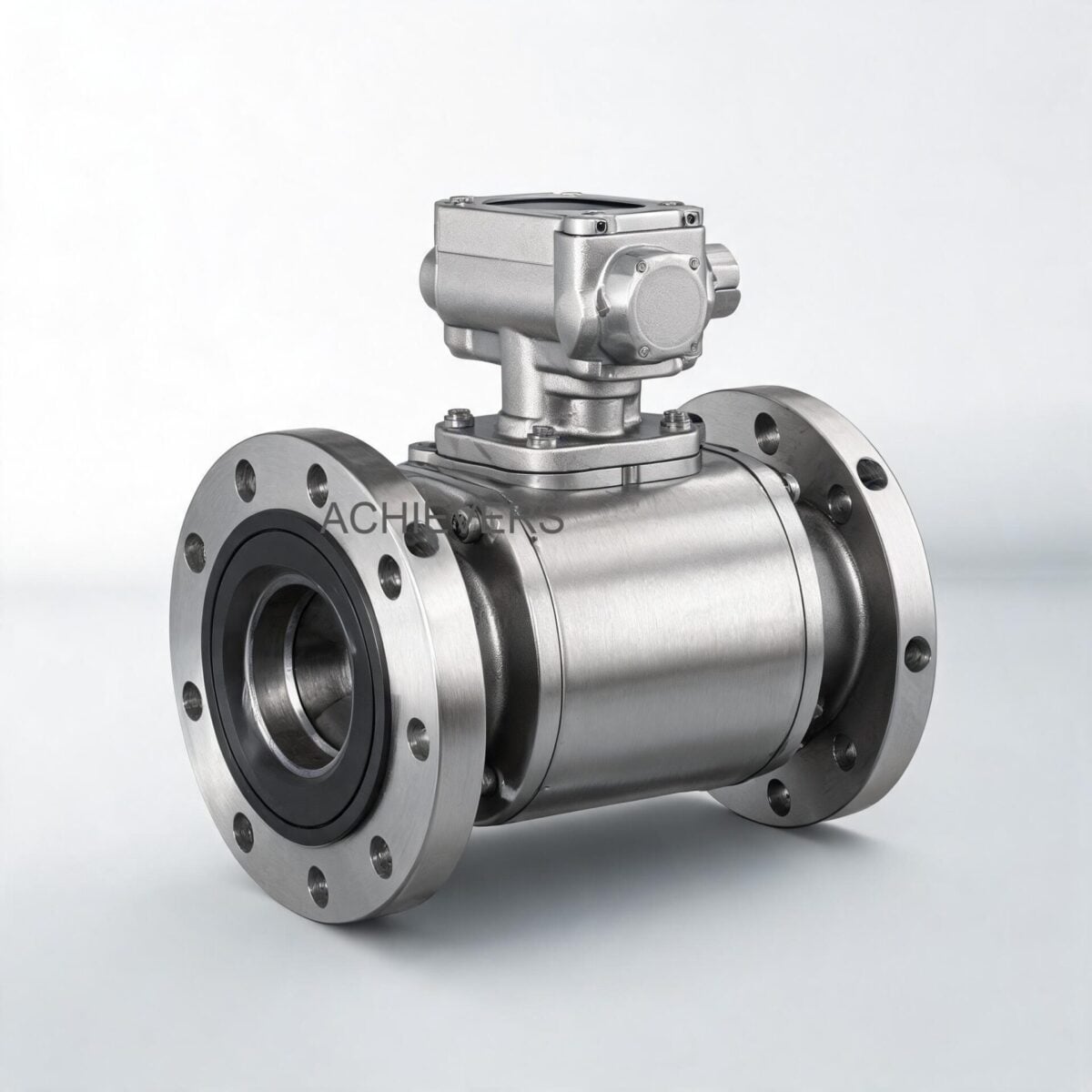
To maintain profitability, procurement heads and plant engineers need a measurement system that guarantees exact volumetric accounting. Because PD meters physically separate the liquid into precisely calculated increments using mechanical rotors (such as oscillating pistons, oval gears, or rotary vanes), their metering accuracy actually improves as fluid viscosity increases. The viscous liquid acts as a dynamic seal between the precision-machined rotors and the meter casing, effectively minimizing "slip" (the fluid that bypasses the measuring chamber).
2. Product Capabilities Matched to Industry Needs
For viscous liquid batching in food processing, every meter specification must align with process realities. The table below outlines how positive displacement technology directly addresses the most pressing challenges in Indian food production plants.
| Industry Requirement | Positive Displacement Flow Meter Feature | How It Addresses the Need |
| :— | :— | :— |
| High Viscosity Handling | Viscosity limits up to 25,000 centipoise (cP). | Effortlessly measures heavy molasses and cold-pressed oils without stalling or losing accuracy; accuracy improves as viscosity rises. |
| Custody Transfer Accuracy | ±0.1% accuracy and 0.05% repeatability. | Ensures exact financial accounting during tanker unloading, preventing "giveaways" in high-value edible oil transactions. |
| Space Constraints | No straight pipe run requirement. | Can be installed immediately after bends or valves in cramped plant layouts without distorting the flow measurement. |
| Power Unreliability | Mechanical register capability. | Can operate entirely without a power supply, ensuring continuous batch totalization during sudden plant power outages. |
| Variable Flow Rates | High turndown ratio up to 100:1. | Maintains high accuracy across a wide spectrum of flow rates, from high-speed bulk transfer to low-speed dosing. |
| High-Temperature Processes | Temperature ratings up to 350°F (176°C) for rotary vane types. | Handles hot cooking oils, heated palm oil, and SIP (Steam-in-Place) sterilization cycles without internal thermal distortion. |
| High-Pressure Pumping | Pressure tolerance up to 1,000 psig (rotary vane) / 300 psig (nutating disk). | Withstands the high pump discharge pressures required to move highly viscous fluids through long pipelines. |
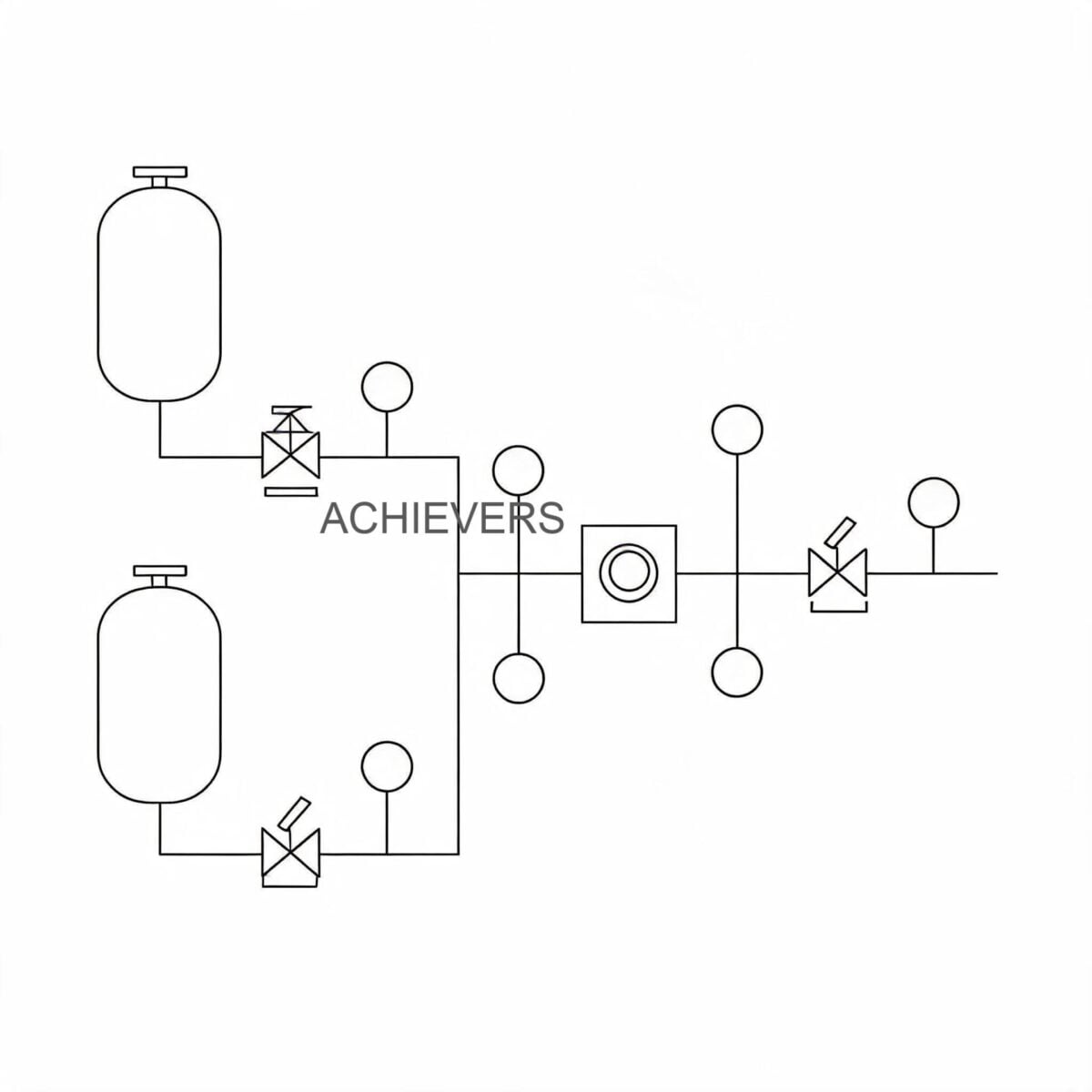
| Batch Plant Automation | Electronic pulse transmitter integration. | Counts rotor rotations to transmit high-resolution pulses to PLCs, enabling perfect integration with automatic liquid batching systems. |
3. Technology Comparison & Engineering Principles
When procuring flow meters in the ₹20,000–₹10,00,000 range, instrumentation engineers must justify the selected technology against alternatives. While single-technology sites push one agenda, a comparative analysis reveals the engineering truth: not all meters are created equal for food-grade viscous fluids.
Technology Comparison Table: Viscous Food Liquids
| Parameter | Positive Displacement | Coriolis Mass | Electromagnetic | Turbine |
| :— | :— | :— | :— | :— |
| Operating Principle | Volumetric cavity displacement | Coriolis effect on vibrating tubes | Faraday's Law of Induction | Velocity-driven rotor |
| Viscosity Tolerance | Excellent (up to 25,000 cP) | Excellent (but high pressure drop) | Poor (fluid must be conductive) | Poor (viscosity limits rotation) |
| Conductivity Need | None | None | Required (>5 µS/cm) | None |
| Accuracy on Oil/Molasses | ±0.1% (Improves with viscosity) | ±0.1% (Mass flow) | N/A (Oils are non-conductive) | Fails entirely on heavy oils |
| Initial Capital Cost | Moderate to High | Very High | Moderate | Low |
| Straight Pipe Requirement | Zero (0D upstream/0D downstream) | Minimal | 5D upstream / 3D downstream | 10D upstream / 5D downstream |
| Pressure Drop | Moderate (increases with flow/viscosity) | High (due to tube constriction) | Negligible (full bore) | Moderate |
Note: Electromagnetic Flow Meters are exceptional for water, dairy, and conductive juices, but they cannot measure non-conductive edible oils. Coriolis meters offer mass measurement but come at a prohibitively high capital cost for standard batching.
Engineering Principle: Volumetric Efficiency and Slip Control
The core operating principle of a positive displacement meter is governed by its volumetric efficiency. The actual flow rate (Q) is determined by calculating the swept volume of the internal cavity.
Theoretical Flow Rate Formula:
Q_theoretical = V_swept * N
Where:
V_swept = The fixed volume of liquid moved per revolution of the rotor.
N = Number of revolutions per minute (RPM).
However, in real-world engineering, a microscopic clearance exists between the precision-fitted rotors and the housing. Fluid that bypasses the rotor through this clearance is called "slip."
Actual Flow Rate Formula:
Q_actual = Q_theoretical – Q_slip
The genius of using PD meters for edible oil and molasses lies in the fluid dynamics of slip. The slip volume is directly proportional to the pressure differential across the meter and inversely proportional to the dynamic viscosity of the fluid. Therefore, as the viscosity of molasses or cold oil increases, the slip approaches zero, driving the meter's accuracy toward a perfect ±0.1%.
4. Typical Installation Scenarios in This Industry
Implementing positive displacement flowmeters in an Indian food processing plant requires specific configurations tailored to the application.
Scenario 1: Edible Oil Tanker Unloading (Custody Transfer)
When tankers arrive at a plant to unload raw sunflower or palm oil, custody transfer accuracy is paramount. Because tankers are blown down with air at the end of the unloading cycle, a massive influx of air can enter the pipeline.
- Setup: A heavy-duty rotary-vane or oval-gear PD meter is installed at the receiving bay.
- Essential Accessories: An upstream air eliminator and a 40-mesh mesh strainer are mandatory. The filter removes coagulated oil solids, while the air eliminator vents entrained gases before they reach the measuring chamber, preventing the meter from registering "air as oil".
- Calibration Note: Calibrated at the typical unloading temperature to ensure volumetric accuracy aligns with Legal Metrology weights.
Scenario 2: Molasses Dosing in Distilleries
Distilleries fermenting molasses require highly accurate continuous dosing into fermenters to maintain the correct yeast-to-sugar ratios.
- Setup: An oval-gear positive displacement meter constructed from 316L stainless steel.
- Configuration: The meter is fitted with a central electronic pulse transmitter. The high-resolution pulse output is sent to a localized PID controller or DCS, which modulates a variable frequency drive (VFD) on the transfer pump.
- Key Challenge Solved: Even as the molasses thickens during cooler night shifts, the PD meter maintains exact volumetric dosing without requiring recalibration.
Scenario 3: Automated Blending of Refined Oils
Food processing facilities blending different oils (e.g., rice bran and sunflower oil) require synchronized batching.
- Setup: Multiple nutating-disk or oval-gear PD meters linked to integrated Liquid Batching Systems.
- Configuration: Each meter controls an automated shut-off valve. The operator inputs the batch recipe into the controller. The PD meters count the precise number of discrete parcels; upon reaching the target volume, the batch controller instantly closes the two-stage valve to prevent hydrodynamic hammer and over-pouring.
5. Compliance, Accuracy, and Certification Requirements
Operating in the Indian industrial sector requires navigating a stringent regulatory landscape. Positive displacement flow meters can be engineered to meet these demands:
- Legal Metrology Act (2009): For commercial transactions (buying raw oil or selling finished bulk products), meters must be type-approved by the Weights and Measures department. The 0.05% repeatability of PD meters ensures easy compliance during annual government stamping and verification procedures.
- FSSAI & Hygienic Standards: For edible fluids, meter internals cannot harbor bacteria. Food-grade PD meters utilize SS316 or SS316L housings with Tri-Clamp sanitary connections and FDA-approved food-grade elastomers (like PTFE or specialized Viton) for capillary seals.
- PESO / ATEX Certification: While edible oils are not typically highly volatile, solvent extraction plants (using hexane to extract seed oil) involve hazardous zones. In such areas, mechanical PD meters with no electrical requirements are inherently safe, or they can be equipped with flameproof (Ex d) PESO-certified electronic transmitters.
- CIP/SIP Constraints: While PD meters can be cleaned in place, extreme caution is required. The precision-machined rotors have very tight tolerances. Injecting 120°C steam into a cold meter can cause rapid thermal expansion, leading the rotors to seize against the casing. Best engineering practice dictates bypassing the meter during heavy SIP or gradually ramping up the cleaning fluid temperature.
When to Use This Technology: Decision Matrix
Choose Positive Displacement if:
- Fluid viscosity is high (> 50 cP) or highly variable.
- Maximum accuracy (±0.1%) is required for inventory or billing.
- Power availability is inconsistent (mechanical totalization needed).
- Piping layout provides zero straight run lengths.
Do NOT Choose Positive Displacement if:
- The fluid contains abrasive slurries, heavy sand, or non-compressible solids (rapid wear of precision parts).
- The fluid is highly aerated without the possibility of installing an air eliminator.
- You require zero pressure drop across the pipeline.
6. ROI and Operational Benefits
Investing in a high-quality positive displacement meter yields a measurable return on investment, particularly when replacing outdated, inaccurate flow technologies or manual dip-stick tank measurements.
| Benefit | Typical Improvement | Indian Industry Context |
| :— | :— | :— |
| Elimination of Giveaways | Reduces batching errors from ±2.0% to ±0.1%. | In a ₹10,00,000 edible oil transfer, a 1.9% accuracy gain prevents ₹19,000 of lost product per batch. |
| Uptime & Reliability | Decades of operational life with basic maintenance. | Sturdy construction resists the physical stress of heavy industrial usage, requiring less frequent part replacement. |
| Uninterrupted Operations | 100% mechanical operation capability. | Frequent load-shedding and grid fluctuations do not halt commercial loading operations. |
| Optimized Plant Layout | Zero straight-pipe installation footprint. | Allows retrofitting into existing, crowded skid layouts in legacy sugar mills without expensive pipe redesign. |

7. Selection Checklist for This Industry
Before engaging a manufacturer or supplier to procure a positive displacement flow meter for your plant, use this engineering checklist to ensure exact specification matching:
- Fluid Profile Matrix: Document the precise fluid, noting its specific gravity, baseline kinematic viscosity, and maximum/minimum operating temperatures.
- Flow Rate Parameters: Identify the normal operating flow rate, as well as the absolute maximum and minimum flows, ensuring they fall within the meter's 100:1 turndown ratio.
- Maximum Pressure Limits: Verify the system's maximum pump discharge pressure. Ensure the meter casing (e.g., rotary vane rated to 1,000 psig) exceeds this limit.
- Allowable Pressure Drop: Calculate the acceptable pressure drop across the meter at peak viscosity to ensure the upstream pump maintains sufficient Net Positive Suction Head (NPSH).
- Filtration Requirements: Specify an appropriately sized upstream strainer. Viscous oils generally require a coarser mesh (e.g., 20 to 40 mesh) compared to water to prevent strainer blockage.
- Air Elimination: If the application involves emptying tanks or tanker unloading, mandate an air eliminator vessel in the upstream assembly.
- Material of Construction: Select 316 Stainless Steel for wetted parts in food processing, and ensure O-rings/seals comply with FSSAI/FDA standards.
- Output and Automation: Determine if you require a simple mechanical counter, or a digital transmitter outputting Modbus RS485, 4-20mA, or scaled pulses to a central DCS.
- Cleaning Protocol (CIP/SIP): Clarify the cleaning regime. If high-temperature steam sterilization is used, specific high-clearance rotors must be machined to allow for thermal expansion.
FAQ
Q: Can positive displacement flow meters handle fluids with high solid content like raw fruit pulp?
A: No. PD meters rely on extremely tight clearances between their precision-machined rotors and the housing. Abrasive slurries or hard solids will rapidly wear down these clearances, causing increased slip, loss of accuracy, and eventual mechanical jamming.
Q: How does a change in fluid temperature affect the meter's accuracy?
A: Temperature changes affect fluid viscosity and volume. While the PD meter remains volumetrically accurate regardless of viscosity (as long as it exceeds the minimum threshold), high-end applications often integrate a temperature transmitter to calculate temperature-compensated volume to standard reference conditions (e.g., at 15°C).
Q: Why is an air eliminator so critical for tanker unloading in India?
A: Tankers are frequently purged with air at the end of the delivery cycle. Because PD meters measure discrete volumes of whatever passes through them, they will measure air just as they measure oil. An air eliminator vents this gas before it reaches the measuring chamber, preventing you from paying for air.
Q: What maintenance interval is required for PD meters on edible oils?
A: Edible oils provide excellent natural lubricity, which extends the operational life of the internal gears. Typically, an annual visual inspection of the rotors, capillary seals, and calibration verification is sufficient. However, upstream strainers must be cleaned weekly or per-batch depending on contamination levels.
Q: Can these meters interface with modern PLC systems despite being mechanical in nature?
A: Yes. While the primary measuring mechanism is mechanical, modern PD meters are fitted with central electronic pulse transmitters or smart heads that convert rotor rotations into digital signals (Pulse, 4-20mA, or HART/Modbus) for seamless PLC integration.
Q: What happens if the plant faces a total power failure during a batch transfer?
A: If the PD meter is equipped with a mechanical register, it will continue to accurately count and display the flow driven by the fluid's kinetic energy (assuming the pump is driven by a backup generator or it's a gravity-fed drop). It requires zero electrical power for local mechanical indication.
Q: Is pressure drop a serious concern with PD meters?
A: Yes. Because the fluid must physically push the mechanical rotors, PD meters inherently cause a pressure drop. This drop increases exponentially with higher flow rates and higher fluid viscosities. Engineers must ensure the transfer pump is sized correctly to overcome this differential pressure.
For tailored sizing and engineering support for your facility, contact Lumen Instruments (Achivers). Provide your process fluid details, viscosity range, operating temperature, and required flow capacity, and our instrumentation team will engineer a robust volumetric measurement solution designed specifically for Indian site conditions.