
In the rigorous environments of chemical processing and pharmaceutical manufacturing, fluid measurement demands absolute precision and material resilience. Process engineers face a constant battle against corrosive reagents, fluctuating pressures, and the strict hygienic requirements of active pharmaceutical ingredient (API) production. While mechanical meters degrade under chemical attack or introduce contamination risks via moving parts, advanced induction-based measurement provides a non-intrusive, highly accurate alternative.
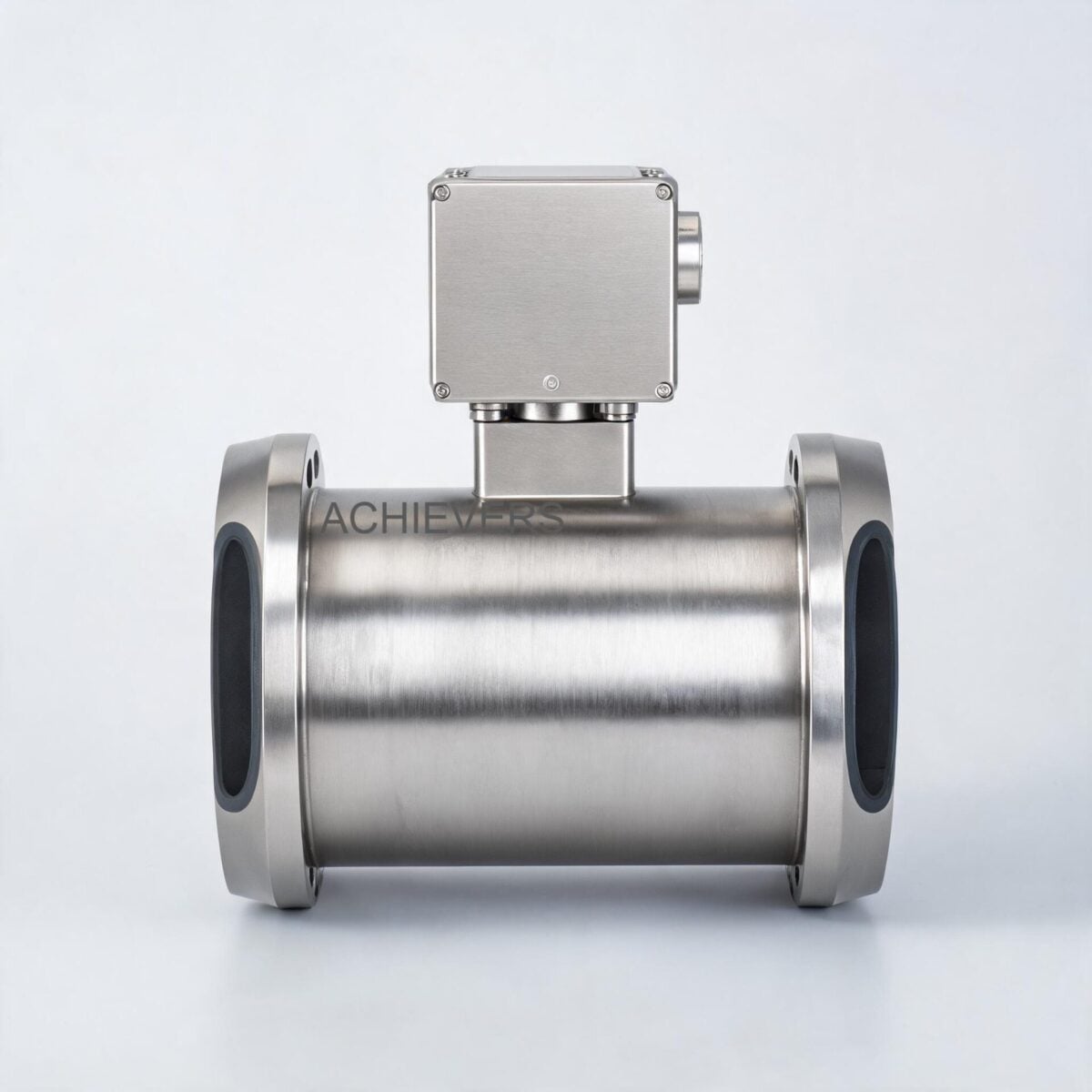
Applying Electromagnetic Flow Meters to these severe-service lines requires a deep understanding of metallurgy, polymer science, and fluid dynamics. By utilizing Faraday’s law of electromagnetic induction, these instruments measure the voltage generated by a conductive fluid passing through a magnetic field. Because the pipe cross-section remains completely unobstructed, the technology is inherently immune to the pressure drops and mechanical wear that plague generic flow measurement devices. This guide details the specification, liner and electrode selection, and installation protocols necessary for deploying these meters in global chemical and pharmaceutical facilities.
1. Industry Overview: The Fluid Challenge
Chemical and pharmaceutical plants operate under some of the most punishing fluid handling conditions globally. Process streams frequently involve highly aggressive media, including concentrated acids (sulfuric, hydrochloric), strong alkalis (sodium hydroxide), abrasive slurries, and organic solvents. Furthermore, pharmaceutical facilities mandate uncompromising sanitary conditions, requiring components to withstand high-temperature Clean-In-Place (CIP) and Steam-In-Place (SIP) cycles without material degradation or the creation of bacterial traps.
The measurement challenge is compounded by the necessity for strict accuracy in batch dosing. A volumetric error of even 1% in a reactant feed line can yield out-of-spec product batches, resulting in immense financial loss. Furthermore, these plants must adhere to international compliance standards such as CE, ATEX for hazardous zones, and FDA/3-A hygienic design criteria for wetted parts.
Generic measurement technologies often fall short. Electromagnetic Flow Meters bridge this gap by utilizing Pulsed DC magnetic fields, completely isolating the sensitive electronic transmitter from the aggressive fluid via engineered polymeric liners and specialized alloy electrodes.
Engineering Principle: Faraday’s Law
The operational core of the technology relies on the equation:
E = k * B * D * V
Where:
- E = Induced voltage (proportional to flow velocity)
- k = Instrument constant
- B = Magnetic field strength (generated by the meter's coils)
- D = Inner diameter of the pipe
- V = Velocity of the conductive fluid
Because the induced voltage is independent of fluid density, viscosity, temperature, and pressure, the meter delivers an exceptionally stable 4–20 mA DC output linearly proportional to the volumetric flow.
Technology Comparison Table
No single technology fits every plant application. Below is an engineering comparison between Electromagnetic Flow Meters, Vortex Flow Meters, and Turbine Flow Meters to clarify appropriate use cases.
| Parameter | Electromagnetic Flow Meter | Vortex Flow Meter | Turbine Flow Meter |
| :— | :— | :— | :— |
| Operating Principle | Faraday's Law (Magnetic Induction) | Von Kármán Effect (Vortex Shedding) | Rotor RPM (Mechanical) |
| Fluid Compatibility | Conductive liquids and slurries | Liquids, gases, and steam | Clean, low-viscosity liquids |
| Conductivity Limit | Minimum 5 µS/cm required | No requirement | No requirement |
| Pressure Drop | Zero (Full bore pipe cross-section) | Moderate (Bluff body restricts flow) | High (Rotor restricts flow) |
| Viscosity Tolerance | Extremely High (Unaffected) | Low to Medium | Low (Highly sensitive) |
| Corrosion Resistance | Excellent (Custom liners & electrodes) | Moderate (Usually SS316 or Hastelloy) | Poor to Moderate |
| Typical Accuracy | +/- 0.5% (Optional +/- 0.2%) | +/- 0.75% to 1.0% | +/- 0.5% |
Decision Matrix: When to Use This Technology
- Use Electromagnetic Meters WHEN: The fluid is conductive (≥ 5 µS/cm), contains suspended solids or slurries, is highly corrosive requiring exotic wetted materials (Tantalum, Hastelloy), or requires perfectly unobstructed flow (sanitary lines).
- Use Vortex Meters WHEN: Measuring non-conductive hydrocarbons, utility steam, or gases, and moderate pressure drops are acceptable.
- Use Turbine Meters WHEN: Dispensing perfectly clean, low-viscosity, non-conductive solvents or fuels where high-speed batching response is needed.
2. Product Capabilities Matched to Industry Needs
Selecting electromagnetic flow meters for chemical process lines requires cross-referencing precise process conditions against instrument specifications. Using Micro-controller based Pulsed DC technology, Lumen Instruments configurations span from DN15 up to DN1000, supporting a massive flow range (0.2 to 2800 m3/h).
| Industry Requirement | Electromagnetic Flow Meter Feature | How It Addresses the Need |
| :— | :— | :— |
| Aggressive Acid Handling | Tantalum (Ta) or Hastelloy (Hc/Hb) Electrodes | Resists chemical attack from highly oxidizing or reducing acids, preventing sensor failure. |
| Sanitary / Hygienic Operation | Triclover Connections & PTFE/PFA Liners | Allows for seamless, crevice-free installation in pharma lines (DN15-DN80) compliant with FDA standards. |
| High-Temperature CIP/SIP | Medium Temp Range: -10 to 150°C, PFA Liner | PFA maintains mechanical stability under the high heat and vacuum conditions of steam cleaning. |
| Accurate Batch Control | High Accuracy: +/-0.5% (Optional +/-0.2%) | Guarantees precise dosing of APIs and chemical reagents, minimizing batch rejection rates. |
| No Flow Obstruction | Free Pipe Cross Section | Eliminates pressure drop and prevents shear-sensitive fluids (like polymer broths) from degrading. |
| Installation Flexibility | Short Inlet/Outlet Run Requirements | Ideal for compact skid designs in pharmaceutical cleanrooms where straight pipe runs are limited. |
| Remote / Off-Grid Monitoring | 3.6 V Lithium Battery Operated Variant | Allows installation on remote chemical effluent or wastewater discharge lines without external power. |
| Harsh Ambients & Washdowns | IP65 / IP67 Protection Class | Protects the 4-20 mA transmitter electronics from high-pressure water jets and chemical plant washdowns. |
3. Typical Installation Scenarios in This Industry
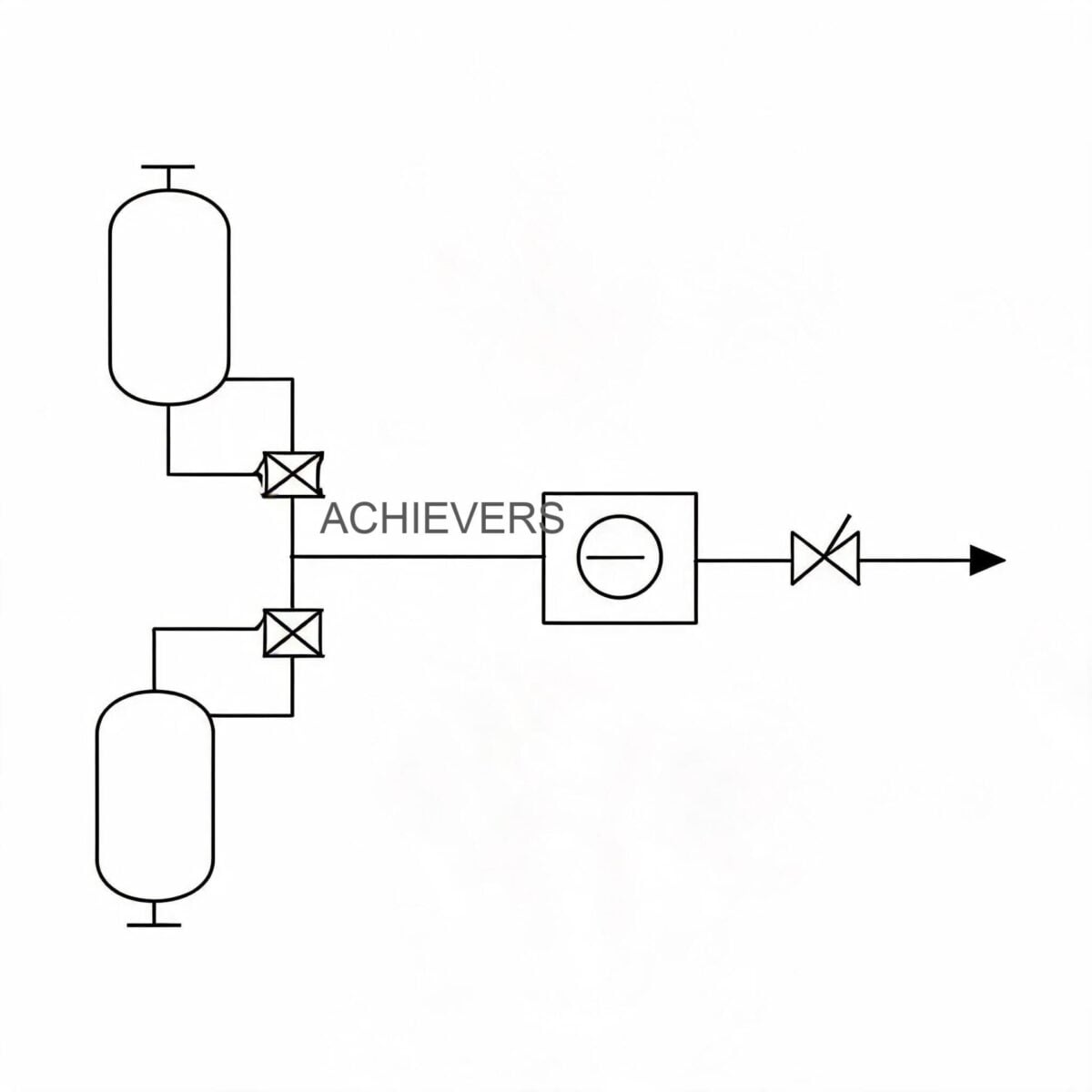
Scenario A: Highly Corrosive Acid Blending Line
- Application: Dosing concentrated sulfuric acid into a continuous reactor.
- Setup: Flange Type Electromagnetic Flow Meter.
- Configuration: DN50 pipe size, PTFE liner, Tantalum (Ta) electrodes.
- Engineering Note: PTFE provides ultimate chemical inertness. Tantalum is selected over standard 316L or Hastelloy because it forms an impenetrable oxide layer in the presence of strong sulfuric acid. Grounding rings (made of similar Tantalum or Platinum) must be installed if the adjacent piping is non-conductive (e.g., PVDF or fiberglass-reinforced plastic).
Scenario B: Pharmaceutical API Transfer and CIP
- Application: Transferring protein broths and handling subsequent 130°C Steam-In-Place cycles.
- Setup: Triclover Type Electromagnetic Flow Meter.
- Configuration: DN25 pipe size, PFA liner, 316L Stainless Steel electrodes.
- Engineering Note: Triclover sanitary clamps ensure rapid teardown if manual inspection is needed. PFA is chosen over PTFE here; while both are chemically inert, PFA has a reinforced structure that better resists the vacuum conditions created when SIP steam cools and condenses. A collapsing liner will destroy sensor calibration.
Scenario C: Industrial Effluent Discharge
- Application: Measuring treated, chemically dosed wastewater leaving the facility to meet environmental regulatory reporting.
- Setup: Battery Operated Electromagnetic Flow Meter.
- Configuration: DN300, Neoprene liner, Hastelloy C (Hc) electrodes.
- Engineering Note: The 3.6V lithium battery provides autonomy in areas lacking cable infrastructure. The Neoprene liner is cost-effective for large diameter pipes where abrasion from suspended solids (sludge) is a higher risk than extreme temperatures.
4. Compliance, Accuracy, and Certification Requirements
Electromagnetic flow meter specifications supplier for industrial buyers must guarantee instruments meet strict metrological and safety standards.
- Conductivity Verification: The fundamental limit of this technology is fluid conductivity. The medium must be ≥ 5 µS/cm. Deionized water (often used in pharma WFI loops) falls below this threshold (typically 0.1 to 1 µS/cm) and cannot be measured via this technology.
- Accuracy: Standard performance is +/- 0.5% of the displayed value. For critical dosing, the optional +/- 0.2% calibration should be specified.
- Power and Signals: Flange and Triclover types require 220VAC (50Hz) or 24VDC, drawing < 15W. The output is an analog 4~20 mA signal, widely compatible with global DCS (Distributed Control Systems) and SCADA architectures. Digital communication outputs are also available for smart plant integration.
- Temperature & Environment: The transmitter electronics operate in ambient environments of 0 to 55°C, while the wetted flow tube handles fluid temperatures of -10 to 150°C.
5. ROI and Operational Benefits
Investing in highly specified electromagnetic flow meters for pharmaceutical plants yields measurable returns through loss prevention, reduced maintenance, and superior uptime.
| Benefit | Typical Improvement | Industrial Context |
| :— | :— | :— |
| Zero Pressure Drop | Saves 10-15% on pump energy costs. | High-volume chemical transfer pumps operate at lower head pressures, reducing continuous electrical draw. |
| Elimination of Moving Parts | Increases MTBF (Mean Time Between Failures) by 300%+ vs turbines. | Abrasive chemical slurries destroy mechanical rotors. Empty pipe detection and static sensors eliminate wear. |
| Batch Accuracy | Reduces raw material waste by 2-5%. | +/- 0.2% optional accuracy ensures expensive catalysts and API bases are not over-dosed. |
| Sanitary Compliance | Cuts CIP cycle time by 15%. | Crevice-free F46 or PFA liners ensure rapid validation of clean-out, getting the plant back to production faster. |
6. Selection Checklist for This Industry
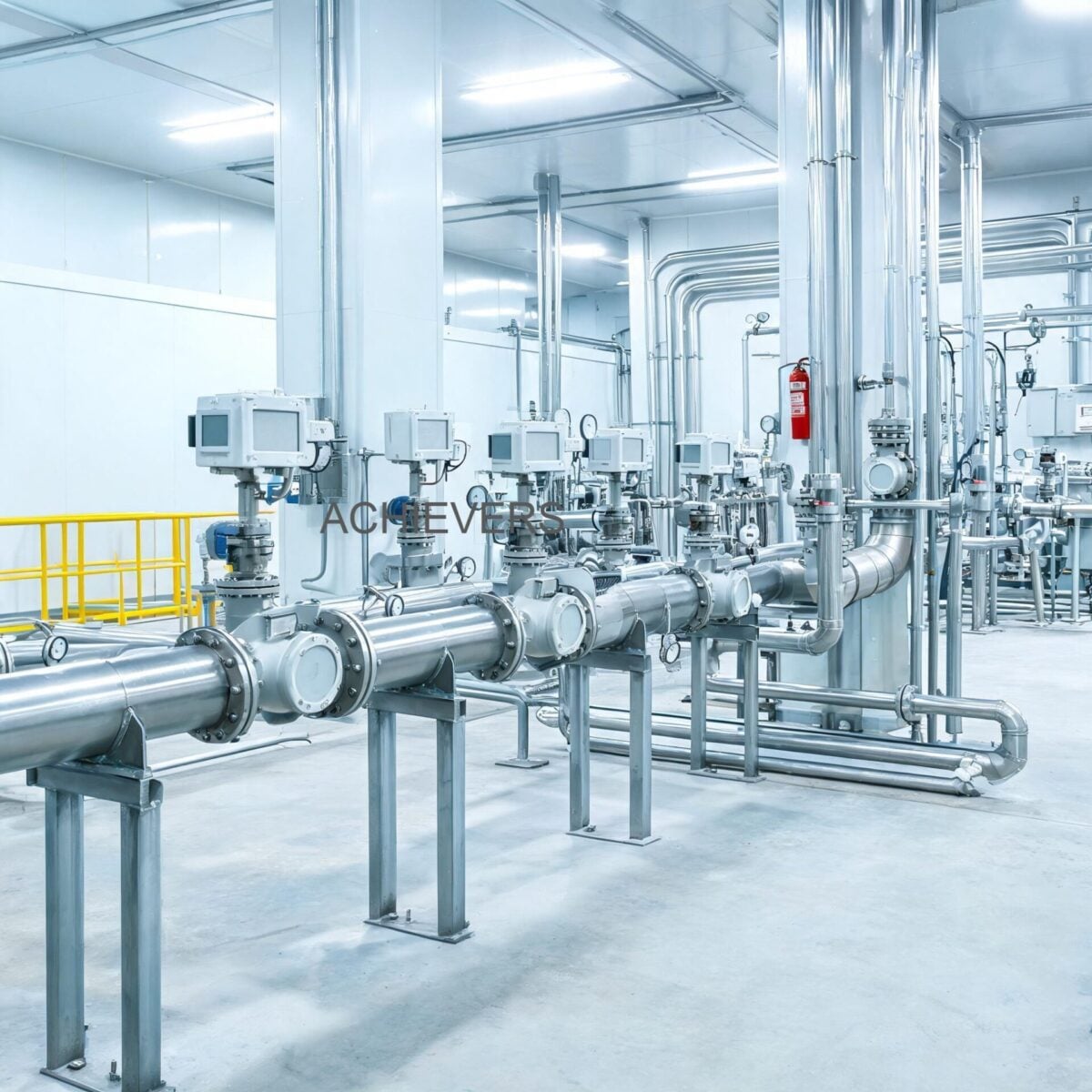
To ensure flawless integration and long-term reliability, utilize this 8-step engineering specification checklist when ordering electromagnetic flow meters for chemical process lines:
- Verify Fluid Conductivity: Ensure the baseline conductivity at the lowest operating temperature is at least 5 µS/cm.
- Select the Liner Material: Match the polymer to the fluid. Use Neoprene for abrasive water/sludge, PTFE for general corrosive chemicals, and PFA for pharma lines requiring high-temperature SIP vacuum resistance.
- Specify Electrode Metallurgy: Default to 316L for basic water and sanitary fluids. Upgrade to Hastelloy C/B for standard acids/bases, Titanium for chlorides, and Tantalum for highly aggressive acids.
- Determine Pipe Connection: Flange (DN15–1000) for structural rigidity in chemical plants; Triclover (DN15–80) for hygienic pharmaceutical lines.
- Assess Grounding Requirements: If installing in plastic, PVC, or lined pipes, you must specify grounding rings to provide a reference path for the induced voltage.
- Calculate Flow Range: Ensure normal operating flow velocity falls between 1.5 to 3.0 m/s for optimal accuracy. The meters support 0.2 to 2800 m3/h depending on line size.
- Identify Power Availability: Choose between 220VAC, 24VDC for DCS integration, or 3.6V Lithium Battery for remote installations.
- Define Output and Protection: Specify standard 4-20mA output and IP65/IP67 rating based on the likelihood of external washdowns or temporary submersion.
FAQ
Q: Can electromagnetic flow meters measure demineralized or deionized (DI) water?
A: No. Electromagnetic meters require a minimum fluid conductivity of 5 µS/cm. DI and ultrapure water used in pharmaceutical WFI (Water for Injection) loops typically have conductivities below 1 µS/cm. Alternative technologies like Coriolis or ultrasonic meters are required here.
Q: Why choose PFA over PTFE for Clean-in-Place (CIP) lines?
A: While both offer excellent chemical resistance, PFA (Perfluoroalkoxy) has superior mechanical stability at higher temperatures and better cold flow resistance. During Steam-in-Place (SIP), condensation can pull a sudden vacuum; PFA resists collapsing and detaching from the measuring tube much better than PTFE.
Q: Do I need straight pipe runs upstream and downstream of the meter?
A: Yes, although the requirements are relatively short. To guarantee the +/- 0.5% accuracy, typical installations require a minimum straight run of 5x pipe diameter (5D) upstream and 2x to 3x pipe diameter (2D-3D) downstream to ensure a fully developed flow profile.
Q: What is the lifespan of the battery in the battery-operated variant?
A: The 3.6 V lithium battery life depends heavily on the measurement frequency (sampling rate) and environmental temperature, but typical lifespans range from 3 to 6 years before replacement is necessary.
Q: Are these meters affected by fluid viscosity changes?
A: No. Because the measurement relies on Faraday's law of induction rather than mechanical forces, the accuracy is completely independent of fluid viscosity, density, or pressure fluctuations.
Q: How do I prevent grounding issues in plastic piping systems?
A: When installing in non-conductive piping (like PVC, PVDF, or PTFE-lined steel), you must install grounding rings at both flanges of the meter. These rings ensure the fluid is electrically grounded to the meter's casing, stabilizing the reference voltage.
Q: Can this meter handle high-concentration solids or slurries?
A: Yes. Because there is a free pipe cross-section with no moving parts, electromagnetic meters are excellent for slurries. However, highly abrasive slurries require durable liners (like Neoprene or specialized polyurethane) to prevent premature wear.
To optimize your chemical or pharmaceutical process with the highest precision measurement available, contact us with your specific fluid type, flow rate capacity, operating temperature, and pipeline dimensions. Our engineering team will configure the exact liner, electrode material, and connection standard necessary to guarantee long-term accuracy in your specific plant conditions.