
Accurate flow measurement in Indian water and wastewater treatment plants is notoriously difficult. Plant operators deal with highly variable fluid conductivity, thick biological sludge, corrosive chemical dosing, and erratic power supply. Traditional mechanical flow meters fail quickly in these environments; their moving parts jam with suspended solids, leading to massive maintenance overheads and false volumetric data. This is where Electromagnetic Flow Meters become an indispensable asset for instrumentation and control engineers.
By operating on the principle of Faraday’s Law of Electromagnetic Induction, Electromagnetic Flow Meters utilize a completely free pipe cross-section. Because there are no moving parts, the measurement is entirely independent of fluid density, viscosity, temperature, and pressure. For Sewage Treatment Plants (STPs) and Effluent Treatment Plants (ETPs) across India—where media ranges from heavily aerated mixed liquor to abrasive primary sludge—these meters provide the baseline accuracy required for both process control and Central Pollution Control Board (CPCB) compliance.
1. Industry Overview: The Fluid Challenge
Indian industrial utilities face unique environmental and operational hurdles. A typical ETP in the textile, pharmaceutical, or petrochemical sector handles aggressive fluids with extreme pH swings. Raw water intakes from borewells often have high mineral content (hard water) that leads to scaling. Furthermore, the ambient environment can reach 55°C during peak summer, and monsoon humidity aggressively tests the ingress protection of electronic enclosures.
Generic flow measurement solutions underperform here. Differential pressure devices like orifice plates suffer from rapid wear and impulse line plugging. Mechanical meters degrade due to abrasive grit. The fluid challenge requires a sensor that can handle conductivities down to 5 µS/cm while maintaining a stable zero-point, resisting electrode coating, and surviving harsh ambient conditions.
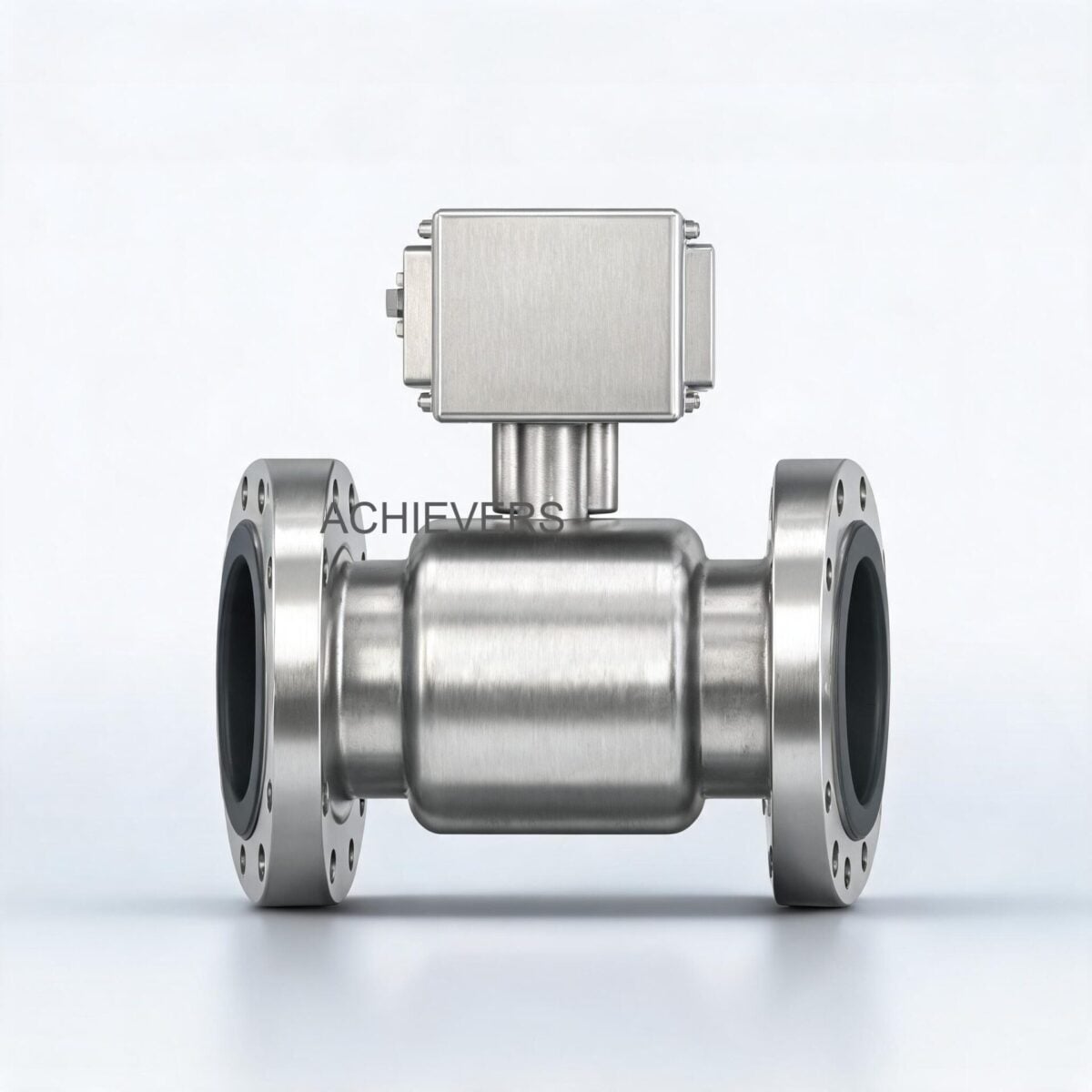
2. Product Capabilities Matched to Industry Needs
Electromagnetic Flow Meters manufactured with "Pulsed DC" excitation technology solve the inherent zero-drift problems of older AC meters. Pulsed DC technology rapidly alternates the magnetic field polarity, effectively canceling out the electrochemical noise generated at the electrodes.
Engineering Principle:
The operation is defined by Faraday’s Law:
E = k × B × D × V
Where:
E = Induced voltage (proportional to flow velocity)
k = Instrument constant
B = Magnetic field strength
D = Inner diameter of the pipe
V = Mean velocity of the fluid
By integrating the velocity over the known cross-sectional area (Q = A × V), the internal microcontroller calculates the precise volumetric flow rate and outputs it linearly as a 4-20 mA DC signal.
Capability Mapping Matrix
| Industry Requirement | Electromagnetic Flow Meter Feature | How It Addresses the Need |
| :— | :— | :— |
| High Suspended Solids / Sludge | Free pipe cross-section | Zero obstruction means no pressure drop, no clogging, and no moving parts to jam with biological waste. |
| Variable Media Temperatures | High thermal rating (-10°C to 150°C) | Easily handles hot effluent discharges from chemical reactors without degrading the internal liner. |
| Corrosive Effluents (Acids/Alkalis) | Multiple Electrode & Liner options | Use of Hastelloy (Hc/Hb), Titanium, or Tantalum with PTFE/PFA liners ensures total chemical immunity. |
| Harsh Indian Summers | 55°C Ambient Temp Rating | Electronics housing (IP65/IP67) withstands intense direct sunlight and extreme heat without thermal failure. |
| Low Conductivity Media | Sensitive detection circuit | Can measure any conductive fluid with conductivity ≥ 5 µS/cm, including most treated water and RO reject. |
| Tight Installation Spaces | Short inlet and outlet runs | Operates accurately with shorter straight pipe lengths compared to orifice plates or Coriolis meters. |
| Remote / Off-Grid Locations | Battery Operated Variant | 3.6V Lithium battery models allow for remote pump station monitoring where grid power is unavailable. |
| Digital SCADA Integration | 4~20 mA and Digital Transmission | Seamlessly feeds data to PLCs or CPCB continuous monitoring servers for compliance reporting. |
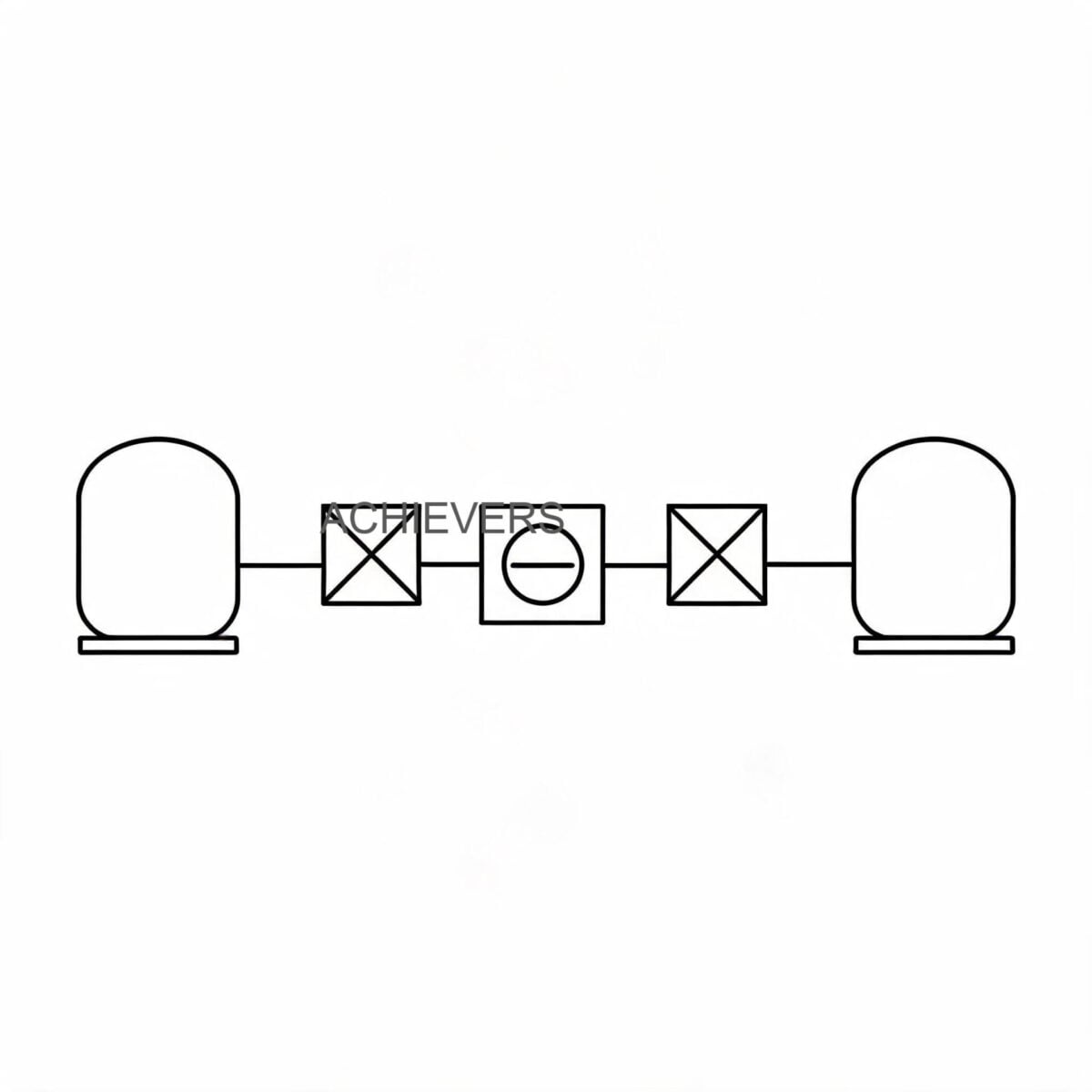
3. Technology Comparison and Decision Matrix
To provide clarity for procurement and plant heads, it is vital to compare magnetic flow meters against other common technologies like Turbine Flow Meters and Vortex Flow Meters. No single technology fits every application, but for conductive water and wastewater, the technical superiority of the mag meter is apparent.
Flow Measurement Technology Comparison
| Parameter | Electromagnetic Flow Meter | Turbine Flow Meter | Vortex Flow Meter |
| :— | :— | :— | :— |
| Best Used For | Water, Wastewater, Sludge, Slurries | Clean, non-lubricating liquids, Diesel | Steam, Gases, Clean low-viscosity liquids |
| Moving Parts | None (Zero mechanical wear) | Rotor and bearings (Subject to wear) | None (Bluff body causes vortex shedding) |
| Conductivity Requirement | ≥ 5 µS/cm (Requires conductive fluid) | Independent of conductivity | Independent of conductivity |
| Pressure Drop | Negligible (Unobstructed pipe) | Moderate (Rotor obstruction) | Moderate (Bluff body obstruction) |
| Solids Handling | Excellent (Handles heavy sludge/grit) | Poor (Bearings will jam or erode) | Poor to Fair (Solids can damage sensor) |
| Typical Accuracy | ±0.5% (Up to ±0.2% optional) | ±0.5% to ±1.0% | ±1.0% to ±1.5% |
"When to Use Which Technology" Decision Matrix
- Select Electromagnetic Flow Meters when: Pumping municipal sewage, dosing PAC/Alum/Chlorine, measuring RO feed water, pumping heavy mining slurries, or transferring food-grade liquids (using Triclover sanitary connections).
- Select Turbine Flow Meters when: Measuring high-value, non-conductive, clean hydrocarbons like diesel, light oils, or solvents where mechanical accuracy is paramount and fluid is free of particulates.
- Select Vortex Flow Meters when: Measuring utility steam (saturated or superheated) for boilers, compressed air, or industrial gases where conductivity is zero but high temperature/pressure capabilities are required.
4. Typical Installation Scenarios in Water & Wastewater
Understanding the specific variants available allows Indian engineers to deploy the right tool for the exact unit operation.
A. Raw Sewage Inlet (DN200 to DN1000)
For massive volumetric flows entering an STP, the Flange Type is mandatory. A DN500 meter with a Neoprene liner and standard 316L stainless steel electrodes provides the best cost-to-performance ratio. Neoprene offers excellent abrasion resistance against sand and grit found in raw sewage. The IP67 protection class ensures the electronics survive the inevitable monsoon flooding in below-ground pits. Accuracy remains at ±0.5% of the displayed value, providing accurate baseline data for total plant load.
B. Chemical Dosing & Hygienic Processes (DN15 to DN80)
In food processing or aggressive chemical dosing (like sulfuric acid for pH correction), the Triclover Type is deployed. Sized typically between DN15 and DN80, these meters utilize highly inert PTFE or PFA liners paired with Hastelloy-C (Hc) or Tantalum (Ta) electrodes. The Triclover connection allows for rapid dismantling and Cleaning-In-Place (CIP), crucial for pharmaceutical and food-grade effluent streams.
C. Remote Pumping Stations
Many Indian municipalities operate lift stations in remote zones plagued by power cuts. The Battery Operated Variant solves this. Powered by a 3.6V Lithium battery and offering ±1% accuracy across DN15 to DN300 sizes, it guarantees continuous flow logging without needing expensive UPS backups or solar arrays.
5. Specifications & Operating Ratings
Do not rely on generic datasheets. The table below outlines the exact, verified specifications of the Lumen Instruments variants used across Indian industrial utilities.
Model Variant Specifications
| Specification | Flange Type | Triclover Type (Sanitary) | Battery Operated |
| :— | :— | :— | :— |
| Size Range | DN15 – DN 1000 | DN15 – DN 80 | DN15 – DN 300 |
| Electrodes | 316L, Hc, Hb, Ti, Ta | 316L, Hc, Hb, Ti, Ta | 316L, Hc, Hb, Ti, Ta |
| Liner Material | Neoprene, PTFE, PFA, F46 | PTFE, PFA, F46 | PTFE, PFA, F46 |
| Conductivity | ≥ 5 µS/cm | ≥ 5 µS/cm | ≥ 5 µS/cm |
| Base Accuracy | ±0.5% (±0.2% optional) | ±0.5% (±0.2% optional) | ±1.0% |
| Measuring Range | 0.2 ~ 2800 m³/h | 0.2 ~ 180 m³/h | 0.2 ~ 2500 m³/h |
| Power Supply | 220VAC 50Hz, 24 VDC | 220VAC 50Hz, 24 VDC | 3.6 V Lithium Battery |
| Max Power | ≤ 15 W | ≤ 15 W | N/A (Ultra-low power) |
| Protection | IP65, IP67 | IP65, IP67 | IP65, IP67 |
Note: The operational medium temperature range is strictly -10°C to 150°C, and the environmental (ambient) temperature limit is 0°C to 55°C. These ratings cover virtually all standard and elevated temperature processes in Indian manufacturing.
6. Compliance, Accuracy, and SCADA Integration
For an Indian plant manager, flow measurement is not just about internal process control; it is heavily tied to regulatory compliance. The Legal Metrology Act and CPCB mandate strict record-keeping for water abstraction (CGWA guidelines) and zero liquid discharge (ZLD) norms.
The micro-controller based transmitter is designed for digital integration. The primary analog output signal (4~20 mA DC) is linearly proportional to volumetric flow and is universally accepted by PLCs and DCS systems. Additionally, transmission outputs for digital communication (such as RS485 Modbus) allow for direct integration into plant-wide SCADA systems. Because power consumption is exceptionally low (≤ 15W), these meters are highly immune to standard industrial voltage sags, ensuring data integrity during the shift over to diesel generators.
7. ROI and Operational Benefits
Investing between ₹30,000 to ₹3,00,000+ for a high-quality mag meter requires a clear return on investment (ROI), especially when cheaper mechanical water meters are available. The ROI in wastewater applications is realized through the elimination of maintenance downtime and the avoidance of regulatory fines.
| Operational Benefit | Typical Process Improvement | Context for Indian Industry |
| :— | :— | :— |
| Zero Pressure Drop | Reduces pump head requirements. | Saves substantial electrical costs on large kW transfer pumps due to unobstructed flow path. |
| Zero Moving Parts | Eliminates strainer blockages and rotor wear. | Drastically cuts maintenance man-hours in STPs. No need to pull the meter out of the line to clean debris. |
| High Accuracy (±0.5%) | Tighter control over chemical dosing. | Prevents expensive over-dosing of PAC, Alum, or Sodium Hypochlorite in the coagulation stages. |
| Long Operational Life | Sturdy construction and flawless finish outlast mechanical meters by 5x. | Maximizes capital expenditure lifecycle. A properly lined mag meter will run for a decade without drift. |
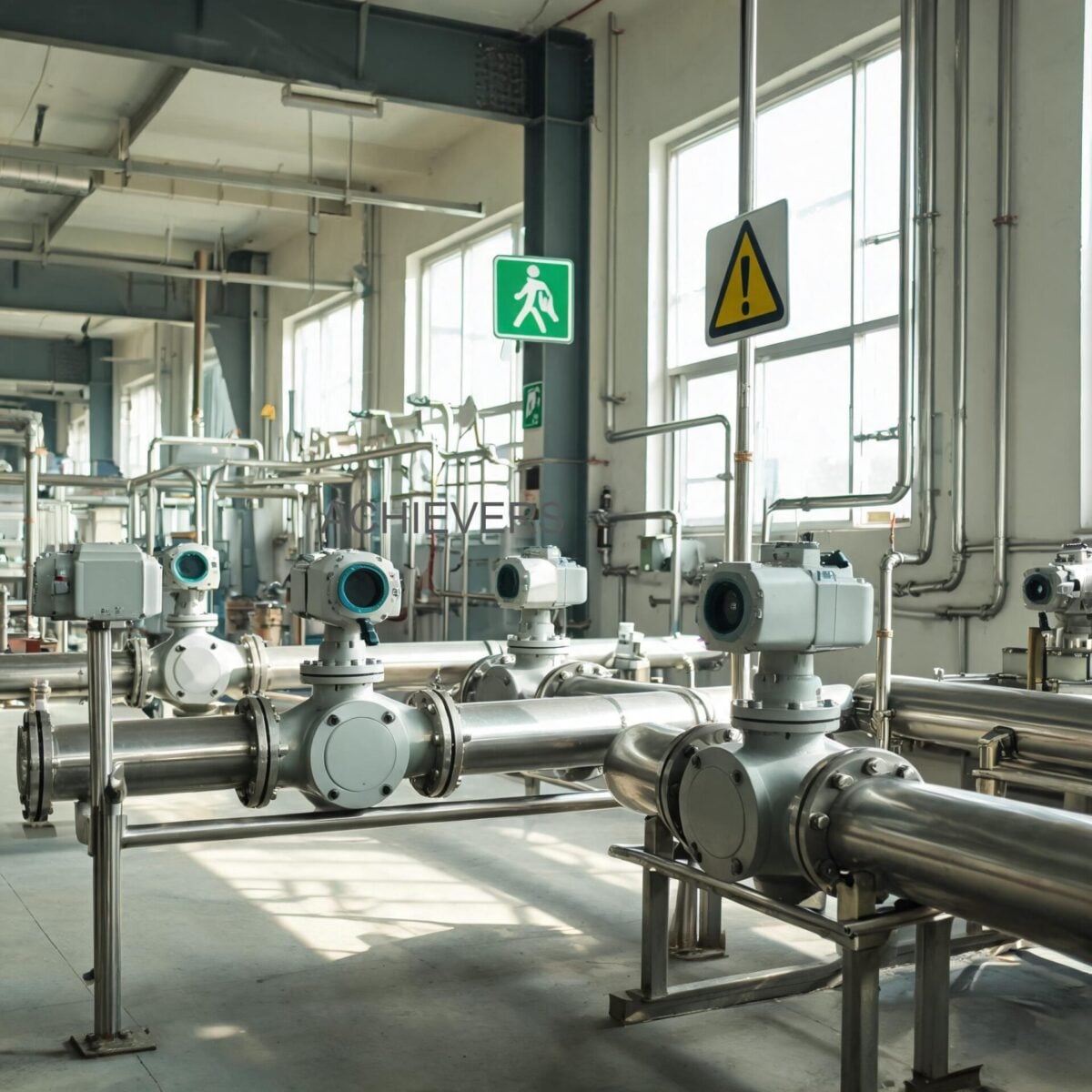
8. Sizing, Inlet Runs, and Selection Procedure
Purchasing the right meter requires precise engineering input. A common mistake is sizing the meter based strictly on the existing pipe size rather than the fluid velocity. For magnetic flow meters, the fluid velocity should ideally be between 1.5 m/s and 3.0 m/s for maximum accuracy and self-cleaning of the electrodes.
Follow this rigorous 8-step selection and installation procedure:
- Calculate Flow Velocity: Determine your minimum, normal, and maximum volumetric flow rates (in m³/h). Use the pipe cross-section to ensure velocity falls within the optimal 1 to 5 m/s range. If the velocity is too low in your main pipe, you must safely reduce the pipe size at the meter installation point.
- Verify Fluid Conductivity: Ensure the liquid conductivity is ≥ 5 µS/cm. (Note: Pure RO water or demineralized water may fall below this, in which case a magnetic flow meter will not work).
- Select the Liner: Choose Neoprene for standard water/wastewater. Select PTFE or PFA if the fluid is highly corrosive, abrasive, or exceeds 80°C.
- Select the Electrodes: Default to 316L Stainless Steel for water. Upgrade to Hastelloy-C for strong acids, or Titanium for highly saline water and brine solutions.
- Determine Inlet and Outlet Straight Runs: Magnetic meters require fully developed flow profiles. Ensure a minimum straight pipe run of 5× the pipe diameter (5D) upstream and 3× the pipe diameter (3D) downstream of the meter. Do not place valves or elbows within these zones.
- Ensure Proper Grounding: Because the meter detects micro-volt level signals, electrical noise must be eliminated. If installing in plastic (PVC/HDPE) pipes, you must specify grounding rings to provide a reference path for the fluid.
- Select the Output and Power: Choose 24 VDC for standard panel-powered setups, 220VAC for standalone field locations, or the 3.6V Battery option for off-grid operation. Ensure you request the 4-20 mA output for your PLC.
- Verify Ingress Protection: Choose IP67 if the meter will be installed in a pit subject to monsoon flooding or heavy washdowns.
FAQ
Q: Can this meter measure pure RO water or distilled water?
A: No. Electromagnetic flow meters require a conductive fluid (≥ 5 µS/cm). Demineralized or highly purified RO water lacks the necessary ions to induce a voltage. For pure RO water, turbine or ultrasonic flow meters are recommended.
Q: What happens if the pipe is not completely full?
A: A standard magnetic flow meter requires a fully flooded pipe to calculate volumetric flow accurately (Q = Area × Velocity). If the pipe is only partially full, the meter will over-read. Always install the meter in a vertical line with upward flow or in a U-shaped trap to guarantee a full pipe.
Q: Do I need grounding rings if my pipeline is carbon steel?
A: Generally, no. If the pipeline is made of conductive metal (unlined carbon steel or stainless steel) and is properly earthed, grounding rings are not required. They are strictly necessary for non-conductive pipes like PVC, HDPE, or cement-lined pipes.
Q: How often does the meter require calibration?
A: Because there are no moving parts and the pulsed DC technology prevents zero-drift, wet calibration is rarely required. Most Indian facilities perform a verification/validation check annually using an electronic field verifier to satisfy ISO/CPCB audit requirements.
Q: Can the meter withstand corrosive dosing chemicals like Sulfuric Acid?
A: Yes, provided it is specified correctly. For aggressive acids, you must select a PTFE or PFA liner paired with Hastelloy-C or Tantalum electrodes. Standard 316L electrodes will quickly corrode in high-concentration acids.
Q: Why does the display fluctuate heavily during operation?
A: Fluctuating displays are typically caused by three things: air bubbles entrained in the fluid, insufficient upstream straight pipe length causing flow turbulence, or poor electrical grounding. Ensure 5D/3D straight runs and check your grounding cables.
Q: Is the 3.6V battery variant suitable for continuous SCADA transmission?
A: Battery-operated meters are designed for localized display and periodic data logging to conserve power. If you require continuous, real-time 4-20mA or RS485 transmission to a SCADA system, you should opt for the 220VAC or 24VDC models.
To ensure your plant meets regulatory compliance with uncompromising accuracy, contact our engineering team to size the perfect solution for your facility. Please reach out with your required Electromagnetic Flow Meter capacity (m³/h), fluid type, temperature, and specific site conditions for a custom technical proposal and quote.