
Managing captive power generation and internal logistics in Indian manufacturing plants requires vast amounts of high-speed diesel (HSD). From heavy-duty forklifts and maintenance vehicles to backup diesel generator (DG) sets, fuel is the lifeblood of continuous shop-floor operations. However, without dedicated fluid measurement and control systems, facilities are forced to rely on manual logbooks, dip-stick measurements, or rudimentary gravity-fed drums. This reliance on uncontrolled fluid transfer inevitably leads to undocumented spillage, systemic pilferage, and severe reconciliation discrepancies during internal audits.
For instrumentation engineers and plant managers, achieving volumetric accuracy in inter-departmental fuel allocation is critical. Standard agricultural pumps or uncalibrated flow meters fail rapidly under industrial conditions, suffering from cavitation, vapor lock, or mechanical binding due to particulate contamination. Deploying purpose-built Diesel Dispensers engineered for the shop floor transforms generic fuel handling into an audit-ready, electronically monitored process. By integrating high-accuracy flow metering, secure access control, and robust pumping mechanisms, these systems ensure that every liter of HSD is precisely accounted for, allocated to the correct cost center, and securely dispensed.
1. Industry Overview: The Fluid Challenge
The industrial operating environment in India presents a unique gauntlet of fluid measurement challenges. Manufacturing sectors such as cement, steel, petrochemicals, and large-scale textiles operate in ambient temperatures that frequently exceed 45 degrees Celsius during peak summer, leading to significant thermal expansion of stored diesel and increased vapor pressures. Furthermore, high airborne particulate loads (dust, silica, and ash) and monsoon-driven humidity create aggressive environments that rapidly degrade unprotected electronic circuit boards and mechanical bearing assemblies.
Fuel contamination is another pervasive reality. HSD delivered to industrial sites often contains entrained water and micro-particulates that bypass standard tank strainers. When this contaminated fuel is pushed through cheap, clearance-dependent meters, it causes internal scoring and catastrophic loss of volumetric efficiency. Additionally, Indian grid power quality—characterized by unpredictable voltage sags, surges, and harmonics—can wreak havoc on the microprocessors governing electronic fuel registries. Implementing diesel dispensers for manufacturing plants fuel issue tracking requires hardware explicitly designed to tolerate these harsh variables. Excellent electromagnetic compatibility (EMC) is non-negotiable to prevent corrupted transaction data when massive inductive loads (like induction furnaces or heavy motor starts) cause electrical transients on the plant floor.

2. Product Capabilities Matched to Industry Needs
To establish true accountability, the dispensing hardware must bridge the gap between rugged fluid transfer and precision data logging. The Achievers series of Diesel Dispensers manufactured by Lumen Instruments is specifically engineered to address these industrial mandates.
By upgrading from rudimentary drum pumps to integrated dispensing units, plants replace estimated volumes with metered, timestamped transactions. Below is a breakdown of how specific dispenser features resolve distinct shop-floor challenges.
| Industry Requirement | Diesel Dispensers Feature | How It Addresses the Need |
| :— | :— | :— |
| Audit-Ready Accountability | Electronic control board with PC network integration | Eliminates manual logbooks by digitally recording operator ID, equipment ID, timestamp, and precise volume dispensed. |
| Pilferage Prevention | Credential-restricted access control | Requires RFID, PIN code, or key credential before authorizing pump activation, ensuring zero unauthorized fluid transfer. |
| Harsh Environment Durability | Sturdy construction and flawless, weather-resistant finish | Protects internal metering and pumping components from heavy industrial dust, rain, and minor mechanical impacts. |
| Installation Flexibility | Tank, wall, or platform ground-mounting capabilities | Allows plant engineers to retrofit dispensers directly onto existing day tanks or install them at centralized fueling islands. |
| Power Supply Volatility | 220V AC, 12V DC, and 24V DC configurations | Ensures reliable operation whether tied to the main plant grid, running off UPS backup, or powered by mobile vehicle batteries. |
| Varied Budget/Tech Constraints | Availability of mechanical or electronic flow meters | Mechanical meters (CE-202) serve remote, non-networked areas, while electronic models (CE-204) suit integrated digital plants. |
| Electrical Interference | High electromagnetic compatibility (EMC) | Prevents screen blanking or data corruption during voltage spikes and EMI/RFI noise common near heavy plant machinery. |
| Ergonomic Shop-Floor Use | Hose Reel configurations and automatic shut-off nozzles | Prevents accidental overflows, keeps the dispensing area free of tripping hazards, and speeds up the refueling cycle. |
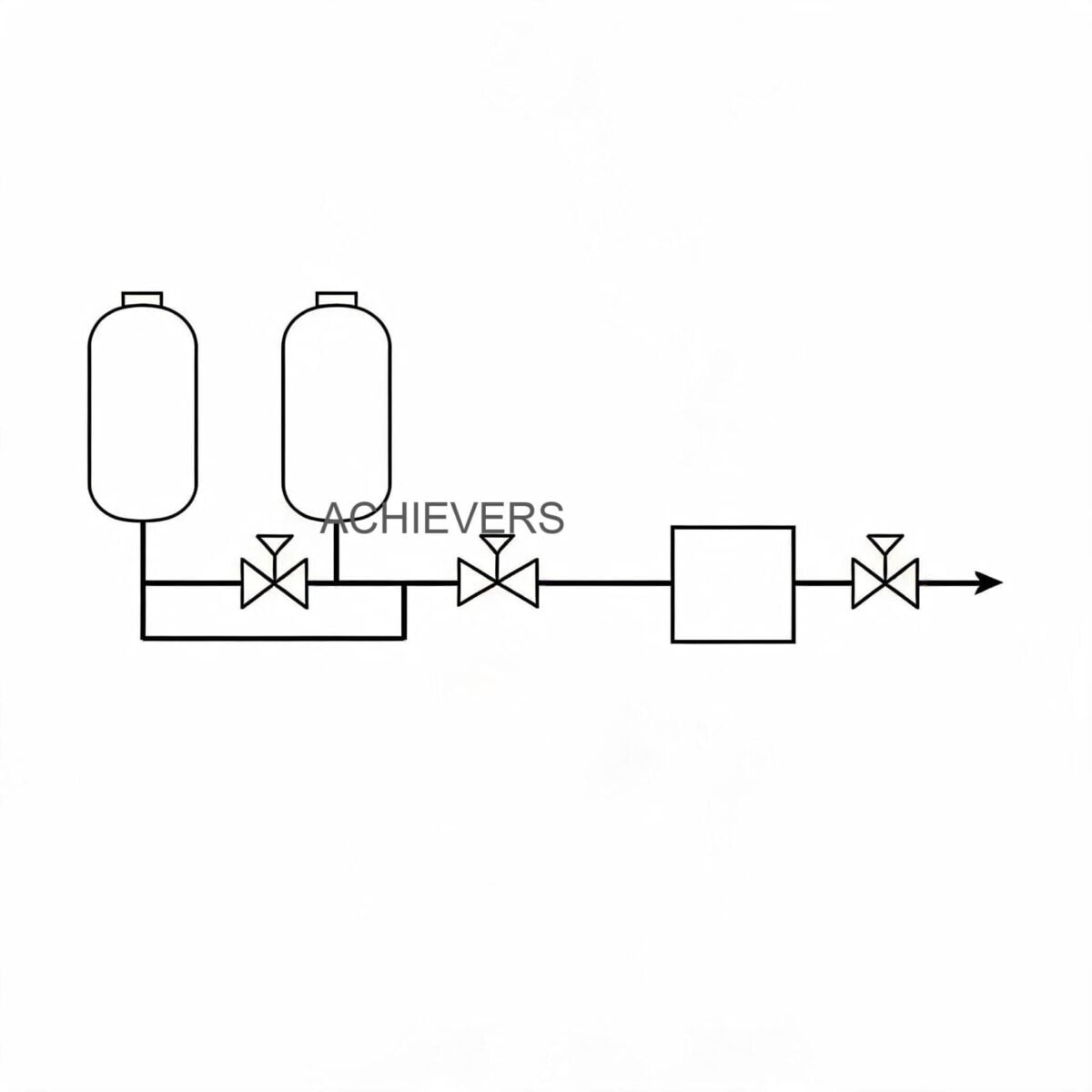
Technology Comparison: Flow Metering Mechanisms in Dispensers
The heart of any dispenser is its internal flow meter. Depending on the Achievers model specified, dispensers utilize different measurement principles. Instrumentation engineers must select the correct primary element based on the plant's specific fluid conditions.
| Parameter | Positive Displacement (Oval Gear / Nutating Disc) | Turbine Flow Meters |
| :— | :— | :— |
| Operating Principle | Captures specific volumes in internal chambers | Fluid velocity spins a rotor; frequency proportional to flow |
| Viscosity Tolerance | Excellent; accuracy improves with higher viscosity (HSD is ideal) | Poor at low velocities; calibration shifts with viscosity changes |
| Particulate Sensitivity | High; requires upstream filtration (e.g., 30-micron strainer) | Moderate; but fibrous debris can stall the rotor |
| Pressure Drop (Head Loss) | Higher, increasing pump load | Very low |
| Turndown Ratio | Typically 10:1 or better | Usually 5:1 in this application |
| Typical Dispenser Application | High-accuracy billing, Legal Metrology approved units | High-volume transfer, basic inventory monitoring |
For applications demanding high repeatability and insensitivity to flow profile distortions, integrating Positive Displacement Flow Meters into the dispensing skid is generally the superior engineering choice for HSD.
Engineering Note: Volumetric Thermal Correction
When tracking high-value fuel inventories, engineers must account for volumetric expansion due to ambient heat. High-speed diesel has a coefficient of volumetric thermal expansion (Beta) of approximately 0.00083 per degree Celsius.
The indicated volume (Vi) dispensed at an afternoon shop-floor temperature of 40 degrees Celsius will be physically larger but less dense than fuel received in underground storage at 25 degrees Celsius.
To reconcile mass balances, use the formula:
V_corrected = V_indicated x [1 – Beta x (T_actual – T_reference)]
Advanced electronic dispensers can be configured to interface with temperature transmitters to apply this correction factor dynamically, preventing artificial inventory losses in the ERP system.
3. Typical Installation Scenarios in This Industry
The modularity of the Lumen Instruments Achievers lineup allows plant engineers to deploy diesel dispensers in India for industrial fuel management across wildly varying topographies within a single facility.
Scenario 1: Centralized DG Set Day-Tank Filling
Setup: In large pharmaceutical or continuous-process chemical plants, backup generators are mission-critical. A centralized fuel farm holds the bulk HSD, which is transferred to localized day tanks near the generators.
Configuration: An Achievers CE-204 (220V AC) electronic dispenser is mounted on a ground platform near the day tank.
Key Settings: The electronic control board is integrated with the plant's SCADA system via RS485 or Ethernet. Dispensing is limited solely to maintenance shift supervisors holding valid RFID credentials. The system guarantees that top-ups are logged precisely, preventing operators from siphoning fuel during the transfer process.
Scenario 2: Shop-Floor Material Handling (Forklift) Refueling
Setup: A busy cement plant operates dozens of diesel-powered forklifts and front-end loaders. Refueling downtime must be minimized, and the equipment operates in extremely dusty environments.
Configuration: An Achievers CE-202 mechanical dispenser is wall-mounted near the vehicle depot.
Key Settings: Because network cables are impractical in this dusty zone, the robust mechanical totalizer handles the volume counting. A hose reel keeps the delivery hose off the abrasive concrete floor, extending the life of the nitrile rubber hose and ensuring compliance with basic shop-floor 5S principles.
Scenario 3: Mobile Service Skids for Mine or Yard Operations
Setup: For sprawling steel yards or captive mining operations, bringing the machinery to the pump is economically unviable. Fuel must go to the machinery.
Configuration: An Achievers CE-101 Mobile Diesel Dispensers operating on 12V DC or 24V DC is mounted onto a service truck alongside a 1,000-liter IBC tank.
Key Settings: Powered directly by the truck’s alternator and battery bank, this lightweight unit utilizes excellent electromagnetic compatibility to run smoothly despite the automotive electrical noise. The portable setup allows site managers to conduct track-side refueling of excavators with exact volume monitoring.
4. Compliance, Accuracy, and Certification Requirements
Procurement of measuring instruments in India is heavily regulated, especially when transferring hazardous, highly taxed commodities like high-speed diesel.
PESO (Petroleum and Explosives Safety Organization): While diesel (Class B petroleum) has a higher flash point than petrol, dispensing equipment operating in proximity to bulk storage must comply with PESO electrical guidelines. Dispensers must feature appropriate ingress protection (IP55 or higher) and secure electrical glanding to prevent sparking in potentially classified zones.
Legal Metrology Act, 2009: If the fuel dispensed is being billed to subcontractors (e.g., a third-party logistics company operating trucks within your plant), the flow meter within the dispenser must be approved by the Department of Legal Metrology. It must maintain accuracy within ±0.5% to ±0.1% depending on the exact transaction class, and the calibrating mechanism must be sealable by a Legal Metrology officer to prevent tampering.
Specification Table: Achievers Series Dispensers
Data sourced directly from Lumen Instruments’ production specifications and model lineups.
| Specification / Parameter | Detail |
| :— | :— |
| Manufacturer | Lumen Instruments (Brand: Achievers) |
| Models Available | CE-101, CE-117, CE-202, CE-204 |
| Price Range (INR) | ₹32,499.00 to ₹86,499.00 (Standard Models) |
| Power Supply Options | 220V AC, 12V DC, 24V DC |
| Metering Technology | Mechanical Flow Meters or Electronic Control Boards |
| Access Control | Available on advanced electronic models (Credential required) |
| Mounting Configurations | Tank Mount, Wall Mount, Ground Platform Stand |
| Data Integration | PC network management capability (Advanced models) |
| Specialized Formats | Mobile Dispenser, Hose Reel Dispenser, Truck Dispenser |
5. ROI and Operational Benefits
Investing ₹45,000 to ₹86,000 in a professional Achievers diesel dispenser yields an incredibly fast return on investment (ROI). In a plant consuming 5,000 liters of diesel a month, even a 3% reduction in pilferage or "unaccounted losses" translates to roughly ₹13,500 saved monthly (assuming a baseline diesel cost of ₹90/liter). The equipment pays for itself in under six months.
| Benefit | Typical Improvement | Indian Industry Context |
| :— | :— | :— |
| Loss Prevention | 2% to 5% reduction in total monthly fuel consumption | Eliminates the widespread issue of manual "skimming" and undocumented container filling on the night shift. |
| Audit Compliance | 100% digital trace of transactions (Electronic models) | Satisfies ISO 9001 and ISO 50001 energy management audits by providing hard data on internal energy consumption. |
| Labor Efficiency | 40% reduction in refueling cycle times | Replaces slow, manual rotary hand-pumps with high-flow electric pumps (e.g., 60-80 Liters Per Minute). |
| Housekeeping & Safety | Virtual elimination of shop-floor spills | Auto-shutoff nozzles and hose reels prevent overfilling and remove slip hazards, aligning with plant OHSAS/ISO 45001 goals. |
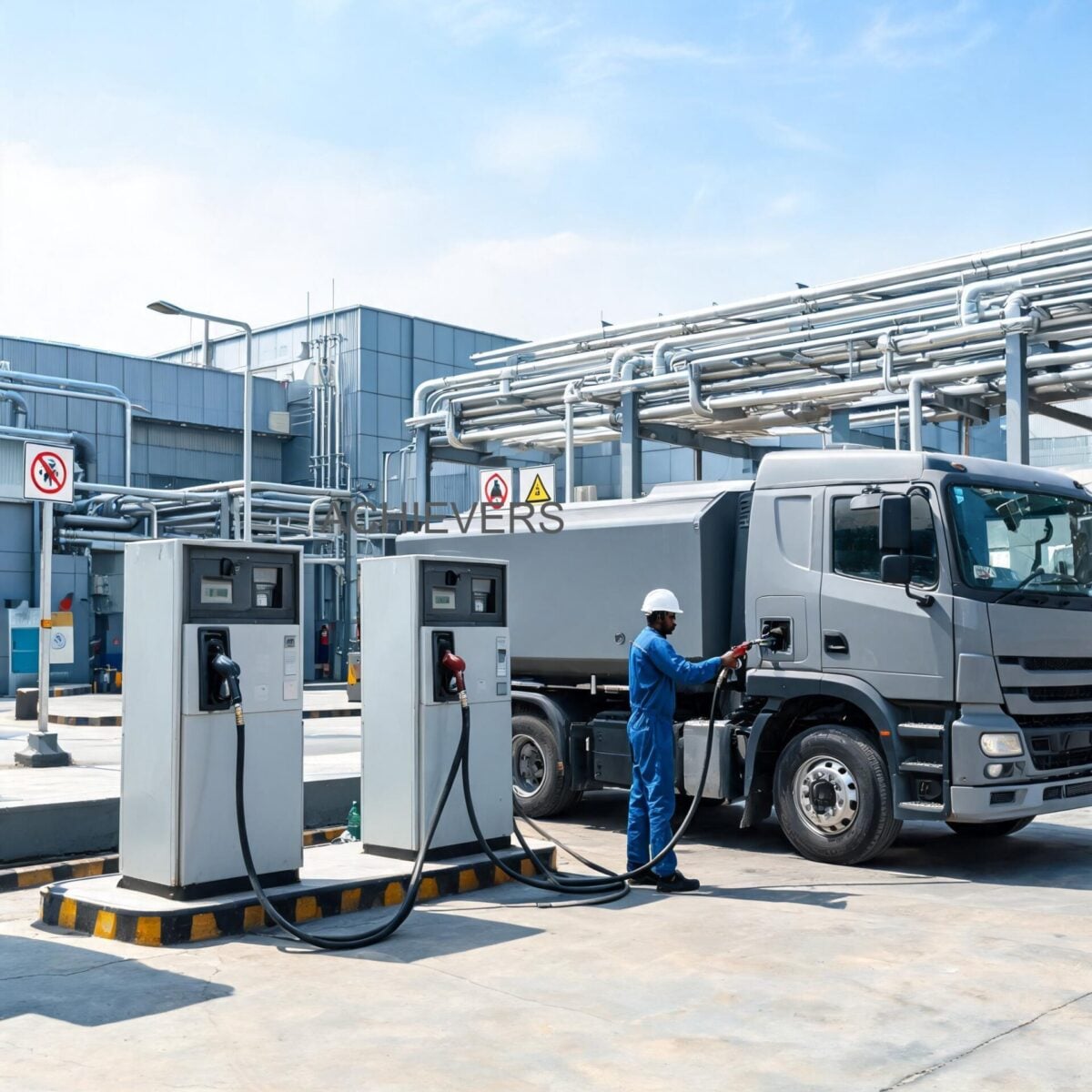
6. Selection Checklist for This Industry
To buy diesel dispensers supplier for factories effectively, instrumentation engineers and procurement heads should define the following parameters before contacting Lumen Instruments:
- Power Availability: Determine if the installation site has clean 220V AC power. If the unit is mobile or off-grid, specify 12V DC or 24V DC.
- Flow Rate Requirements: Calculate the necessary delivery speed. Refueling a 1,000-liter DG day tank requires a higher capacity pump than filling a 50-liter forklift tank.
- Mounting Topography: Specify whether the unit will be tank-mounted, wall-mounted, or requires a standalone ground pedestal.
- Meter Type: Choose between mechanical totalizers (best for dusty, remote areas with low tech literacy) or electronic meters (required for data integration).
- Access Control: Decide if the unit needs a keypad/RFID system to restrict fuel issuance strictly to authorized credential holders.
- Data Logging: Specify if you require PC software integration for live inventory tracking and automated report generation.
- Filtration: Ensure upstream Y-strainers and water-separating filters are included in the P&ID to protect the dispenser's internal meter.
- Hose and Nozzle Type: Specify the required hose length (e.g., 4 meters vs. 8 meters with a reel) and ensure an automatic shut-off nozzle is included.
7. Dispenser Calibration and Proving Procedure
To ensure the metering integrity of your shop-floor dispensers over time, regular volumetric proving must be executed. This is vital for maintaining audit readiness and detecting internal wear.
- Safety Preparation: Electrically isolate the dispenser area. Ensure the proving vessel (a certified standard volumetric measure, typically 10 or 20 liters) is grounded to prevent static discharge.
- Pre-Wetting: Dispense approximately 5 liters of HSD into the proving vessel to wet the internal walls, then drain completely for the manufacturer's specified drip-time (usually 30 seconds). This establishes a consistent "wet-to-wet" baseline.
- Initial Reading: Record the exact reading on the mechanical or electronic totalizer.
- High-Flow Dispensing: Fully open the automatic nozzle and dispense fuel at the maximum flow rate into the proving vessel until the meniscus approaches the nominal capacity mark.
- Volume Comparison: Note the final volume indicated by the dispenser meter and compare it against the meniscus reading on the certified proving vessel’s sight glass.
- Error Calculation: Calculate the percentage error:
[(Indicated Volume - True Vessel Volume) / True Vessel Volume] x 100. - Mechanical/Electronic Adjustment: If the error exceeds acceptable limits (e.g., >0.5%), adjust the calibration screw on the mechanical meter, or input the new K-factor/calibration pulse rate into the electronic control board.
- Verification Run: Repeat steps 3 through 6 to confirm the new calibration falls well within the required accuracy band. Record the calibration data in the plant's maintenance log.
FAQ
Q: Can a standard water pump be used to dispense diesel instead of a dedicated dispenser?
A: No. Diesel has different kinematic viscosity and lower vapor pressure than water. Standard water pumps will suffer from rapid seal degradation, cavitation, and motor burnout. Dedicated dispensers use motors and seals (like Viton or Nitrile) chemically compatible with HSD.
Q: How do these units handle the severe voltage fluctuations common in Indian industrial zones?
A: Lumen Instruments’ electronic models are designed with high electromagnetic compatibility (EMC) and robust power regulation circuits. However, for 220V AC installations in highly volatile grids, installing a dedicated voltage stabilizer or running the unit on a plant UPS is highly recommended to protect the control board.
Q: What happens if water or heavy sludge from the bottom of our storage tank gets into the dispenser?
A: Sludge and water will severely damage both the transfer pump vanes and the flow meter internals. It is critical to install a water-separating filter and a 30-micron particulate strainer on the suction line immediately before the dispenser inlet.
Q: Are the electronic records generated by the dispenser tamper-proof?
A: Yes, on the advanced models featuring an electronic control board. Access requires secure credentials, and the volume dispensed is hard-coded into the memory with a timestamp. This data can be pushed to a PC network, preventing manual alteration by shop-floor personnel.
Q: How frequently should the flow meter inside the dispenser be calibrated?
A: For internal accounting, a bi-annual proving test is standard. However, if the fuel is highly contaminated, the internal mechanical wear will accelerate, requiring quarterly calibration. If the unit is used for commercial custody transfer, calibration frequency is dictated by Legal Metrology authorities.
Q: Can we upgrade a mechanical dispenser to an electronic one later?
A: While possible, it is usually more cost-effective to specify an electronic dispenser (like the CE-204) from the outset if data integration is in your plant's future roadmap. Mechanical models (CE-202) are best kept in applications that will permanently remain standalone.
Q: What is the maximum distance a wall-mounted dispenser can pull fuel from an underground tank?
A: Suction lift is governed by physics and pump design, typically limited to 3 to 4 meters vertically for standard rotary vane pumps. If your tank is deeper or further away, a submersible turbine pump should be installed in the tank to push fuel to the dispenser under positive pressure.
To establish absolute control over your facility's internal diesel consumption and eliminate shop-floor pilferage, upgrading to an audit-ready dispensing system is the critical first step. Contact Lumen Instruments today to inquire about the Achievers series of Diesel Dispensers. Please provide your required flow rate, preferred power supply (AC/DC), and any specific access-control software requirements to receive a technically optimized, precise quotation for your Indian manufacturing plant.